
Homemade Pizza Dough (24-Hour Cold Fermentation)
Mix it tonight, bake it tomorrow: time does the work, not you.
- Preparation
- 20 min
- Cook/bake time
- 30 min
- Total
- 27 hr 10 min
- Difficulty
- Medium
- Calories
- 461 kcal
- Servings
- 4 pizzas
- Prep
- 20 min
- Cooking & baking
- 30 min
- Resting
- 26 hr 20 min
Only 50 min of that is hands-on – the rest takes care of itself.
Mix it tonight, bake it tomorrow: time does the work, not you. A day in the fridge is the point where a pizza dough transforms: it becomes more digestible, more aromatic, and develops those large bubbles in the crust that you usually go to a pizzeria for. Active prep time: twenty minutes.
Why this works
At 4 degrees in the fridge, the yeast works at a heavily reduced pace, but the enzymes in the flour keep working. Overnight, they break down long starch chains into simple sugars and proteins into amino acids, and exactly these fragments are later responsible for the flavor and browning. That is why a cold-fermented dough needs less yeast than a quick one: five grams have 24 hours for the gas volume that otherwise has to be produced in two hours. The second effect concerns digestibility: during cold fermentation, the FODMAP sugars are also broken down, which sit heavily in the stomach of many people after eating quick pizza dough. And the gluten network continues to build itself up during this time, almost without kneading, which is why ten minutes of manual work are completely sufficient here. Why 24 and not 72 hours: the jump from two hours to one day brings by far the largest part of the effect, everything beyond that only refines it. You plan for one day, you forget about three days.
Step-by-step instructions
- 1
Mix the dough
Roughly mix the flour, water, and yeast by hand until no dry flour is visible, and let the mixture stand for twenty minutes. The salt is only added afterwards: added directly to the yeast, it draws water from it and slows it down unnecessarily.
- 2
Knead briefly
Knead in the salt and oil and work the dough for ten minutes until it is smooth. It doesn't have to be perfect here: the gluten network continues to build itself up overnight in the fridge, and that is exactly why cold fermentation is so convenient.
- 3
24 hours in the fridge
Oil a bowl, place the dough in it, cover it, and put it in the fridge for 24 hours. It will almost double in size during this time and smell distinctly of yeast and grain. It is usable from 18 hours, best at 24, and if it doesn't work out the next day, it will easily keep until 48.
- 4
Portion and acclimatize for two hours
Divide the dough into four equal pieces, form them into tight balls without pressure, and let them stand covered for two hours at room temperature. Cold dough cannot be stretched, it tears: the two hours are mandatory.
- 5
Stretch and bake
Preheat the oven with a baking sheet or stone on the second lowest rack to 250 °C for at least 45 minutes. Press each ball out on semolina from the center outwards and leave the outer centimeter untouched: that is where the air sits that will become the crust. Never use a rolling pin. Top and bake for six to eight minutes until the crust is spotty brown.
Our best tips
- Only add salt after twenty minutes of autolyse. Directly on the yeast, it draws water from it, and it needs to last all night.
- Never touch the edge when stretching. The air bubbles in it are the whole reason for the day in the fridge: a rolling pin pushes them out in ten seconds.
- Preheat the oven for at least 45 minutes with a baking sheet or stone. It is not the air temperature that bakes the base, but the stored heat of the surface.
Tasty variations
72-hour variation
Reduce the yeast to 2 g and cold-ferment the dough for three days. The flavor becomes rounder and the crust even more bubbly, but the difference to 24 hours is significantly smaller than that from two hours to one day. From 96 hours, the dough becomes sour.
Dough for pizza in teglia
Increase the water amount to 400 ml (80% hydration) and stretch the dough in an oiled baking sheet. The base becomes airy and fluffy instead of thin, and the high hydration is only manageable with cold fermentation in the first place.
Nutrition facts
| Calories | 461 kcal |
|---|---|
| Protein | 13 g |
| Carbohydrates | 91 g |
| – of which sugar | 1 g |
| Fat | 4 g |
| Fiber | 4 g |
Where the 461 kcal come from
per serving
These lines have no quantity (“to taste”) or no table value, so they are missing from the total.
Calculated from the ingredients – how we do it
We add up reference values for every ingredient and divide by the number of servings. These assumptions are baked in:
- Reference values per 100 g – for the raw ingredient, exactly as listed.
- Tinned goods count at drained weight, bone-in meat at purchase weight: you eat about 70 per cent of a chicken thigh and leave the rest.
- Water evaporates as you cook. The energy stays in the pot, the weight does not – so the figure is per serving, not per 100 g of finished dish.
- Anything listed without a quantity – “salt and pepper” – is not counted.
A guide value, not a lab measurement: no two onions weigh the same, and fat content varies from pack to pack.
What can go wrong
The points where this recipe most often goes sideways – and what to do about it.
- The dough tears when stretching
- It is too cold or the gluten is still tense. Let it acclimatize for an hour at room temperature, then it will yield. If it still tears, let it rest for ten minutes and try again: pulling doesn't help, waiting does.
- The dough is so sticky that it sticks to everything
- At 66 percent hydration, this is normal. Do not counter-flour with flour, that makes the dough tough, but slightly moisten your hands and work with durum wheat semolina instead of flour. Semolina rolls, flour sticks.
- The base remains pale and soft
- The oven was not hot enough or not preheated long enough. Heat the baking sheet or stone on the highest setting for at least 45 minutes: do not believe the oven display, it reports the air temperature, not that of the baking sheet.
Frequently asked questions
Why does my dough tear when stretching?
It is too cold. Straight from the fridge, the gluten is still firm and the dough has no extensibility: two hours at room temperature completely solve the problem. Second possibility: under-kneaded, then the network that carries the tension is missing.
Tipo 00 or all-purpose?
Both work, they are almost the same: Tipo 00 refers to the grind, all-purpose to the mineral content, and in practice they overlap. The important thing is the protein content: at least 12 g per 100 g, otherwise the gluten network will not survive the cold fermentation.
Can I freeze the dough?
Yes, after portioning. Freeze the balls individually and thaw them in the fridge the day before, then the two hours at room temperature as usual. The dough loses some leavening power in the process, the flavor remains.
Comments & ratings(0)
Sign in to rate and comment on this recipe.
You might also like
 Basic Recipes
Tomato Sauce
The one sauce that turns into pizza, pasta, lasagna, and casseroles. Four ingredients and no shortcuts when simmering.
 Bread & Rolls
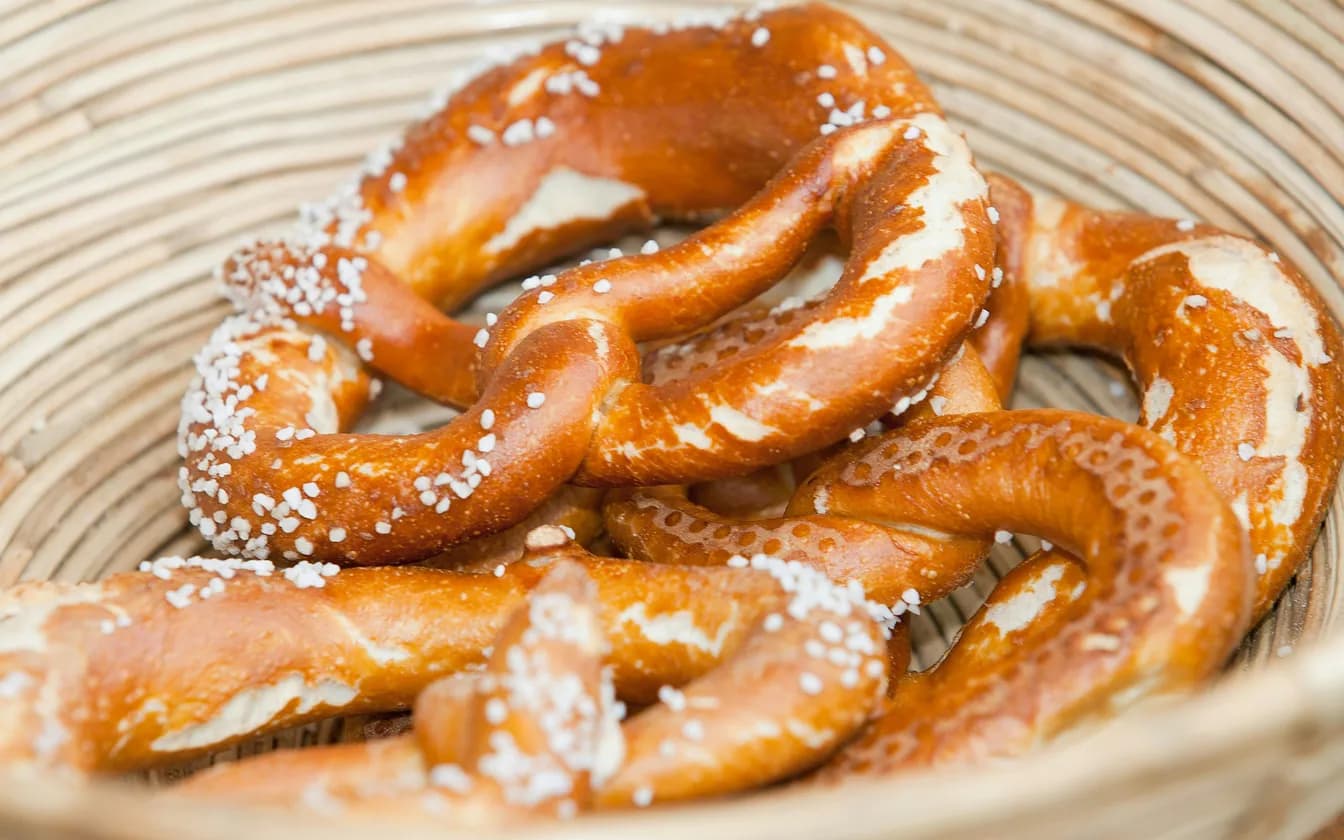
Oktoberfest Pretzels
Bavarian lye pretzels with a thick belly and thin arms, soft on the inside, mahogany brown and salty on the outside.
 Basic Recipes
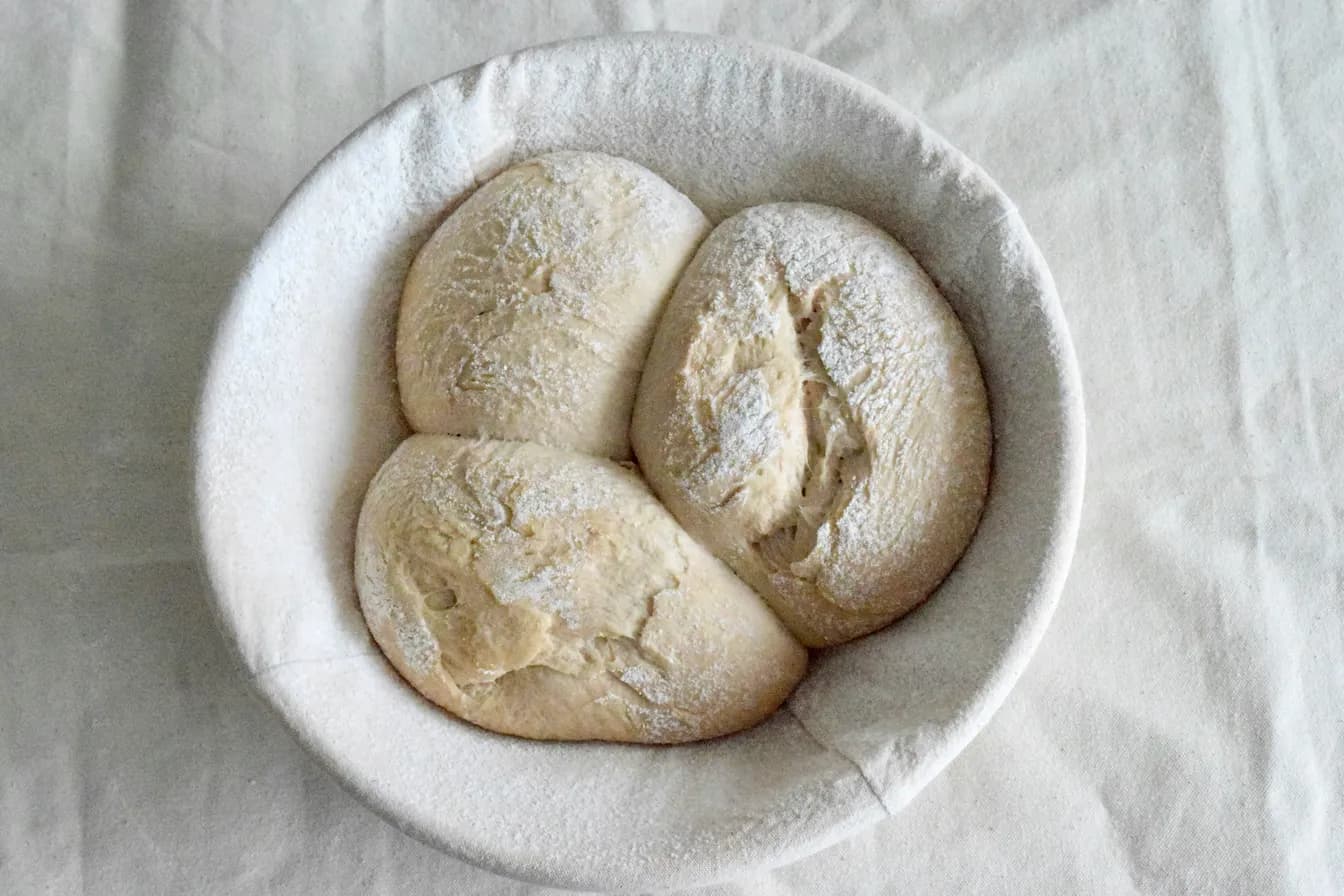
Yeast Dough
A sweet basic dough for braided bread, rolls, and doughnuts, and the answer to the question of why it sometimes fails to rise.