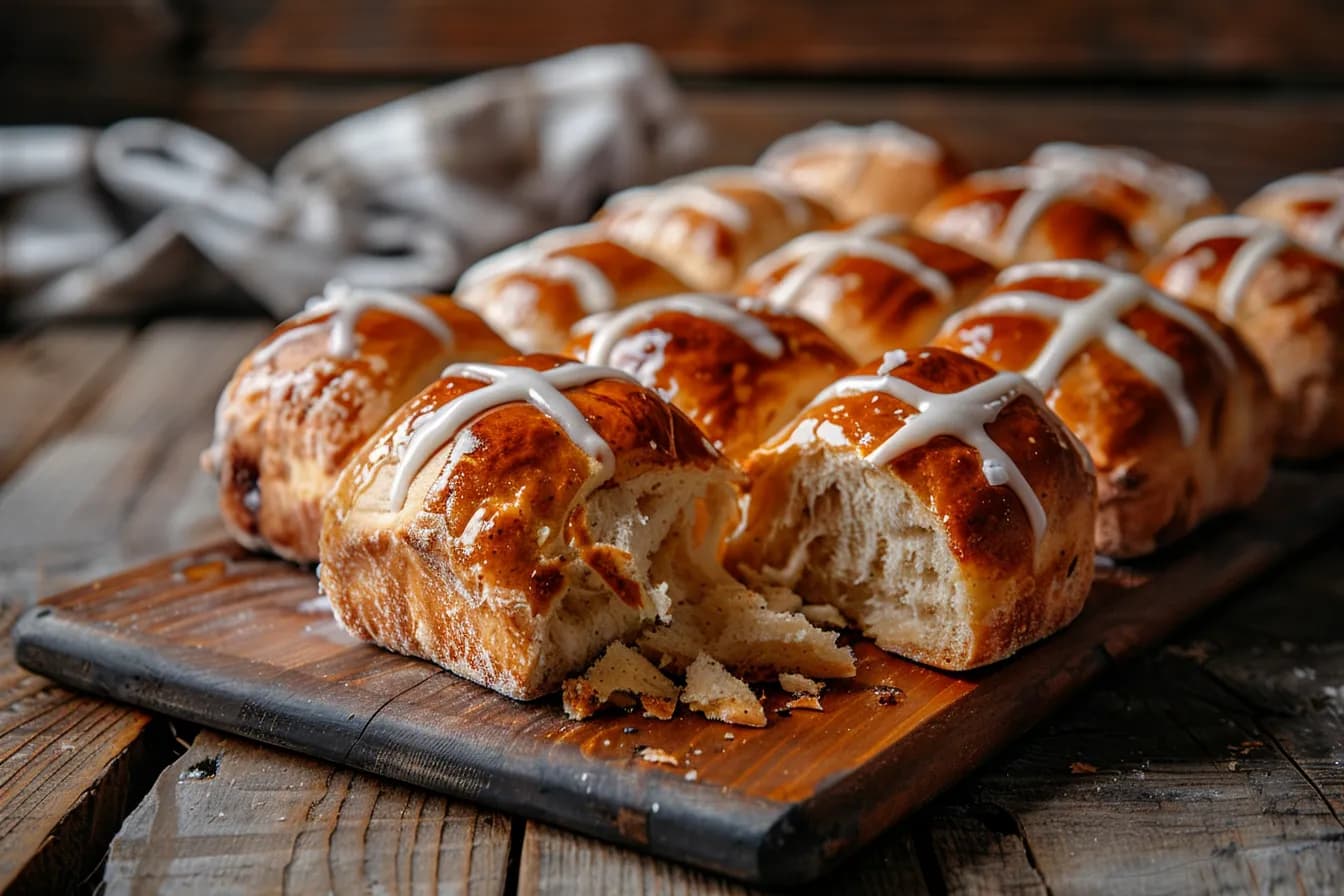
Hot Cross Buns
Soft, spiced yeast buns with raisins and the white cross, a British Easter pastry.
- Preparation
- 35 min
- Cook/bake time
- 22 min
- Total
- 3 hr 47 min
- Difficulty
- Medium
- Calories
- 312 kcal
- Servings
- 12 pieces
- Prep
- 35 min
- Cooking & baking
- 22 min
- Resting
- 2 hr 50 min
Only 57 min of that is hands-on – the rest takes care of itself.
Soft, spiced yeast buns with raisins and the white cross, a British Easter pastry. The cross is not icing, but a thin flour paste that is baked along with the buns and therefore doesn't run during baking. The spices are added to the dough with the flour so that their oils are distributed throughout the crumb.
Why this works
Cinnamon contains cinnamaldehyde, which slows down yeast in higher doses, which is why the spices are deliberately kept moderate here and the dough is given more time instead of more yeast. The raisins are steeped in hot tea beforehand because dry fruit would draw water from the dough and make the crumb tough right around them. And the apricot glaze at the end is not just decoration: sugar binds water on the surface and keeps the buns soft for two days longer.
Step-by-step instructions
- 1
Soak the fruit
Pour the hot tea over the raisins and candied orange peel and let them steep for twenty minutes, then drain thoroughly. The fruit should be plumped up and only slightly moist when added to the dough. Dry raisins draw water from the dough and leave tough spots.
- 2
Knead the dough
Mix the flour, yeast, sugar, salt, and all the spices together dry, so the spice oils are distributed evenly. Add the milk, egg, and orange zest and knead for eight minutes, then add the butter and knead for another five minutes until the dough is smooth and elastic. Finally, briefly fold in the drained fruit so it doesn't get crushed.
- 3
First proof
Cover the dough and let it rise in a warm place for ninety minutes. Because of the sugar, fat, and yeast-inhibiting spices, it takes longer than a simple bread dough, so go by volume, not by the clock.
- 4
Shape and second proof
Divide the dough into twelve equal pieces, shape them into smooth balls, and place them closely together in a greased baking pan so they touch as they rise. This way they push upwards instead of outwards and stay soft on the sides. Let them rise for sixty minutes until they are touching.
- 5
Pipe crosses and bake
Mix the flour and water into a thick paste, fill it into a piping bag with a small opening, and pipe continuous lines across the rows. Bake the buns at 200 °C top/bottom heat for twenty to twenty-two minutes. Warm the jam with water, brush it immediately onto the hot buns, and let them cool in the pan.
Our best tips
- Place the buns close together so they touch as they rise. This is the trick for soft sides.
- Mix the cross paste so it is thick, not runny. If it's too thin, it will run, and if it's too thick, it will break when piping.
- Apply the apricot glaze directly to the hot buns. On cooled pastries, it won't soak in and will remain sticky.
Tasty variations
With chocolate
Replace the raisins and candied orange peel with 200 g of chopped dark chocolate and halve the spices. This is now the most common variation in the UK.
Toasted Buns
Halve them the next day, toast them, and serve with salted butter. This is actually how Hot Cross Buns are most loved on the island.
Nutrition facts
| Calories | 312 kcal |
|---|---|
| Protein | 7 g |
| Carbohydrates | 59 g |
| – of which sugar | 22 g |
| Fat | 5 g |
| Fiber | 3 g |
Where the 312 kcal come from
per serving
Calculated from the ingredients – how we do it
We add up reference values for every ingredient and divide by the number of servings. These assumptions are baked in:
- Reference values per 100 g – for the raw ingredient, exactly as listed.
- Tinned goods count at drained weight, bone-in meat at purchase weight: you eat about 70 per cent of a chicken thigh and leave the rest.
- Water evaporates as you cook. The energy stays in the pot, the weight does not – so the figure is per serving, not per 100 g of finished dish.
- Anything listed without a quantity – “salt and pepper” – is not counted.
A guide value, not a lab measurement: no two onions weigh the same, and fat content varies from pack to pack.
Frequently asked questions
Why did my dough barely rise?
Cinnamon and allspice inhibit the yeast, and sugar and fat slow it down further. Just give the dough more time in a warm place instead of increasing the amount of yeast, as more yeast only brings a yeasty taste.
Can I freeze the buns?
Yes, baked and cooled, they will keep in the freezer for three months. To thaw, put them in the oven at 150 °C for eight minutes, and they will be like fresh.
Can I make it without candied orange peel?
Yes, replace it with the same amount of raisins and the zest of a second orange. The citrus element is important for the character, but the candied peel itself is not.
Comments & ratings(0)
Sign in to rate and comment on this recipe.
You might also like
 Cakes & Pastries
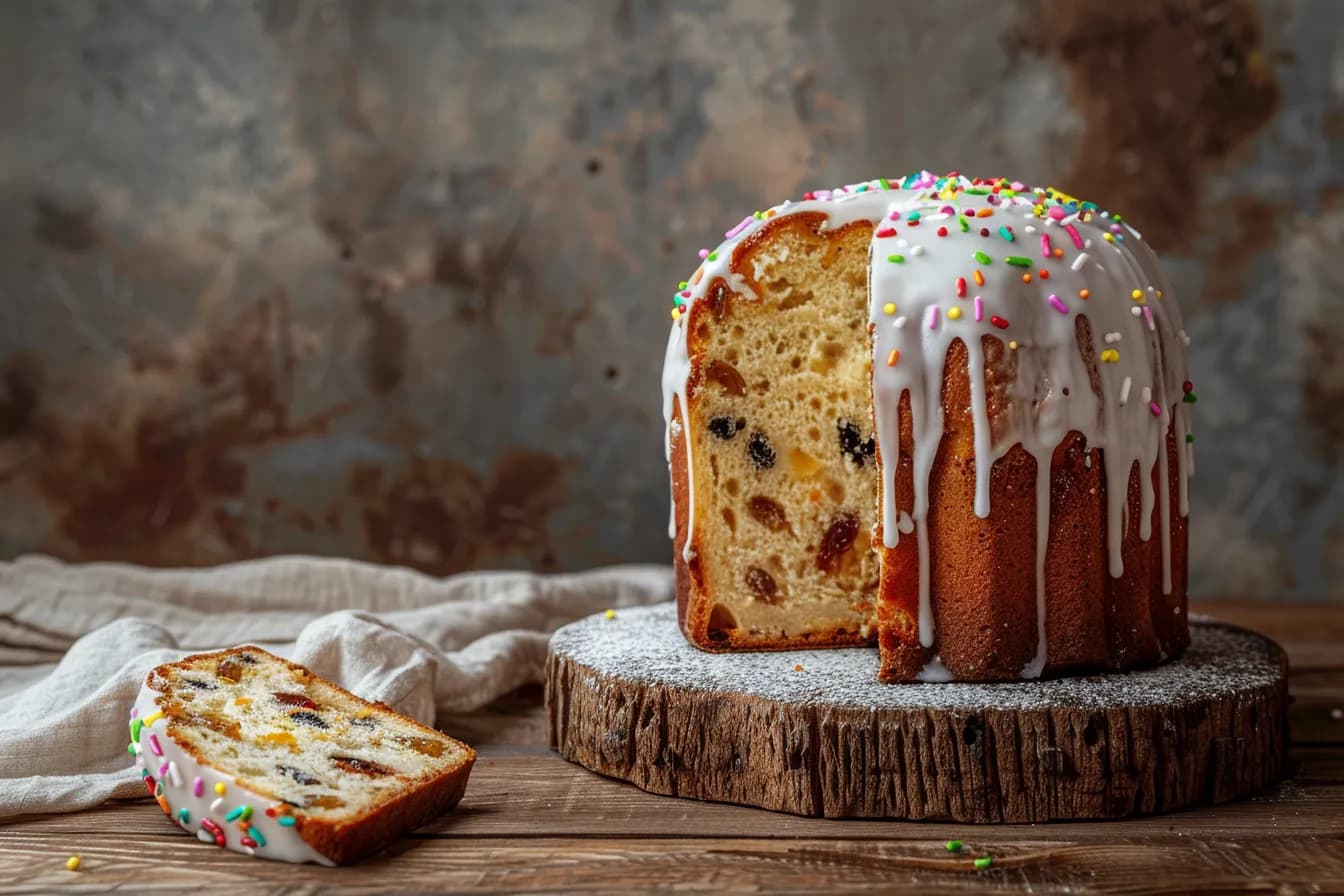
Kulich
Russian Easter bread, a tall yeast cake with sugar glaze, and it is cooled lying down.
 Basic Recipes
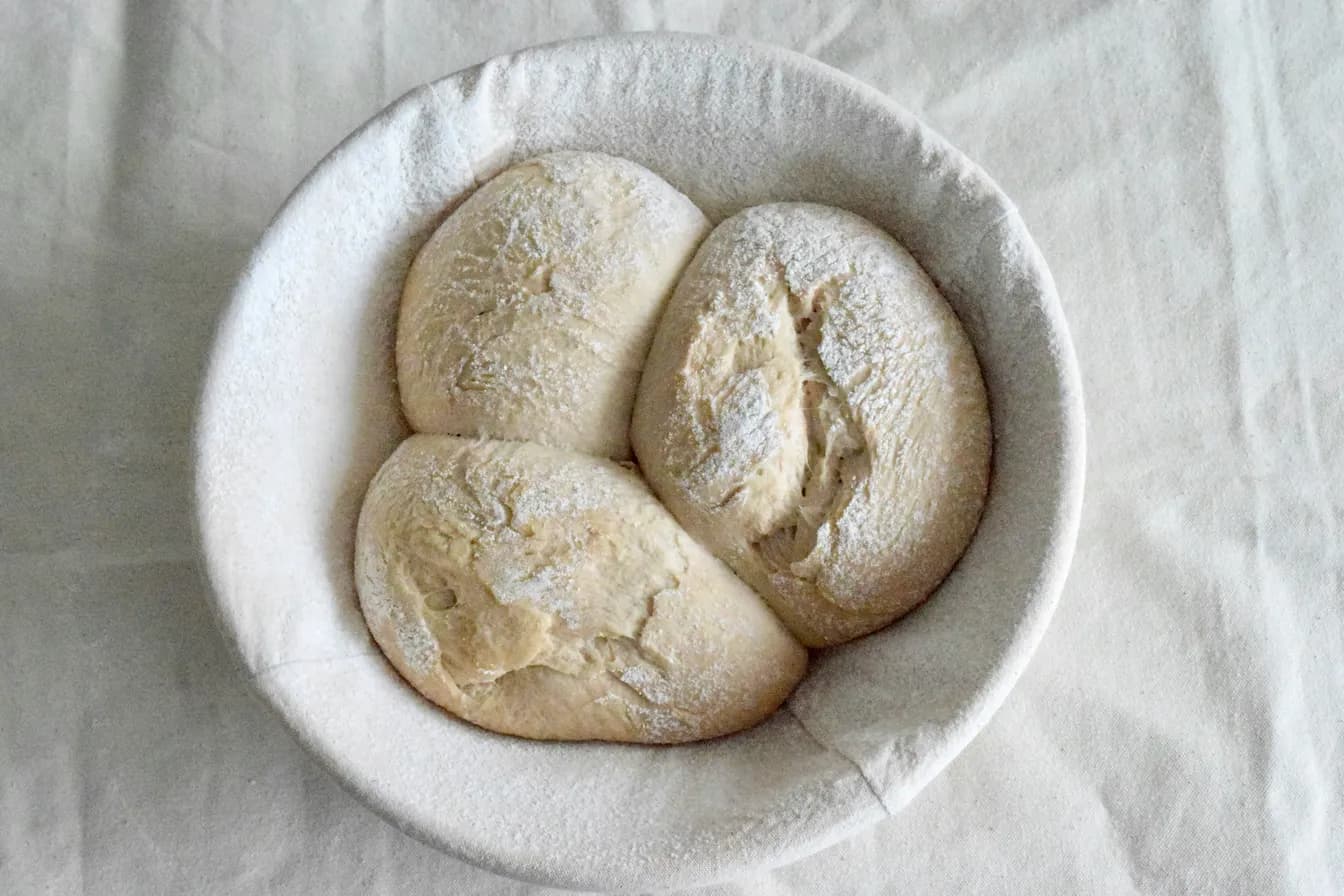
Yeast Dough
A sweet basic dough for braided bread, rolls, and doughnuts, and the answer to the question of why it sometimes fails to rise.
 Cakes & Pastries
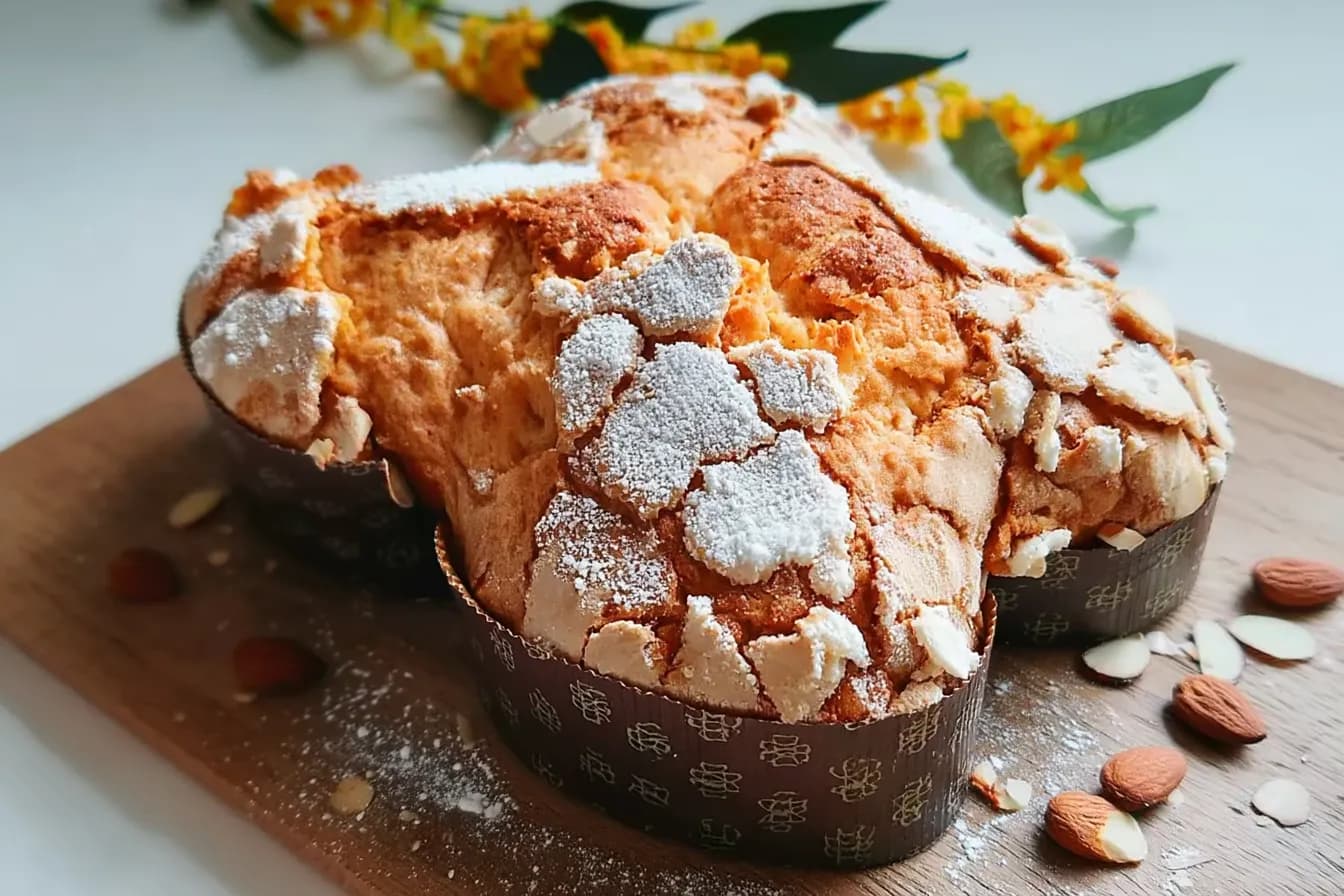
Colomba Pasquale
The Italian Easter dove, a yeast cake like panettone, just in the shape of a dove and with an almond crust.