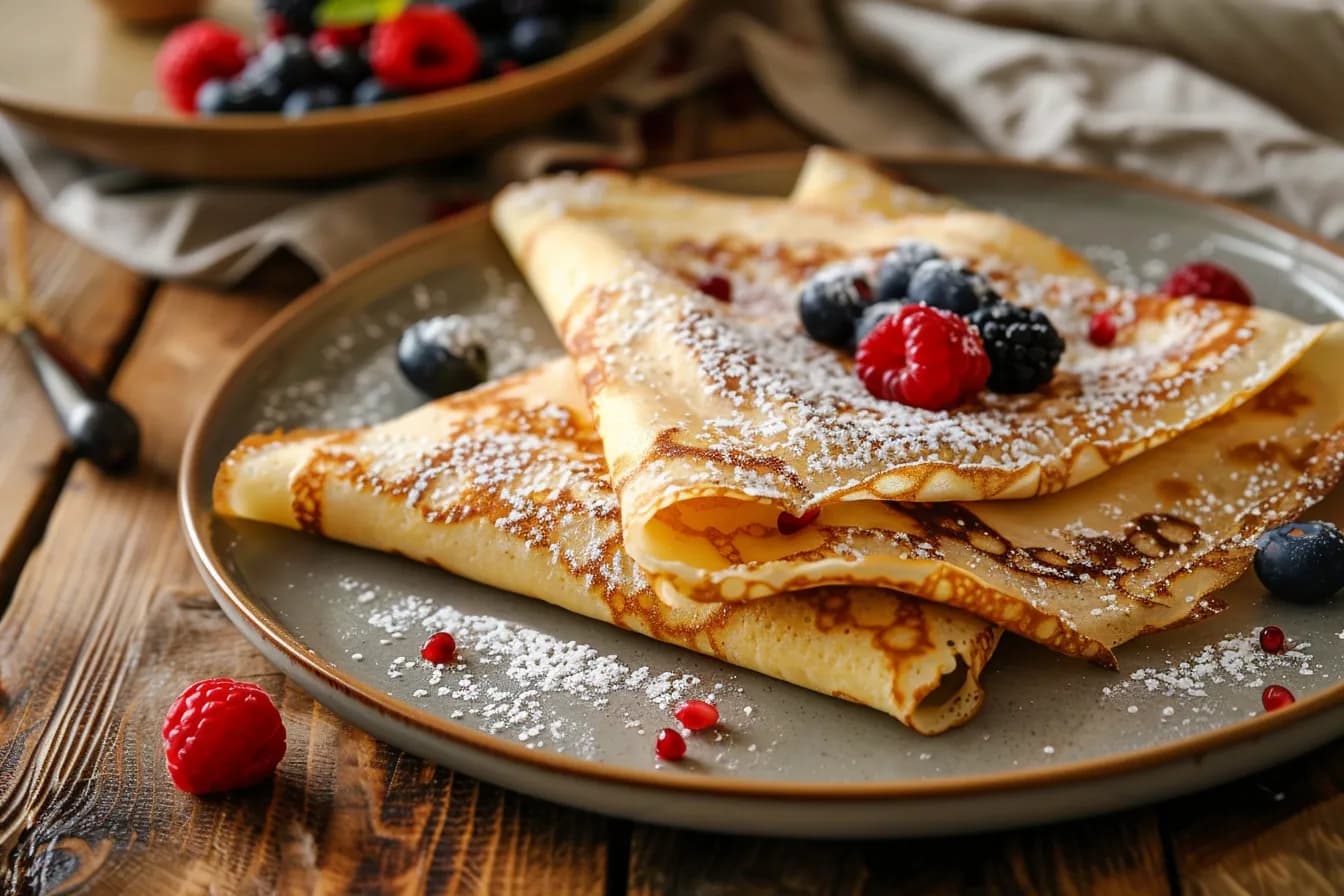
Crêpes
Paper-thin French pancakes with lacy edges, sweet or savory.
- Preparation
- 10 min
- Cook/bake time
- 30 min
- Total
- 1 hr 10 min
- Difficulty
- Easy
- Calories
- 510 kcal
- Servings
- 4
- Prep
- 10 min
- Cooking & baking
- 30 min
- Resting
- 30 min
Only 40 min of that is hands-on – the rest takes care of itself.
Paper-thin French pancakes with lacy edges, sweet or savory. The batter needs to rest for at least thirty minutes so the starch can hydrate and the crêpes become supple instead of rubbery. Brown butter in the batter adds a nutty aroma that makes all the difference.
Why this works
Freshly mixed crêpe batter has two problems: the starch has not yet absorbed water, and mixing has tightened the gluten strands. During the resting time, the starch hydrates completely, allowing the batter to spread evenly and thinly, and the gluten network relaxes, making the crêpes supple instead of rubbery. Brown butter brings additional flavor: during browning, the milk proteins react to form nutty compounds that do not exist in regular butter.
Step-by-step instructions
- 1
Make the brown butter
Melt the butter in a small saucepan over medium heat and let it simmer until it foams, the foaming subsides, and brown flecks form on the bottom. It will smell distinctly nutty. Remove it from the heat immediately, because there are only seconds between nutty and burnt.
- 2
Mix the batter
Whisk the flour, sugar, and salt with the eggs and half of the milk into a smooth, thick batter. Only when there are no more lumps do you stir in the remaining milk, the sparkling water, and the cooled brown butter. This order is the easiest way to achieve a lump-free batter.
- 3
Let it rest
Let the batter rest covered for at least thirty minutes at room temperature. The starch hydrates during this time and the developed gluten relaxes, making the crêpes supple instead of tough. The batter will become slightly thicker, which is normal.
- 4
Fry the crêpes
Heat a non-stick pan of about 26 cm over medium to high heat and grease it very thinly with butter. Pour in a small ladle of batter and immediately swirl the pan in a circular motion so the batter spreads thinly. After about one minute, the edges will release and turn a lacy brown.
- 5
Flip and stack
Loosen the edge with a spatula, flip the crêpe, and bake it for thirty seconds on the second side. The first side is always the prettier one and will face outward later. Stack the finished crêpes on a plate, as they keep each other warm and soft. The first one rarely turns out perfect, which is normal.
Our best tips
- The first crêpe almost always fails. It is the test run for temperature and batter quantity, not your fault.
- Sparkling water in the batter makes the crêpes more tender and helps them spread thinly.
- Grease the pan only very thinly. Too much butter causes the batter to pool together instead of spreading.
Tasty variations
Galettes
Replace the flour with buckwheat flour and omit the sugar, and they become savory Breton galettes.
Crêpes Suzette
Flambé in the pan with an orange butter made from butter, sugar, orange juice, and Grand Marnier.
Nutrition facts
| Calories | 510 kcal |
|---|---|
| Protein | 17 g |
| Carbohydrates | 58 g |
| – of which sugar | 13 g |
| Fat | 23 g |
| Fiber | 2 g |
Where the 510 kcal come from
per serving
These lines have no quantity (“to taste”) or no table value, so they are missing from the total.
Calculated from the ingredients – how we do it
We add up reference values for every ingredient and divide by the number of servings. These assumptions are baked in:
- Reference values per 100 g – for the raw ingredient, exactly as listed.
- Tinned goods count at drained weight, bone-in meat at purchase weight: you eat about 70 per cent of a chicken thigh and leave the rest.
- Water evaporates as you cook. The energy stays in the pot, the weight does not – so the figure is per serving, not per 100 g of finished dish.
- Anything listed without a quantity – “salt and pepper” – is not counted.
A guide value, not a lab measurement: no two onions weigh the same, and fat content varies from pack to pack.
Frequently asked questions
Why do my crêpes tear when flipping?
Usually they are too thin or not yet firm enough. Wait until the edges release on their own and the surface is matte.
Can I prepare the batter in advance?
Yes, up to 24 hours in the refrigerator. It actually gets better this way. Stir it once before baking and let it come to room temperature.
How do I keep crêpes warm?
Stacked on a plate over a pot of hot water or in the oven at 80 °C, covered with aluminum foil.
Comments & ratings(0)
Sign in to rate and comment on this recipe.
You might also like
 Cakes & Pastries
Roscón de Reyes
Spanish Epiphany wreath made of yeast dough with orange blossom water, the scent that defines January 6th in Spain.
 Desserts
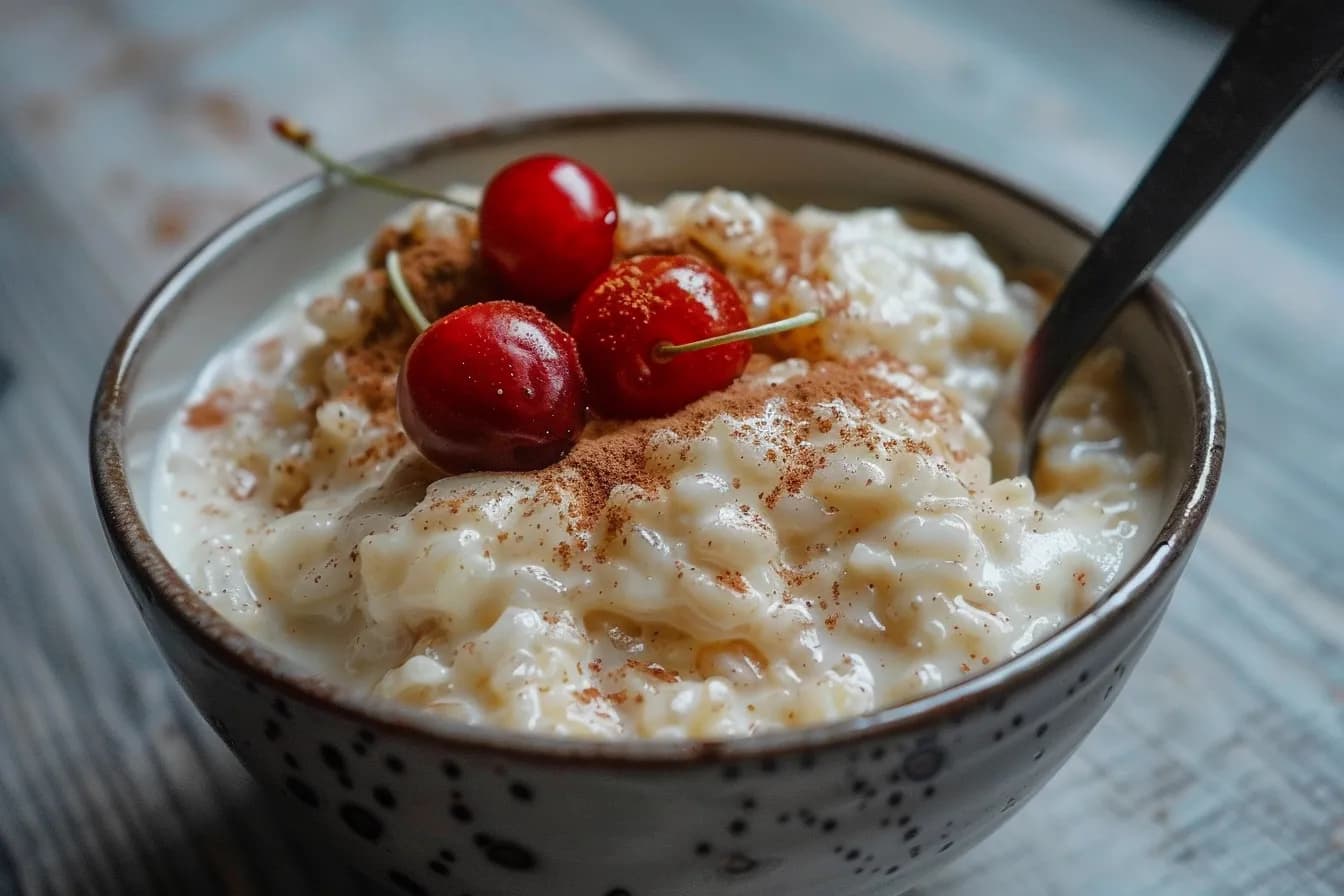
Rice Pudding
Creamy rice pudding that does not burn, and the explanation of why sugar only belongs at the end.
 Desserts
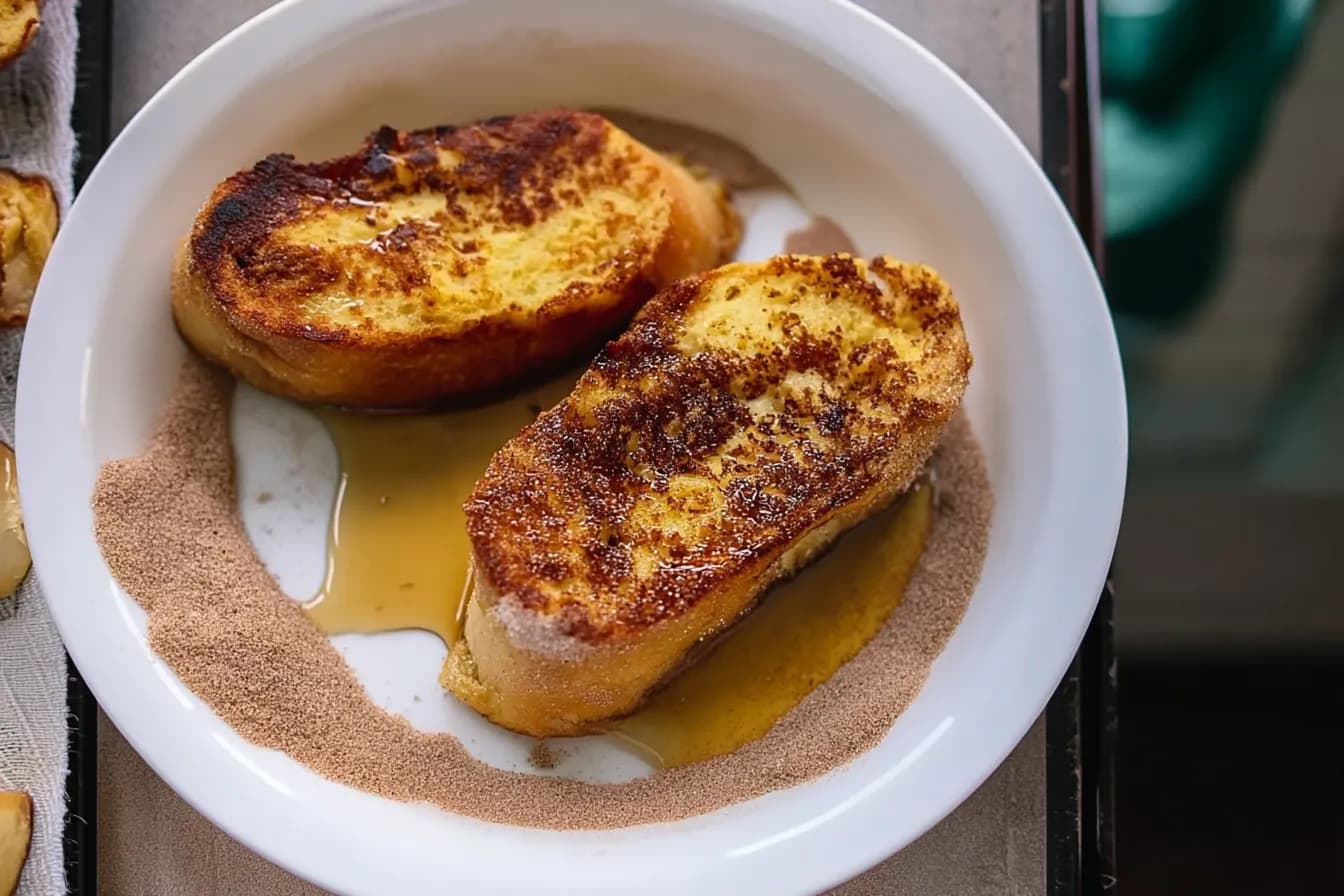
Torrijas
Spanish Easter toast in milk and wine, the French toast of Andalusia, and significantly better than its German relative.