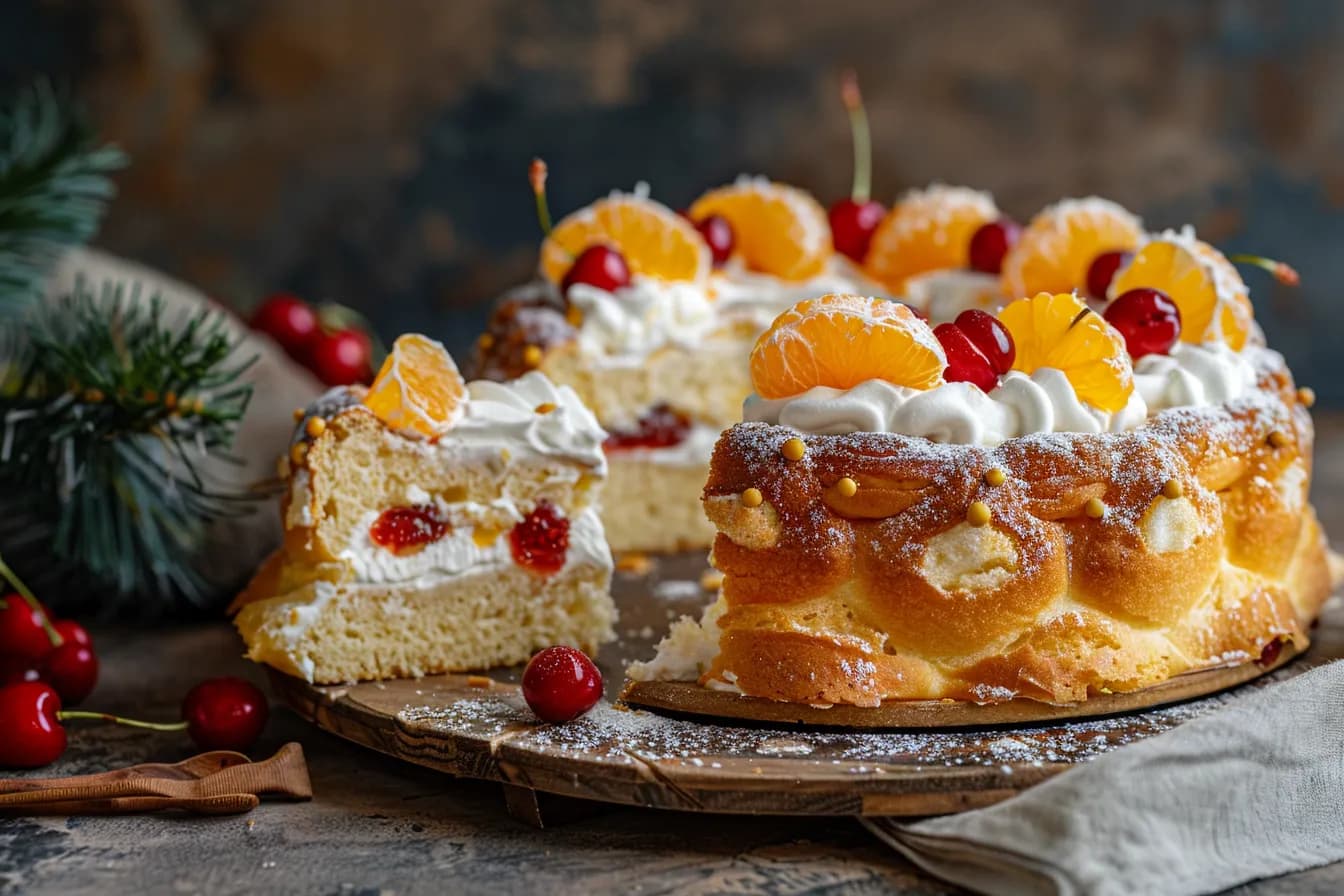
Roscón de Reyes
Spanish Epiphany wreath made of yeast dough with orange blossom water, the scent that defines January 6th in Spain.
- Preparation
- 40 min
- Cook/bake time
- 22 min
- Total
- 14 hr 2 min
- Difficulty
- Medium
- Calories
- 327 kcal
- Servings
- 12 slices
- Prep
- 40 min
- Cooking & baking
- 22 min
- Resting
- 13 hr
Only 1 hr 2 min of that is hands-on – the rest takes care of itself.
Spanish Epiphany wreath made of yeast dough with orange blossom water, the scent that defines January 6th in Spain. Unlike the French puff pastry cake for the same occasion, the Roscón is a soft yeast pastry topped with candied fruits representing the jewels of a crown. Two figures are hidden inside: one brings luck, the other pays for the cake.
Why this works
The scent of the Roscón is not created during baking but is added to it. Orange blossom water is a distillate whose aromatic compounds are volatile and only partially survive the heat. That is why it goes into the dough and not into a glaze on top, where it would evaporate. The second building block is the cold fermentation overnight. At eight degrees, the yeast continues to work at a much slower pace but still produces flavor precursors and organic acids. This is exactly what creates the depth that a yeast dough proofed in four hours never has. The crumb also becomes finer because slowly formed gas bubbles distribute more evenly than rapidly forced ones.
Step-by-step instructions
- 1
Knead the dough
Dissolve the yeast in the lukewarm milk and knead it with the flour, sugar, eggs, salt, orange blossom water, and zests for about eight minutes. Then add the soft butter in portions and continue kneading until the dough is shiny and pulls away from the sides of the bowl. This takes another ten minutes and feels wrong for a long time.
- 2
Let rise cold overnight
Cover the dough and place it in the refrigerator for ten to twelve hours. It rises slowly and develops exactly the aroma that distinguishes it from an ordinary braided yeast bread. A quick rise at room temperature results in a wreath that tastes of nothing but yeast.
- 3
Shape the wreath
Take out the cold dough, press it flat, and poke a hole in the middle with your fingers, carefully widening it to about 15 cm. The ring should look significantly larger than intended because the opening closes considerably during rising and baking. Now push the figures in from the bottom.
- 4
Let rise for two hours
Place the wreath on a baking sheet and let it rise covered at room temperature until it has visibly puffed up and is soft. Coming from the refrigerator, it needs about two hours for this. Only brush it afterward, otherwise you will press the air back out.
- 5
Top and bake
Brush the wreath with beaten egg yolk and distribute the candied orange peel, almonds, and pearl sugar on top. Bake it at 180 °C top/bottom heat for 20 to 22 minutes until golden brown. Cover it loosely with foil after twelve minutes if the topping darkens too quickly.
Our best tips
- Orange blossom water can be found in well-stocked supermarkets, Middle Eastern stores, and pharmacies. It cannot be replaced by orange juice. The juice brings acidity and water, but not a single one of the aromatic compounds.
- In Spain, the Roscón is sliced horizontally and filled with whipped cream. This is not a variation but the rule. Unfilled, many consider it half a cake.
- Traditionally, there are two surprises hidden inside: a figure brings luck, a dried bean obliges you to pay for the cake. Wrap both in parchment paper and insert them from the bottom.
Tasty variations
With cream filling
Slice the cooled wreath horizontally and fill it with 400 ml of stiffly whipped cream. The standard Spanish version. Then store it in a cool place and eat it on the same day.
Without candied fruits
Instead of candied orange peel, use only almonds and pearl sugar. It looks simpler and is much more popular with children because the candied orange peel is the most common point of contention at the table.
What is left over?
This recipe only uses the yolks. The whites keep for three days in the fridge and freeze well – nobody has to throw them out.
Nutrition facts
| Calories | 327 kcal |
|---|---|
| Protein | 7 g |
| Carbohydrates | 50 g |
| – of which sugar | 19 g |
| Fat | 11 g |
| Fiber | 2 g |
Where the 327 kcal come from
per serving
Calculated from the ingredients – how we do it
We add up reference values for every ingredient and divide by the number of servings. These assumptions are baked in:
- Reference values per 100 g – for the raw ingredient, exactly as listed.
- Tinned goods count at drained weight, bone-in meat at purchase weight: you eat about 70 per cent of a chicken thigh and leave the rest.
- Water evaporates as you cook. The energy stays in the pot, the weight does not – so the figure is per serving, not per 100 g of finished dish.
- Anything listed without a quantity – “salt and pepper” – is not counted.
A guide value, not a lab measurement: no two onions weigh the same, and fat content varies from pack to pack.
Frequently asked questions
How many calories does a slice of Roscón have?
About 325 kcal per slice for twelve slices, unfilled. With the cream filling common in Spain, add about 120 kcal per slice.
Can I leave out the orange blossom water?
You can, but then it is no longer a Roscón, just a yeast wreath. The scent is the hallmark of this pastry. If there were only one ingredient to get, it would be this one.
Why does the hole in the middle close?
Because yeast dough expands in all directions when rising, including inward. That is why the opening is shaped significantly larger from the start than it should be at the end. 15 centimeters looks exaggerated and is correct.
What is the difference to the Galette des Rois?
The same occasion, two completely different cakes. The French one is a puff pastry cake with almond cream, the Spanish one a soft yeast wreath with orange blossom aroma. What they have in common is the hidden figure.
Comments & ratings(0)
Sign in to rate and comment on this recipe.
You might also like
 Cakes & Pastries
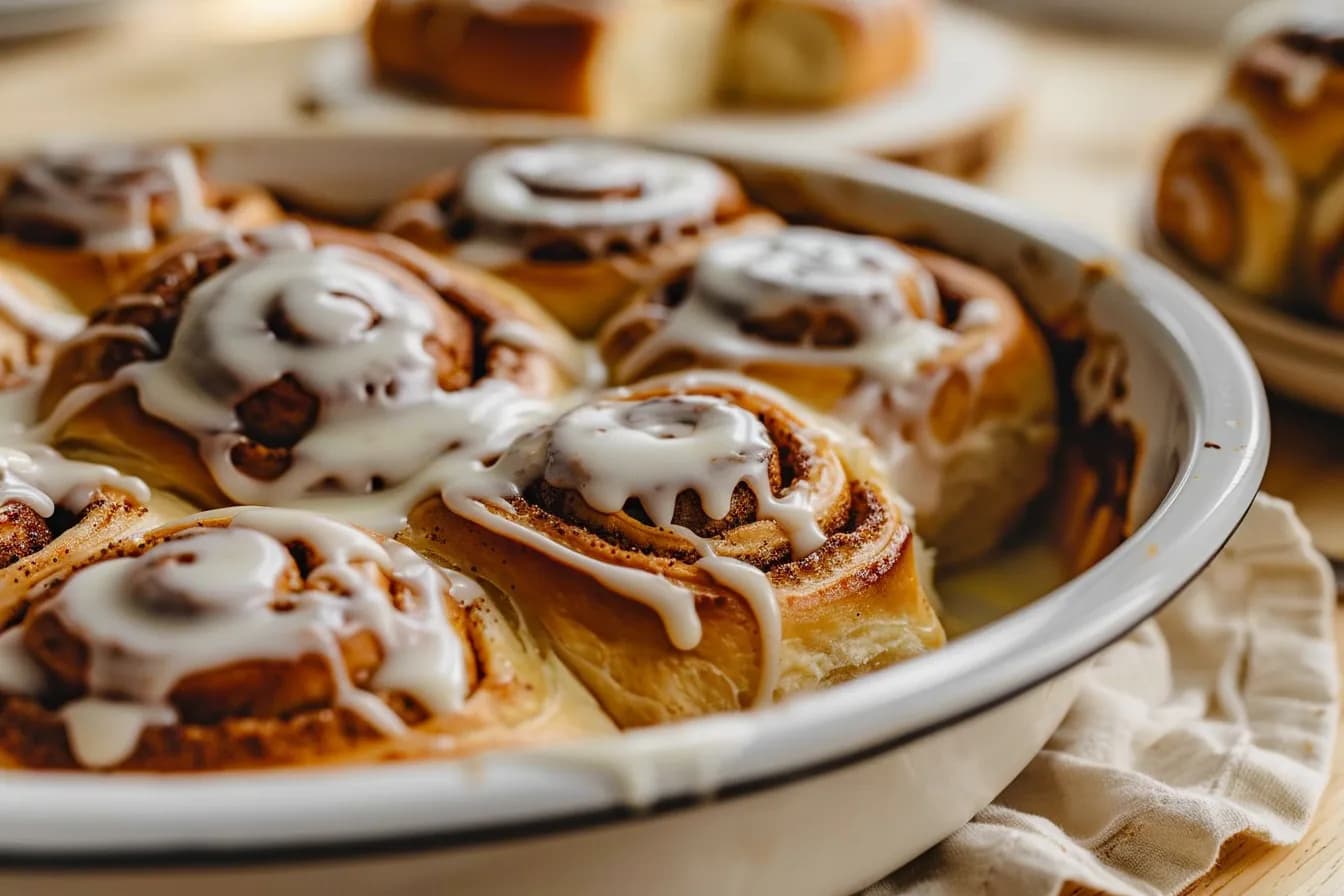
Cinnamon Rolls
Soft yeast rolls with a cinnamon filling under a thick layer of flowing cream cheese frosting.
 Desserts
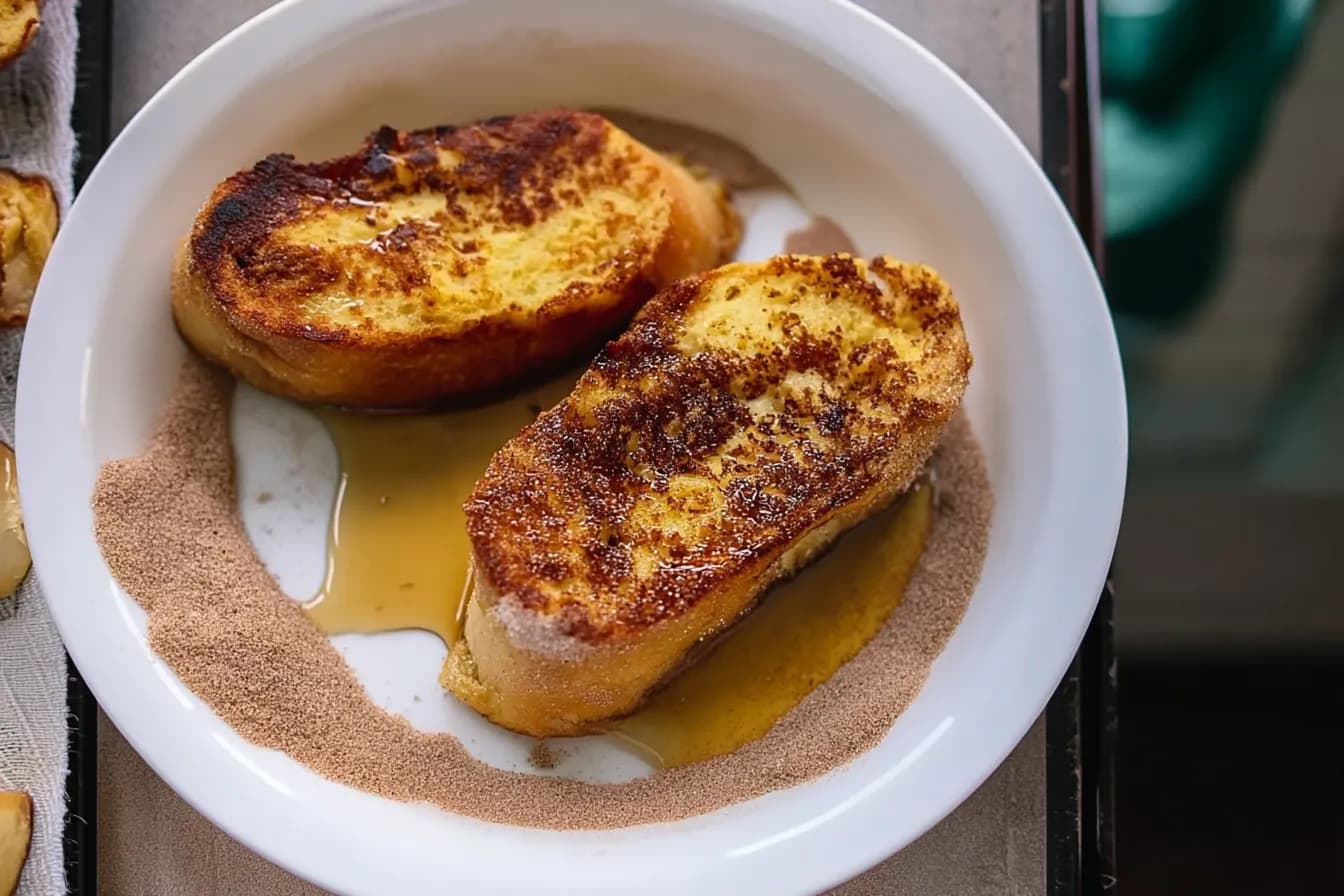
Torrijas
Spanish Easter toast in milk and wine, the French toast of Andalusia, and significantly better than its German relative.
 Desserts
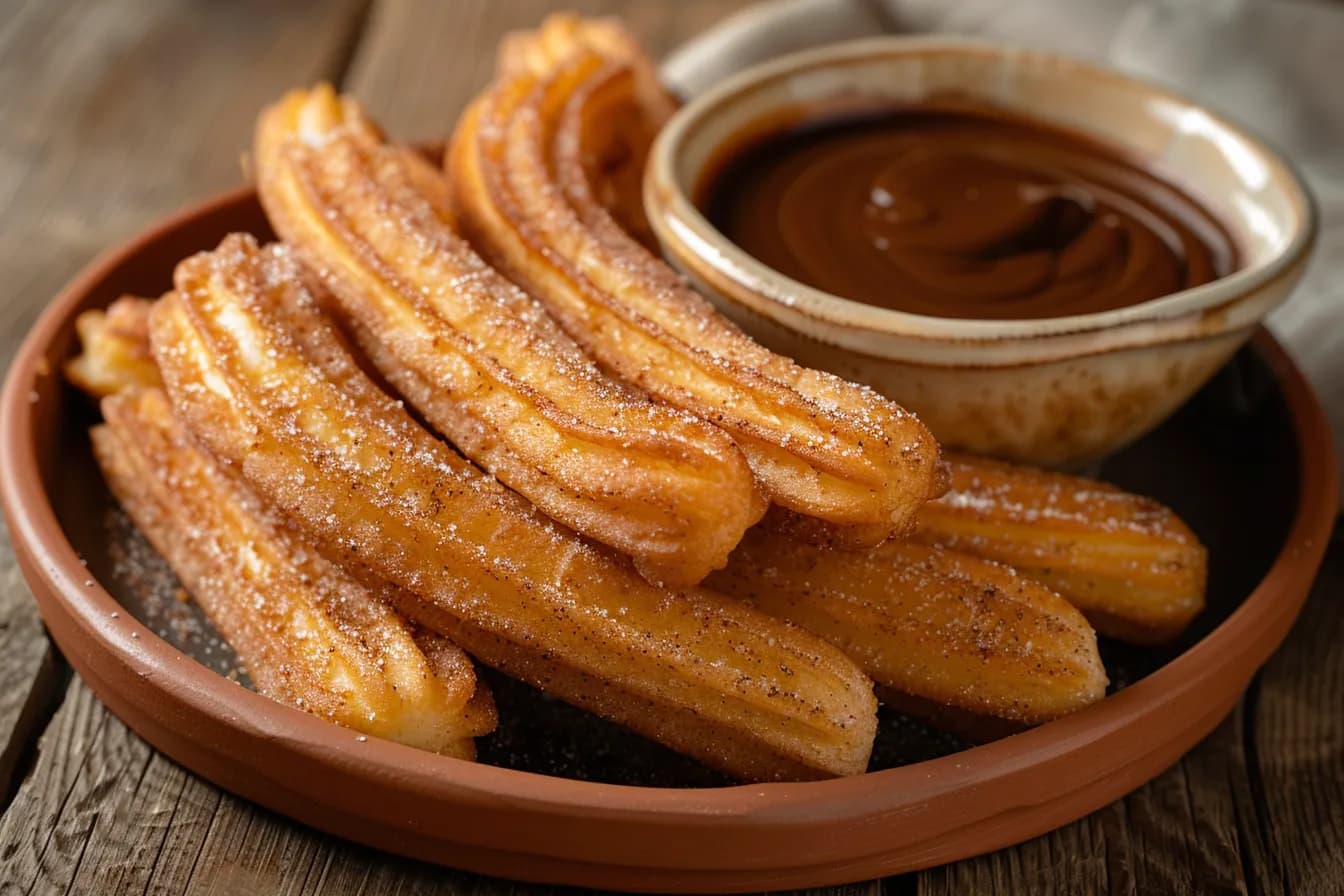
Churros with Chocolate Sauce
Fluted piped pastries made from choux pastry, rolled in cinnamon sugar and served with thick chocolate sauce.