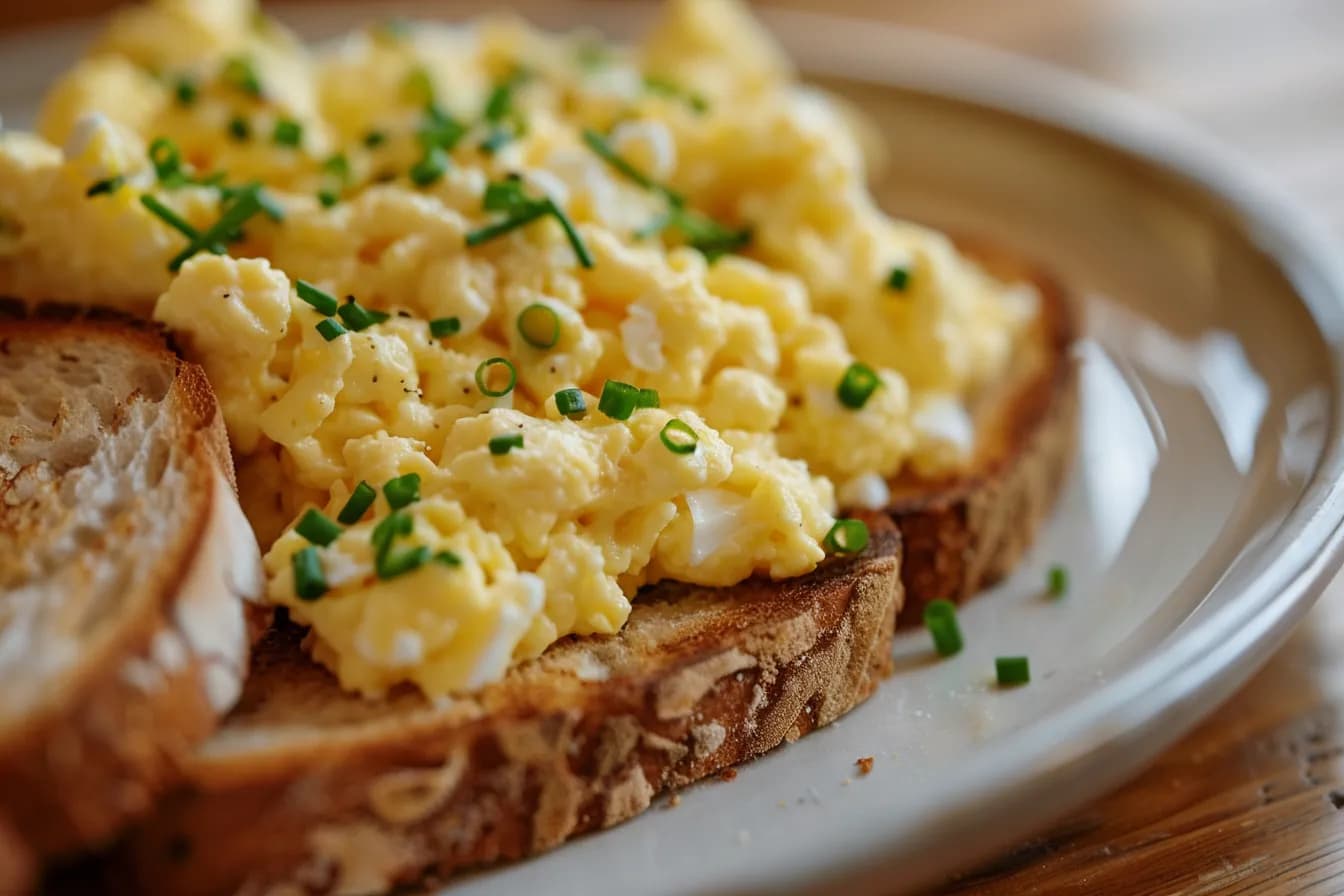
Creamy Scrambled Eggs
Soft, glossy egg curds, stirred slowly over low heat and served on toast.
- Preparation
- 5 min
- Cook/bake time
- 10 min
- Total
- 15 min
- Difficulty
- Easy
- Calories
- 543 kcal
- Servings
- 2
- Prep
- 5 min
- Cooking & baking
- 10 min
Soft, glossy egg curds, stirred slowly over low heat and served on toast. Salt is added only at the end, because salting beforehand draws water out of the egg and makes it watery and firm. Five minutes of patience transform three eggs into a restaurant-quality breakfast.
Why this works
Salt breaks down into ions that shield the electrical charges of the protein molecules. Without this repulsion, the proteins come together earlier and cross-link more tightly. Salted eggs coagulate at a lower temperature and squeeze out water in the process, which ends up as a puddle in the pan. Salted at the end, the structure remains loose, and the salt even tastes more present because it sits on the surface.
Step-by-step instructions
- 1
Crack the eggs
Crack the eggs directly into a cold saucepan, add the diced butter and whisk everything roughly with a rubber spatula. Salt is deliberately omitted at this stage, because it draws water out of the egg whites even before cooking and makes the scrambled eggs watery and lumpy later on.
- 2
Heat slowly
Place the saucepan over medium to low heat and stir continuously with the spatula, making sure to scrape the sides and bottom. Nothing seems to happen for the first two minutes, which is normal. The cold butter melts slowly and keeps the temperature low.
- 3
Remove from heat
As soon as the first curds form and the mixture begins to thicken, remove the saucepan from the heat for ten seconds and continue stirring. Then put it back. Repeat this back and forth several times to cook the eggs gently without ever overheating them.
- 4
Hit the right consistency
Remove the scrambled eggs from the heat for good when they still look significantly softer than you want to serve them, because they will continue to cook noticeably in the hot pan. They should have a creamy shine and fall from the spatula in soft curds, not crumble dryly.
- 5
Season and serve
Stir in the cream, which stops the cooking process and makes the scrambled eggs extra creamy. Only now do you add salt and pepper. Toast the bread, spread the scrambled eggs on top and sprinkle with chives. Serve immediately, as scrambled eggs wait for no one.
Our best tips
- Salt only at the end. This is the most important and most frequently ignored point.
- Add cold butter with the eggs to the cold saucepan, as it regulates the temperature on its own.
- Remove from the heat while it still looks too soft. Carryover cooking is factored in.
Tasty variations
With cream cheese
Stir in two tablespoons of cream cheese instead of cream, which makes it particularly creamy and slightly tangy.
With salmon
Fold in strips of smoked salmon and dill at the end for a brunch classic.
Nutrition facts
| Calories | 543 kcal |
|---|---|
| Protein | 26 g |
| Carbohydrates | 31 g |
| – of which sugar | 5 g |
| Fat | 34 g |
| Fiber | 2 g |
Where the 543 kcal come from
per serving
Calculated from the ingredients – how we do it
We add up reference values for every ingredient and divide by the number of servings. These assumptions are baked in:
- Reference values per 100 g – for the raw ingredient, exactly as listed.
- Tinned goods count at drained weight, bone-in meat at purchase weight: you eat about 70 per cent of a chicken thigh and leave the rest.
- Water evaporates as you cook. The energy stays in the pot, the weight does not – so the figure is per serving, not per 100 g of finished dish.
- Anything listed without a quantity – “salt and pepper” – is not counted.
A guide value, not a lab measurement: no two onions weigh the same, and fat content varies from pack to pack.
Frequently asked questions
Why are my scrambled eggs watery?
They were salted too early or cooked too hot. Both squeeze liquid out of the egg whites, which then collects at the bottom of the plate.
Pan or saucepan?
A saucepan is better because the heat is distributed more evenly and you can stir at the edges without anything burning.
Milk, cream or nothing?
Cream at the end makes it creamy without watering it down. Milk before cooking tends to dilute it. It also works completely without, in which case the butter is all the more important.
Comments & ratings(0)
Sign in to rate and comment on this recipe.
You might also like
 Breakfast
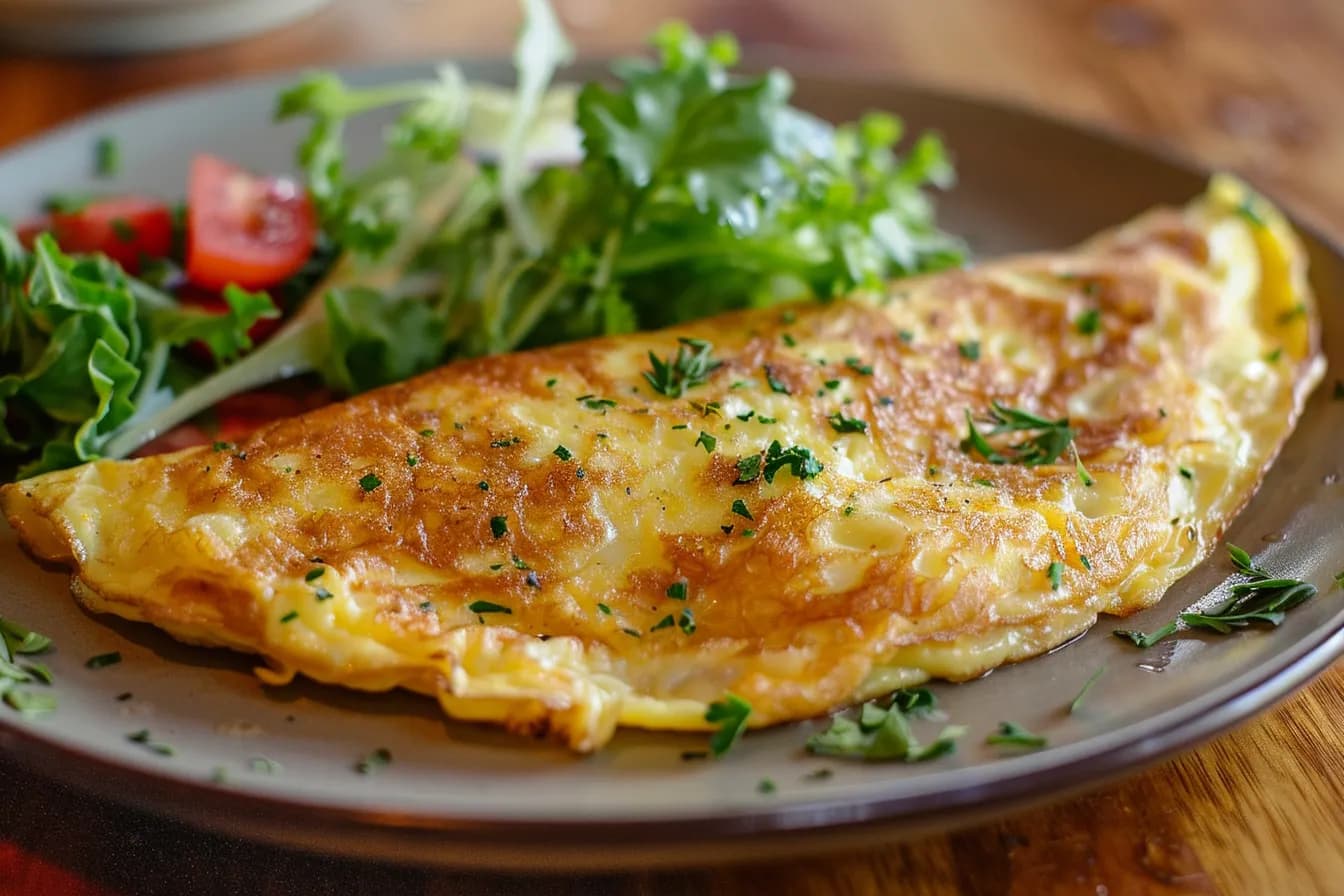
Fluffy Omelette
Gently set omelette with cheese and herbs, pale yellow on the outside and still creamy on the inside.
 Breakfast
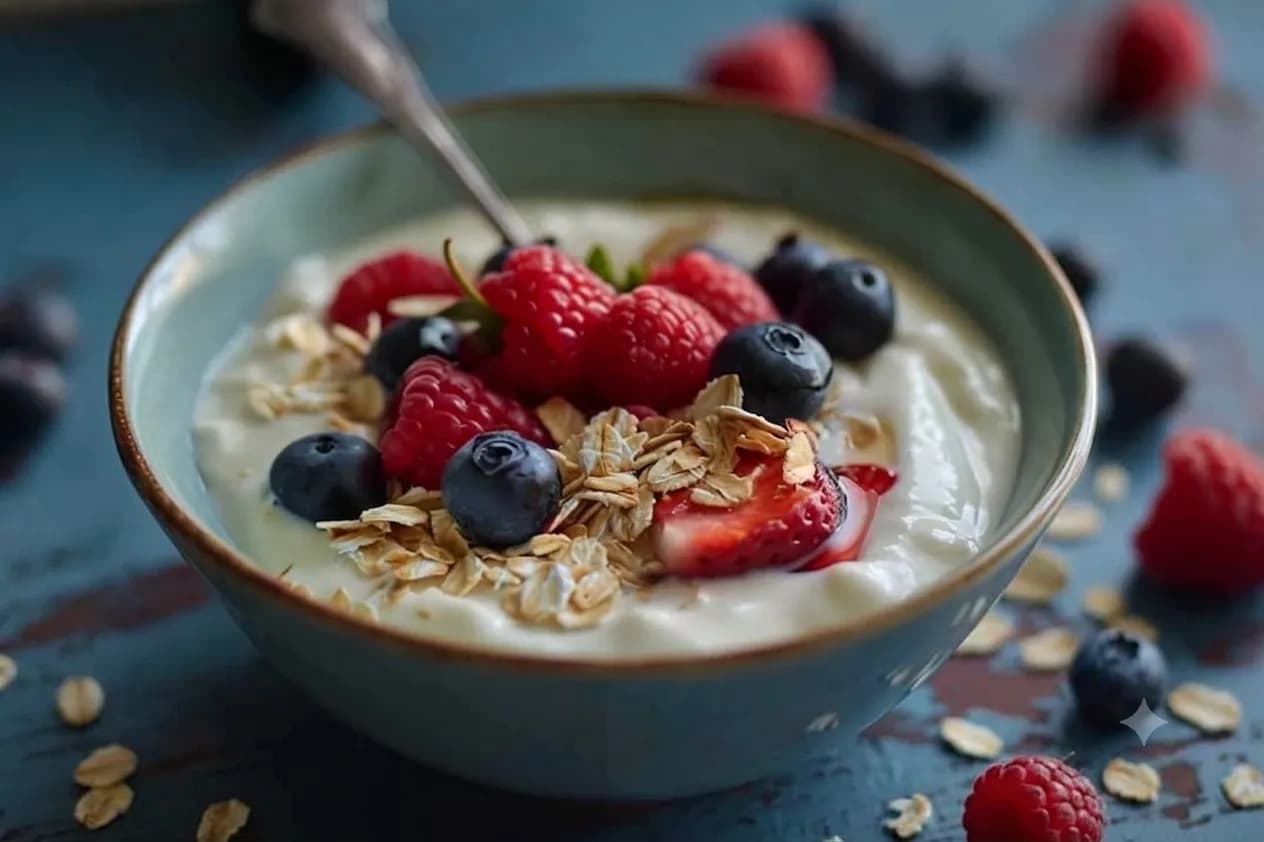
Skyr Bowl
Icelandic Skyr with berries, nuts and honey: 25 grams of protein in a bowl that is ready in four minutes.
 Breakfast
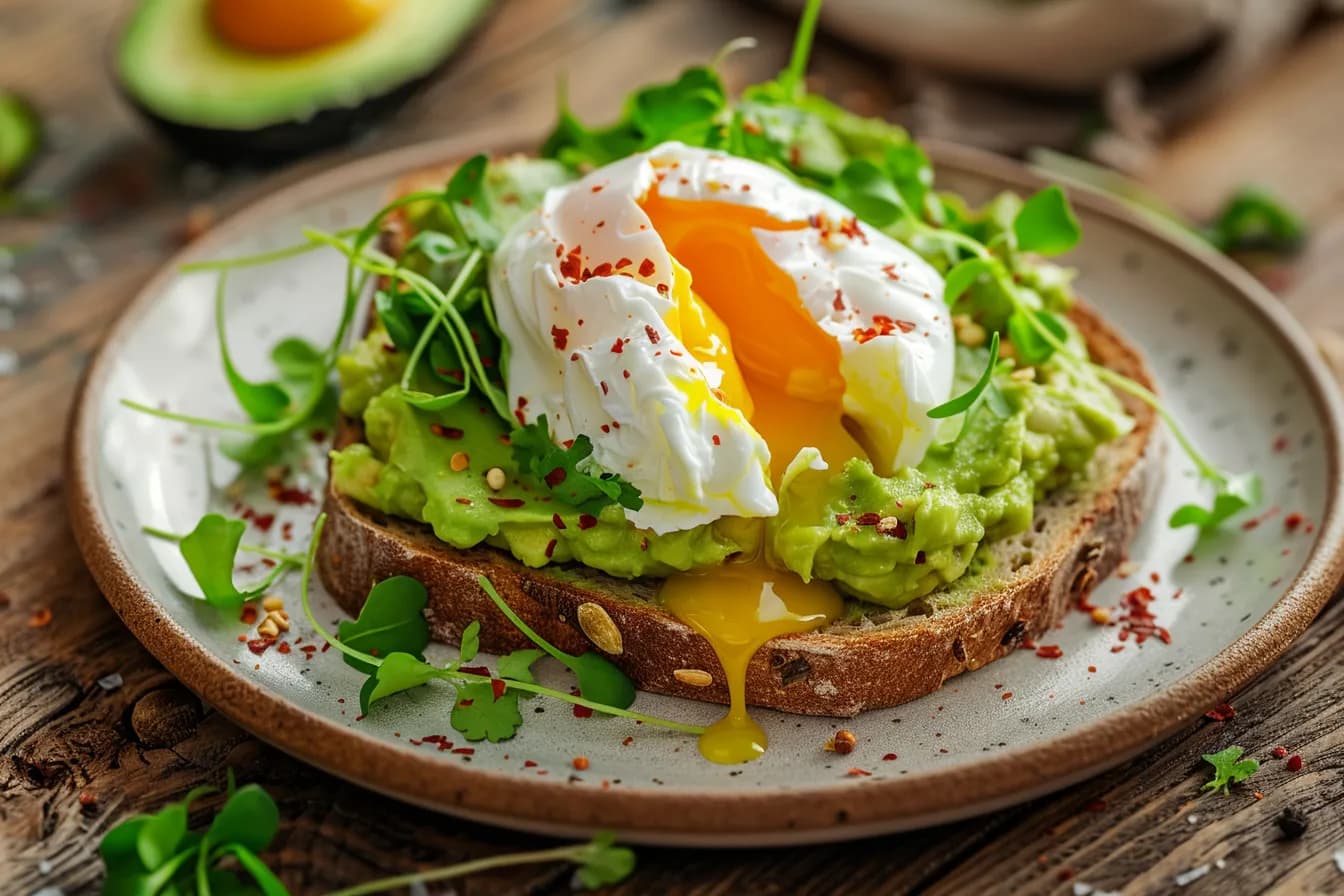
Avocado Toast with Poached Egg
Creamy avocado on toasted sourdough, topped with a runny poached egg.