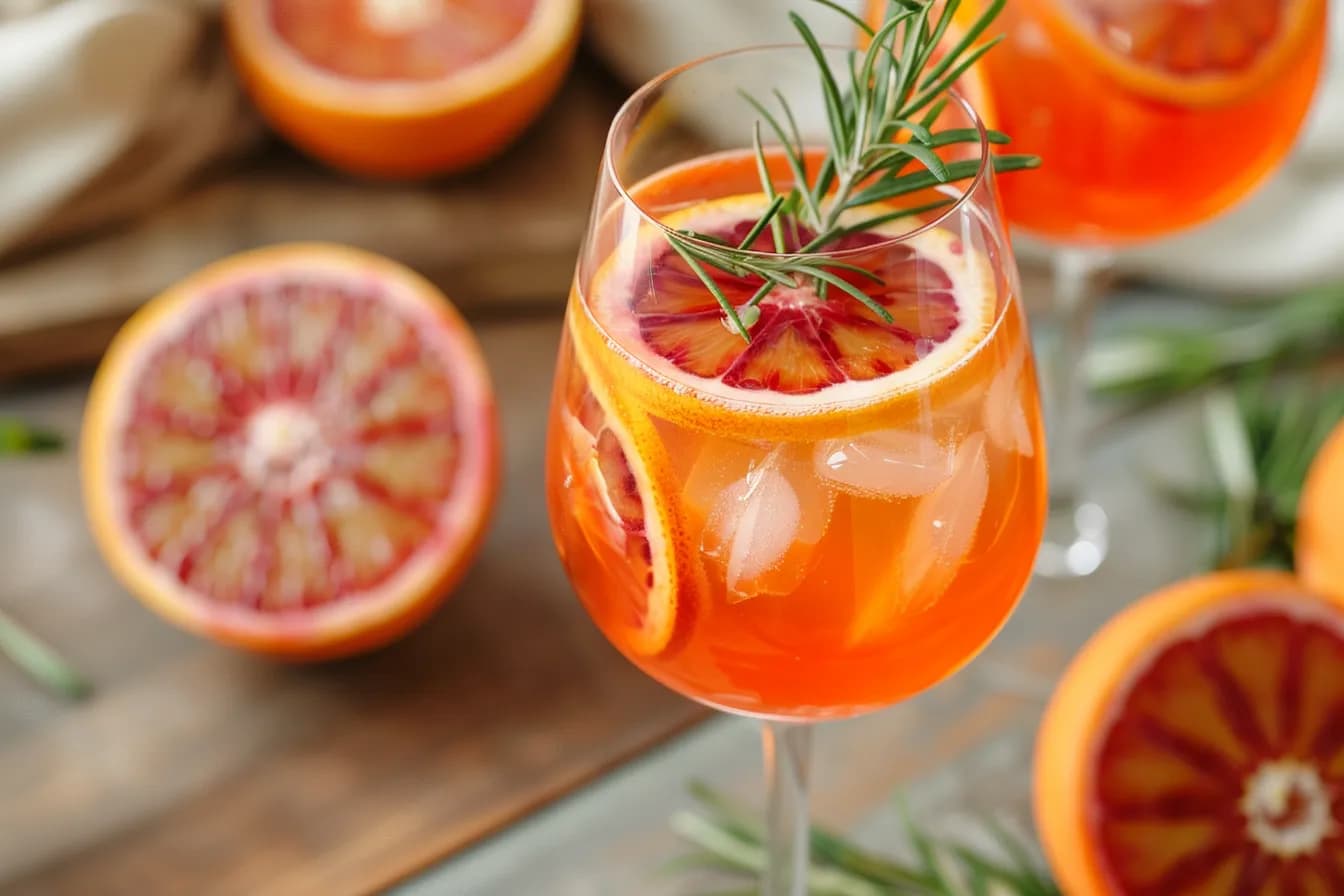
Aperitivo for the cold season: blood orange, rosemary, and Aperol, deep red instead of summery orange. Blood oranges are in season from December to March, exactly when nobody is thinking about a spritz anymore, and that is exactly where the charm lies. The rosemary brings a resinous warmth that makes the drink wintery without making it heavy.
Why this works
Blood oranges owe their color to anthocyanins, the same plant pigments that also color red cabbage and blueberries, and they only form them when the nights are cold enough. That is why they are only available in winter and why they taste more tart and less sweet than ordinary oranges, which is the real point here: Aperol already brings plenty of sugar, a normal orange would amplify that, the blood orange counters it. The rosemary works in a different way. Its main flavor compounds are terpenes, chemically closely related to those of citrus peel, which is why it does not feel out of place, but extends the orange note backwards and gives it a resinous depth.
Step-by-step instructions
- 1
Wake up the rosemary
Clap the rosemary sprig once briefly between your palms. The oil glands on the needles burst open and release their aroma without tearing the needles. Crushed rosemary, on the other hand, releases bitter substances and smells like a roast instead of an aperitif, the same applies here as with mint.
- 2
Build the glass
Fill a large wine glass three quarters full with large ice cubes and place the rosemary sprig between the cubes on the edge so that it stands upright. This way it sits above the liquid and adds its scent to every sip, instead of just lying in the drink.
- 3
Juice, Prosecco, Aperol
First pour in the blood orange juice, then the ice cold Prosecco along the edge of the glass, and finally the Aperol slowly. The Aperol is the heaviest component and sinks, which mixes the drink by itself and creates a color gradient from deep red to orange.
- 4
Garnish and serve
Place the blood orange slice on the edge of the glass or let it slide in and serve immediately. Unlike the summer spritz, this drink does not need a splash of soda: the blood orange juice already takes over the stretching and brings additional acidity.
Our best tips
- Blood oranges are best from December to March. Outside the season, it is better to switch to a normal orange plus a splash of lemon juice than to resort to colored juice.
- The juice must be freshly squeezed. Blood orange juice from the pack is usually pasteurized and loses the fine berry notes that make up the charm.
- For a warmer version, do not pre-chill the glass and use a little less ice. At just under room temperature, the rosemary and spice notes become more pronounced.
Tasty variations
With Campari
Replace Aperol with Campari. Significantly more tart, and the bitterness goes perfectly with the acidity of the blood orange, the most wintery version of all.
Non-alcoholic
Non-alcoholic aperitivo bitter and non-alcoholic sparkling wine, plus an extra splash of lemon juice. The blood orange juice carries the version better than any summer spritz.
Nutrition facts
| Calories | 201 kcal |
|---|---|
| Protein | 1 g |
| Carbohydrates | 25 g |
| – of which sugar | 22 g |
| Fat | 0 g |
| Fiber | 2 g |
Where the 201 kcal come from
per serving
Calculated from the ingredients – how we do it
We add up reference values for every ingredient and divide by the number of servings. These assumptions are baked in:
- Reference values per 100 g – for the raw ingredient, exactly as listed.
- Tinned goods count at drained weight, bone-in meat at purchase weight: you eat about 70 per cent of a chicken thigh and leave the rest.
- Water evaporates as you cook. The energy stays in the pot, the weight does not – so the figure is per serving, not per 100 g of finished dish.
- Anything listed without a quantity – “salt and pepper” – is not counted.
A guide value, not a lab measurement: no two onions weigh the same, and fat content varies from pack to pack.
Frequently asked questions
When are blood oranges in season?
From December to March, peaking in January and February. The red color only develops during cold nights, which is why they are simply not available in good quality outside these months.
How many calories does a winter spritz have?
About 200 kcal per glass and thus around 25 kcal more than a classic Aperol Spritz. The reason is the blood orange juice: it stands in place of the calorie-free soda water.
Can I use normal orange juice?
Yes, but then the drink will be significantly sweeter and lose the tart berry note. A splash of lemon juice largely compensates for this.
Why no soda water?
The blood orange juice takes over the task of stretching here and brings additional acidity. If you like the drink lighter, you can still add 20 milliliters of soda.
Comments & ratings(0)
Sign in to rate and comment on this recipe.
You might also like
 Drinks
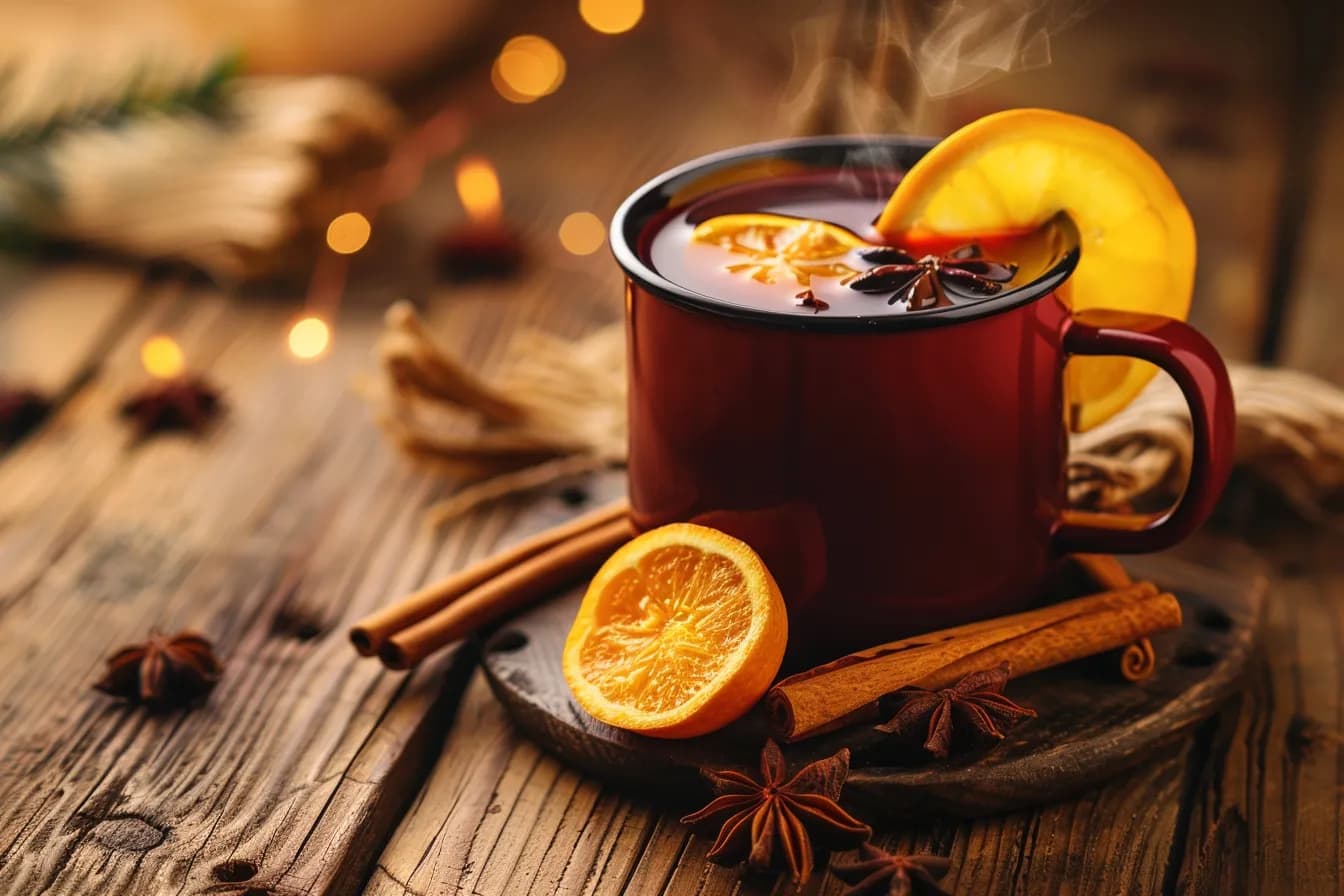
Mulled Wine
Red wine with cinnamon, clove and orange, steeped at 75 degrees and never boiled.
 Cocktails
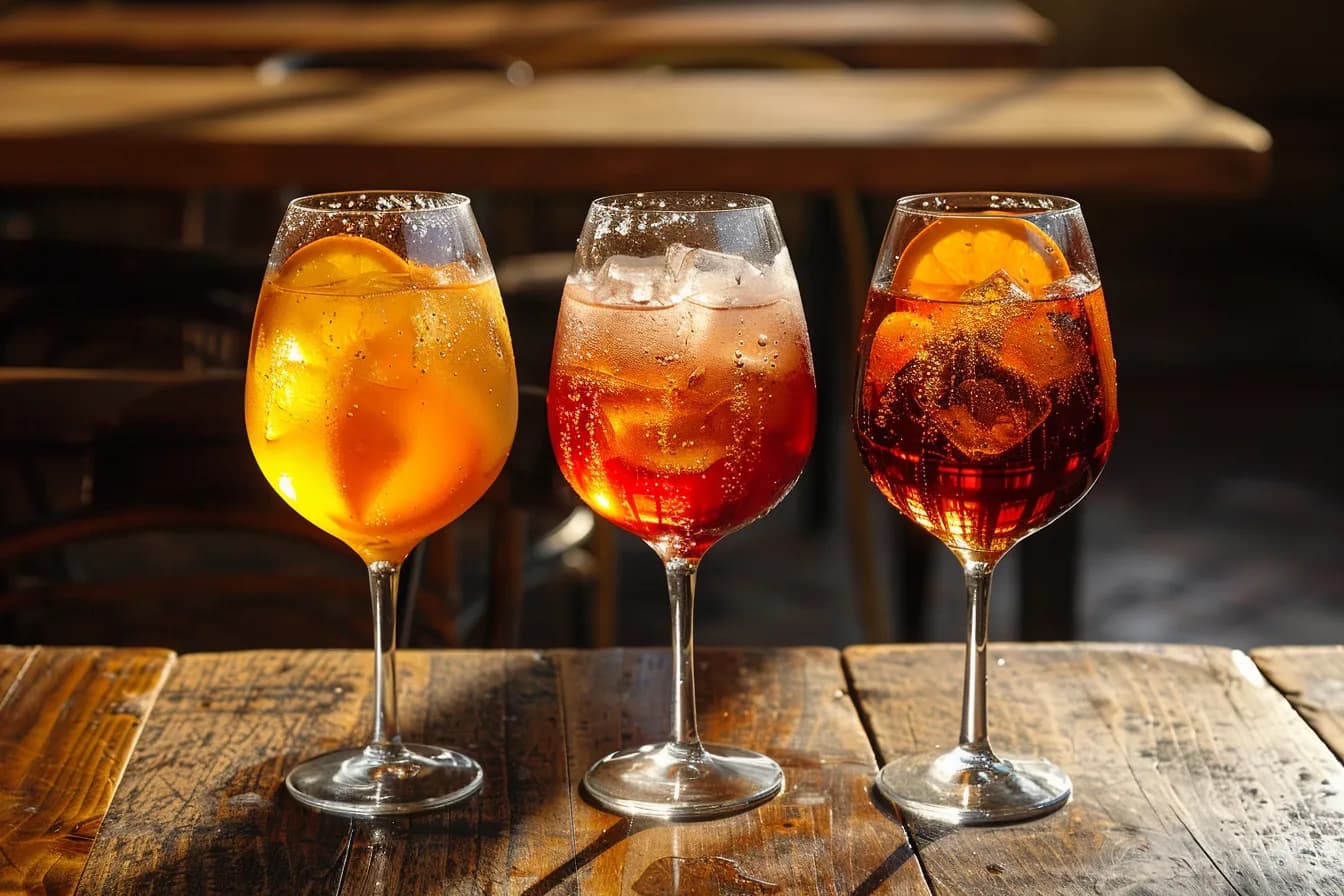
Homemade Spritz
Bitter, sparkling wine, soda, three building blocks, and one recipe turns into all the Spritz variations on the Italian aperitivo menu.
 Cocktails
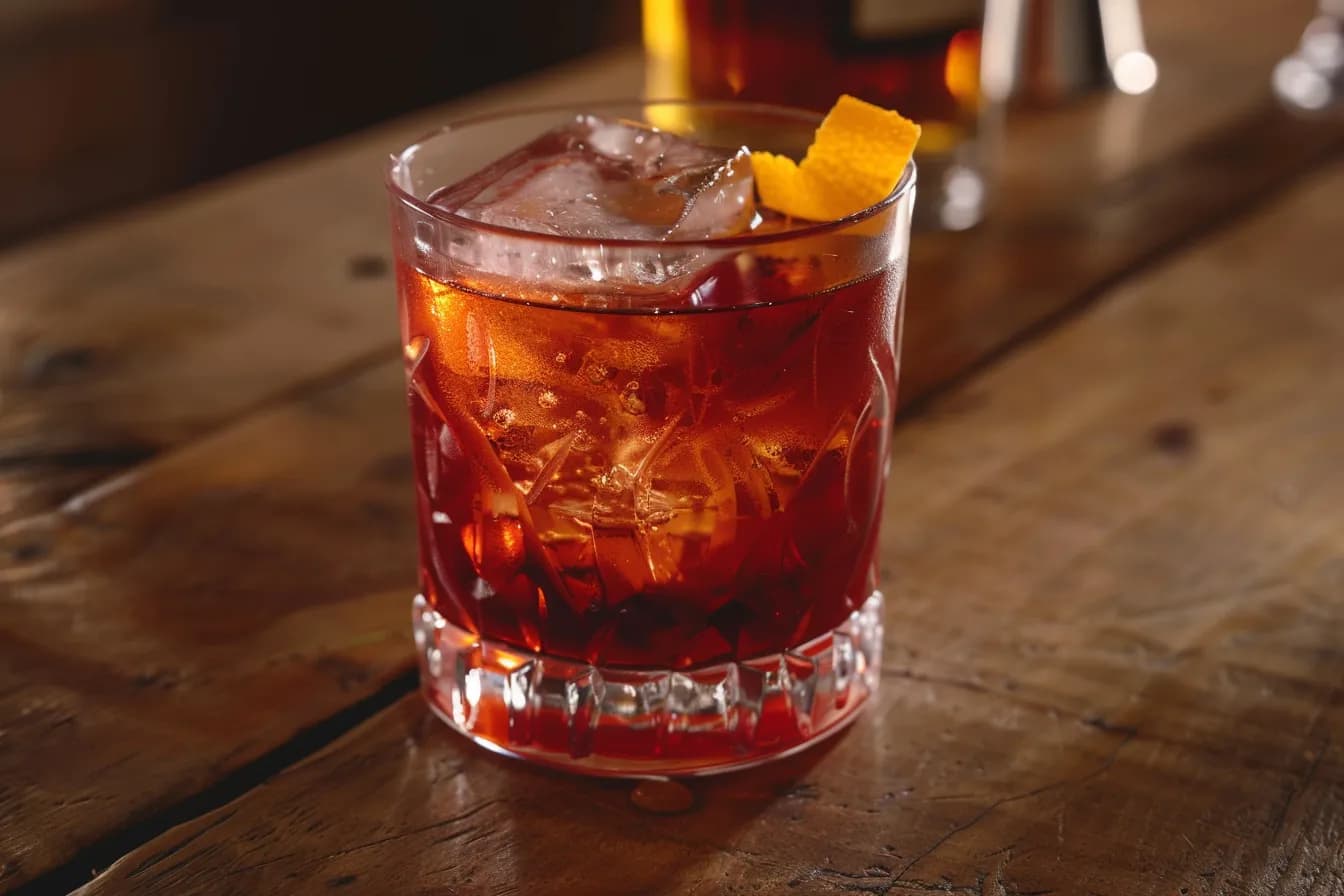
Negroni Sbagliato
The "mistaken" Negroni: Prosecco goes into the glass instead of gin, turning the heavy classic into an aperitif.