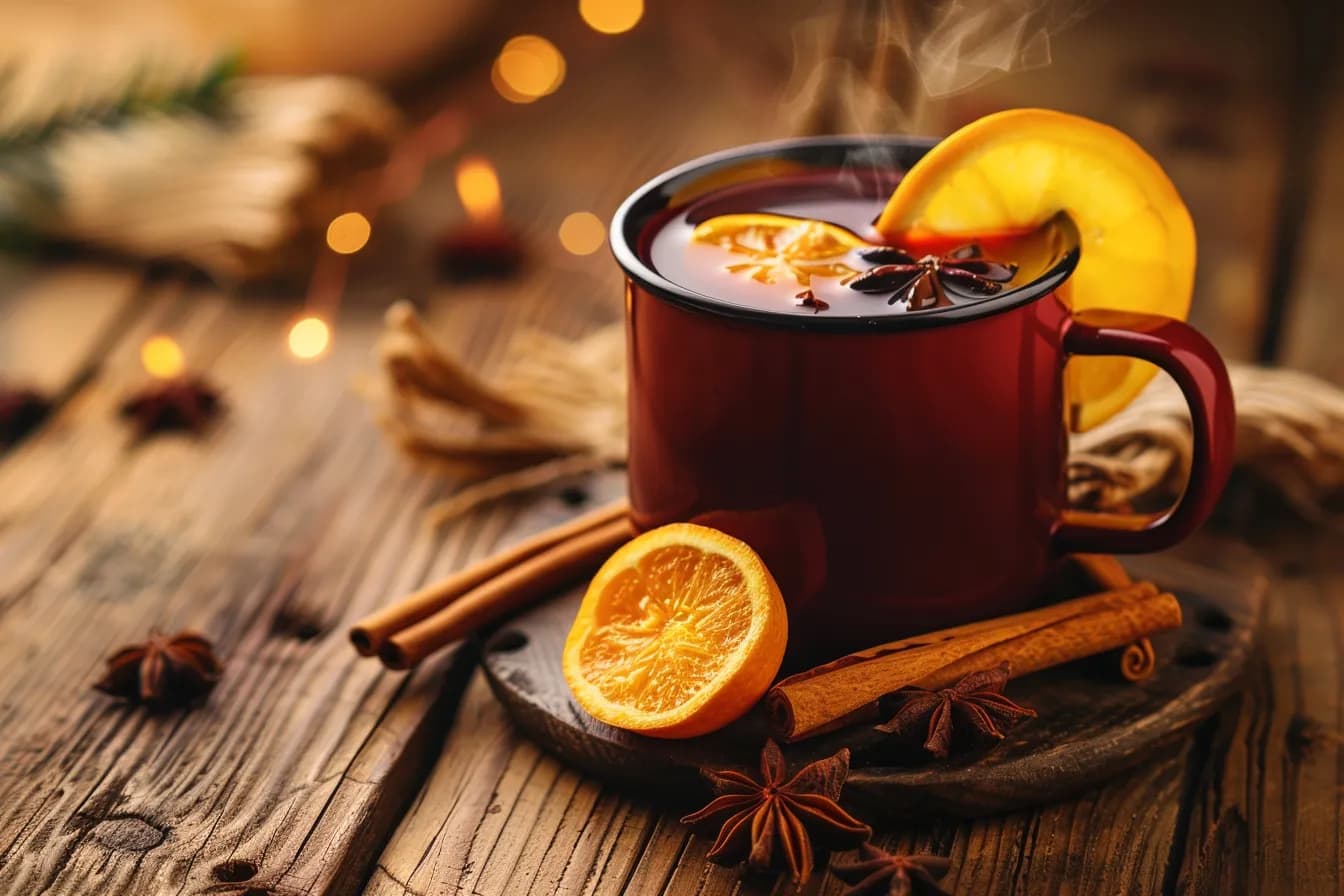
Red wine with cinnamon, clove and orange, steeped at 75 degrees and never boiled. Alcohol boils at 78 degrees, and above 80 degrees bitter substances increasingly dissolve from peels and spices. If the wine boils, it loses both at once. The spices need time instead of heat.
Why this works
The wine must not boil, and for two reasons. Alcohol boils at 78 °C and evaporates, and above about 80 °C bitter substances increasingly dissolve from fruit peels and spices. Boiled mulled wine is therefore simultaneously weaker and more bitter. 70 to 75 °C is the goal: hot enough to drink, cool enough to retain alcohol and aroma. The spices need time instead of temperature for this, their oil-soluble aromatic substances pass into the warm wine over twenty minutes. And the citrus peel goes in without the white pith, because that is where the bitter substances sit.
Step-by-step instructions
- 1
Peel the citrus peel
Peel the peel from the orange and lemon in wide strips with a vegetable peeler and make sure to take as little white pith as possible. That is where the bitter substances sit, which make the mulled wine inedible after a longer steeping time. Squeeze the orange.
- 2
Prepare the spices
Pour the wine into a pot and add cinnamon, cloves, star anise, cardamom, the citrus peels, the orange juice and, if desired, the vanilla bean. Do not stir in the sugar yet. First the wine steeps the spices, then it is sweetened.
- 3
Heat to 75 degrees
Heat the wine over low heat to 70 to 75 °C. This is the point where small bubbles form at the edge and the surface steams slightly, but nothing bubbles. With a thermometer it is not a guess. Without one, as soon as you see steam, turn it down immediately.
- 4
Let steep for twenty minutes
Keep the wine at this temperature for twenty minutes without letting it boil. During this time, the spice oils pass into the wine. You should not let it steep for longer than thirty minutes, then the bitter substances from the peels and cloves take over.
- 5
Sweeten and serve
Take out the spices and peels, stir in sugar or honey and taste. A dry wine usually needs the full amount, a fruity one significantly less. Serve the mulled wine in pre-warmed glasses or cups with a fresh orange slice.
Our best tips
- Never boil. The alcohol evaporates from 78 °C and the spices become bitter. 75 °C is the upper limit.
- First steep, then sweeten. This way you taste what is actually in the glass, instead of guessing beforehand.
- No cheap wine, but no good one either. A simple, fruity drinking wine for six to eight euros is exactly right.
Tasty variations
White Mulled Wine
Replace red wine with a dry white wine and reduce the cloves to two. Ginger slices and apple juice instead of orange juice go well with this.
Alcohol-free
Use red grape juice with the juice of one orange and a dash of lemon, then only 20 g sugar. Same spices, same temperature, half the steeping time.
Nutrition facts
| Calories | 204 kcal |
|---|---|
| Protein | 1 g |
| Carbohydrates | 18 g |
| – of which sugar | 14 g |
| Fat | 0 g |
| Fiber | 2 g |
Where the 204 kcal come from
per serving
Calculated from the ingredients – how we do it
We add up reference values for every ingredient and divide by the number of servings. These assumptions are baked in:
- Reference values per 100 g – for the raw ingredient, exactly as listed.
- Tinned goods count at drained weight, bone-in meat at purchase weight: you eat about 70 per cent of a chicken thigh and leave the rest.
- Water evaporates as you cook. The energy stays in the pot, the weight does not – so the figure is per serving, not per 100 g of finished dish.
- Anything listed without a quantity – “salt and pepper” – is not counted.
A guide value, not a lab measurement: no two onions weigh the same, and fat content varies from pack to pack.
Frequently asked questions
Which wine is suitable?
A dry, fruity red wine without much wood and tannin: Pinot Noir, Merlot or a simple Dornfelder. Tannin-rich wines become unpleasantly tart when heated.
Can I prepare mulled wine in advance?
Yes, prepare it, let it steep and refrigerate it for up to three days. Bring it back to 75 °C to serve. Make sure that it does not boil when reheated.
Why does my mulled wine taste bitter?
Either there was too much white pith on the citrus peels, or it steeped or boiled for too long. Cloves become dominant particularly quickly.
Comments & ratings(0)
Sign in to rate and comment on this recipe.
You might also like
 Cocktails
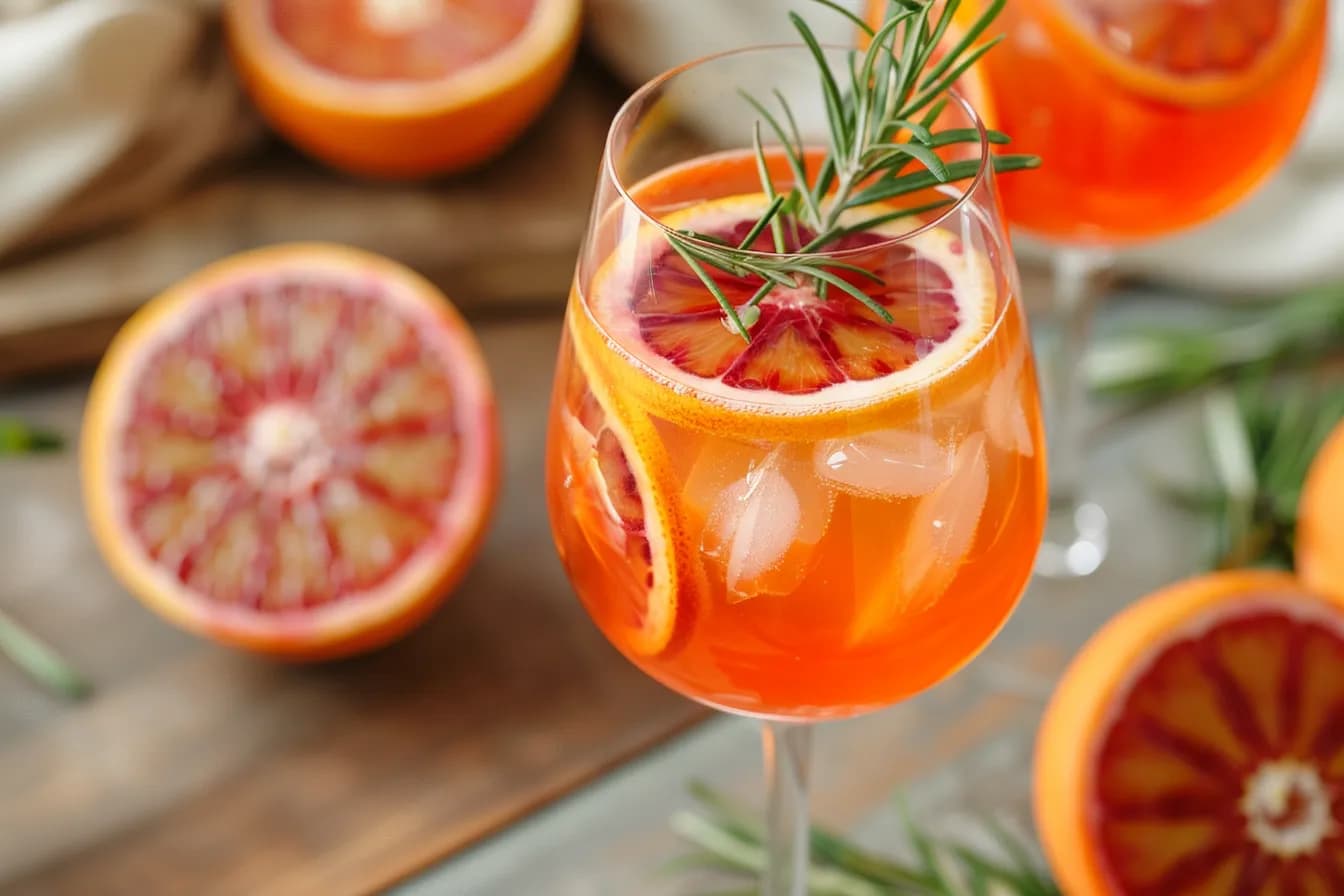
Winter Spritz with Blood Orange
Aperitivo for the cold season: blood orange, rosemary, and Aperol, deep red instead of summery orange.
 Cakes & Pastries
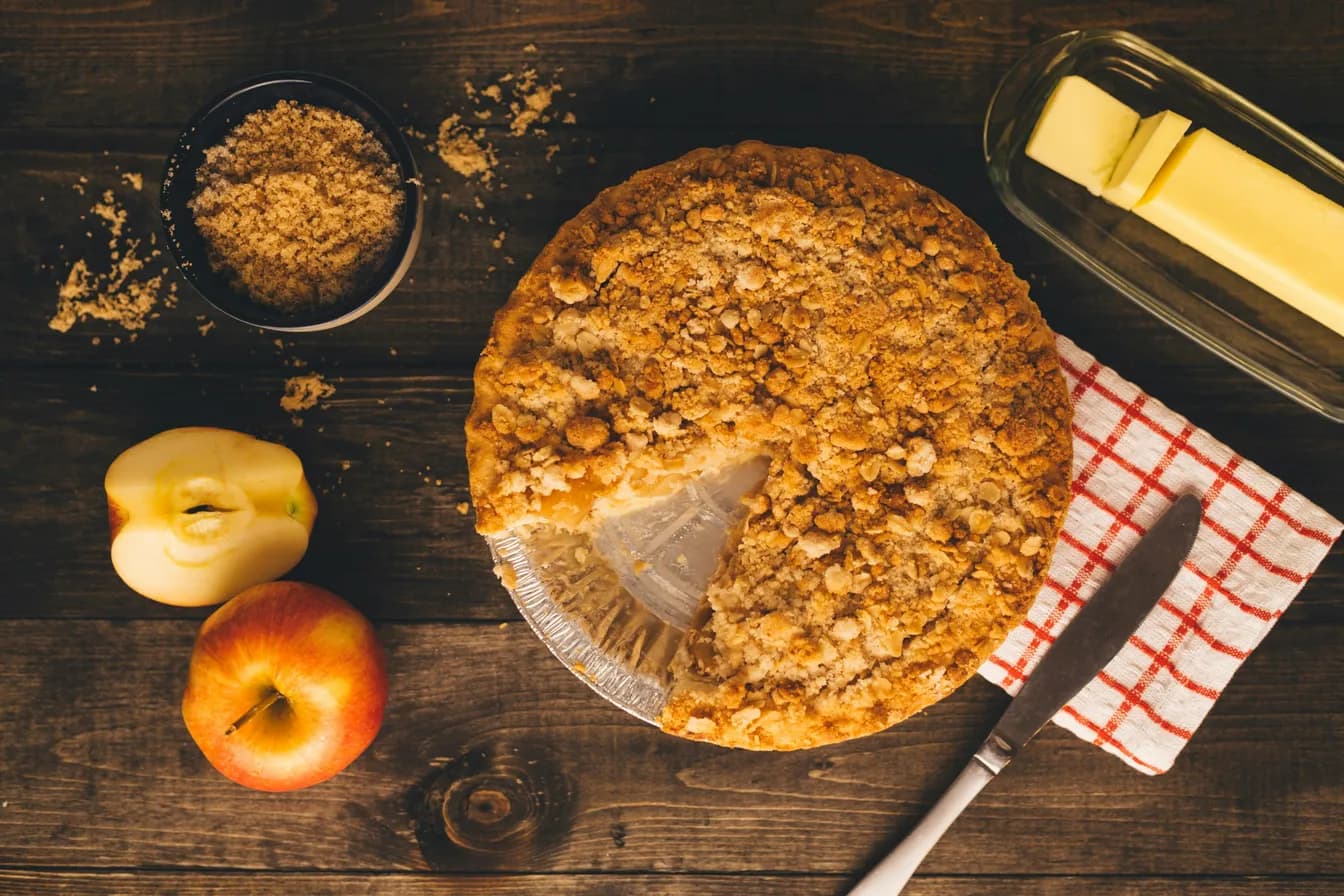
Grandma's German Apple Cake
Shortcrust pastry, juicy cinnamon apples and icing, the covered apple cake just like from grandma's bakery.
 Christmas
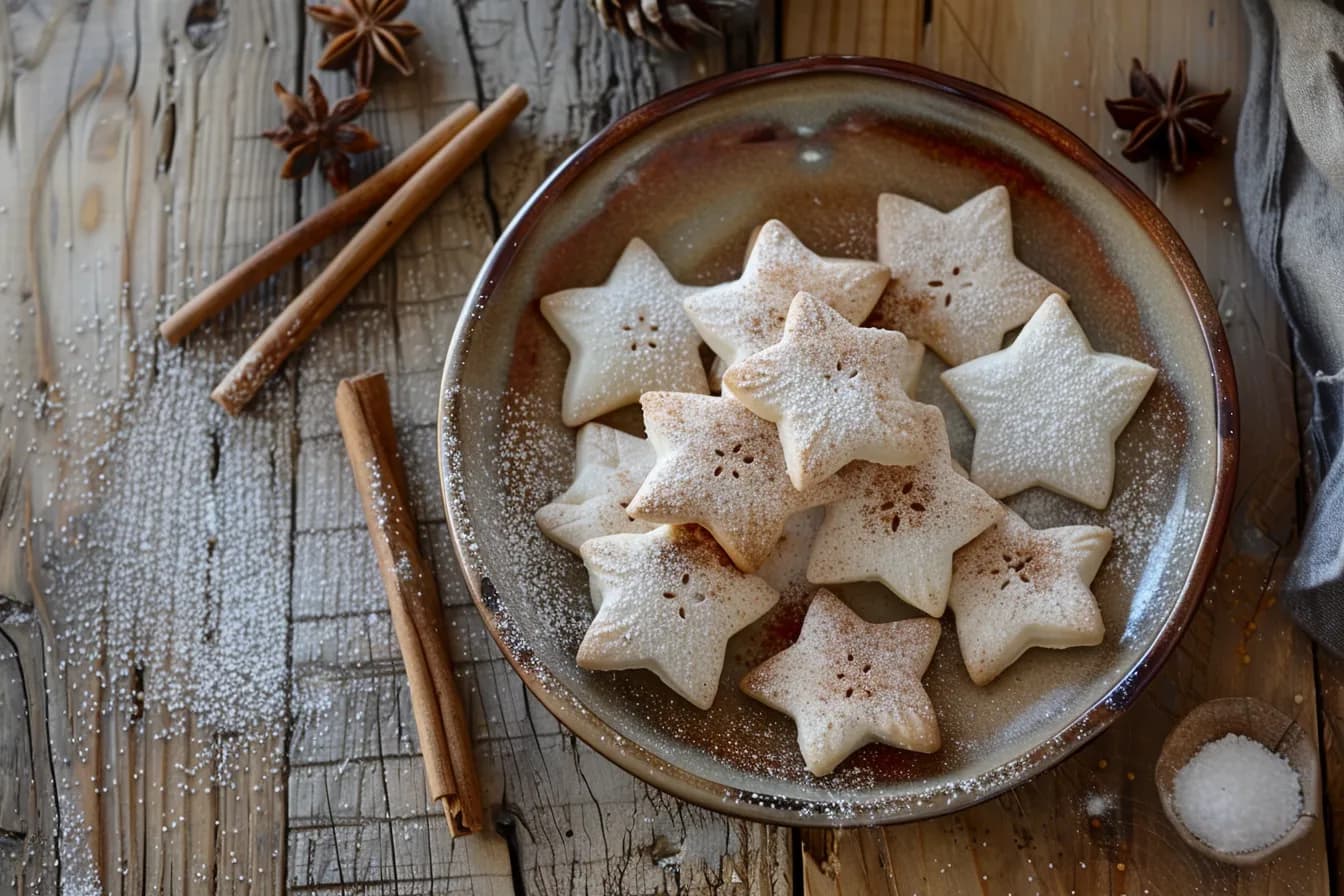
Moist Cinnamon Stars
Marzipan soft cinnamon stars with a glossy meringue topping, just like from the Christmas market and the highlight of any cookie tin.