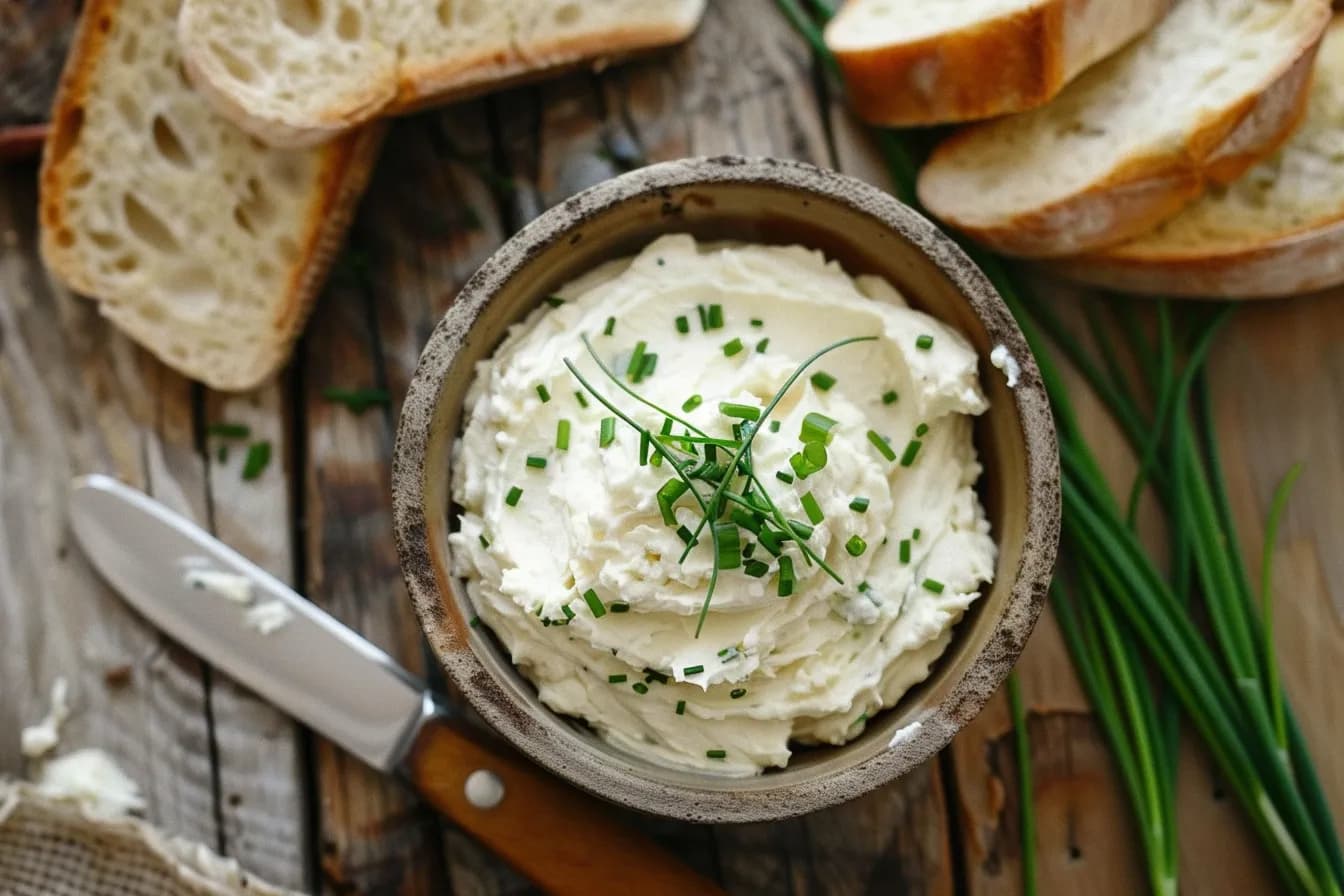
Vegan Cashew Cheese
Soaked cashews, lemon, and time create a spreadable cream cheese without any dairy products.
- Preparation
- 15 min
- Cook/bake time
- –
- Total
- 6 hr 15 min
- Difficulty
- Easy
- Calories
- 144 kcal
- Servings
- 8 servings
- Prep
- 15 min
- Resting
- 6 hr
Only 15 min of that is hands-on – the rest takes care of itself.
Soaked cashews, lemon, and time create a spreadable cream cheese without any dairy products. Cashews are the starchiest and mildest of nuts. When soaked and blended, they yield a cream that is almost indistinguishable from cream cheese. If you allow it twelve hours of fermentation, you even get the tanginess.
Why this works
Cashews contain around 45 percent fat and comparatively little fiber, which is why they can be blended into a smooth cream, whereas almonds or hazelnuts remain grainy. Soaking does two things. The cell walls soften so the blender breaks them down more easily, and the nuts absorb water needed for the emulsion. Four hours in cold water is the minimum. Hot water shortens this to thirty minutes, but it costs a little freshness in flavor. The acidity comes either directly from lemon or, much more interestingly, from fermentation. Lactic acid bacteria from a probiotic capsule convert the available sugars into lactic acid over twelve hours at room temperature, and this is the exact same process that gives real cream cheese its flavor.
Step-by-step instructions
- 1
Soak cashews
Pour plenty of cold water over the nuts and let them stand for four hours, preferably overnight. They will become visibly lighter and can be crushed between your fingers. If you are in a hurry, thirty minutes in boiling water works, but it costs a little freshness in flavor.
- 2
Drain and blend
Pour away the soaking water, as it contains dissolved tannins and tastes bitter, and blend the nuts with fresh water, lemon juice, nutritional yeast, salt, and garlic. Blend for two full minutes on the highest setting, scraping down the sides in between.
- 3
Adjust consistency
The cream should be thick and perfectly smooth. If it still feels grainy between your fingers, blend for another minute. It is better to blend too long than too short, as there is no bitterness threshold here unlike with pesto. If it is too firm, add water a tablespoon at a time.
- 4
Fold in herbs and chill
Fold in the herbs and chill the cream for at least two hours. It will firm up significantly and become spreadable instead of pourable. Fresh out of the blender, it always seems too thin.
Our best tips
- Discard the soaking water. It contains dissolved tannins and makes the cream bitter, so use fresh water for blending.
- Blend for two full minutes. Graininess is the only flaw that ruins this recipe, and it can only be fixed with time in the blender.
- Chill for two hours. The cream firms up significantly. Anyone who judges it straight from the blender will add too much water.
Tasty variations
Fermented
Stir the contents of a probiotic capsule into the finished cream and let it sit covered at room temperature for twelve hours. It becomes significantly tangier and more complex, which is the same process as with real cream cheese.
As sliceable cheese
Boil two teaspoons of agar in 100 ml of water and blend it into the cream, then pour it into a mold and chill. Agar must boil to set, as uncooked it leaves the mixture liquid.
Nutrition facts
| Calories | 144 kcal |
|---|---|
| Protein | 5 g |
| Carbohydrates | 8 g |
| – of which sugar | 2 g |
| Fat | 11 g |
| Fiber | 1 g |
Where the 144 kcal come from
per serving
Calculated from the ingredients – how we do it
We add up reference values for every ingredient and divide by the number of servings. These assumptions are baked in:
- Reference values per 100 g – for the raw ingredient, exactly as listed.
- Tinned goods count at drained weight, bone-in meat at purchase weight: you eat about 70 per cent of a chicken thigh and leave the rest.
- Water evaporates as you cook. The energy stays in the pot, the weight does not – so the figure is per serving, not per 100 g of finished dish.
- Anything listed without a quantity – “salt and pepper” – is not counted.
A guide value, not a lab measurement: no two onions weigh the same, and fat content varies from pack to pack.
Frequently asked questions
Do other nuts work?
Almonds work but must be peeled and remain slightly grainier. Sunflower seeds are the cheapest alternative and have a stronger flavor. Walnuts and hazelnuts contain too many tannins and become bitter, so cashews are the standard here for a reason.
How long does the cashew cheese keep?
One week in a closed jar in the fridge, and the fermented version lasts a little longer. Freezing works, but the texture becomes slightly grainy. Just blend it briefly after thawing, and it will be smooth again.
Do I need a high-speed blender?
It makes it much easier, but it is not necessary. With a normal blender, soak the cashews overnight and work in smaller portions, repeatedly scraping down the sides in between. An immersion blender in a tall, narrow container also works.
Comments & ratings(0)
Sign in to rate and comment on this recipe.
You might also like
 Low Carb
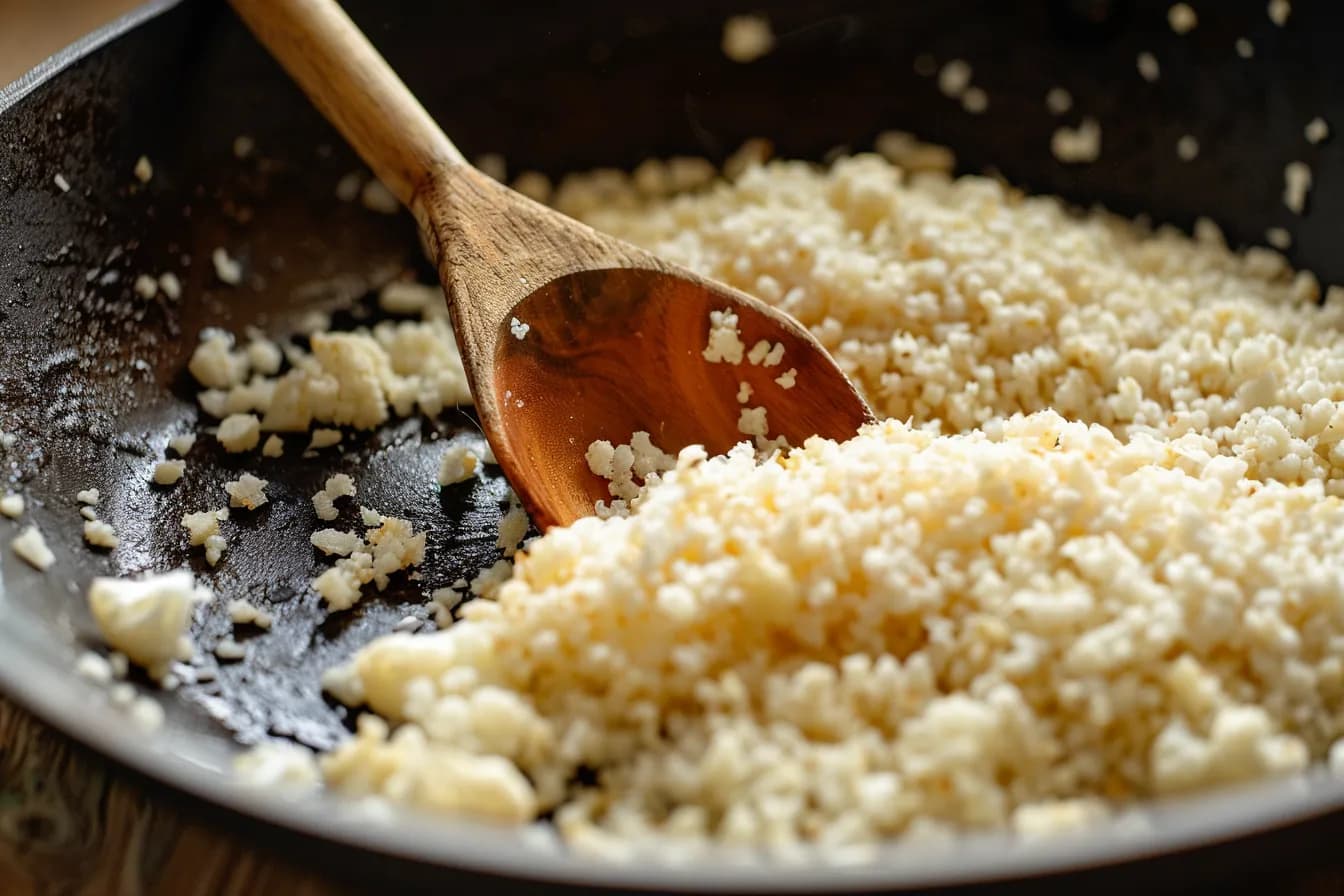
Cauliflower Rice
A rice substitute made from cauliflower with a tenth of the carbohydrates, dry roasted instead of steamed, otherwise it turns to mush.
 Basic Recipes
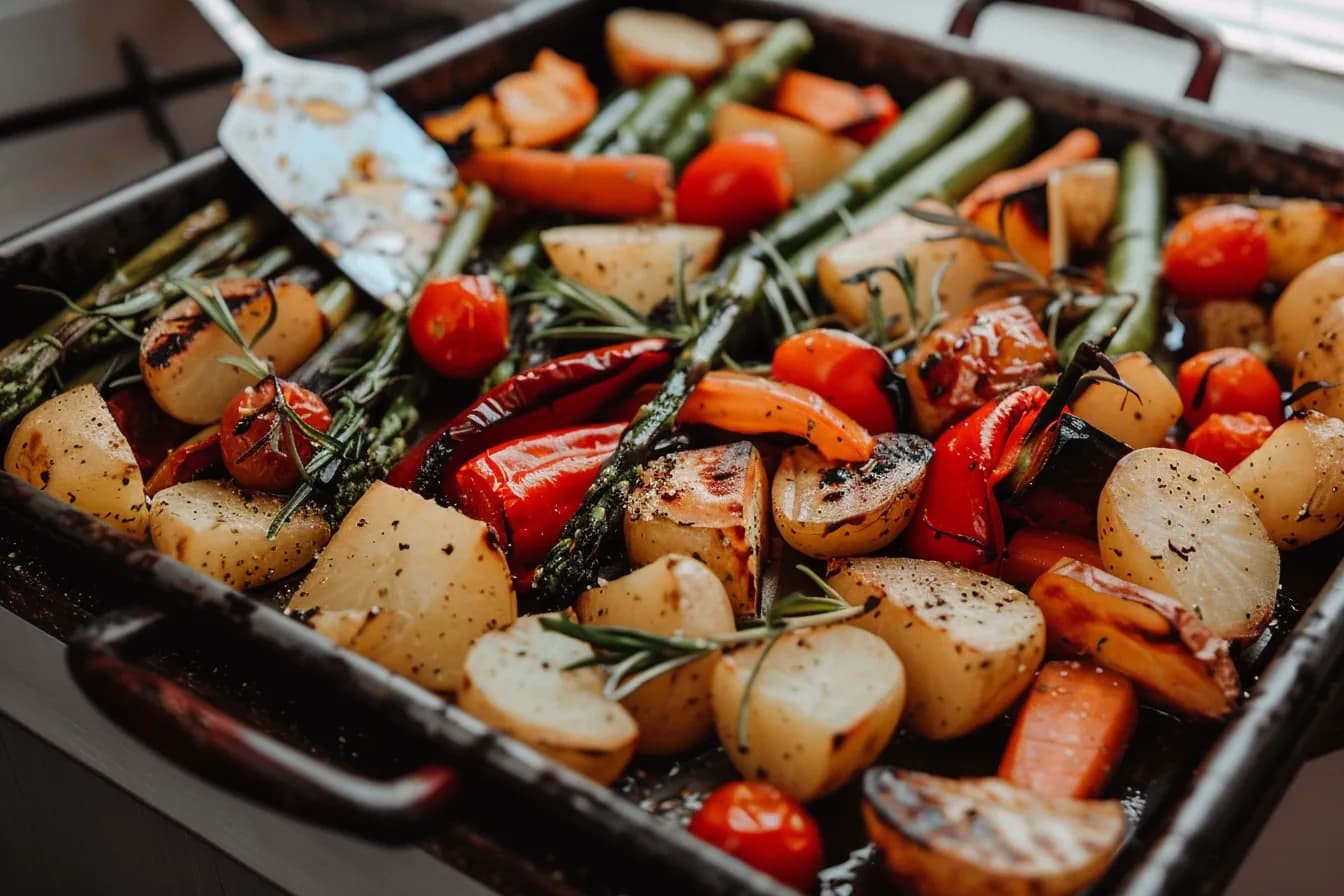
Roasted Vegetables: Time & Temperature for Everything
Sixteen types of vegetables, each with a time and a temperature, so everything is ready at the same time.
 Basic Recipes
Boiling Eggs: The Time Table
From soft-boiled to hard-boiled, here are six times, one method, and the explanation why egg size matters more than the clock.