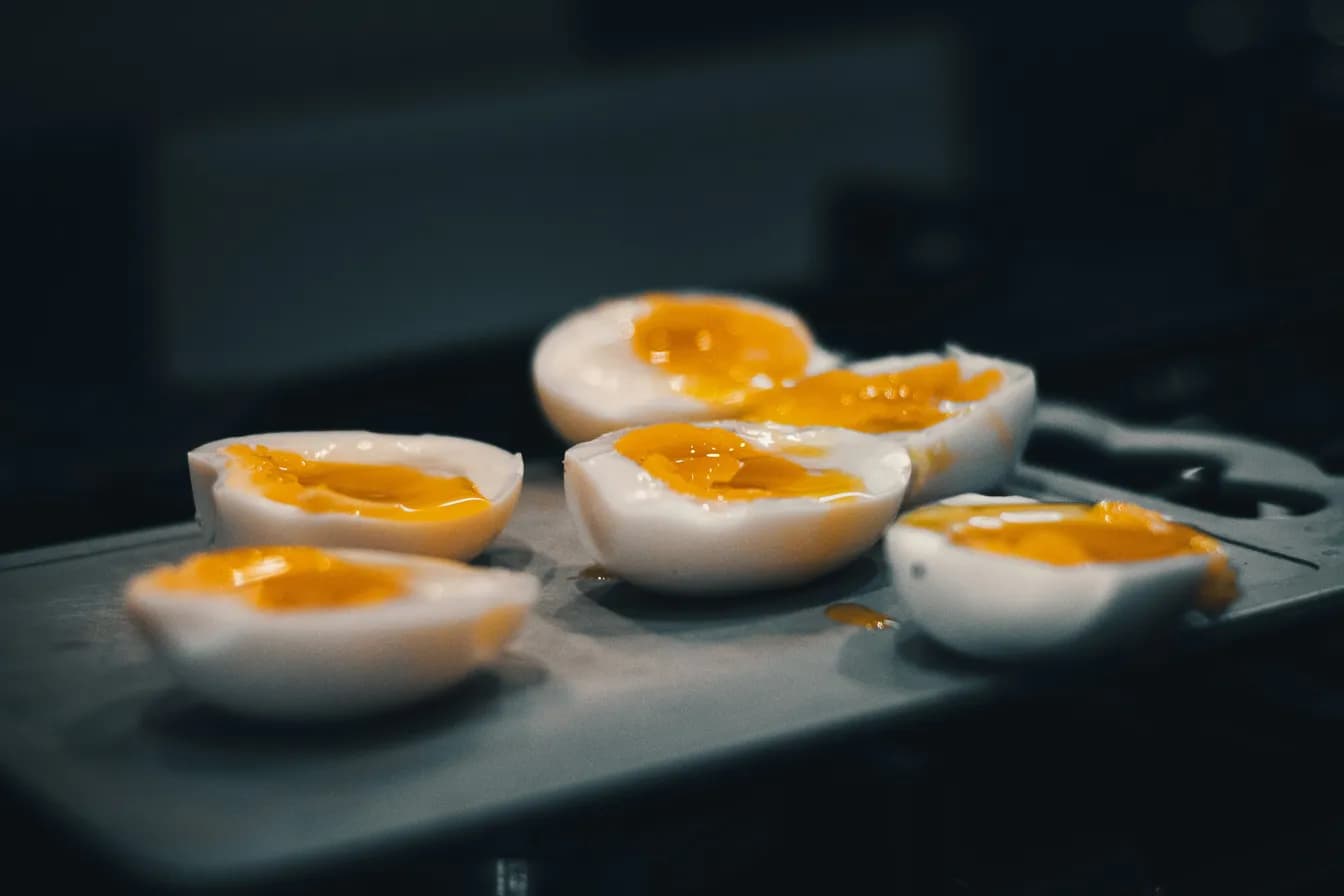
Boiling Eggs: The Time Table
From soft-boiled to hard-boiled, here are six times, one method, and the explanation why egg size matters more than the clock.
- Preparation
- 3 min
- Cook/bake time
- 16 min
- Total
- 19 min
- Difficulty
- Easy
- Calories
- 75 kcal
- Servings
- 6 eggs
- Prep
- 3 min
- Cooking & baking
- 16 min
From soft-boiled to hard-boiled, here are six times, one method, and the explanation why egg size matters more than the clock. Egg whites coagulate at 62 degrees, yolks only at 68, and every consistency results from these six degrees of difference. The times apply to size M straight from the fridge, placed into already boiling water.
Why this works
Egg whites and yolks coagulate at different temperatures, and the entire table is based on this. The egg white begins to set at about 62 degrees, the yolk only at 68. In the minutes in between, a temperature front travels from the outside in, and depending on when you take the egg out, it has reached the yolk or not. That is why the time depends on the egg size, not just the desired consistency. A size L egg needs about one minute longer than a size M egg at the same core temperature because the heat has a longer way to go. The green ring around a hard-boiled yolk is incidentally not spoilage, but iron sulfide. If boiled too long, sulfur from the egg white reacts with iron from the yolk. Immediate shocking stops the reaction.
Step-by-step instructions
- 1
Bring water to a boil
Bring enough water to a boil so that the eggs are just covered, and add the salt. A small amount of water comes back to temperature faster after adding the cold eggs, and it is exactly this waiting time that otherwise distorts the times.
- 2
Carefully add eggs
Let the eggs slide into the bubbling water with a spoon and immediately turn the heat back to a gentle simmer. Bubbling water knocks the eggs against each other and makes them burst. The clock starts now.
- 3
Take time according to the table
Take the time from the table above. Add one minute for size L, subtract one for size S. Eggs straight from the fridge are the reference, room temperature ones need about thirty seconds less.
- 4
Shock immediately
Lift the eggs out and immediately place them in ice-cold water. This stops the cooking process abruptly, prevents the green ring, and loosens the shell from the membrane, making a shocked egg significantly easier to peel.
Our best tips
- Place into boiling water, do not bring to a boil in cold water. Only then is the time reproducible, as when bringing to a boil, it depends on pot size and stove power.
- Older eggs are easier to peel than fresh ones. The pH value of the egg white increases with storage time, which makes it adhere less to the shell membrane. So for boiled eggs, last week's pack is worth it.
- The green ring around the yolk is harmless: iron sulfide from the reaction of sulfur and iron. It only occurs when boiled too long and can be avoided by immediate shocking.
Tasty variations
Onsen egg at 64 °C
Cook eggs for 45 minutes at a constant 64 degrees. Then the egg white is just set and the yolk creamy, the reversal of the normal egg, because the temperature lies between the two coagulation points.
Marinated eggs for ramen
Peel six-minute eggs and marinate overnight in equal parts soy sauce, mirin, and water. No longer than 24 hours, otherwise the egg white becomes rubbery.
Nutrition facts
| Calories | 75 kcal |
|---|---|
| Protein | 7 g |
| Carbohydrates | 0 g |
| – of which sugar | 0 g |
| Fat | 5 g |
| Fiber | 0 g |
Where the 75 kcal come from
per serving
Calculated from the ingredients – how we do it
We add up reference values for every ingredient and divide by the number of servings. These assumptions are baked in:
- Reference values per 100 g – for the raw ingredient, exactly as listed.
- Tinned goods count at drained weight, bone-in meat at purchase weight: you eat about 70 per cent of a chicken thigh and leave the rest.
- Water evaporates as you cook. The energy stays in the pot, the weight does not – so the figure is per serving, not per 100 g of finished dish.
- Anything listed without a quantity – “salt and pepper” – is not counted.
A guide value, not a lab measurement: no two onions weigh the same, and fat content varies from pack to pack.
Frequently asked questions
How long does a soft-boiled egg need to cook?
Five minutes for size M, straight from the fridge into already boiling water. Then the egg white is set and the yolk warm and liquid. Add one minute for size L.
How long for a hard-boiled egg?
Eleven minutes. Longer is not better, from about thirteen minutes the green ring forms around the yolk, and the egg white becomes rubbery.
How many calories does an egg have?
Around 75 kcal per size M egg, with about 7 g of protein. The cooking time does not change this, boiled and raw eggs have the same nutritional values.
Why are some eggs hard to peel?
Because they are very fresh. With increasing age, the pH value of the egg white rises, making it adhere less firmly to the inner shell membrane. Shocking helps additionally, but does not replace the aging effect.
Comments & ratings(0)
Sign in to rate and comment on this recipe.
You might also like
 Breakfast
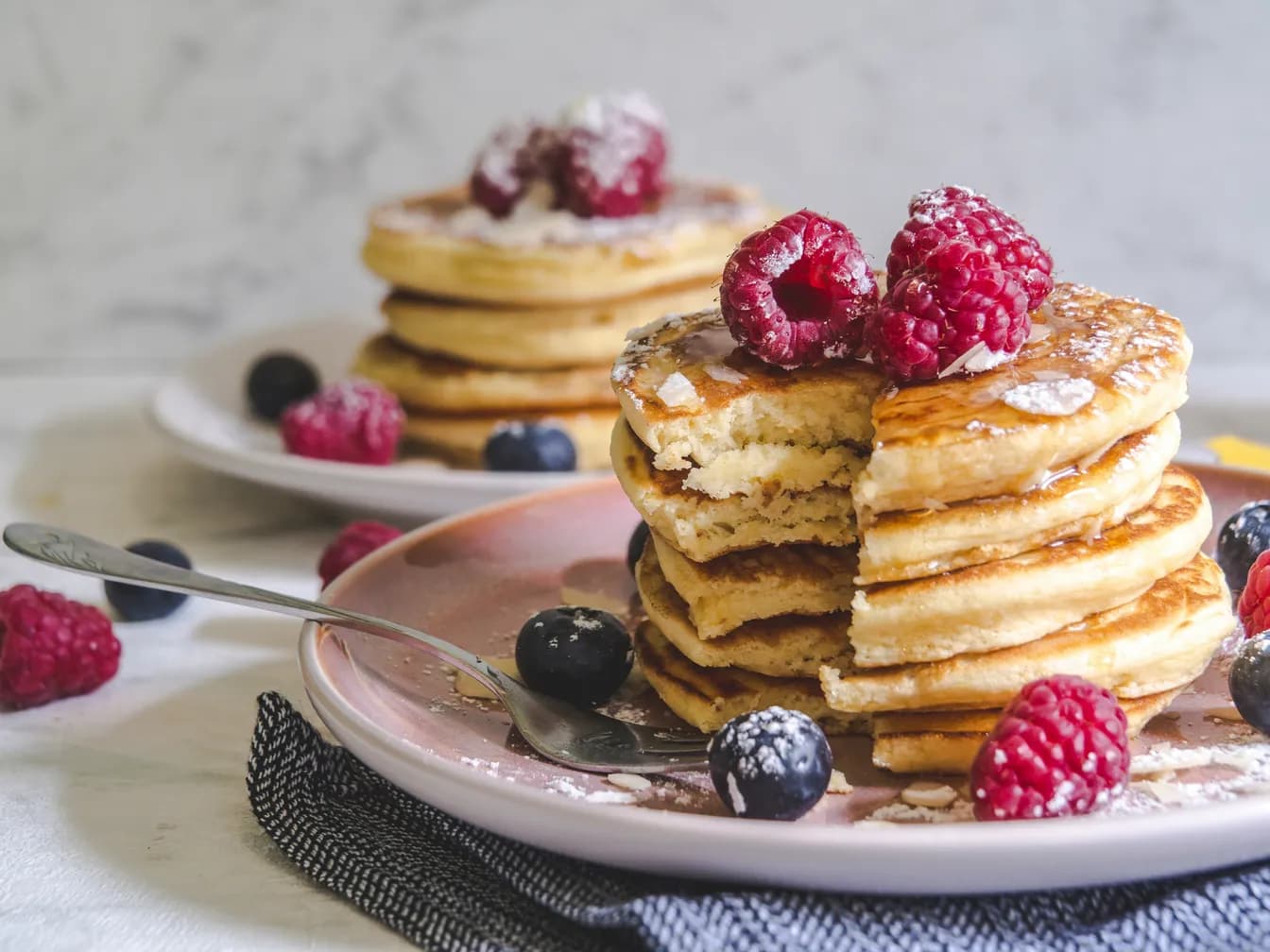
Low-Fat Quark Pancakes
Fluffy pancakes with 30 grams of protein per serving, without protein powder, made only from quark, egg, and rolled oats.
 Breakfast
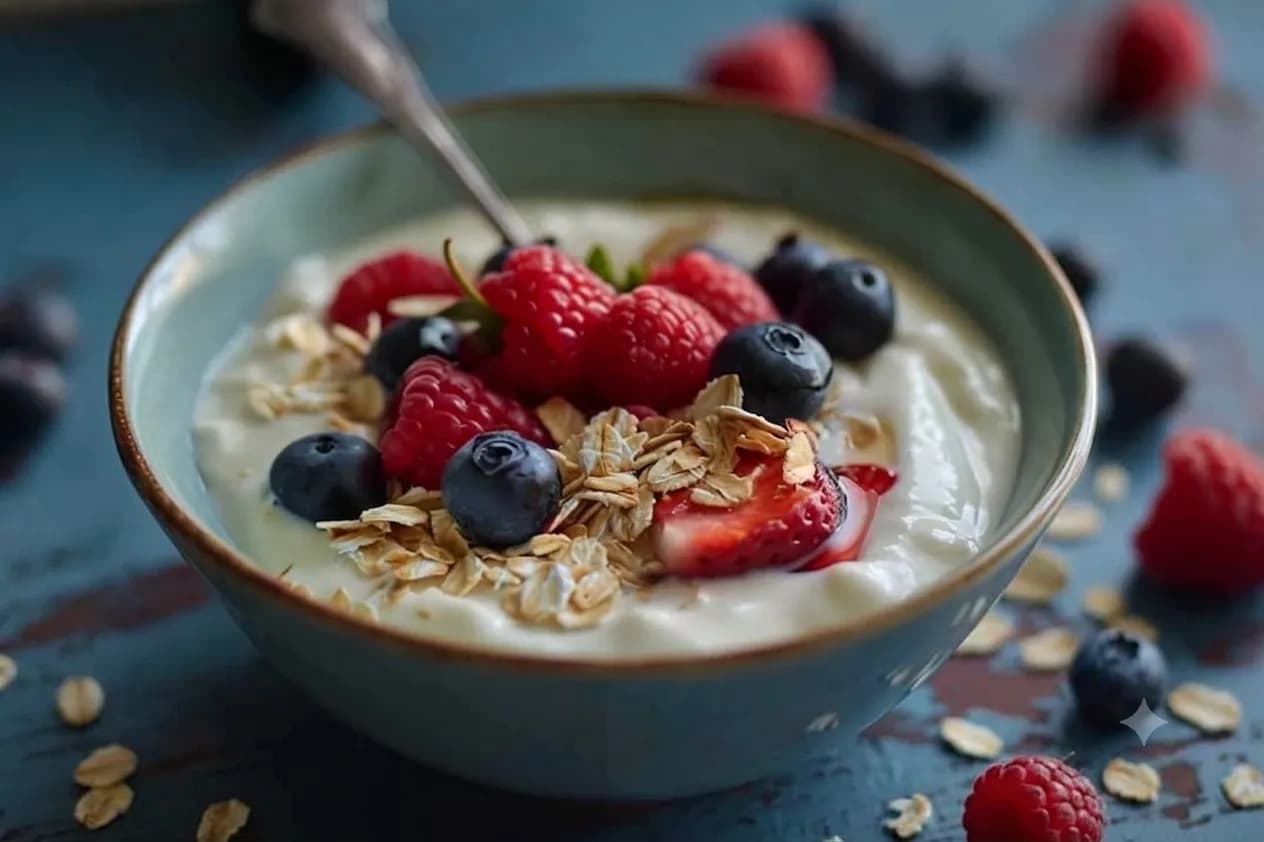
Skyr Bowl
Icelandic Skyr with berries, nuts and honey: 25 grams of protein in a bowl that is ready in four minutes.
 Low Carb
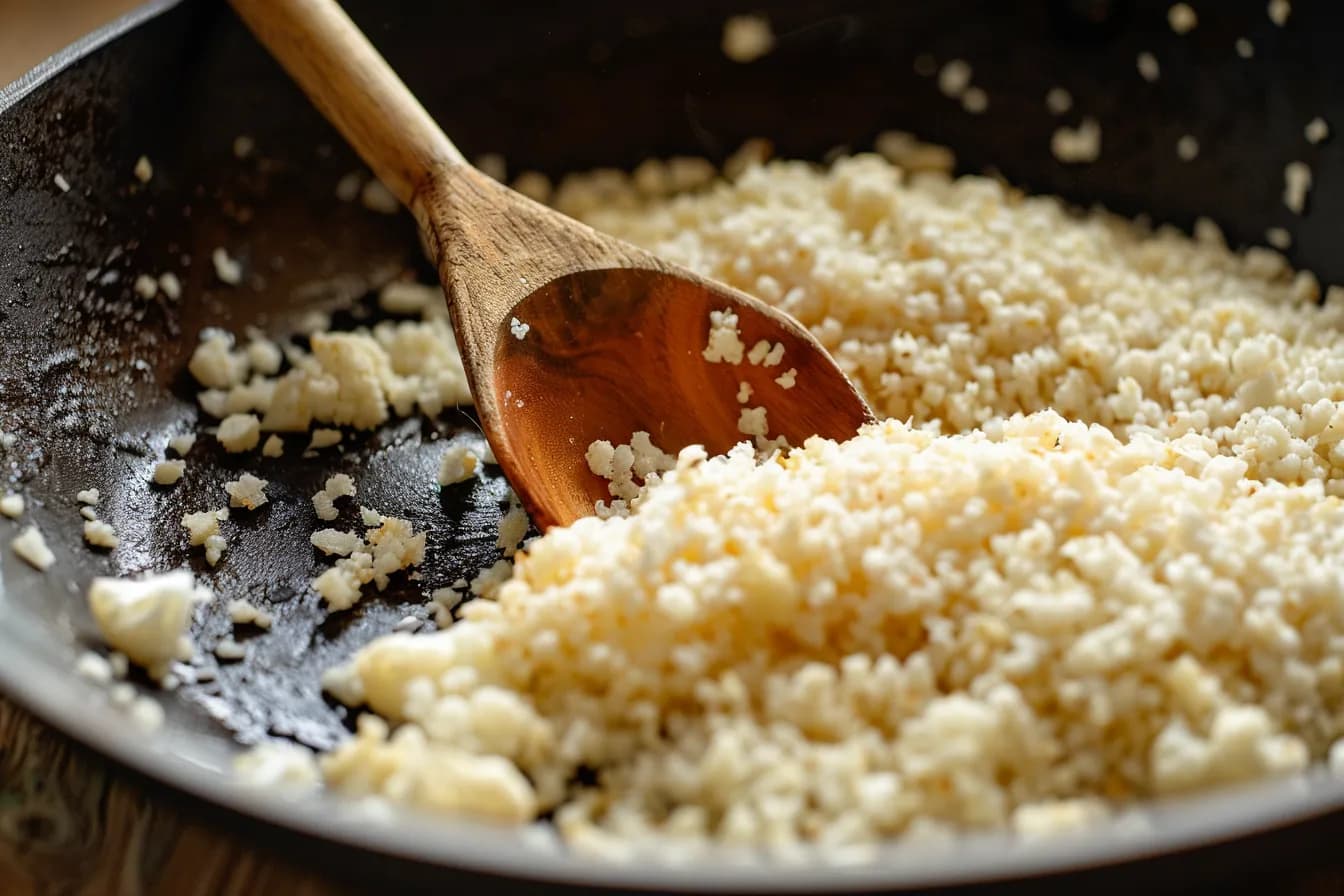
Cauliflower Rice
A rice substitute made from cauliflower with a tenth of the carbohydrates, dry roasted instead of steamed, otherwise it turns to mush.