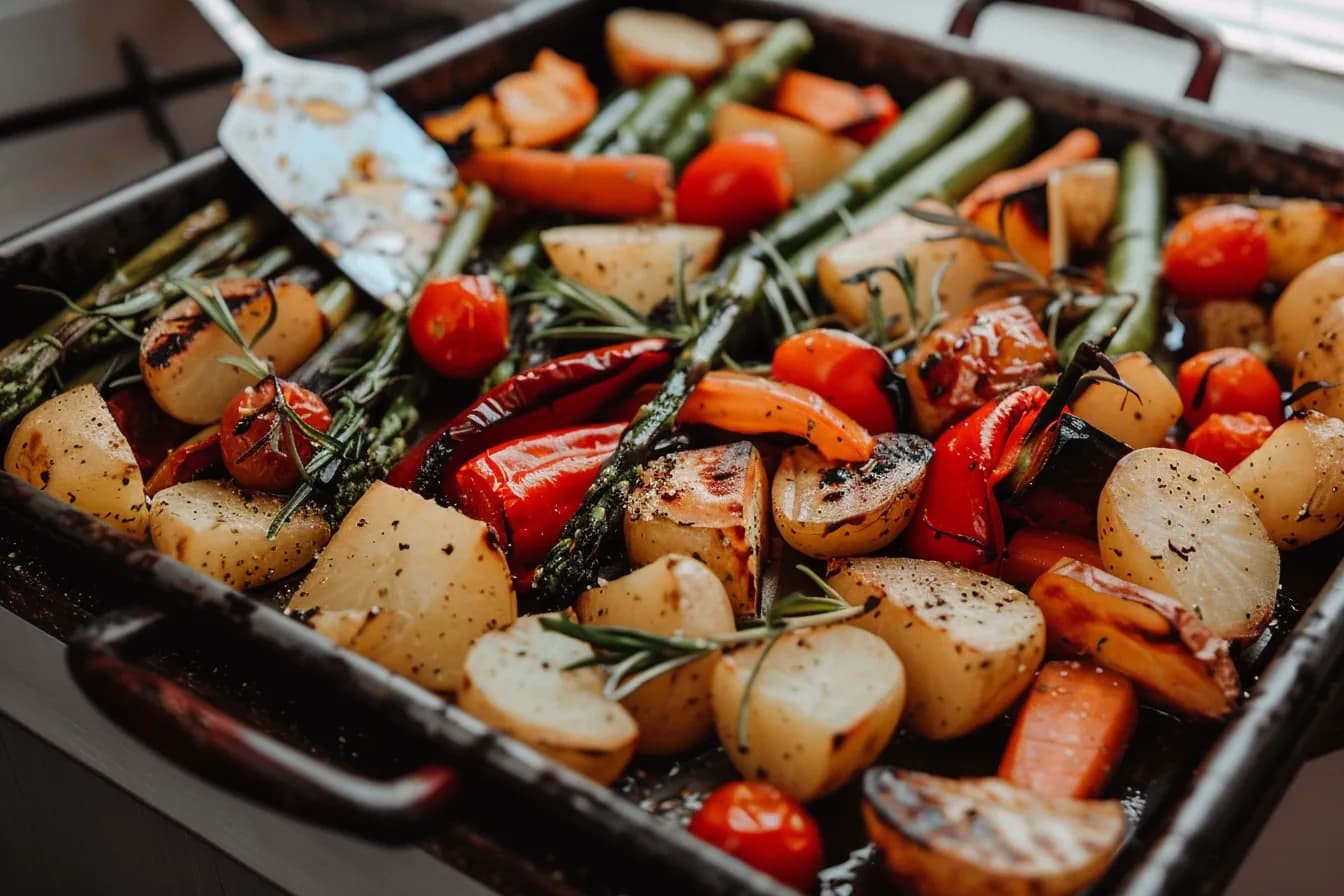
Roasted Vegetables: Time & Temperature for Everything
Sixteen types of vegetables, each with a time and a temperature, so everything is ready at the same time.
- Preparation
- 15 min
- Cook/bake time
- 40 min
- Total
- 55 min
- Difficulty
- Easy
- Calories
- 459 kcal
- Servings
- 6
- Prep
- 15 min
- Cooking & baking
- 40 min
Sixteen types of vegetables, each with a time and a temperature, so everything is ready at the same time. The real problem with roasted vegetables is not the cooking time of individual types, but that they take different amounts of time and still need to go on one baking sheet together. This table solves that using three groups and staggered baking times.
Why this works
Roasted vegetables succeed or fail based on a single factor: water content. Water-rich vegetables like zucchini or mushrooms release so much liquid when heated that they cook in their own steam as long as this water cannot evaporate, and then they become soft instead of brown. Dense roots like carrots or beets have little water but a lot of structure; they need time for the heat to reach the center. These two factors result in the three groups below. The second factor is the density on the baking sheet: on an overcrowded sheet, the humidity rises so much that nothing browns at all, no matter how hot the oven is. One baking sheet per 700 grams is the limit. It is better to use two sheets and swap them once than to put everything on one.
Step-by-step instructions
- 1
Cut to the same size
Cut everything within a group to the same edge length. The times in the table apply to the specified size. A piece twice as thick does not take twice as long, but significantly longer, and uneven pieces are the most common reason for half-raw and half-burnt vegetables on a baking sheet.
- 2
Oil instead of pouring
Mix the vegetables in a bowl with the oil until everything has a thin film, and only salt afterwards. Oil poured directly onto the baking sheet collects in depressions, and the pieces next to it remain dry and become leathery.
- 3
Staggered baking
Start with the long group, add the medium one after fifteen minutes, and the short one in the last twenty. This way, everything is ready at the same time without anything overcooking. If there is only one group, staggering is of course not necessary.
- 4
Leave space and turn once
Spread the vegetables in a single layer with space between them, at most 700 g per baking sheet. Turn them once halfway through. Whatever lies on top of each other steams instead of roasting, and this cannot be corrected later by any temperature.
Our best tips
- Convection is better here than top/bottom heat. The moving air carries away the moisture, and that is exactly what matters.
- Salt only after oiling. On dry vegetables, it draws out water; under an oil film, it stays on the surface.
- Add herbs and garlic only in the last ten minutes. Over the full baking time, both burn and become bitter.
Tasty variations
With feta
In the last ten minutes, sprinkle 200 g of diced feta over the vegetables. This turns the side dish into a main course.
Mediterranean
Add rosemary, thyme, and whole garlic cloves in their skins in the last fifteen minutes. The cloves can then be squeezed out of the skin and are sweet and mild.
Nutrition facts
| Calories | 459 kcal |
|---|---|
| Protein | 17 g |
| Carbohydrates | 74 g |
| – of which sugar | 33 g |
| Fat | 6 g |
| Fiber | 26 g |
Where the 459 kcal come from
per serving
Calculated from the ingredients – how we do it
We add up reference values for every ingredient and divide by the number of servings. These assumptions are baked in:
- Reference values per 100 g – for the raw ingredient, exactly as listed.
- Tinned goods count at drained weight, bone-in meat at purchase weight: you eat about 70 per cent of a chicken thigh and leave the rest.
- Water evaporates as you cook. The energy stays in the pot, the weight does not – so the figure is per serving, not per 100 g of finished dish.
- Anything listed without a quantity – “salt and pepper” – is not counted.
A guide value, not a lab measurement: no two onions weigh the same, and fat content varies from pack to pack.
Frequently asked questions
What do the nutritional values apply to?
Attention, this is not a specification for one baking sheet. It is calculated over **all sixteen** listed types together, divided by six portions, which is about one kilo of vegetables per portion. Anyone preparing a baking sheet of mixed vegetables will be between 120 kcal (zucchini, bell peppers, mushrooms) and 320 kcal (potatoes, sweet potatoes, pumpkin) per portion, depending on the selection.
Why are my roasted vegetables not browning?
Almost always because the baking sheet was too full. Above a certain density, the humidity in the oven rises so much that nothing browns anymore. At most 700 g per baking sheet, in a single layer and with space.
Convection or top/bottom heat?
Convection. The moving air carries away the moisture that the vegetables release. With top/bottom heat, it stays in the oven and the vegetables steam. With convection, use about 20 degrees less than specified in top/bottom heat recipes.
Can I put everything on the baking sheet at the same time?
Only within a group. Types from different groups take too different amounts of time. That is what staggered baking is for: long first, medium after fifteen minutes, short in the last twenty.
Comments & ratings(0)
Sign in to rate and comment on this recipe.
You might also like
 Low Carb
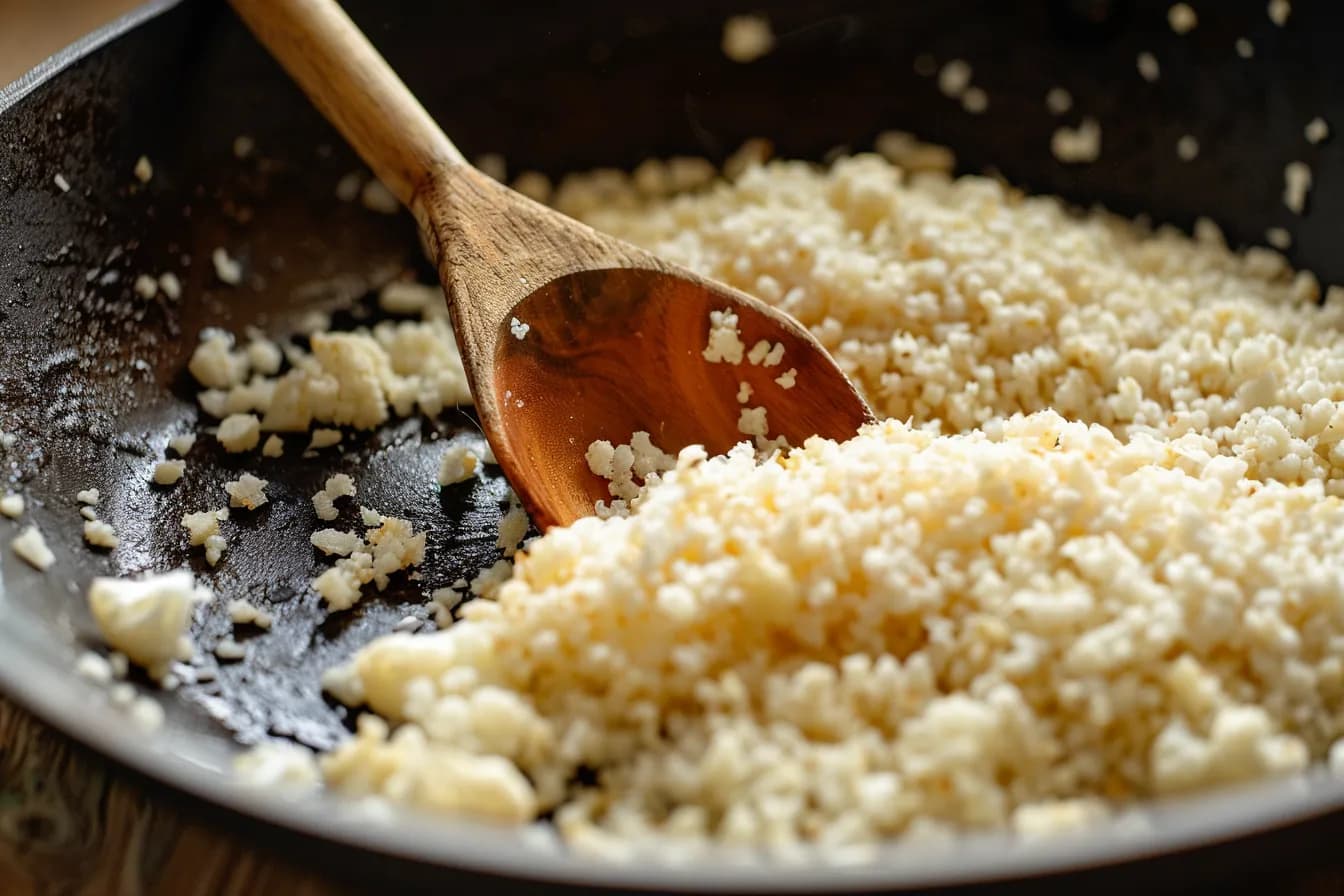
Cauliflower Rice
A rice substitute made from cauliflower with a tenth of the carbohydrates, dry roasted instead of steamed, otherwise it turns to mush.
 Dinner
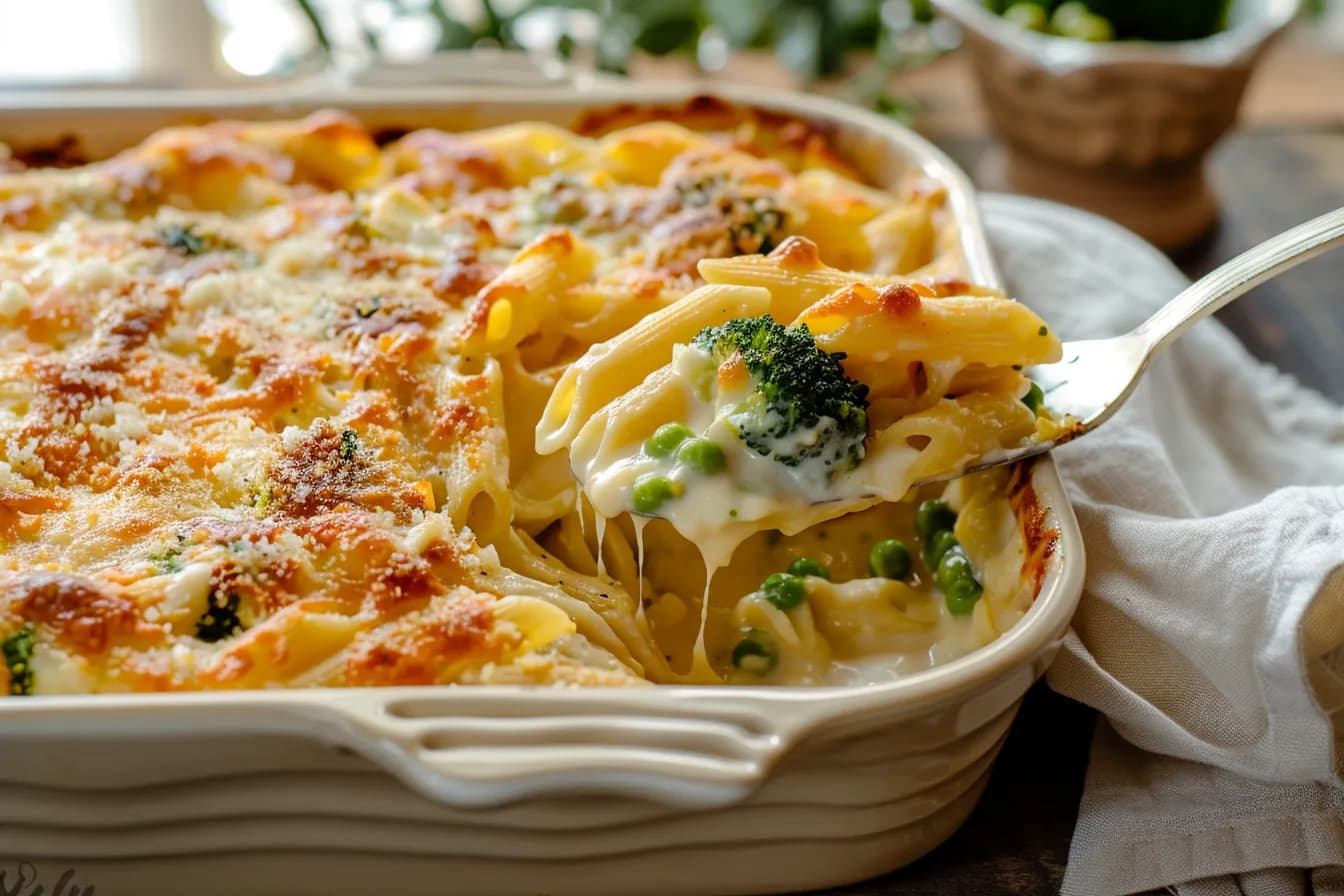
How to Make a Casserole: The Modular Guide
Starch, vegetables, binder, cheese: the four layers that make up every casserole, individually selectable.
 Dinner
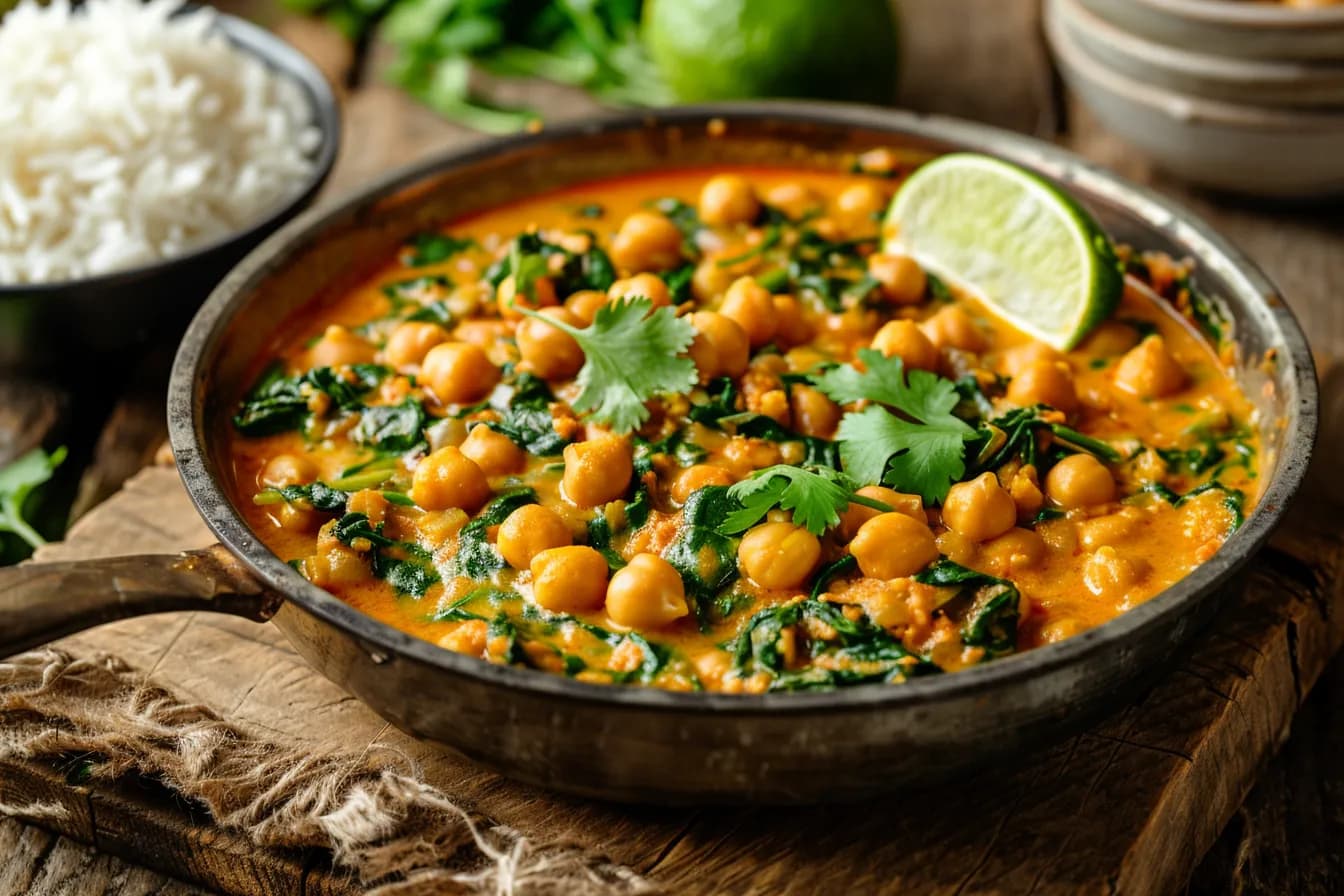
Make Your Own Curry: The Curry Matrix
Base, liquid, add-ins, heat: Four decisions separate a Thai curry from an Indian one.