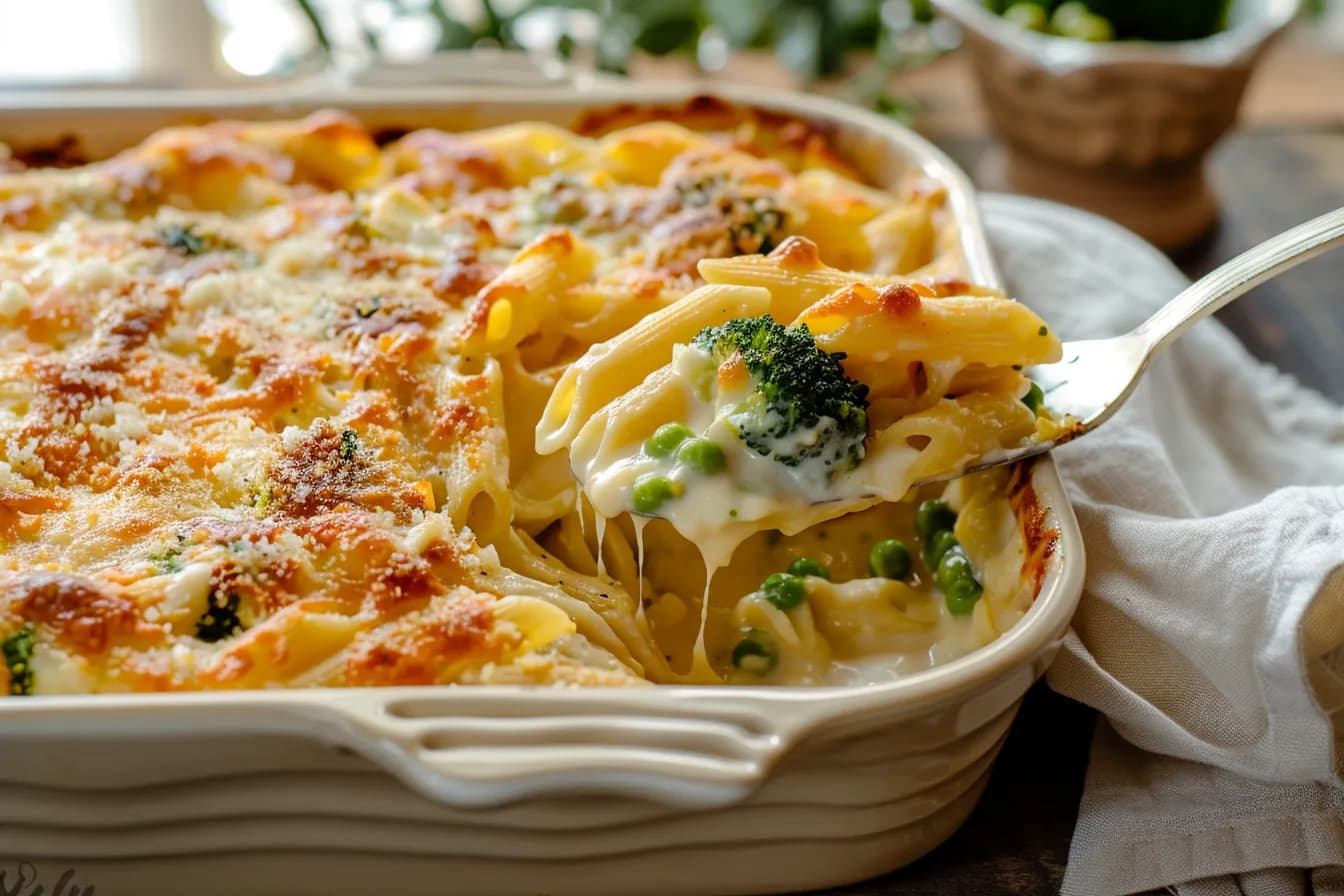
How to Make a Casserole: The Modular Guide
Starch, vegetables, binder, cheese: the four layers that make up every casserole, individually selectable.
- Preparation
- 25 min
- Cook/bake time
- 50 min
- Total
- 1 hr 25 min
- Difficulty
- Easy
- Calories
- 794 kcal
- Servings
- 4
- Prep
- 25 min
- Cooking & baking
- 50 min
- Resting
- 10 min
Only 1 hr 15 min of that is hands-on – the rest takes care of itself.
Starch, vegetables, binder, cheese: the four layers that make up every casserole, individually selectable. A casserole isn't a recipe, but a construction principle: something that absorbs liquid, something that adds flavor, something that holds it all together, and a topping that browns. Once you grasp the principle, you'll never need a casserole recipe again.
Why this works
Every casserole solves the same physical problem: vegetables release water in the oven, and this water has to go somewhere, otherwise it pools at the bottom of the dish. The starch layer is the sponge that absorbs it, which is why pasta and rice are deliberately placed in the dish undercooked, finishing their cooking in the vegetable juices. The binder is the second part of the answer: starch from the roux or protein from the egg-milk mixture turns the liquid into something sliceable. And the cheese layer only browns if it's dry enough, which is why it goes on top where it's no longer sitting in steam, otherwise it becomes chewy instead of crispy.
Build your own
Pick one option per row. Ingredients, steps, cook mode and shopping list adapt instantly.
Your pick: Pasta · Broccoli & Peas · Béchamel · Grated Cheese
Sign in to save your combinations. Sign in
Step-by-step instructions
- 1
Preheat the oven and grease the dish
Preheat the oven to 200 °C top/bottom heat and grease a baking dish of about 30 by 20 cm. The size is not a minor detail: in a dish that is too large, the casserole will be flat and dry out, while in one that is too small, the center won't cook through.
- 2
Pre-cook the pasta
Cook the pasta two minutes less than indicated on the package. They will continue to cook in the oven, specifically in the liquid released by the vegetables. If added to the dish fully cooked, they will turn to mush after forty minutes in the oven.
- 3
Prepare the vegetables
Prepare the vegetables. The rule of thumb is that anything wet when cut needs to go into the pan first. Whatever water you get rid of now won't pool at the bottom of the dish later.
- 4
Prepare the broccoli
Divide the broccoli into small florets and mix it with the still-frozen peas into the starch layer. Both release little water and can go into the dish raw, as the forty minutes in the oven are exactly enough for them.
- 5
Prepare the binder
Prepare the binder and season it much more aggressively than you would like it on its own. It is the only component that seasons the entire casserole, and both starch and cheese absorb a surprising amount of salt.
- 6
Cook the béchamel
Melt the butter, stir in the flour, and let the mixture foam for two minutes without taking on color, which removes the raw taste from the flour. Pour in the milk in three batches while stirring constantly, and cook the sauce for five minutes until it coats the back of a spoon. Season to taste with salt and nutmeg.
- 7
Layer and top
Spread the starch layer in the dish, add the vegetables on top, and pour the binder over it. Press down once with the back of a spoon until the liquid visibly rises between the layers, as trapped air will become dry spots later.
- 8
Bake and let rest
Bake for forty minutes at 200 °C until the surface is deep brown and the edges are bubbling. Then let it rest for ten minutes before cutting into it. During this time, the binder sets, turning a runny mass into a portion that holds its shape on the plate.
Our best tips
- Water-rich vegetables belong in the pan first. Zucchini consists of over ninety percent water, and this water needs to come out before the oven, otherwise it will pool in the dish afterward.
- Always undercook starch. Cook pasta two minutes less, and rice with scant liquid. Both will continue to cook in the oven, absorbing exactly what would otherwise make the dish soupy.
- Do not shorten the ten-minute resting time. Fresh out of the oven, every portion will fall apart, but after ten minutes it becomes sliceable, which is the same effect as with lasagna.
Tasty variations
The Sunday Casserole
Potato slices, mushrooms and leeks, béchamel, Parmesan crumbs. The richest combination, so factor in ten extra minutes of baking time because the potatoes go into the dish raw.
Without Milk and Egg
Pasta, spinach and tomato, tomato sauce, almond-herb crumbs. Manages entirely without dairy products and is still bound, as the pasta starch takes over the work of the béchamel here.
Nutrition facts
| Calories | 794 kcal |
|---|---|
| Protein | 32.2 g |
| Carbohydrates | 90.8 g |
| – of which sugar | 14 g |
| Fat | 32.1 g |
| Fiber | 7.7 g |
Where the 794 kcal come from
per serving
Calculated from the ingredients – how we do it
We add up reference values for every ingredient and divide by the number of servings. These assumptions are baked in:
- Reference values per 100 g – for the raw ingredient, exactly as listed.
- Tinned goods count at drained weight, bone-in meat at purchase weight: you eat about 70 per cent of a chicken thigh and leave the rest.
- Water evaporates as you cook. The energy stays in the pot, the weight does not – so the figure is per serving, not per 100 g of finished dish.
- Anything listed without a quantity – “salt and pepper” – is not counted.
- For build-your-own recipes the figure applies to the default choice. A different combination shifts it, sometimes considerably.
A guide value, not a lab measurement: no two onions weigh the same, and fat content varies from pack to pack.
Frequently asked questions
Which combination do the nutritional values apply to?
For the standard selection: pasta, broccoli and peas, béchamel, and grated cheese. With potatoes instead of pasta and tomato sauce instead of béchamel, the values are significantly lower.
Why did my casserole get watery at the bottom?
Two causes, usually both at the same time: raw water-rich vegetables and fully cooked starch. Zucchini, mushrooms, and spinach must be pan-fried or squeezed out beforehand, and pasta or rice belong in the dish undercooked so they can absorb the rest.
Can the casserole be frozen?
Yes, ideally in portions and before baking. Once thawed, it needs ten extra minutes in the oven. An exception is the egg-milk mixture: it becomes grainy after freezing because the coagulated protein releases water, but this doesn't happen with béchamel or tomato sauce.
Comments & ratings(0)
Sign in to rate and comment on this recipe.
You might also like
 Dinner
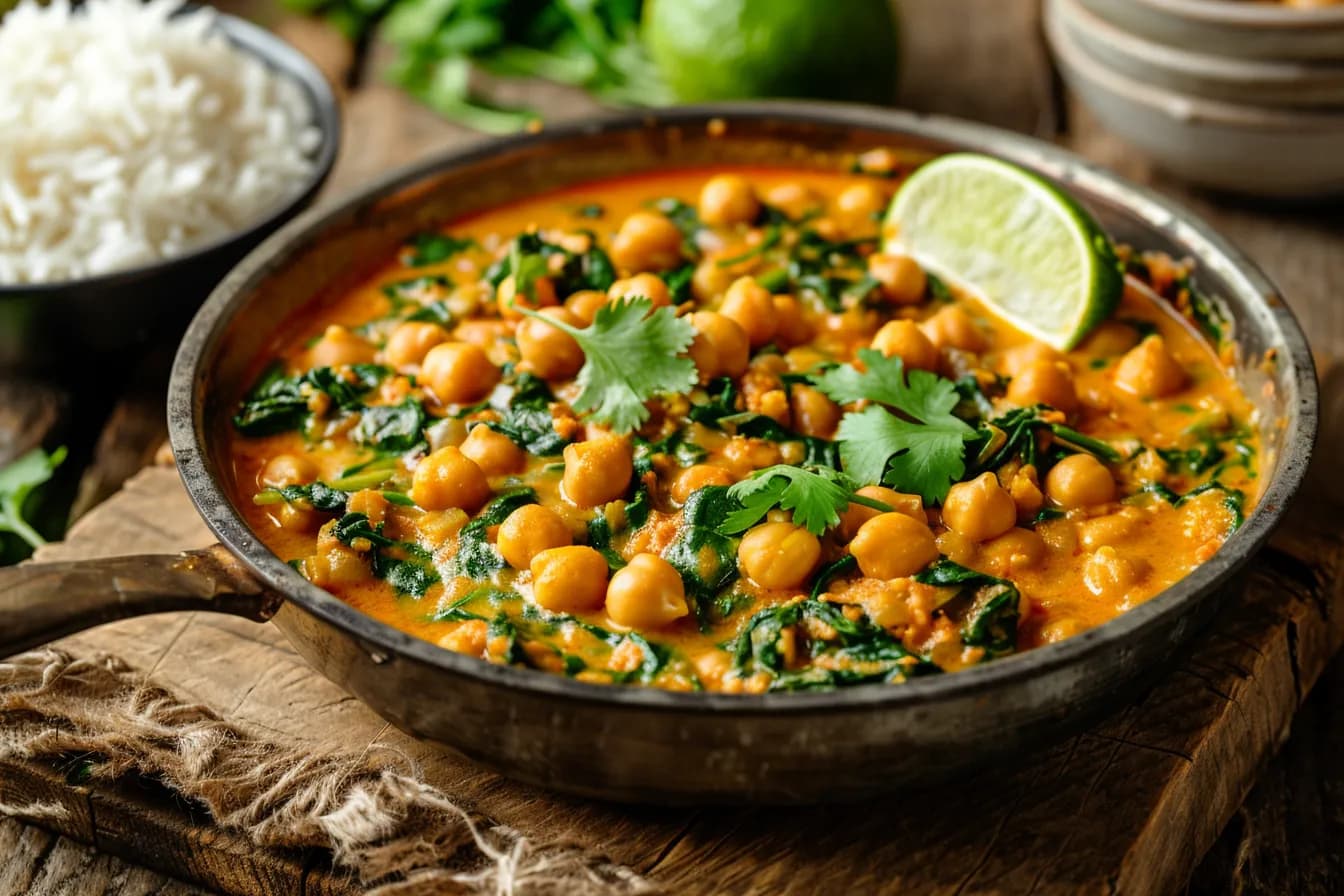
Make Your Own Curry: The Curry Matrix
Base, liquid, add-ins, heat: Four decisions separate a Thai curry from an Indian one.
 Soups & Stews
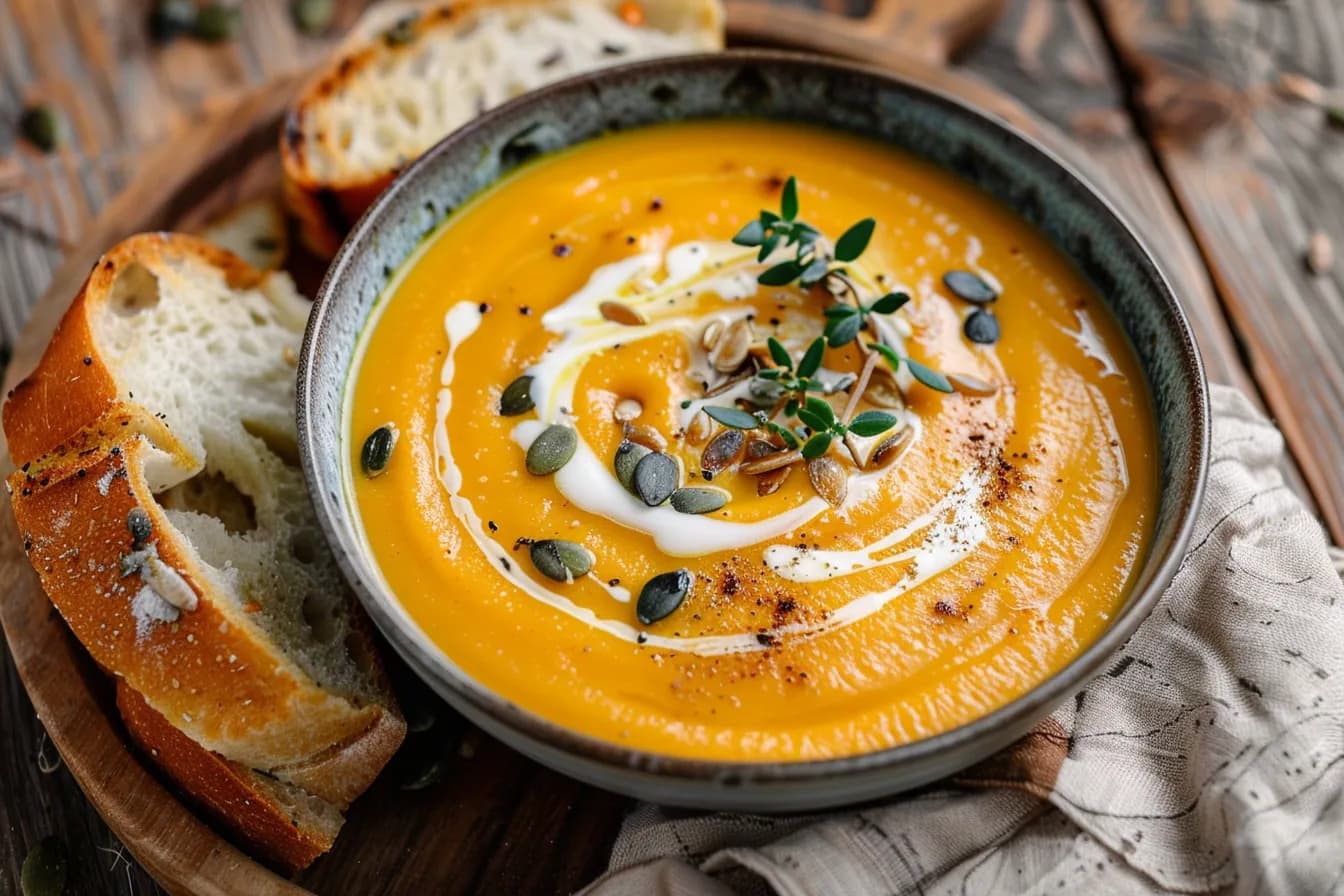
Any-Vegetable Soup
One kilo of vegetables, one onion, one liter of broth: the rest is just deciding how creamy and how spicy you want it.
 Basic Recipes
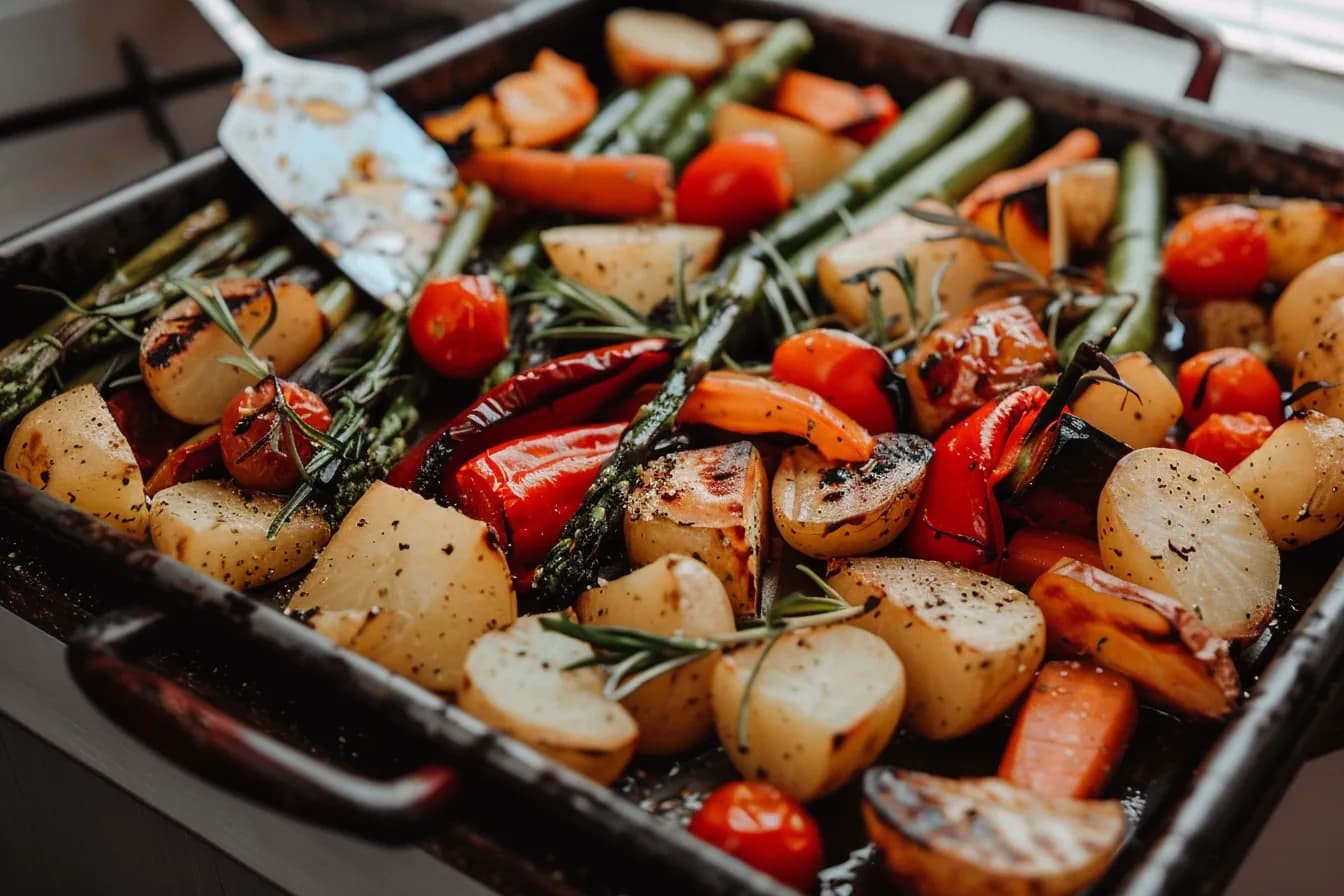
Roasted Vegetables: Time & Temperature for Everything
Sixteen types of vegetables, each with a time and a temperature, so everything is ready at the same time.