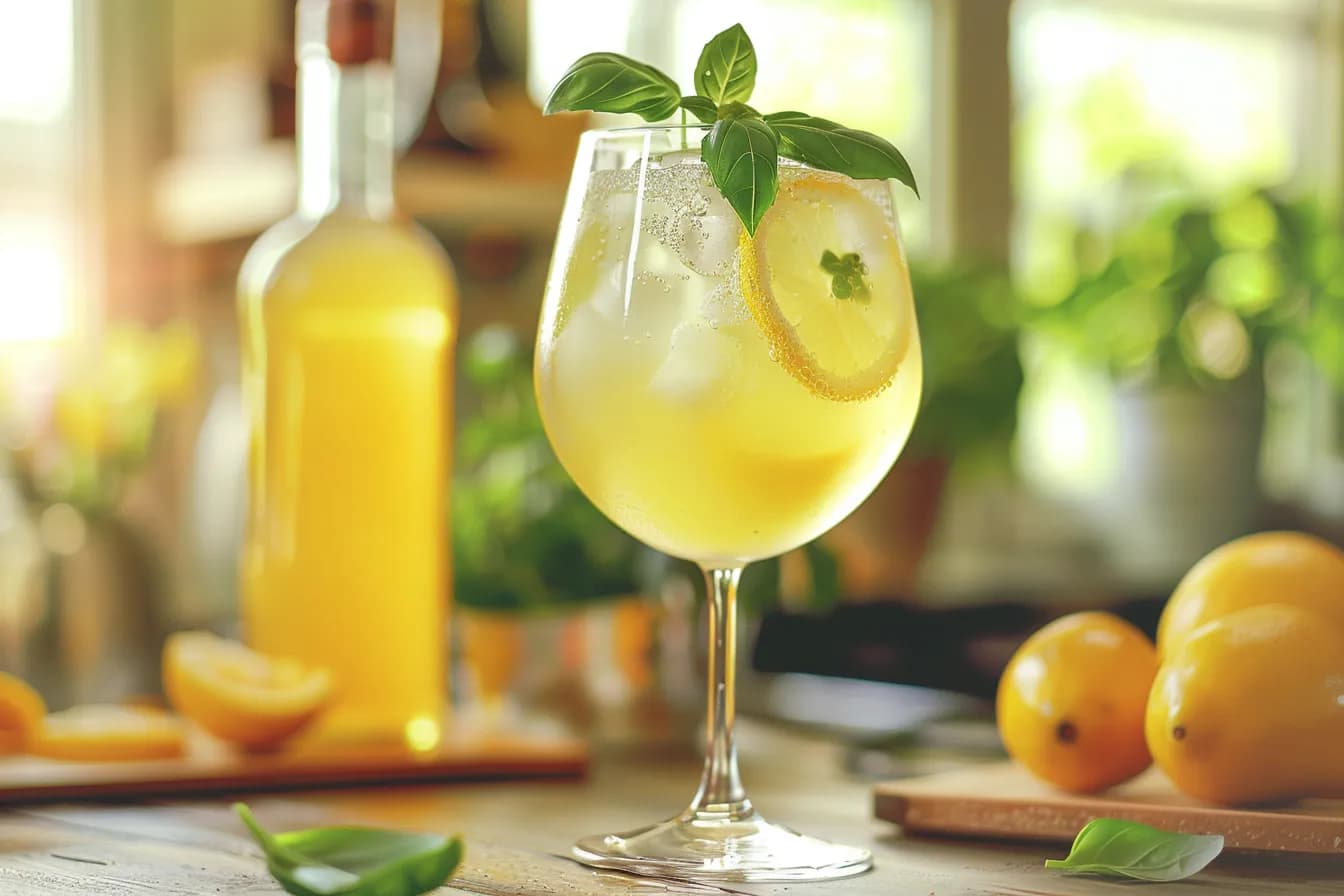
The southern Italian answer to the Aperol Spritz: lemon liqueur, Prosecco, and a basil leaf. Instead of bitter notes, the acidity carries the drink here, making it much more approachable on hot days than its orange predecessor. On the Amalfi Coast, it is not a trend, but has always been the standard.
Why this works
With around 30 percent alcohol and almost 37 grams of sugar per 100 ml, Limoncello is both high-proof and very sweet. It is hard to drink neat, but in a spritz, the contradiction is resolved because Prosecco and soda halve the sugar concentration, and the carbonation further masks the sweetness on the tongue. This is an effect known from lemonade, which suddenly tastes much too sweet when flat. The basil leaf is therefore not just a decoration: its main flavor compound linalool is closely related to the terpenes of the lemon peel and extends the citrus notes in the finish.
Step-by-step instructions
- 1
Keep the Limoncello ice-cold
Limoncello belongs in the freezer, not the fridge. At 30 percent alcohol, it does not freeze, but it becomes viscous and significantly less sweet in the initial taste, as cold noticeably dampens the perception of sweetness. A bottle at room temperature turns the drink into a syrup.
- 2
Slap the basil
Lay the basil leaves flat on one palm and smack them briefly with the other. The pressure bursts the oil glands on the leaf surface without tearing the cells underneath. Crushed or muddled basil releases chlorophyll and tannins, making it taste grassy instead of aromatic.
- 3
Build the drink
Fill a large wine glass three-quarters full with ice, place the lemon slices and basil between the cubes, and pour the Prosecco along the rim of the glass. Then pour the cold Limoncello slowly afterwards. It is heavier and sinks to the bottom on its own, without any stirring.
- 4
Add soda and serve
A quick splash of soda water on top brings the sweetness into balance. Serve immediately while the drink is ice-cold and the bubbles are lively. The Limoncello Spritz is even less forgiving of waiting time than the Aperol Spritz, because the sweetness becomes more prominent with every degree it warms up.
Our best tips
- Homemade Limoncello is usually much more intense than store-bought. In that case, start with 30 instead of 40 ml and adjust to taste.
- Use untreated lemons. The slices sit in the drink, and you can taste the peel wax.
- Turned out too sweet? A splash of fresh lemon juice saves the glass more reliably than more soda, because it counters the sweetness instead of just diluting it.
Tasty variations
With mint instead of basil
Six mint leaves instead of basil result in a much fresher, almost mojito-like direction.
Non-alcoholic
Replace the Limoncello with 30 ml of lemon syrup and a splash of lemon juice, and add non-alcoholic sparkling wine. This comes surprisingly close to the original, because the acidity carries the drink anyway.
Nutrition facts
| Calories | 208 kcal |
|---|---|
| Protein | 0 g |
| Carbohydrates | 19 g |
| – of which sugar | 18 g |
| Fat | 0 g |
| Fiber | 1 g |
Where the 208 kcal come from
per serving
Calculated from the ingredients – how we do it
We add up reference values for every ingredient and divide by the number of servings. These assumptions are baked in:
- Reference values per 100 g – for the raw ingredient, exactly as listed.
- Tinned goods count at drained weight, bone-in meat at purchase weight: you eat about 70 per cent of a chicken thigh and leave the rest.
- Water evaporates as you cook. The energy stays in the pot, the weight does not – so the figure is per serving, not per 100 g of finished dish.
- Anything listed without a quantity – “salt and pepper” – is not counted.
A guide value, not a lab measurement: no two onions weigh the same, and fat content varies from pack to pack.
Frequently asked questions
How many calories does a Limoncello Spritz have?
Around 210 kcal per glass, which is slightly more than an Aperol Spritz. The reason is the Limoncello: with about 37 grams of sugar per 100 ml, it has significantly more sugar and almost three times as much alcohol as Aperol.
Which Limoncello is suitable?
One made from Amalfi or Sorrento lemons, recognizable by its pale yellow rather than neon yellow color. Strongly colored cheap products often contain artificial flavoring instead of real peel and quickly taste like candy in a spritz.
Can I prepare it for multiple guests?
Yes. Prepare the Limoncello and lemon slices in a carafe and chill them, then add the Prosecco and soda only when pouring. This way, the whole batch does not get watered down at once.
Comments & ratings(0)
Sign in to rate and comment on this recipe.
You might also like
 Cocktails
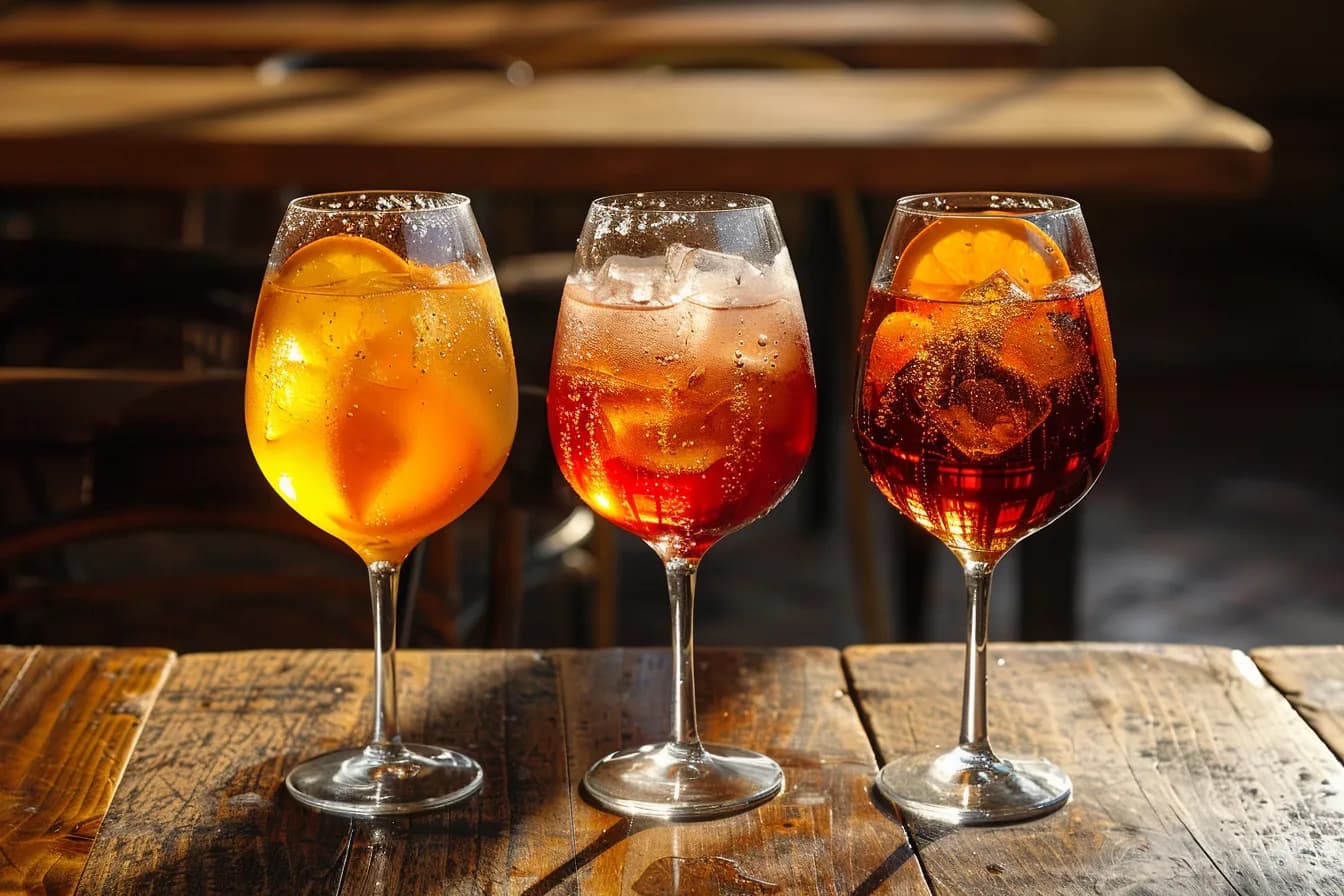
Homemade Spritz
Bitter, sparkling wine, soda, three building blocks, and one recipe turns into all the Spritz variations on the Italian aperitivo menu.
 Cocktails
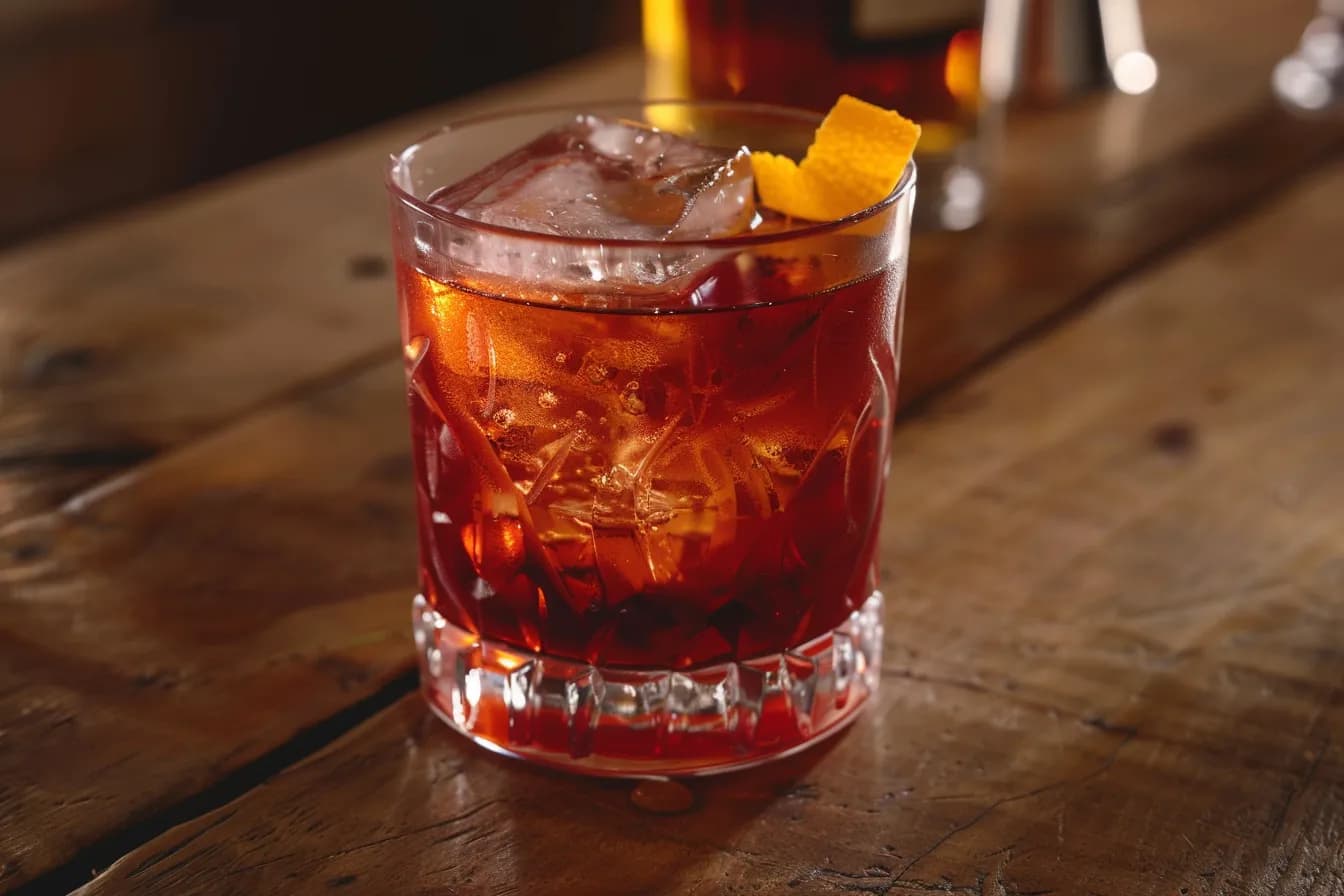
Negroni Sbagliato
The "mistaken" Negroni: Prosecco goes into the glass instead of gin, turning the heavy classic into an aperitif.
 Cocktails
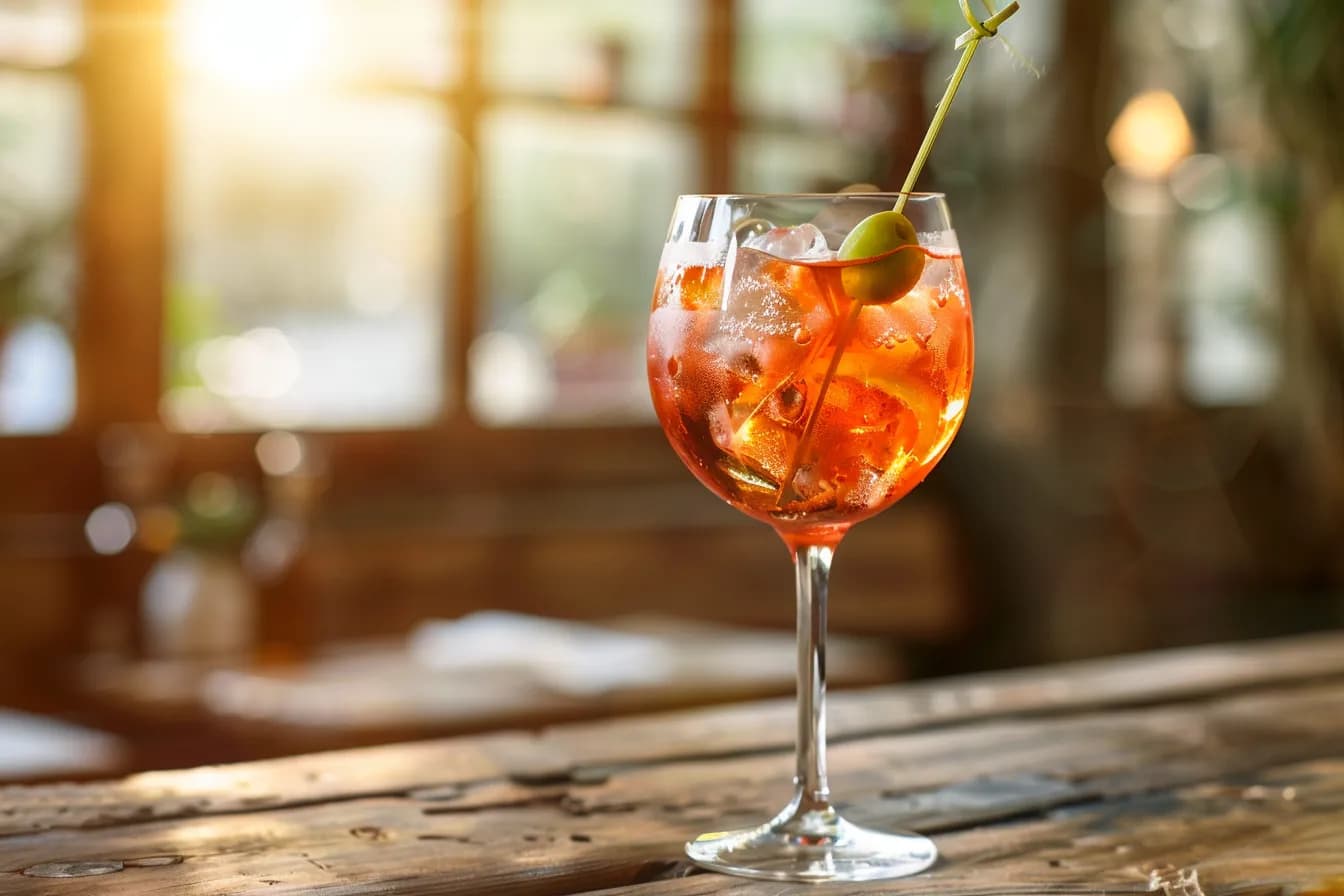
Select Spritz
The spritz you get in Venice when you simply order 'uno spritz', made with Select and an olive.