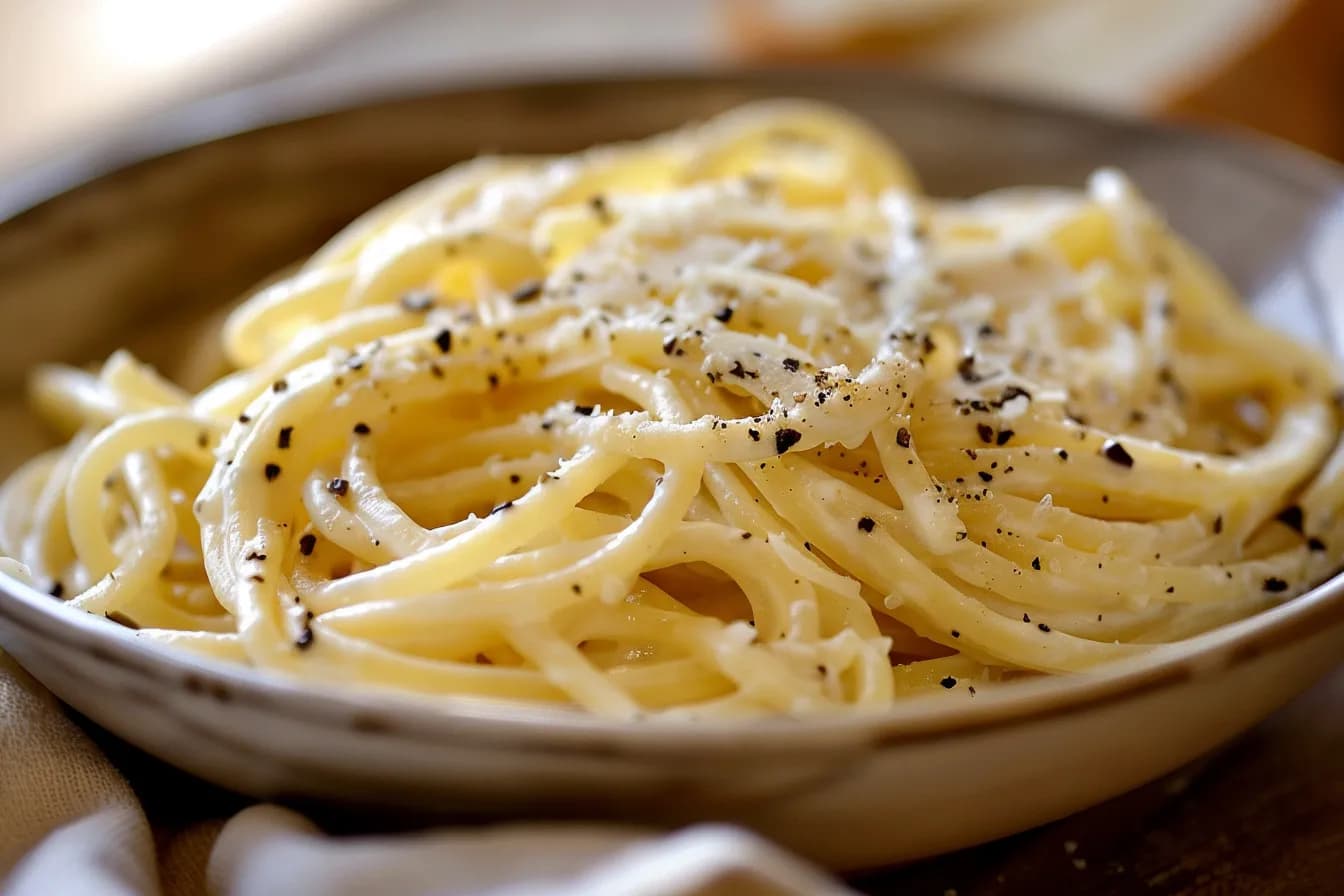
Cacio e Pepe
Just Pecorino, pepper, and pasta water, the high art of Roman simplicity.
- Preparation
- 5 min
- Cook/bake time
- 12 min
- Total
- 17 min
- Difficulty
- Medium
- Calories
- 578 kcal
- Servings
- 2
- Prep
- 5 min
- Cooking & baking
- 12 min
Three ingredients that pack a punch: Cacio e Pepe is the touchstone of any pasta kitchen. Grated Pecorino Romano, freshly ground black pepper, and starchy pasta water create a creamy emulsion that coats the pasta silkily, entirely without cream or butter. It all comes down to technique. When it succeeds, there is hardly anything better.
Why this works
Pecorino is a hard cheese with little water and a lot of protein. Above about 65 °C, its proteins contract, squeeze out the fat, and clumps form in an oily puddle. The starch from the pasta water forms a protective layer around the protein strands and prevents exactly that. Therefore, take the pan off the heat, use lukewarm water, and only then stir in the cheese.
Step-by-step instructions
- 1
Cook the pasta briefly
Cook the pasta al dente in a small amount of only lightly salted water. Less water means a lot of starch, and that is exactly what you need for the cream. Reserve plenty of pasta water.
- 2
Toast the pepper
Briefly toast the pepper in a dry pan until fragrant, then pour in a ladle of pasta water and let it simmer gently.
- 3
Cheese cream
Mix the Pecorino in a bowl with a few spoons of lukewarm, definitely not boiling, pasta water to form a smooth, thick cream. If the water is too hot, the cheese will clump immediately.
- 4
Emulsify
Add the drained pasta to the pan with the pepper and remove it from the heat. Add the cheese cream and toss vigorously, gradually working in pasta water until the sauce silkily coats every noodle.
- 5
Serve
Serve immediately with extra Pecorino and pepper, because Cacio e Pepe waits for no one.
Our best tips
- The most common mistake is that cheese that gets too hot will clump. Always mix with lukewarm pasta water and remove the pan from the heat.
- Use a small amount of cooking water, as the starchier it is, the creamier the emulsion will be.
- Only use real Pecorino Romano; Parmesan melts differently and tastes milder.
Tasty variations
With lemon
A little lemon zest brings freshness to the rich cheese sauce.
Gricia
Add crispy Guanciale, turning Cacio e Pepe into the related Pasta alla Gricia.
Nutrition facts
| Calories | 578 kcal |
|---|---|
| Protein | 30 g |
| Carbohydrates | 78 g |
| – of which sugar | 3 g |
| Fat | 16 g |
| Fiber | 4 g |
Where the 578 kcal come from
per serving
Calculated from the ingredients – how we do it
We add up reference values for every ingredient and divide by the number of servings. These assumptions are baked in:
- Reference values per 100 g – for the raw ingredient, exactly as listed.
- Tinned goods count at drained weight, bone-in meat at purchase weight: you eat about 70 per cent of a chicken thigh and leave the rest.
- Water evaporates as you cook. The energy stays in the pot, the weight does not – so the figure is per serving, not per 100 g of finished dish.
- Anything listed without a quantity – “salt and pepper” – is not counted.
A guide value, not a lab measurement: no two onions weigh the same, and fat content varies from pack to pack.
Frequently asked questions
Why is my cheese clumping?
The cheese came into contact with liquid that was too hot and curdled. Always mix the cream with lukewarm pasta water and toss the pasta with the cheese away from high heat.
Can I use Parmesan?
Classically, only Pecorino Romano is used, which is saltier and more savory. Parmesan melts differently and changes the taste and texture. A small addition is okay if pure Pecorino is too strong for you.
Why so little cooking water?
Less water means a higher starch concentration. It is this starch that, together with the cheese, forms the creamy emulsion that is the basis of the entire dish.
How many calories does Cacio e Pepe have?
One portion comes to around 520 kcal. Almost all of that is pasta and Pecorino. Skimping on the cheese does not work well, because it is the sauce and not an addition.
Comments & ratings(0)
Sign in to rate and comment on this recipe.
You might also like
 Dinner
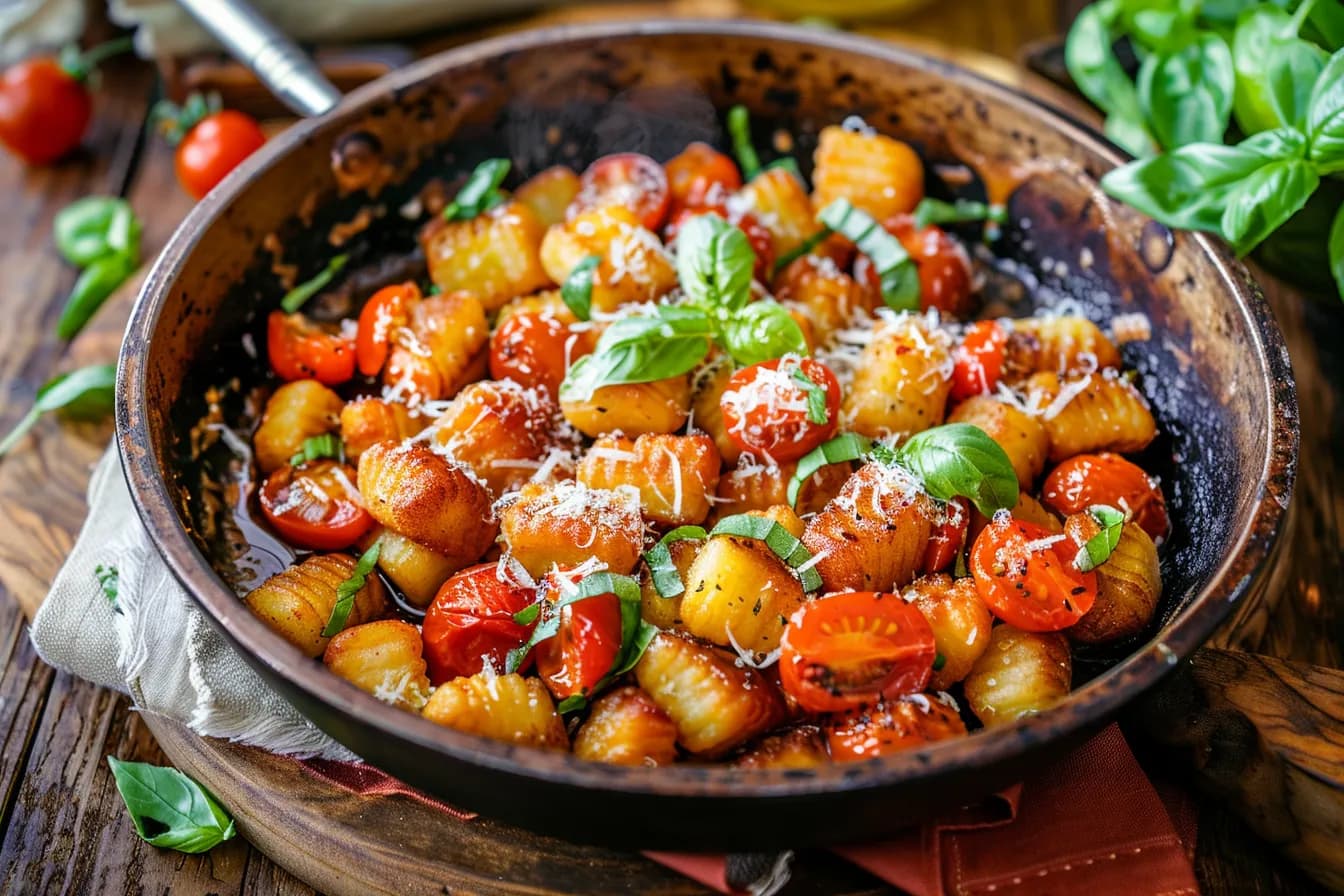
15-Minute Gnocchi Skillet
Refrigerated gnocchi go uncooked into the pan, and they become crispy on the outside.
 Dinner
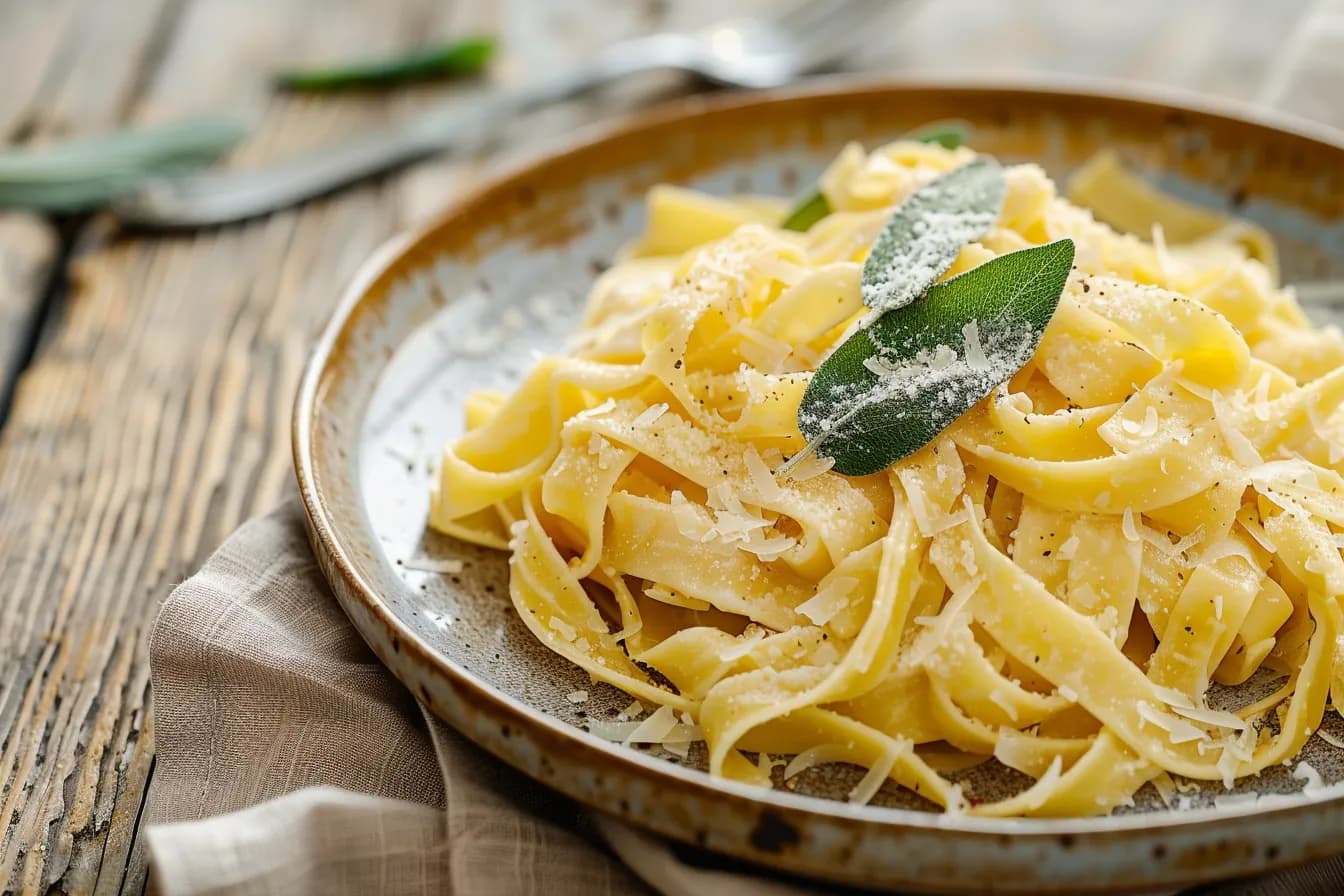
Brown Butter Sage Pasta
Three ingredients, eight minutes, and the best proof that butter is a flavor and not just a fat.
 Pasta
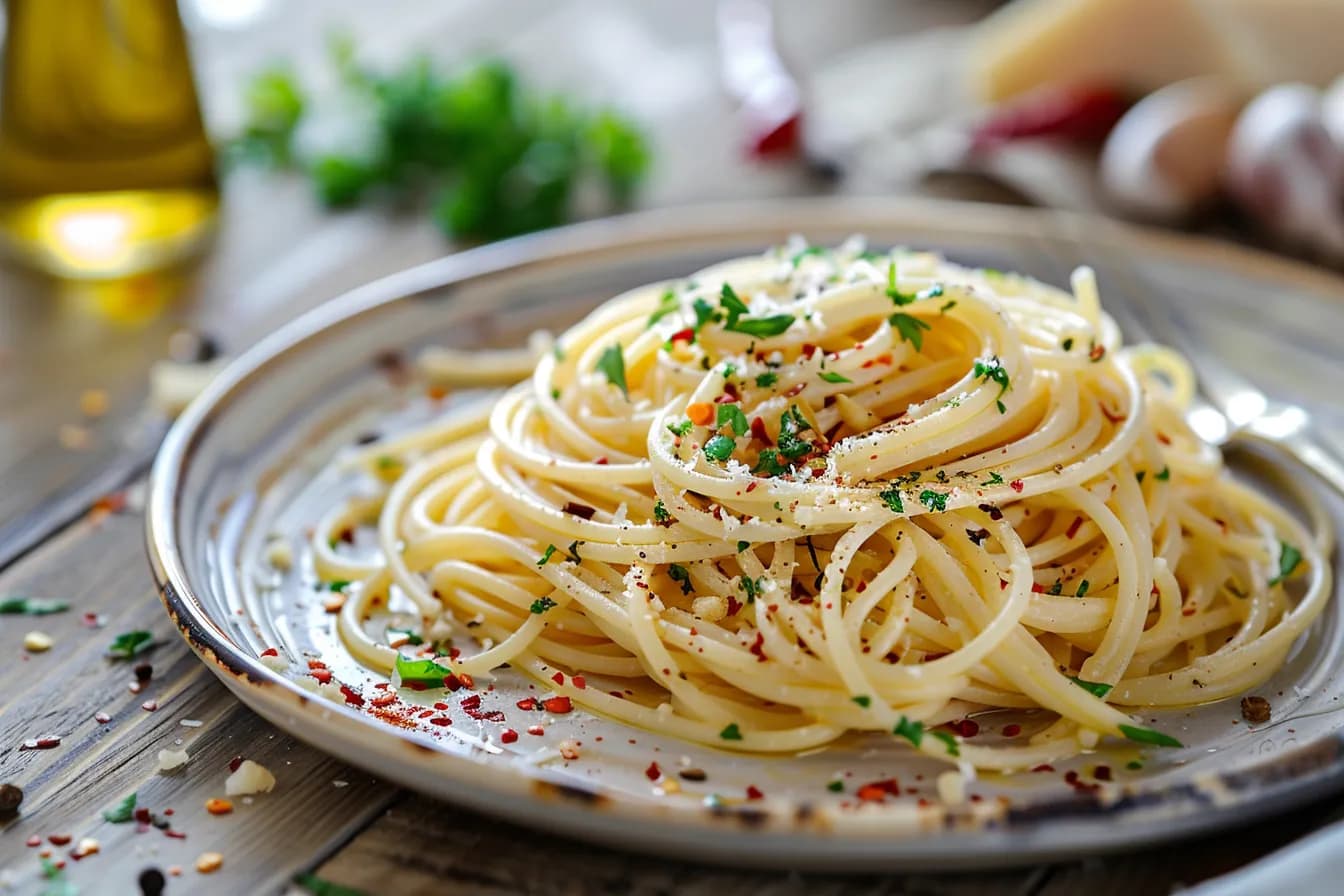
PastaSpaghetti Aglio e Olio
Garlic, good olive oil, chili, and parsley make this the fastest brilliant pasta dish ever.