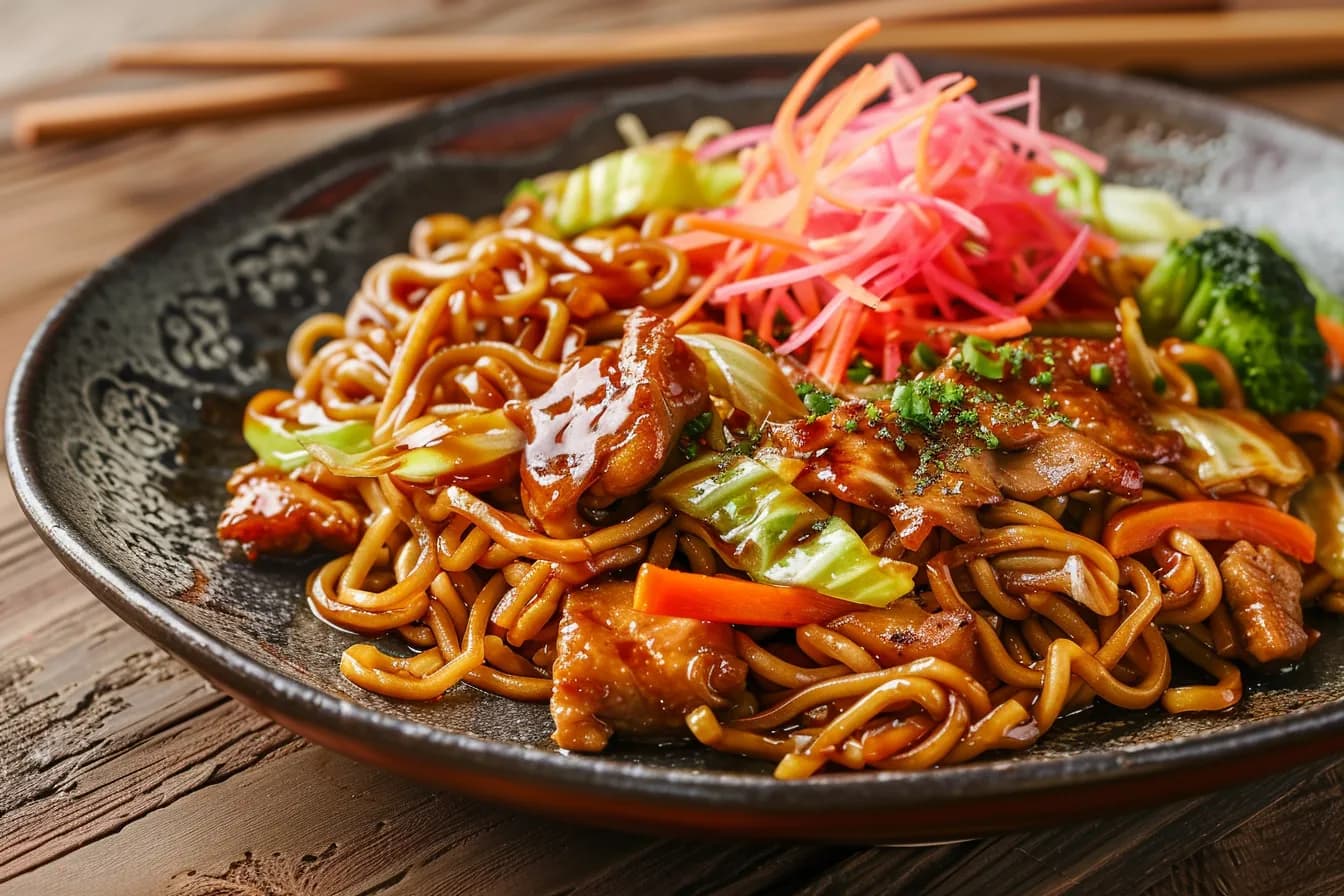
Japanese fried noodles with sweet and savory sauce, cabbage, and pork, just like at a summer festival. The Yakisoba sauce is a mixture of Worcestershire sauce, ketchup, and oyster sauce that goes surprisingly well together and gives the noodles a dark shine. A street food classic found at every matsuri in Japan.
Why this works
The sauce works because its three components bring different sources of umami. Worcestershire sauce provides fermented anchovies, oyster sauce provides clam extract, and ketchup provides concentrated tomato with plenty of glutamate. Such sources amplify each other disproportionately. Two together taste significantly more intense than double the amount of a single one. That is why the mixture seems much more complex than its ingredient list suggests.
Step-by-step instructions
- 1
Mix the sauce
Stir Worcestershire sauce, ketchup, oyster sauce, soy sauce, and sugar in a bowl until the sugar has dissolved. This combination sounds unusual but yields exactly the sweet, sour, and savory profile that makes Yakisoba unmistakable. Keep the bowl handy next to the stove.
- 2
Loosen the noodles
If you are using ready-made Yakisoba noodles from the refrigerated section, briefly place them in a bowl of hot water and carefully separate them with your fingers. Boil dry Mie noodles one minute less than indicated, rinse them cold, and drain them well.
- 3
Fry the meat
Heat 2 tablespoons of oil in a wok over high heat and fry the pork belly for about four minutes until it is crispy at the edges and has rendered its fat. The rendered fat remains in the wok because it will later carry a large part of the flavor into the noodles.
- 4
Add the vegetables
Add the onion and carrots to the meat and fry them for two minutes while stirring. Then add the white cabbage and cook for another two to three minutes until it collapses but still has a noticeable bite. Move everything constantly so that nothing burns and the vegetables cook evenly.
- 5
Noodles and sauce
Add the loosened noodles to the wok and pour the sauce over them. Fold everything thoroughly with two spatulas until the noodles have an even dark brown shine, and then let them fry undisturbed at the bottom for one minute so that roasted aromas form. Serve immediately with scallions, Beni Shoga, and Aonori.
Our best tips
- The cabbage can be roughly chopped. Large pieces are typical here and provide a good bite.
- Yakisoba sauce can be mixed in double quantities and keeps in the refrigerator for four weeks.
- Beni Shoga and Aonori are optional but make the visual and flavor difference to the original.
Tasty variations
Vegetarian
Omit the pork belly, fry 200 g of shiitake and 150 g of smoked tofu instead, and replace the oyster sauce with mushroom oyster sauce.
With a fried egg
Place a fried egg with a runny yolk on top of the portion. This is very popular and makes the noodles creamier.
Nutrition facts
| Calories | 692 kcal |
|---|---|
| Protein | 26 g |
| Carbohydrates | 97 g |
| – of which sugar | 14 g |
| Fat | 22 g |
| Fiber | 6 g |
Where the 692 kcal come from
per serving
Calculated from the ingredients – how we do it
We add up reference values for every ingredient and divide by the number of servings. These assumptions are baked in:
- Reference values per 100 g – for the raw ingredient, exactly as listed.
- Tinned goods count at drained weight, bone-in meat at purchase weight: you eat about 70 per cent of a chicken thigh and leave the rest.
- Water evaporates as you cook. The energy stays in the pot, the weight does not – so the figure is per serving, not per 100 g of finished dish.
- Anything listed without a quantity – “salt and pepper” – is not counted.
A guide value, not a lab measurement: no two onions weigh the same, and fat content varies from pack to pack.
Frequently asked questions
Are Yakisoba noodles buckwheat noodles?
No, despite the name. Soba simply means noodle here. Yakisoba noodles are wheat noodles, similar to Chinese Mie.
Can I use normal spaghetti?
In an emergency, yes. Cook them very al dente and rinse them cold. The texture is different, but the dish still works.
What is Aonori?
Finely ground green seaweed used as a seasoning. It gives a slightly maritime aroma and is an integral part of Yakisoba in Japan.
Comments & ratings(0)
Sign in to rate and comment on this recipe.
You might also like
 Dinner
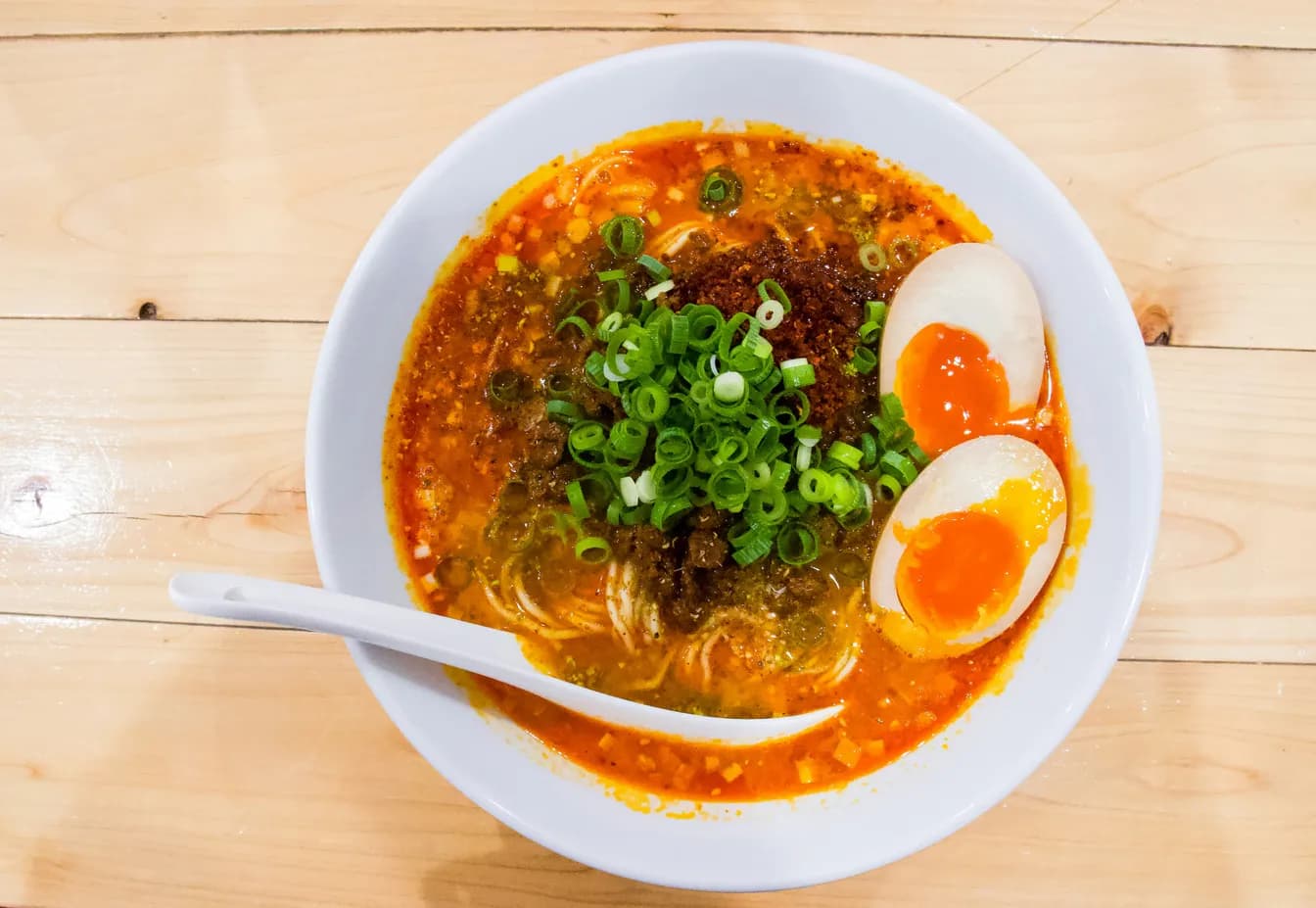
Tantanmen
Japanese ramen with sesame paste and chili oil, the Japanese answer to Sichuan dan dan noodles.
 Dinner
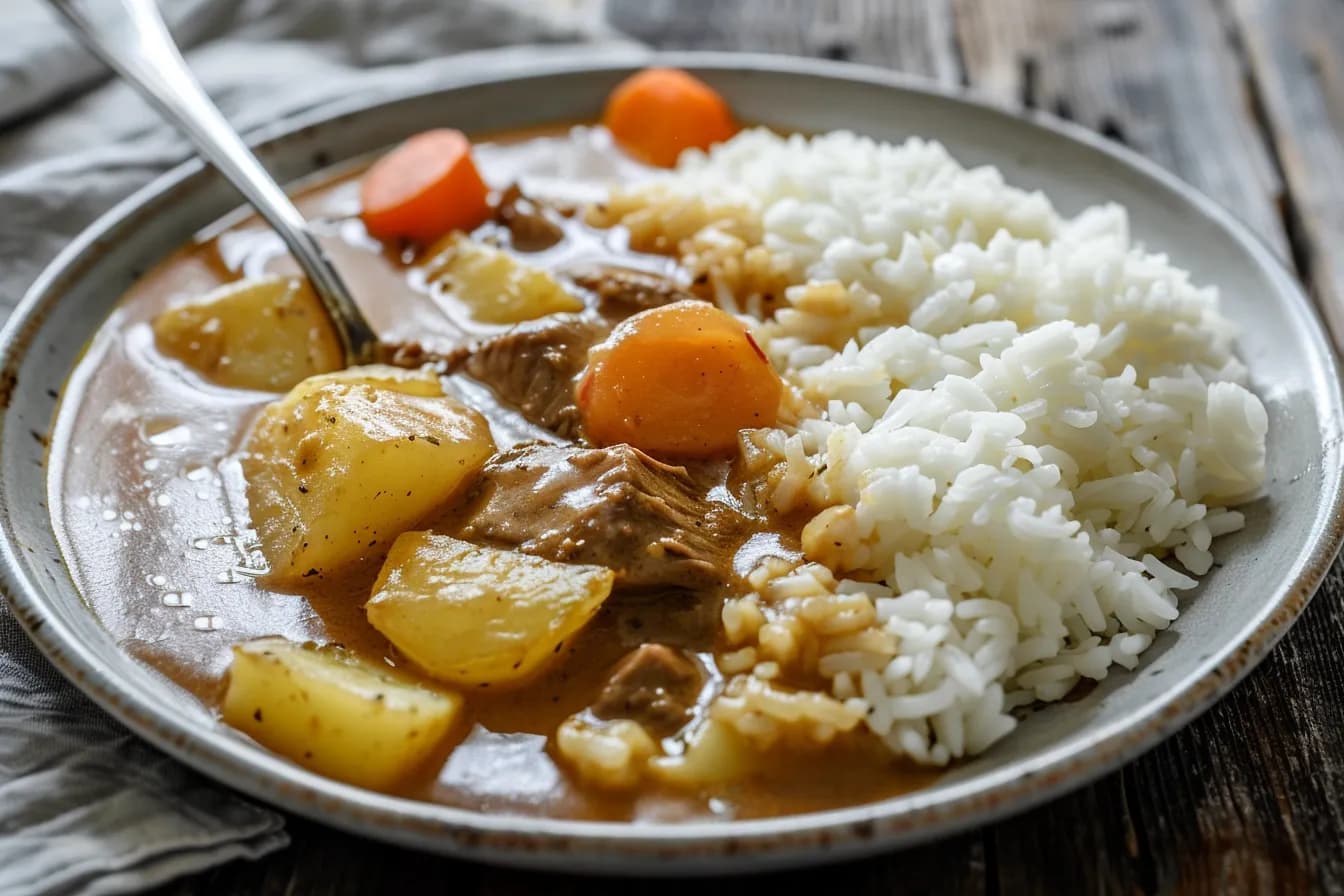
Japanese Curry
Kare Raisu: thick, mildly sweet curry with potatoes and carrots, thickened with a homemade curry roux.
 Dinner
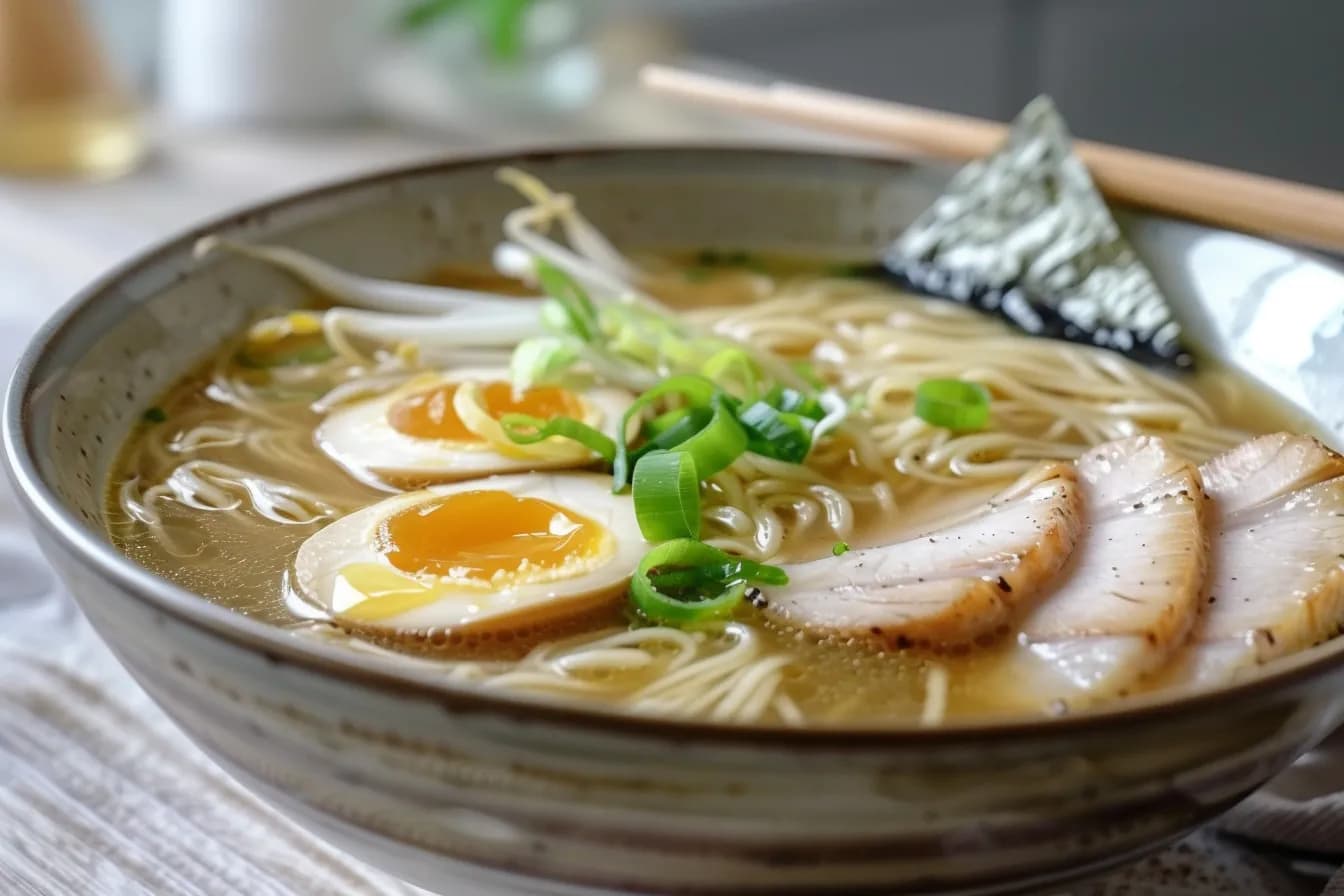
Shoyu Ramen
Clear soy sauce ramen with a marinated egg, the ramen bowl where you learn the craft.