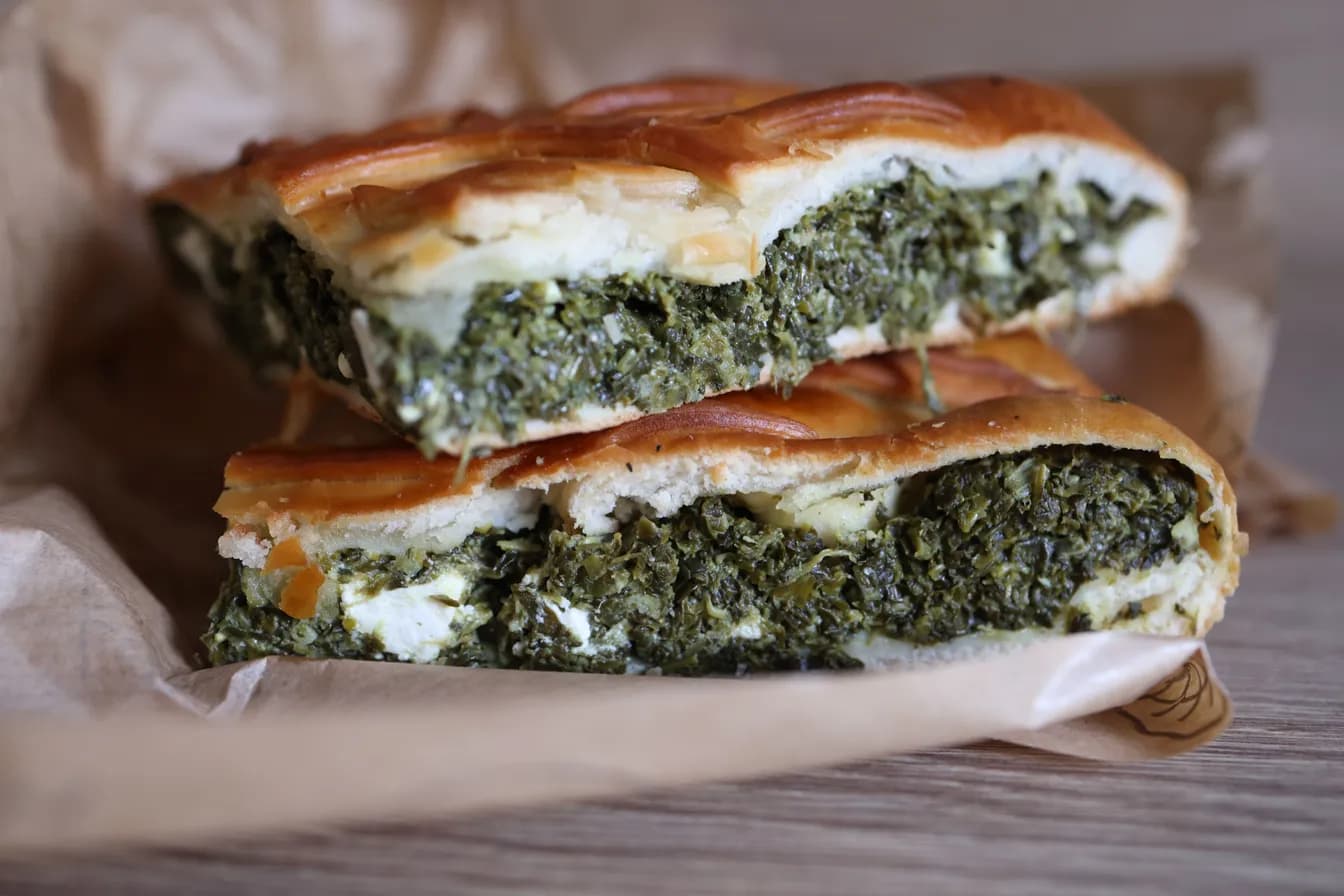
Spanakopita
Greek spinach and feta pie in phyllo dough, and the spinach needs to be as dry as you can get it.
- Preparation
- 45 min
- Cook/bake time
- 45 min
- Total
- 1 hr 50 min
- Difficulty
- Easy
- Calories
- 465 kcal
- Servings
- 8 pieces
- Prep
- 45 min
- Cooking & baking
- 45 min
- Resting
- 20 min
Only 1 hr 30 min of that is hands-on – the rest takes care of itself.
Greek spinach and feta pie in phyllo dough, and the spinach needs to be as dry as you can get it. Every milliliter of water left in the filling will soak the paper-thin dough sheets from the inside. Butter or olive oil goes between every layer, which is the only way the dough will flake.
Why this works
Unlike puff pastry, phyllo dough has no fat between the layers. They are simply paper-thin, dry sheets of dough. The fat is applied during the layering process itself, and this is exactly what creates the flaky structure. During baking, the water in each dough layer evaporates, and the fat in between prevents the sheets from sticking together, allowing them to lift off from one another individually. If brushing is skipped or done too sparingly, the layers will bake together into a solid slab. The second point is the filling. Spinach consists of over ninety percent water, and blanched spinach retains an astonishing amount of it. This water escapes as steam during baking and softens the lower dough layers, making the bottom soggy no matter how carefully it was layered. Squeezing it out vigorously is therefore the most important step in the entire recipe.
Step-by-step instructions
- 1
Blanch and squeeze the spinach
Blanch the spinach for 30 seconds, shock it in cold water and squeeze it out in portions with your hands as vigorously as you can. It is best to additionally use a kitchen towel. A surprising amount of water comes out, and every milliliter of it would soften the dough.
- 2
Mix the filling
Coarsely chop the squeezed spinach and mix it with feta, ricotta, eggs, scallions, dill and nutmeg. Use salt sparingly, as feta brings plenty of it. The mixture should be moldable and not release any liquid.
- 3
Layer the dough
Place six phyllo sheets individually into the greased pan and **brush each one individually** with butter, allowing the edges to overhang. Only brushed layers will lift off from one another during baking. Without fat in between, they will bake together into a slab.
- 4
Fill and close
Spread the filling on top, fold the overhanging edges over it and cover with six more sheets, also brushed individually. Pre-cut the surface into pieces now, as the dough will shatter under the knife after baking.
- 5
Bake
Brush the surface with the remaining butter, sprinkle sesame seeds over it and bake the spanakopita at 180 °C for about 45 minutes until golden brown. Let it rest for twenty minutes. The filling is still liquid when hot, but it holds its shape when lukewarm.
Our best tips
- Really squeeze the spinach until nothing more comes out. It is the one step where spanakopita fails.
- Brush each phyllo sheet individually. It takes ten minutes and is the reason why the dough flakes at all.
- Phyllo dough dries out in the air in minutes. Keep the sheets you are not currently working on under a slightly damp towel.
Tasty variations
As rolls
Place the filling in strips on individual phyllo sheets and twist into rolls. In Greece, this is finger food on every buffet.
With puff pastry
Instead of phyllo dough, use two rolls of puff pastry. Significantly faster and less prone to errors, but noticeably heavier and less flaky.
Nutrition facts
| Calories | 465 kcal |
|---|---|
| Protein | 19 g |
| Carbohydrates | 31 g |
| – of which sugar | 4 g |
| Fat | 29 g |
| Fiber | 4 g |
Where the 465 kcal come from
per serving
Calculated from the ingredients – how we do it
We add up reference values for every ingredient and divide by the number of servings. These assumptions are baked in:
- Reference values per 100 g – for the raw ingredient, exactly as listed.
- Tinned goods count at drained weight, bone-in meat at purchase weight: you eat about 70 per cent of a chicken thigh and leave the rest.
- Water evaporates as you cook. The energy stays in the pot, the weight does not – so the figure is per serving, not per 100 g of finished dish.
- Anything listed without a quantity – “salt and pepper” – is not counted.
A guide value, not a lab measurement: no two onions weigh the same, and fat content varies from pack to pack.
Frequently asked questions
Why is my bottom soggy?
The spinach was not squeezed out enough. Blanched spinach retains an astonishing amount of water, which escapes as steam during baking and softens the lower dough layers.
How many calories does a piece of spanakopita have?
Around 465 kcal per piece for eight pieces. Butter and feta together make up the majority. With olive oil instead of butter, the value hardly changes, but the taste certainly does.
Do I have to brush each phyllo sheet individually?
Yes. Phyllo dough has no fat between the layers. It is applied during layering, and only this allows the layers to lift off from one another during baking. Without fat, they bake together into a slab.
Can I freeze it?
Yes, preferably unbaked. Freeze it completely layered and bake from frozen at 180 °C for about 60 minutes. If baked and frozen, the dough will become soft when thawed.
Comments & ratings(0)
Sign in to rate and comment on this recipe.
You might also like
 Dinner
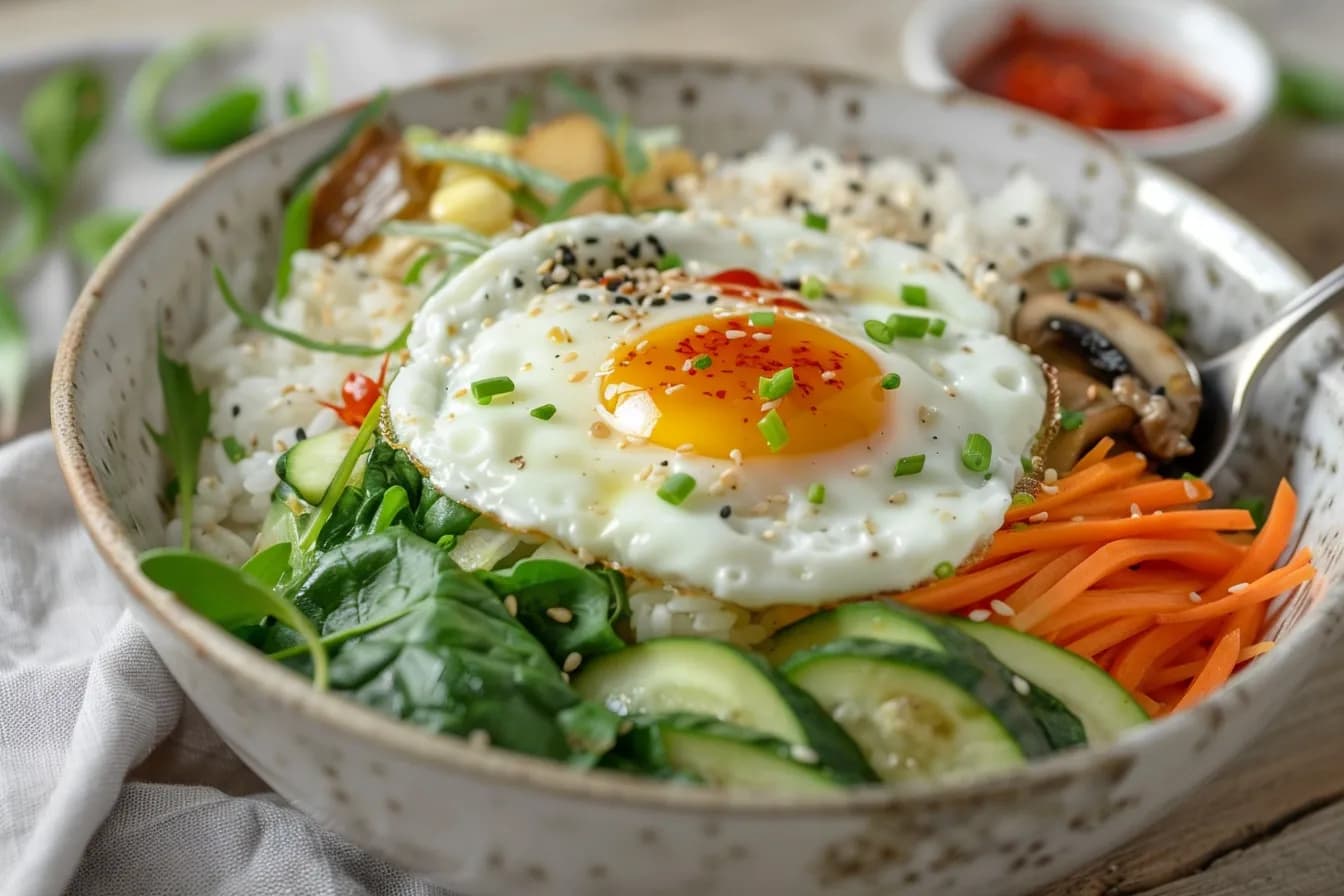
Bibimbap
Korean rice bowl with five individually seasoned vegetables, egg, and gochujang, meaning "mixed rice", and that is meant literally.
 Dinner
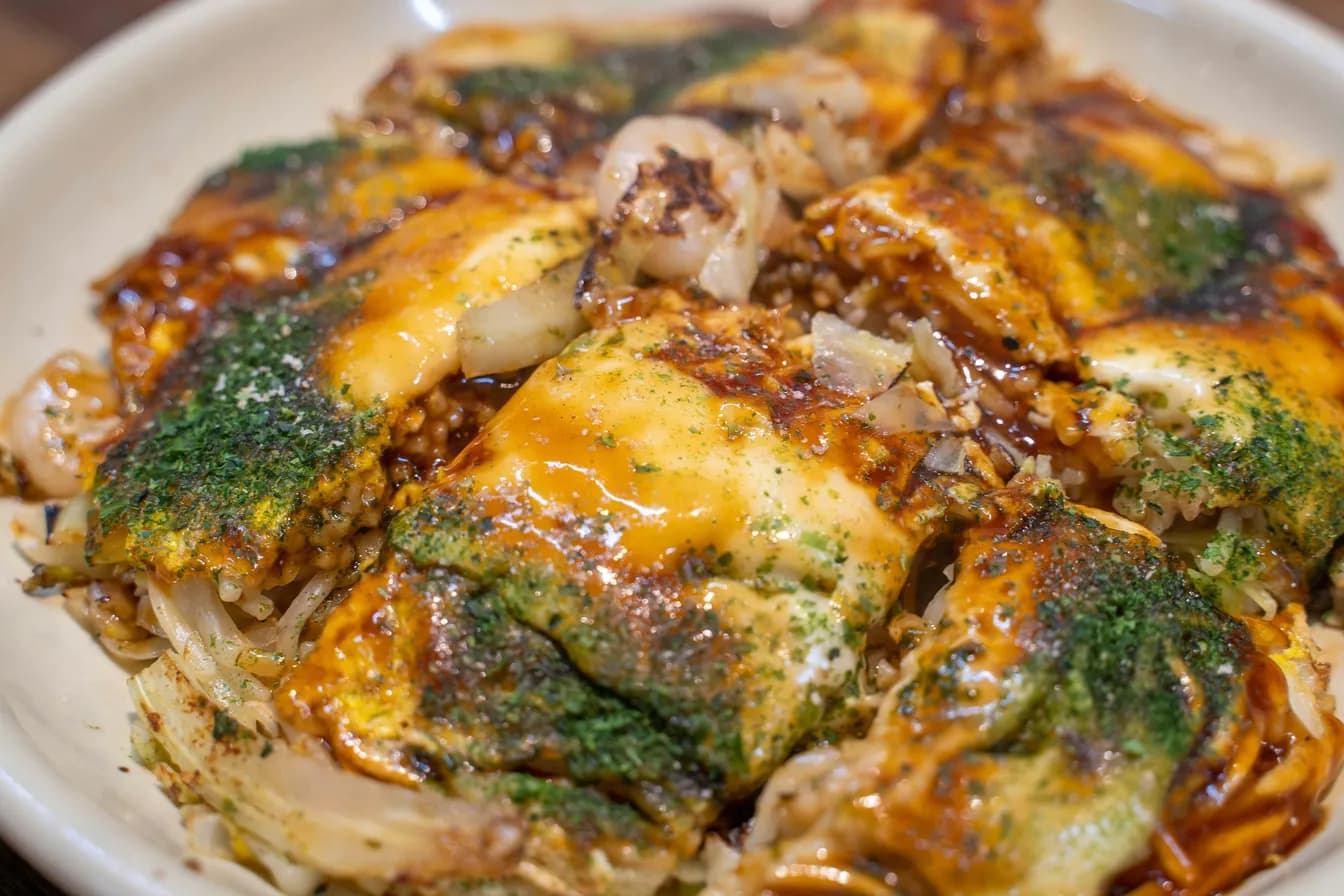
Okonomiyaki
Savory Japanese pancake with white cabbage, "grill what you like", and the cabbage makes it juicy instead of heavy.
 Basic Recipes
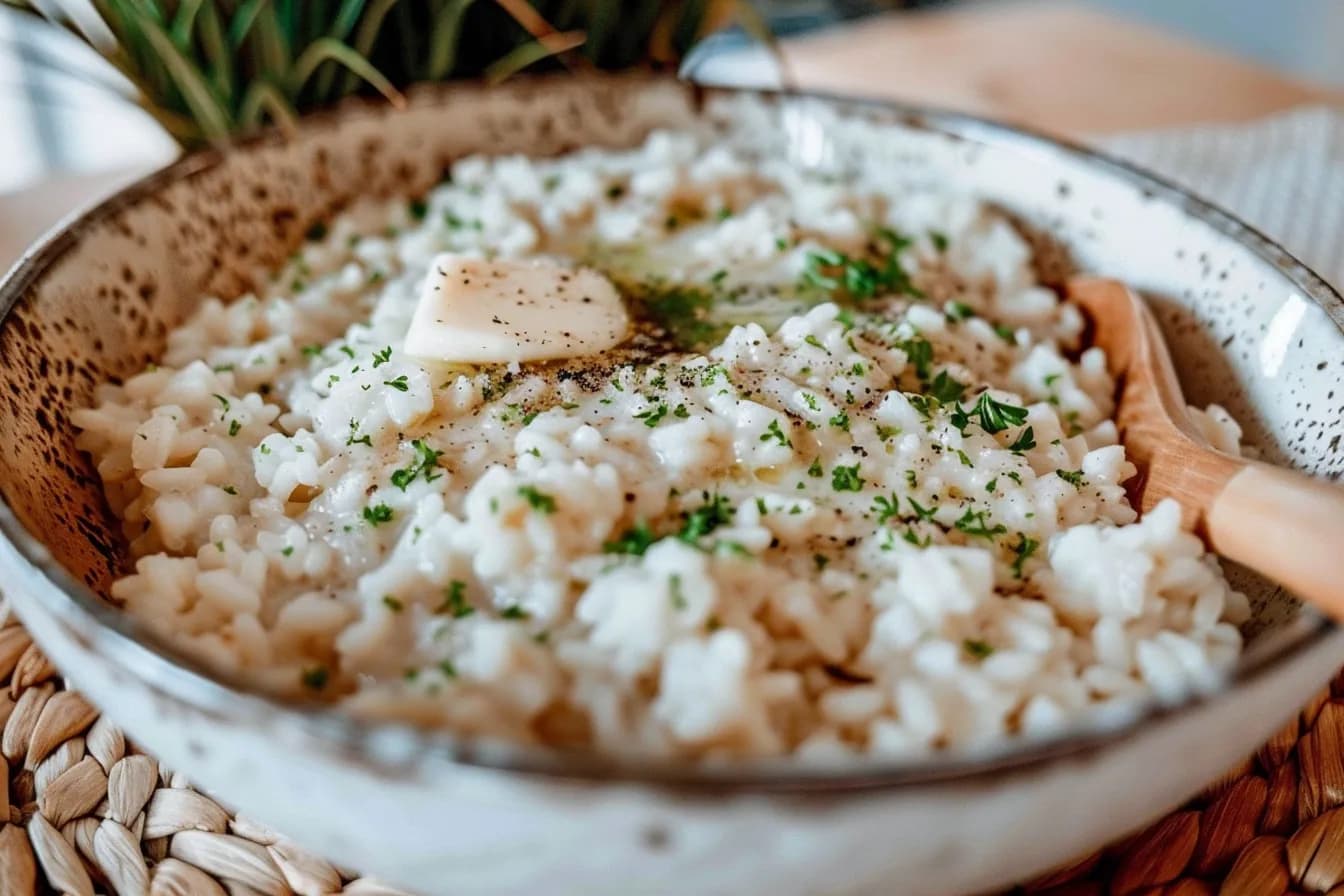
Risotto
The basic technique for any risotto, along with the explanation of why cold butter is added at the end.