Bibimbap
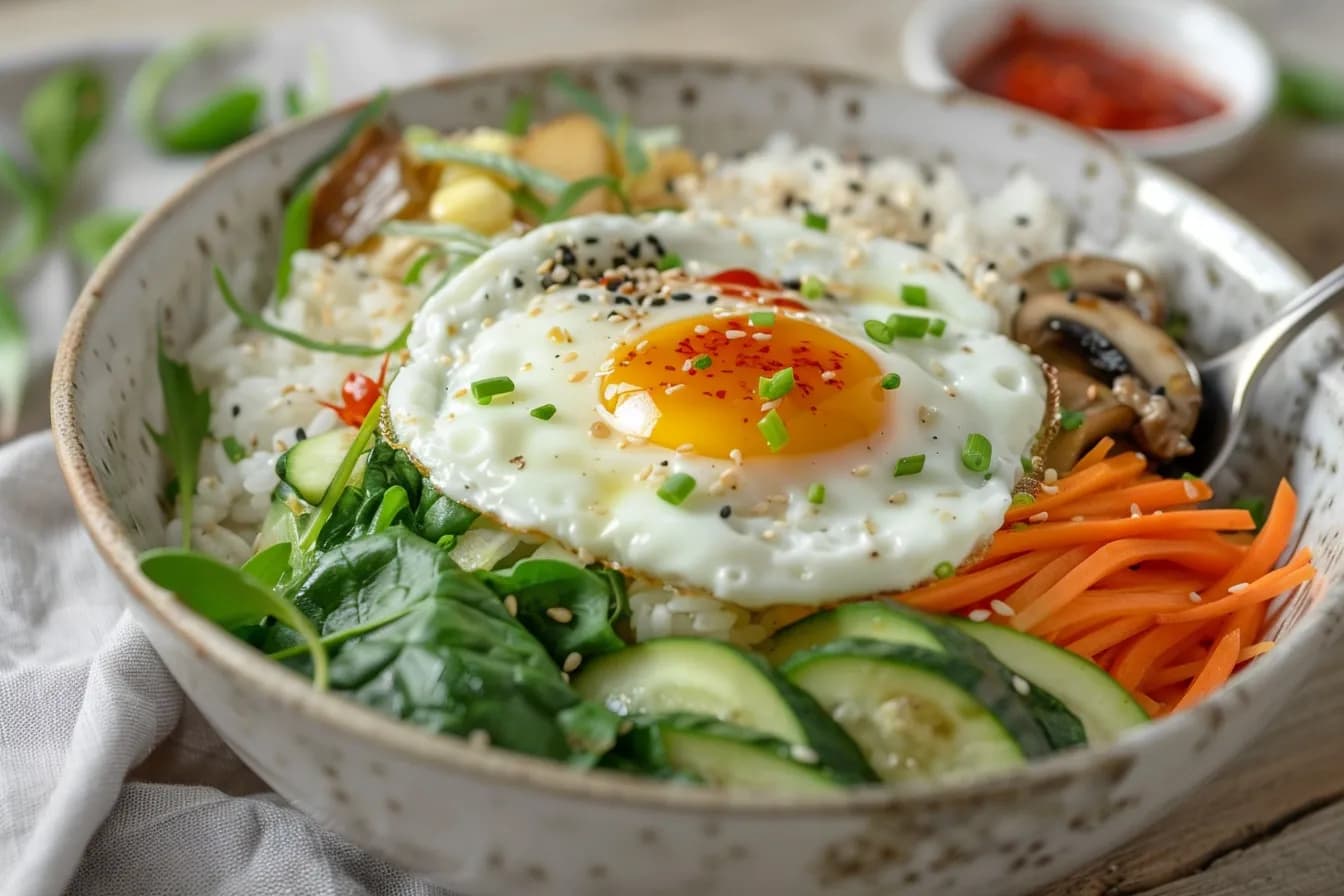
Korean rice bowl with five individually seasoned vegetables, egg, and gochujang, meaning "mixed rice", and that is meant literally.
- Preparation
- 25 min
- Cook/bake time
- 40 min
- Total
- 1 hr 5 min
- Difficulty
- Easy
- Calories
- 611 kcal
- Servings
- 4
- Prep
- 25 min
- Cooking & baking
- 40 min
Korean rice bowl with five individually seasoned vegetables, egg, and gochujang, meaning "mixed rice", and that is meant literally. Each vegetable is blanched and seasoned separately, and that is exactly where the effort and the point lie: before stirring, you recognize five flavors, and after, a new one. If you throw everything together in the pan, you get a vegetable stir-fry.
Why this works
Bibimbap literally means "mixed rice", and the separate seasoning is the prerequisite for the mixing to achieve anything at all. Each vegetable is treated as its own namul, blanched, squeezed out, and seasoned with sesame oil, garlic, and salt. The crucial step here is the squeezing: blanched vegetables are full of water, and this water dilutes both its own seasoning and the gochujang sauce when mixed, so that in the end everything tastes equally bland. Squeezed out, however, the same vegetable properly absorbs the marinade. The second building block is the rice crust at the bottom of the bowl when serving bibimbap in a hot stone bowl: at over 150 degrees, the starch caramelizes at the contact surface and becomes crispy, giving the soft bowl a third texture.
Step-by-step instructions
- 1
Cook the rice
Cook the short-grain rice and let it steam off covered. It should be sticky enough to mix with the vegetables without turning to mush, as long-grain rice falls apart when stirred and does not carry the sauce.
- 2
Blanch vegetables individually
Blanch one after the other in the same water: bean sprouts for two minutes, spinach for thirty seconds, carrots for one minute. Immediately shock each in cold water and squeeze it out vigorously. This squeezing is the step everyone underestimates, as wet vegetables water down the entire bowl.
- 3
Season each vegetable individually
Mix each vegetable in its own bowl with a little sesame oil, grated garlic, salt, and sesame seeds. Zucchini and mushrooms are instead briefly fried in the pan because they have too much water. There are five small portions, which is exactly what makes bibimbap.
- 4
Sauce and fried egg
Stir gochujang, sesame oil, rice vinegar, sugar, and water into a smooth sauce. Fry the eggs sunny-side up with a runny yolk, as the yolk is what binds everything together and cushions the heat when mixed.
- 5
Serving
Distribute the rice among four bowls and place the five vegetables on top in a radial pattern, each on its own. Place the fried egg in the middle and add the sauce next to it. At the table, everything is mixed vigorously, and only then is it bibimbap.
Our best tips
- Squeezing out the blanched vegetables is not optional. It is the difference between a flavorful bowl and a watery one.
- Blanch all vegetables in the same water, from the mildest to the strongest. This saves time and washing up, and the spinach at the end bothers no one.
- The namul can be prepared two to three days in advance and stored separately in the refrigerator. This turns bibimbap into a ten-minute meal in the evening.
Tasty variations
Dolsot Bibimbap
Serve in a well-oiled, very hot stone bowl or cast-iron pan. The rice forms a crispy crust at the bottom that you scrape off at the end, which is the best part for many.
With beef
Marinate 200 g of thinly sliced beef fillet in soy sauce, sesame oil, garlic, and sugar, and sear it hot. This is the classic restaurant version.
Nutrition facts
| Calories | 611 kcal |
|---|---|
| Protein | 19 g |
| Carbohydrates | 77 g |
| – of which sugar | 13 g |
| Fat | 24 g |
| Fiber | 6 g |
Where the 611 kcal come from
per serving
Calculated from the ingredients – how we do it
We add up reference values for every ingredient and divide by the number of servings. These assumptions are baked in:
- Reference values per 100 g – for the raw ingredient, exactly as listed.
- Tinned goods count at drained weight, bone-in meat at purchase weight: you eat about 70 per cent of a chicken thigh and leave the rest.
- Water evaporates as you cook. The energy stays in the pot, the weight does not – so the figure is per serving, not per 100 g of finished dish.
- Anything listed without a quantity – “salt and pepper” – is not counted.
A guide value, not a lab measurement: no two onions weigh the same, and fat content varies from pack to pack.
Frequently asked questions
How many calories does bibimbap have?
Around 610 kcal per portion in the vegetarian version. Rice and sesame oil together make up a good half, so if you want to save calories, reduce the sesame oil, not the vegetables.
Do I really have to season each vegetable individually?
For real bibimbap, yes. The appeal lies in seeing and tasting five different flavors before stirring. Fried all together, it makes a good vegetable stir-fry, but not bibimbap.
What is gochujang?
A fermented Korean paste made from chili, glutinous rice, and soybeans. It is spicy, but at the same time sweetish and deeply umami, and cannot really be replaced by anything. Sriracha is significantly spicier and has no depth of fermentation.
Is bibimbap suitable for meal prep?
Very well. The five namul keep for three days separately in the refrigerator, as does the rice. Only the egg is fried fresh, then the bowl is ready in ten minutes.
Comments & ratings(0)
Sign in to rate and comment on this recipe.
You might also like
 Lunch
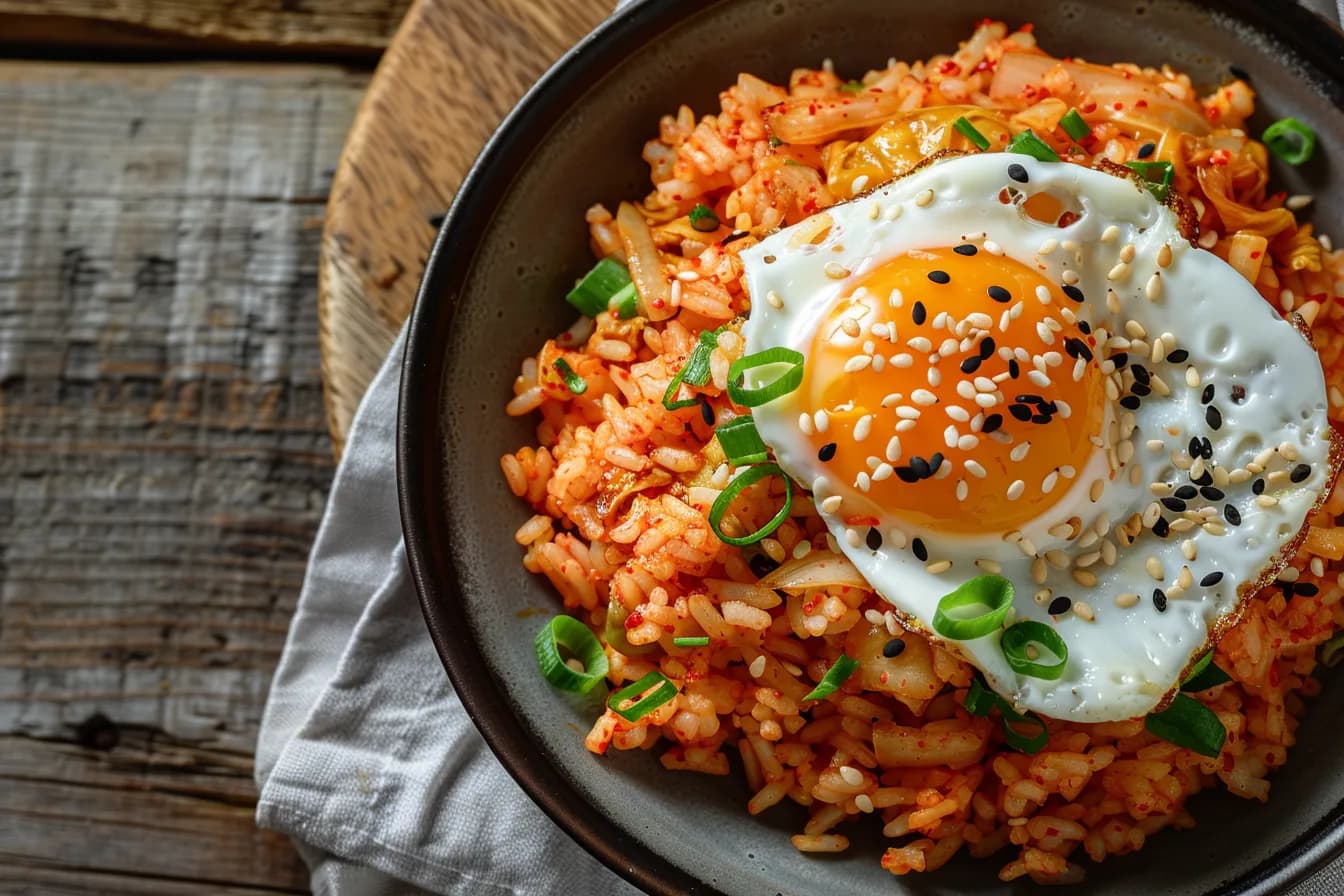
LunchKimchi Fried Rice
Spicy and sour fried rice made from ripe kimchi, topped with a fried egg with a runny yolk.
 Meal Prep
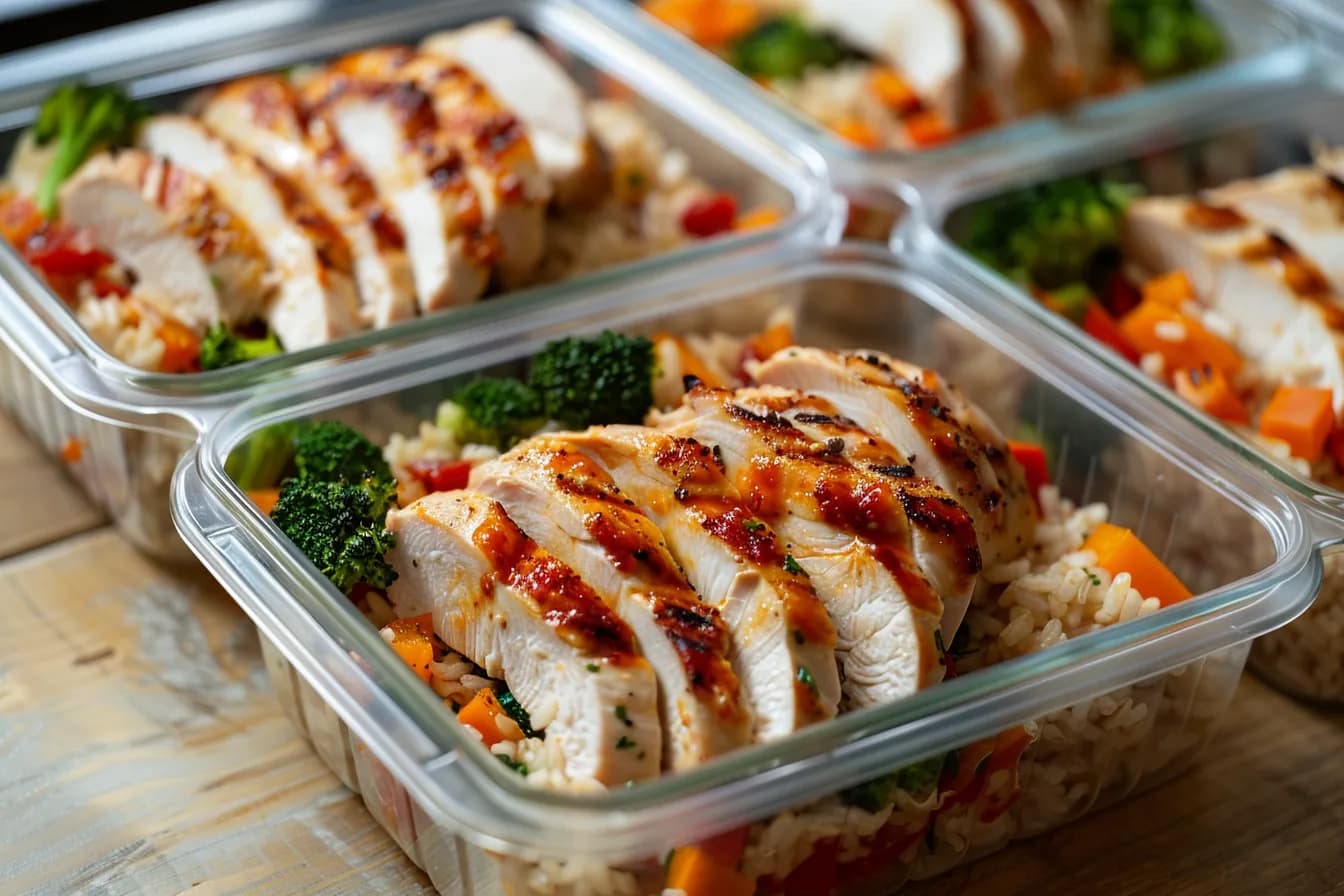
Chicken Meal Prep Boxes
Four boxes for the week in forty minutes, with the trick that prevents chicken from being dry on the third day.
 Dinner
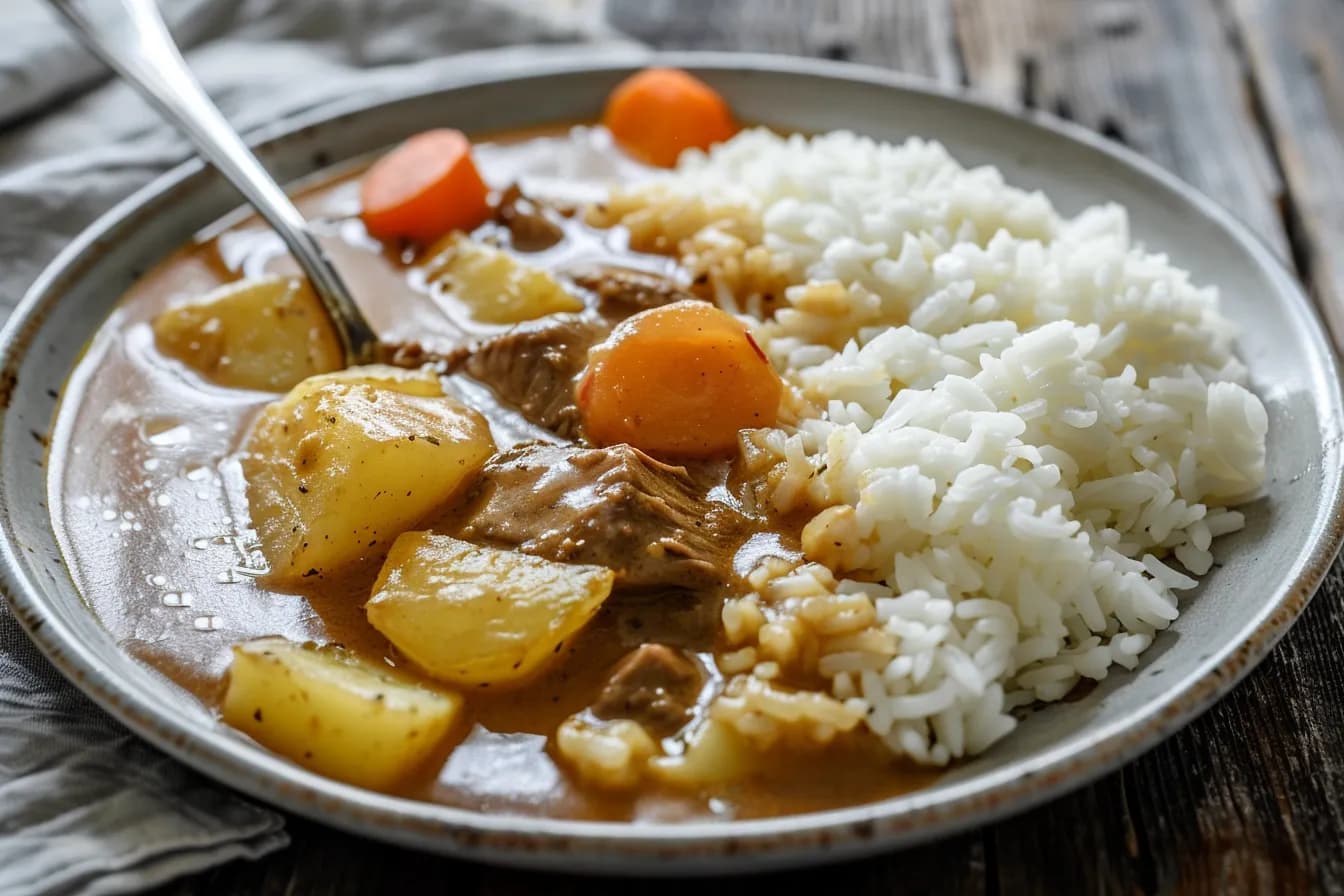
Japanese Curry
Kare Raisu: thick, mildly sweet curry with potatoes and carrots, thickened with a homemade curry roux.