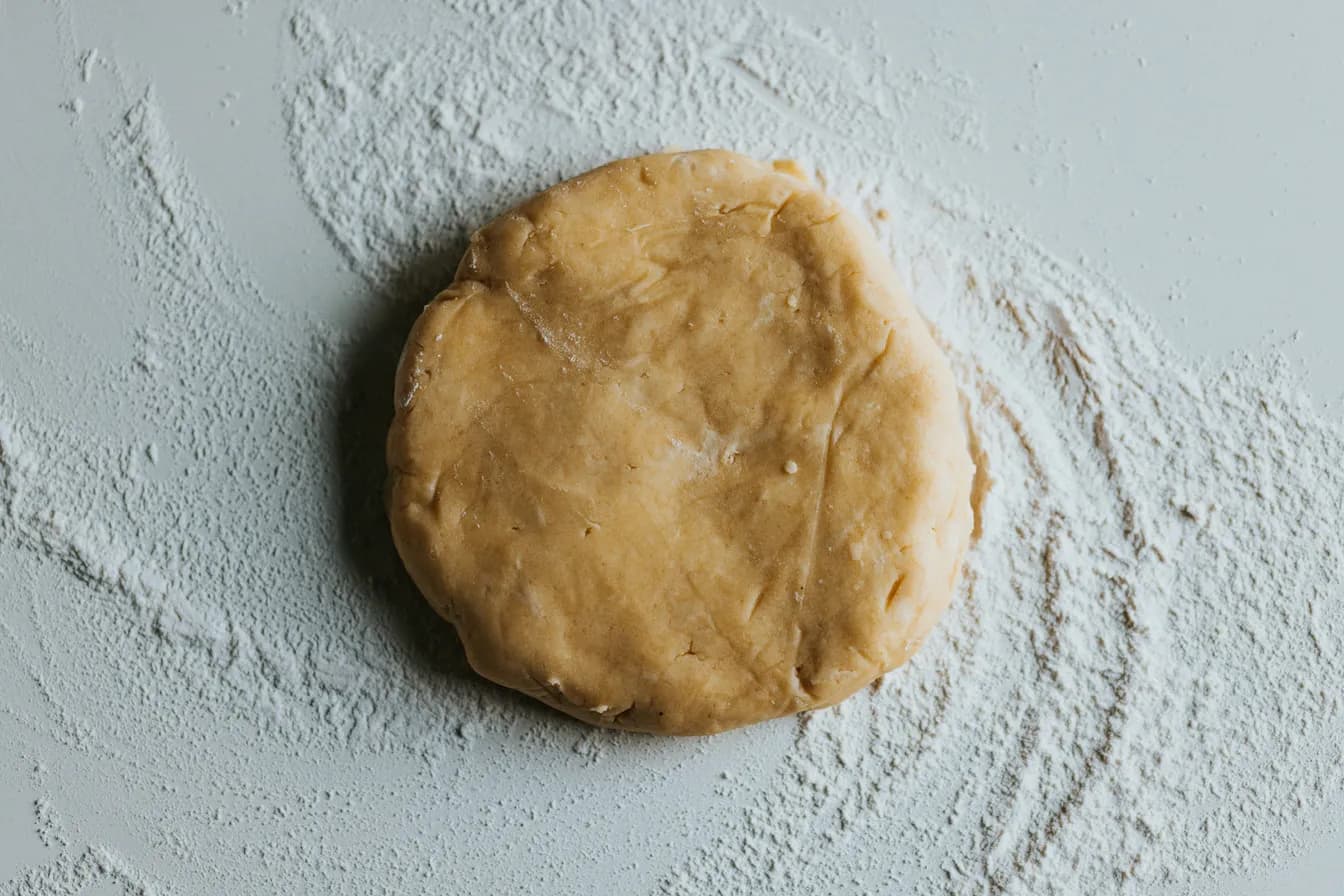
Shortcrust Pastry
1-2-3 dough for tarts, cookies, and covered cakes, along with the rule of why it must not be kneaded.
- Preparation
- 15 min
- Cook/bake time
- –
- Total
- 1 hr 15 min
- Difficulty
- Easy
- Calories
- 250 kcal
- Servings
- 12 pieces
- Prep
- 15 min
- Resting
- 1 hr
Only 15 min of that is hands-on – the rest takes care of itself.
1-2-3 dough for tarts, cookies, and covered cakes, along with the rule of why it must not be kneaded. The ratio is one part sugar, two parts butter, and three parts flour, and you can derive a lot from this without looking for a recipe. It becomes crumbly because of what you omit.
Why this works
Shortcrust pastry is the only dough where the goal is to form as little gluten as possible. Gluten is created when flour proteins come into contact with water and are mechanically processed. In bread, this is exactly what is desired, but in shortcrust pastry, it ruins everything because it makes the dough tough and elastic instead of short and crumbly. The cold butter is the countermeasure. It coats the flour particles with a film of fat before the water from the egg can reach them, and where no water reaches, no gluten is formed. Warm butter, on the other hand, absorbs into the flour instead of coating it, and the protective effect is lost. The hour in the refrigerator works on two levels. The fat becomes firm again, and the gluten strands that have formed despite all precautions relax. An unrested dough contracts during baking and slides down the edges of the pan.
Step-by-step instructions
- 1
Crumble dry ingredients with butter
Put flour, sugar, and salt in a bowl and rub in the ice cold butter cubes with your fingertips until a crumbly mixture forms. Use fingertips instead of palms. The palm of the hand is significantly warmer and melts the butter, which should remain cold.
- 2
Add egg, briefly combine
Add the egg and press everything together only until the dough just holds, at most one minute. It can still look crumbly. Every additional half minute of kneading makes it tougher, and this cannot be undone.
- 3
Flatten and chill
Shape the dough into a flat disk instead of a ball, wrap it in foil, and chill it for at least one hour. Chilled flat, it cools evenly and can be rolled out immediately. A ball is firm on the outside and still soft on the inside.
- 4
Roll out
Roll out the dough between two layers of parchment paper to about 3 mm thin. This way, no additional flour is needed, which makes the dough dry, and it can be lifted with the paper without tearing. If it becomes soft while working, return it to the refrigerator for ten minutes.
Our best tips
- Cold water does not help, but cold butter does. If you have warm hands, work with two knives or briefly in the food processor. Heat is the main enemy.
- For a lattice crust, cut the dough into 1.5 cm wide strips and weave them alternately over and under. The strips must be well chilled, otherwise they will tear when braiding.
- For blind baking tarts, cover the dough with parchment paper, weigh it down with legumes, and pre-bake for 15 minutes at 180 °C. Without this, the base will never become crispy under moist fillings.
Tasty variations
With almonds
Replace 50 g of flour with ground almonds. The dough becomes even more crumbly because almonds do not form gluten, and it tastes significantly more rounded.
Savory for quiche
Omit the sugar, increase the salt to one teaspoon, and use one tablespoon of ice cold water instead of half an egg. This is the base for Quiche Lorraine and vegetable tarts.
Nutrition facts
| Calories | 250 kcal |
|---|---|
| Protein | 3 g |
| Carbohydrates | 27 g |
| – of which sugar | 9 g |
| Fat | 14 g |
| Fiber | 1 g |
Where the 250 kcal come from
per serving
Calculated from the ingredients – how we do it
We add up reference values for every ingredient and divide by the number of servings. These assumptions are baked in:
- Reference values per 100 g – for the raw ingredient, exactly as listed.
- Tinned goods count at drained weight, bone-in meat at purchase weight: you eat about 70 per cent of a chicken thigh and leave the rest.
- Water evaporates as you cook. The energy stays in the pot, the weight does not – so the figure is per serving, not per 100 g of finished dish.
- Anything listed without a quantity – “salt and pepper” – is not counted.
A guide value, not a lab measurement: no two onions weigh the same, and fat content varies from pack to pack.
Frequently asked questions
Why does my shortcrust pastry become hard instead of crumbly?
Kneaded too long or butter too warm. Both lead to the formation of gluten, which is exactly what should not happen in this dough. It can still look crumbly when it goes into the foil.
What does 1-2-3 dough mean?
The weight ratio of sugar, butter, and flour is one part sugar, two parts butter, and three parts flour. You can derive a lot from this. 50 g, 100 g, and 150 g make a small tart base.
How many calories are in a piece?
Around 250 kcal per piece if the whole dough is divided into twelve pieces. Two thirds of this comes from the butter, which is also the reason for the crumbly texture.
Why does my dough shrink in the pan?
It has not rested long enough. Rolling out creates tension in the dough, which must be released in the refrigerator, otherwise the edge will pull back during baking and slide down.
Comments & ratings(0)
Sign in to rate and comment on this recipe.
You might also like
 Basic Recipes
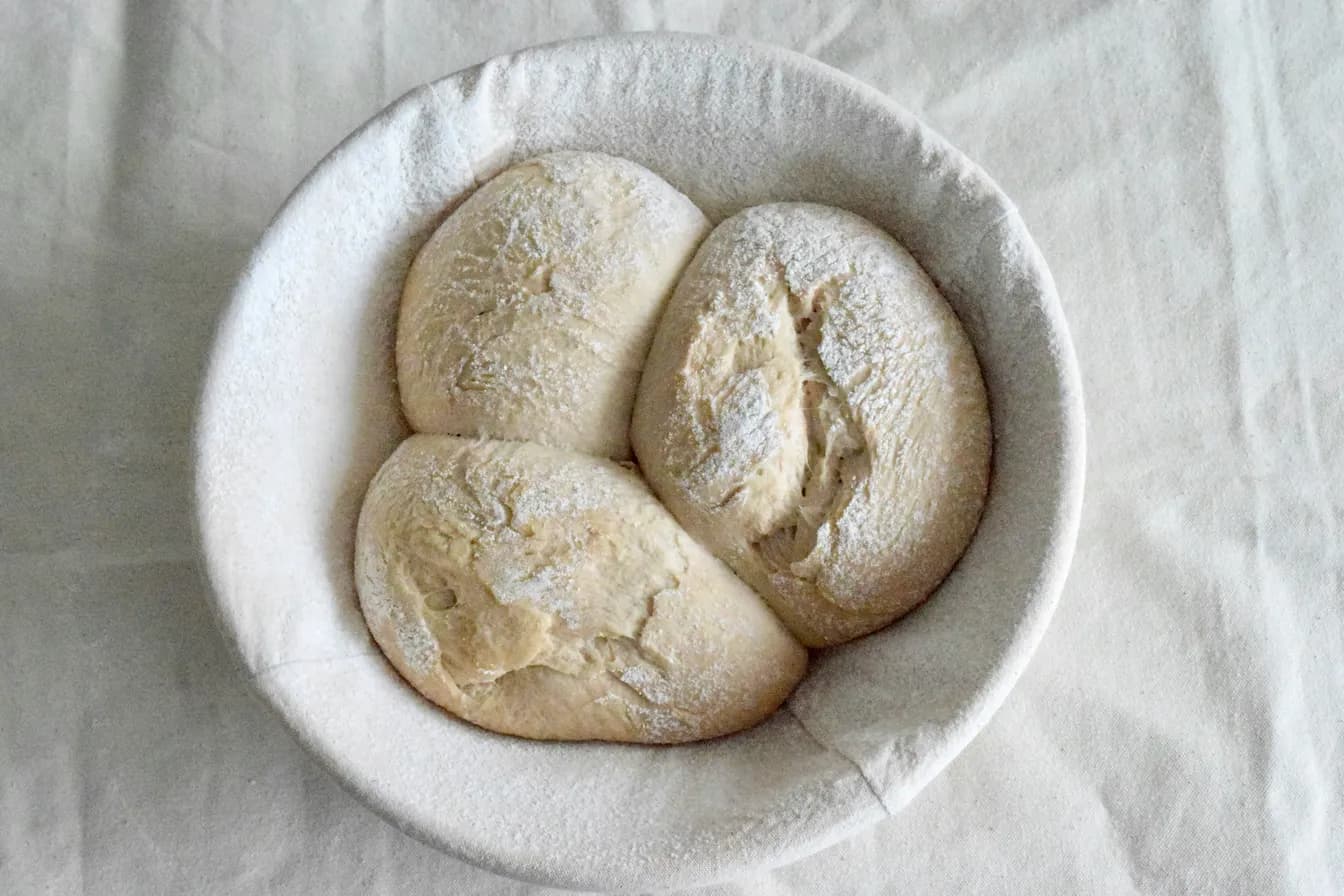
Yeast Dough
A sweet basic dough for braided bread, rolls, and doughnuts, and the answer to the question of why it sometimes fails to rise.
 Leftover Cooking
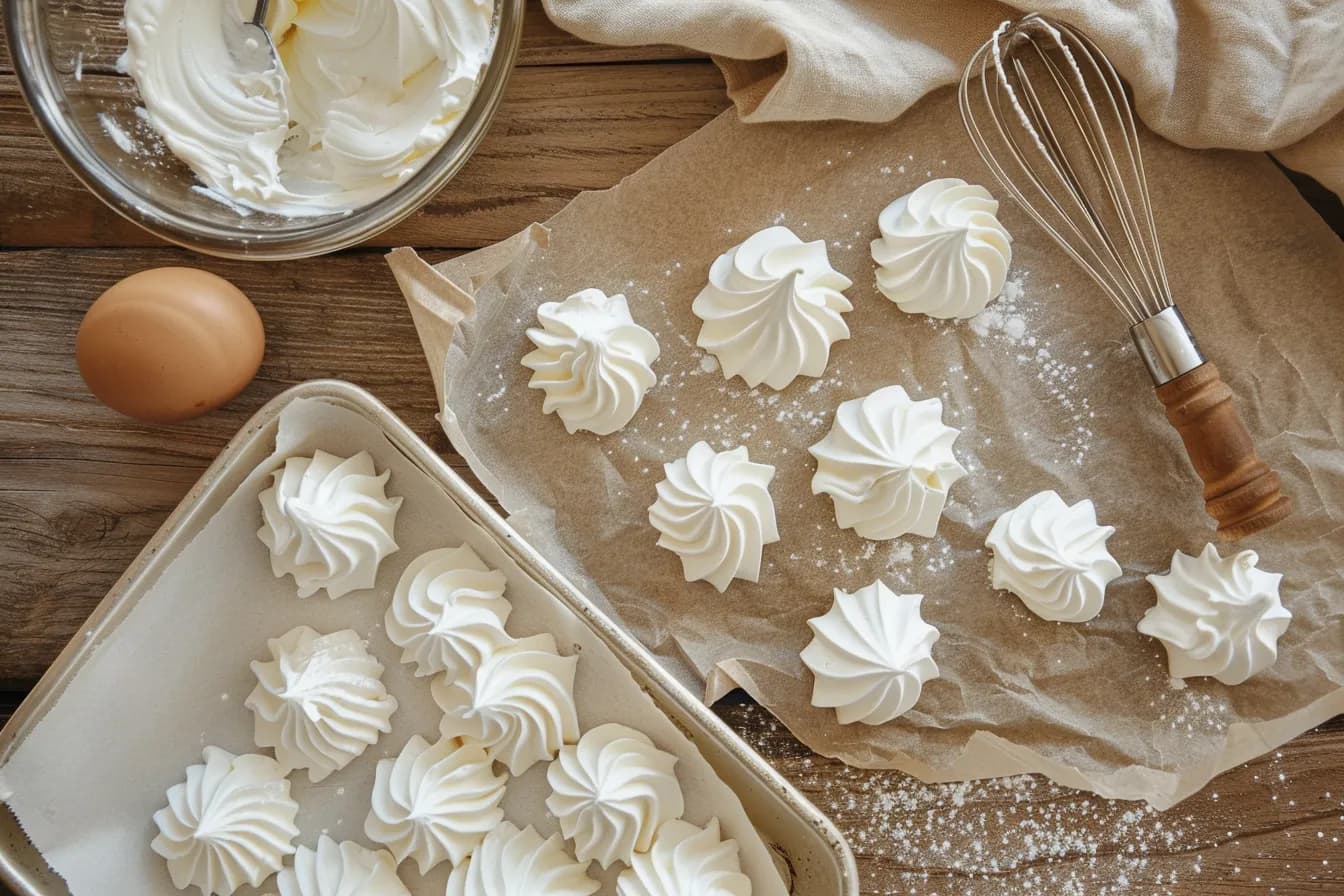
Leftover Egg Whites 3 Ways
Meringue, financiers or an omelet, depending on how many egg whites are in the jar.
 Cakes & Pastries
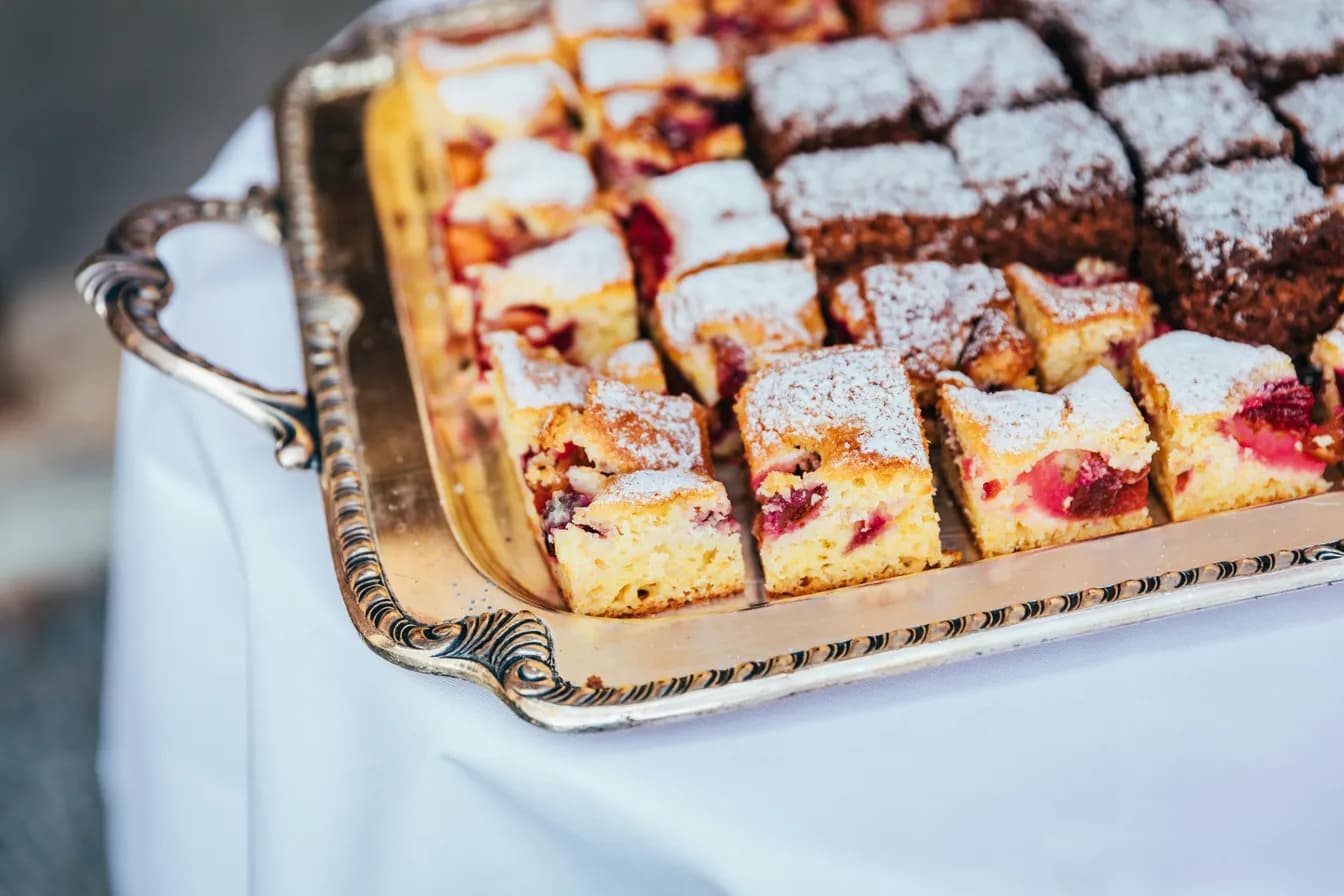
Zwetschgendatschi
Bavarian sheet cake made of yeast dough, densely topped with Italian prune plums, the pastry that marks the end of late summer.