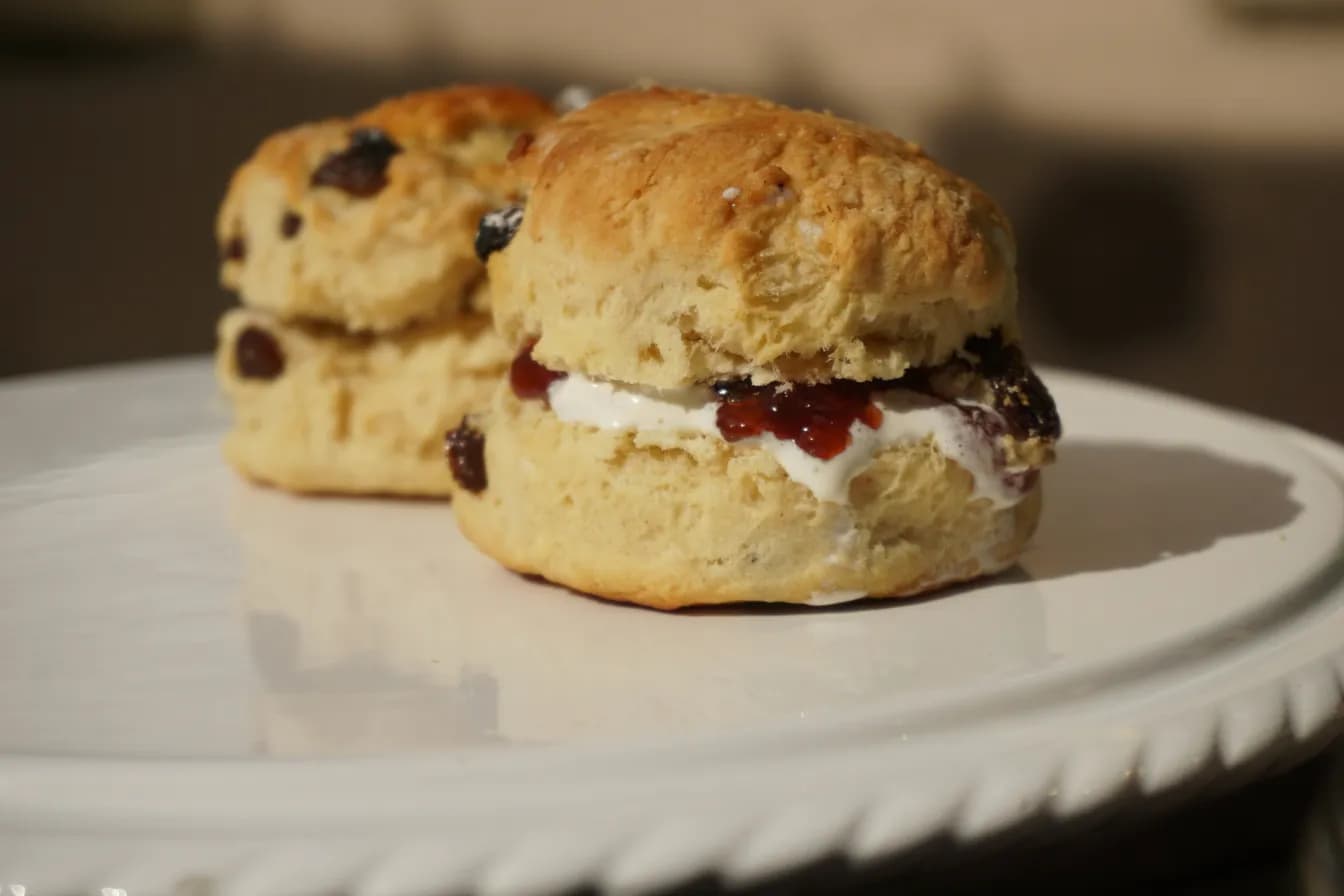
Scones with Clotted Cream
British tea pastries in twenty minutes, and the rule to never twist the cutter.
- Preparation
- 20 min
- Cook/bake time
- 15 min
- Total
- 35 min
- Difficulty
- Easy
- Calories
- 429 kcal
- Servings
- 10 pieces
- Prep
- 20 min
- Cooking & baking
- 15 min
British tea pastries in twenty minutes, and the rule to never twist the cutter. When twisting, the cut seals the dough layers at the edge, and the scone rises crookedly or not at all. Press straight down, pull straight back up, that makes all the difference.
Why this works
A scone rises because thin layers of fat and flour form in the dough, between which steam pushes the crumb upwards during baking, basically the same mechanism as puff pastry, just coarser. If the cutter is twisted while cutting, it smears these layers together at the edge and seals them. The steam can no longer escape there, and the scone rises crookedly or remains flat. A straight cut leaves the layers open. For the same reason, the dough must be worked as briefly as possible, every additional minute of kneading develops gluten, which binds the layers and makes the scone tough. The fact that scones are placed close together on the baking sheet is also intentional. They support each other and thus become taller instead of spreading sideways.
Step-by-step instructions
- 1
Rub in the butter
Mix the flour, baking powder, sugar and salt and rub in the ice-cold butter with your fingertips until a crumbly mixture forms. Use fingertips instead of palms, they are significantly cooler, and the butter should not melt.
- 2
Add milk, briefly bring together
Pour in the milk and bring the dough together with a knife just until it holds. Thirty seconds at most, any more develops gluten and makes the scones tough instead of fluffy.
- 3
Press, do not roll
Press the dough on a floured surface with your hands to a height of about three centimeters. Do not roll it out. The pressure of the rolling pin compresses the layers that will later make the scone rise. Three centimeters is the minimum, otherwise they will become cookies.
- 4
Cut out without twisting
Dip the cutter in flour and press it **straight** down, then straight back up, **do not twist**. When twisting, the cut seals the dough layers at the edge, and the scone rises crookedly or not at all. Bring scraps together only once and cut out again.
- 5
Place closely on the sheet and bake
Place the scones close together on the baking sheet, brush only the tops with beaten egg, egg running down the edge glues the layers together, and bake them at 220 °C for twelve to fifteen minutes until golden brown. Serve lukewarm with clotted cream and jam.
Our best tips
- Never twist the cutter. It is the one rule for scones, and it determines whether they rise straight or stay crooked.
- Three centimeters of dough height is the minimum. Pressed flatter, they become cookies, scones should be tall and easy to break apart.
- Whether cream or jam goes first is a serious dispute in England. In Cornwall, the jam goes first, in Devon the cream. Both sides consider the other to be wrong.
Tasty variations
With raisins
Mix 100 g of raisins into the dry dough. In Great Britain, as fruit scones, they are at least as common as the plain version.
Savory with cheese
Omit the sugar, instead add 100 g of grated cheddar and a teaspoon of mustard powder. Goes well with soups and Sunday roast.
Nutrition facts
| Calories | 429 kcal |
|---|---|
| Protein | 7 g |
| Carbohydrates | 52 g |
| – of which sugar | 19 g |
| Fat | 21 g |
| Fiber | 2 g |
Where the 429 kcal come from
per serving
Calculated from the ingredients – how we do it
We add up reference values for every ingredient and divide by the number of servings. These assumptions are baked in:
- Reference values per 100 g – for the raw ingredient, exactly as listed.
- Tinned goods count at drained weight, bone-in meat at purchase weight: you eat about 70 per cent of a chicken thigh and leave the rest.
- Water evaporates as you cook. The energy stays in the pot, the weight does not – so the figure is per serving, not per 100 g of finished dish.
- Anything listed without a quantity – “salt and pepper” – is not counted.
A guide value, not a lab measurement: no two onions weigh the same, and fat content varies from pack to pack.
Frequently asked questions
Why do my scones rise crookedly?
The cutter was twisted. This smears the dough layers at the edge together and seals them, so that the steam escapes unevenly. Press straight down and pull straight up.
How many calories does a scone have?
Around 430 kcal per piece with clotted cream and jam. The scone alone is about 265 kcal, the cream contributes a good 110 kcal per portion.
What is clotted cream?
Very high-fat cream from Cornwall and Devon, which is thickened at a low temperature until a solid layer of cream forms. With around 55 percent fat, it is significantly thicker than whipped cream, alternatively use very stiffly whipped cream or mascarpone.
Cream or jam first?
In Cornwall, first the jam, then the cream, in Devon vice versa. The dispute is meant seriously and is over a hundred years old, in terms of taste it makes no difference.
Comments & ratings(0)
Sign in to rate and comment on this recipe.
You might also like
 Cakes & Pastries
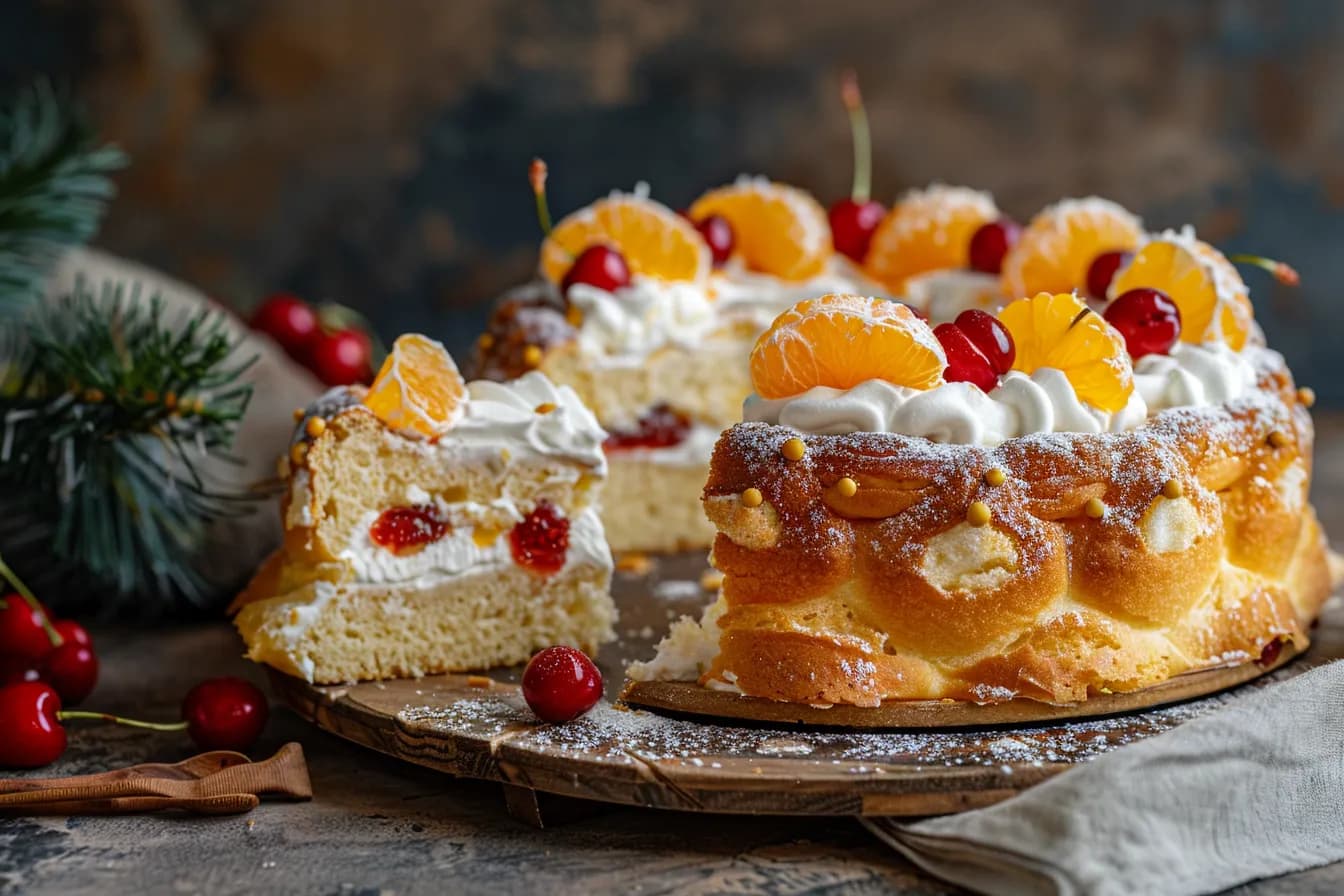
Roscón de Reyes
Spanish Epiphany wreath made of yeast dough with orange blossom water, the scent that defines January 6th in Spain.
 Cakes & Pastries
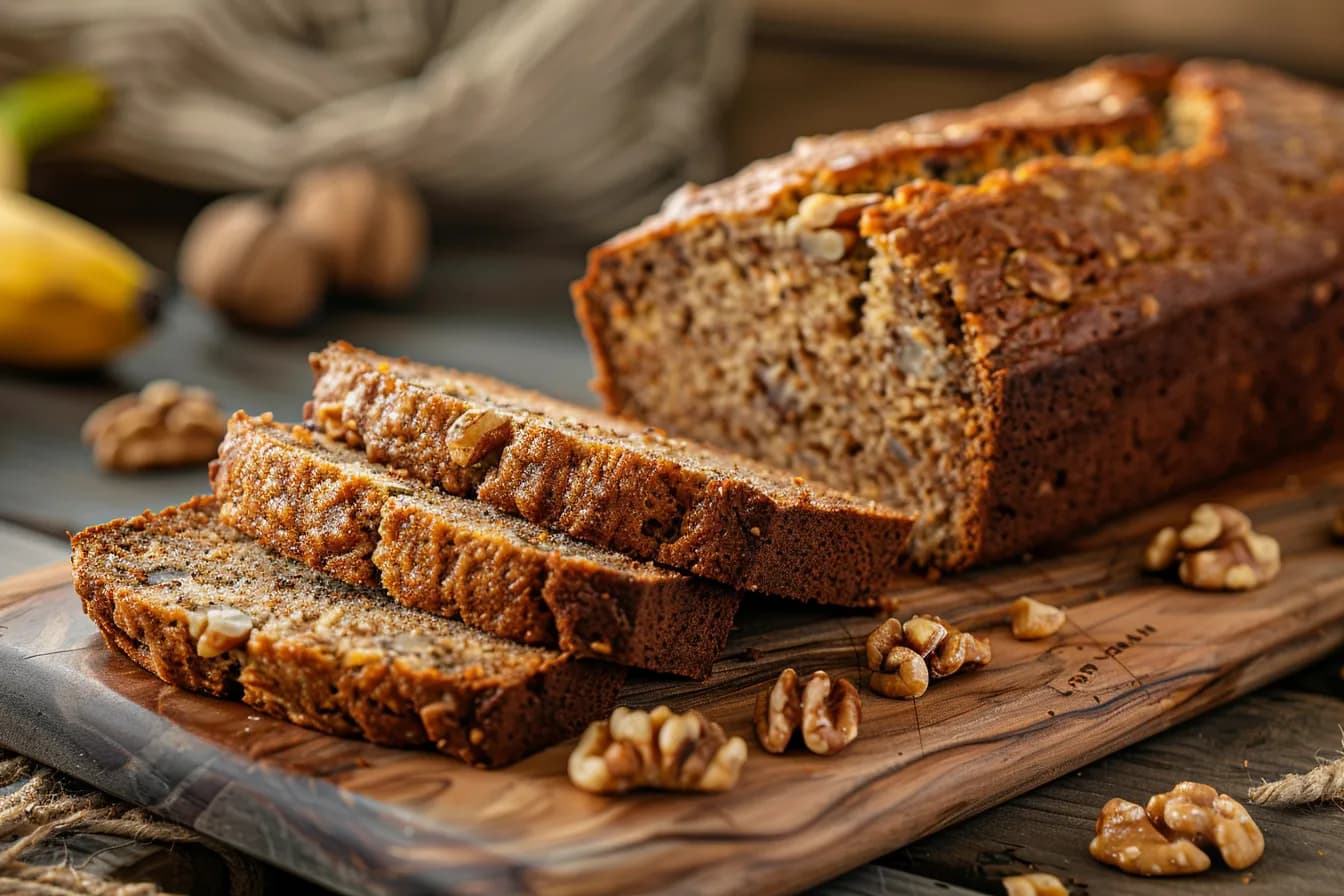
Banana Bread
Moist pound cake made from very ripe bananas with walnuts, mixed in one bowl.
 Cakes & Pastries
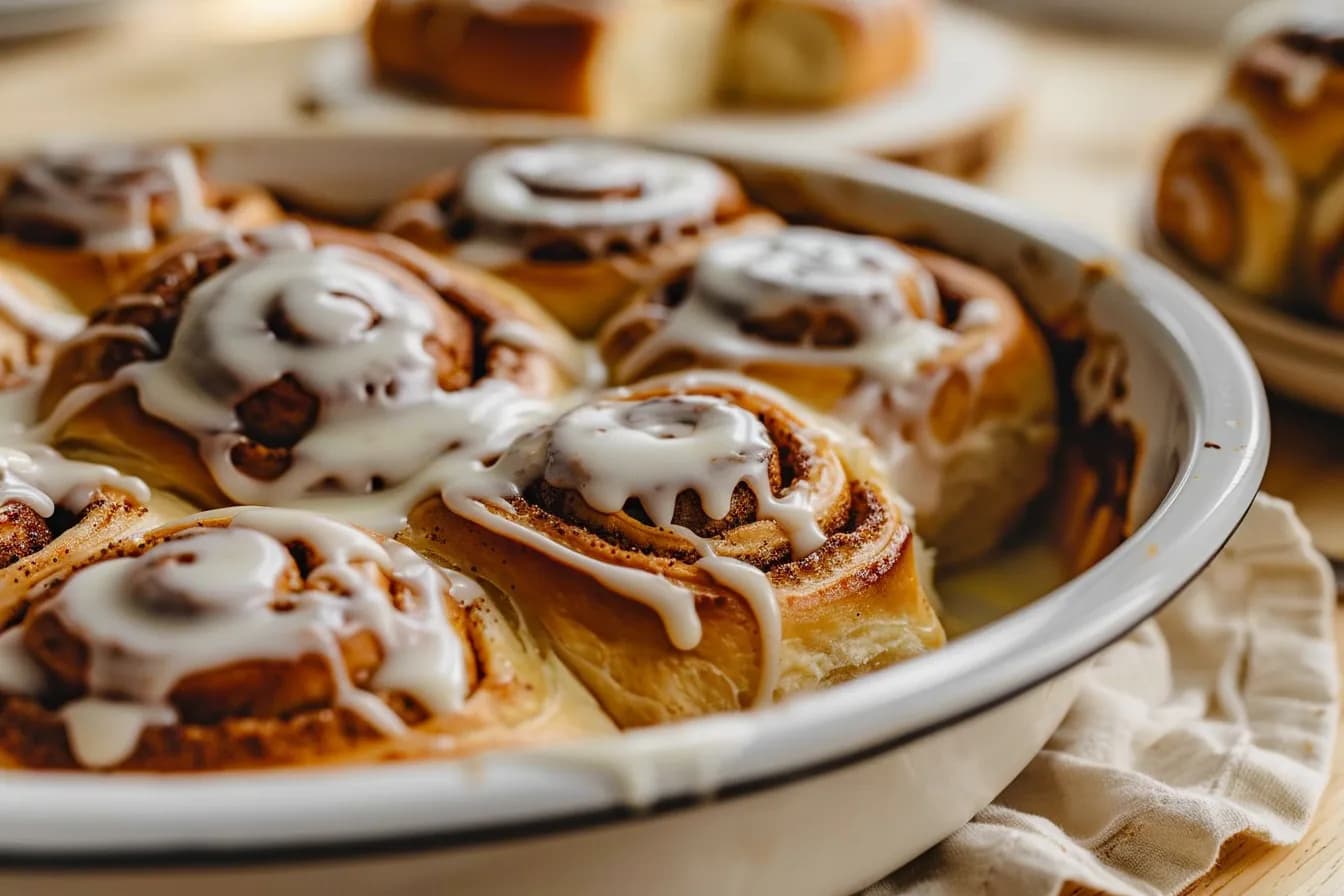
Cinnamon Rolls
Soft yeast rolls with a cinnamon filling under a thick layer of flowing cream cheese frosting.