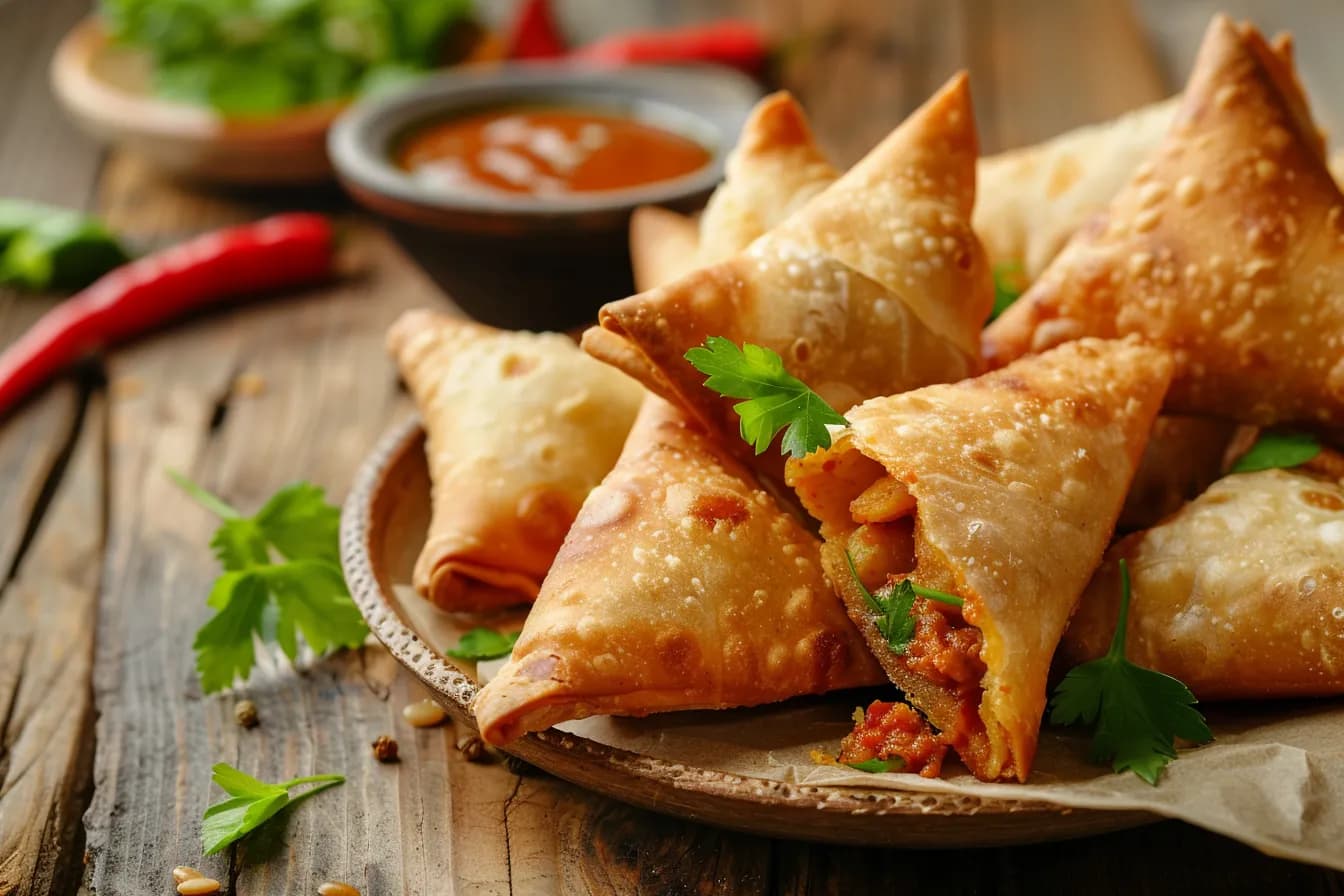
Samosas
Crispy pastries with a spiced potato and pea filling, fried until golden brown.
- Preparation
- 35 min
- Cook/bake time
- 30 min
- Total
- 1 hr 35 min
- Difficulty
- Medium
- Calories
- 462 kcal
- Servings
- 6
- Prep
- 35 min
- Cooking & baking
- 30 min
- Resting
- 30 min
Only 1 hr 5 min of that is hands-on – the rest takes care of itself.
Crispy pastries with a spiced potato and pea filling, fried until golden brown. The dough relies on plenty of fat and very little water, which makes it flaky and shatteringly crisp when fried, rather than soft. A street food classic that freezes exceptionally well for later.
Why this works
The dough is a shortcrust, not a bread dough: a high amount of fat coats the flour particles and prevents them from forming a gluten network with the small amount of water. Without this network, there is no elasticity, so the dough breaks into layers when fried, becoming flaky instead of soft. That is why it feels crumbly and wrong when kneading; a smooth samosa dough results in a chewy crust.
Step-by-step instructions
- 1
Knead the dough
Mix the flour, salt, and ajwain, and work the oil in with your fingertips until the mixture looks like wet sand and holds together briefly when squeezed. Then add just enough cold water to form a firm, rather dry dough. You only need to knead it briefly, as a soft dough will yield soft rather than flaky samosas.
- 2
Let the dough rest
Wrap the dough in plastic wrap and let it rest at room temperature for thirty minutes. During this time, the gluten network relaxes, allowing the dough to be rolled out thinly later without springing back. Chilling is not necessary and would only make it hard.
- 3
Prepare the filling
Heat the oil in a pan and let the cumin seeds crackle in it. Add the ginger and chili and sauté for one minute, followed by the coriander, garam masala, and turmeric. Fold in the mashed potatoes and peas, season with amchur and salt, and let everything cool completely.
- 4
Shape
Divide the dough into six balls and roll each into a thin circle of about 18 cm. Halve the circle and form a cone from each half by overlapping and sealing the straight edge. Fill the cone two-thirds full, brush the open edge with water, and press it firmly together.
- 5
Fry
Heat the oil to just 150 °C and fry the samosas slowly for eight to ten minutes until they are light golden brown and blistered. The low temperature is crucial: oil that is too hot will immediately darken the crust and make it soft instead of flaky. Let them drain on a wire rack.
Our best tips
- The dough must be firm and rather dry. This feels wrong when kneading, but it is the prerequisite for the flaky crust.
- Fry at a low temperature. 150 °C and patience yield flaky samosas, while 180 °C yields soft ones.
- The filling must be completely cooled, otherwise it will soften the dough from the inside.
Tasty variations
With ground meat
Brown 300 g of ground lamb with the spices and use it instead of half the potatoes.
From the oven
Brush with oil and bake at 200 °C for 25 minutes. Less flaky, but significantly lighter.
Nutrition facts
| Calories | 462 kcal |
|---|---|
| Protein | 9 g |
| Carbohydrates | 58 g |
| – of which sugar | 3 g |
| Fat | 22 g |
| Fiber | 6 g |
Estimated, not calculated – why
Here some of the ingredients never reach the plate: most frying oil stays in the pan, and in a stock the solids are strained off. How much of it ends up in the food cannot be calculated – counting a litre of oil would quintuple the figure, leaving it out would describe a dish baked without fat. So this is an editorial estimate rather than a total that would look dependable without being so.
A guide value, not a lab measurement: no two onions weigh the same, and fat content varies from pack to pack.
Frequently asked questions
Why are my samosas soft instead of crispy?
Almost always due to oil that is too hot or dough that is too soft. 150 °C and a firm, oil-rich dough are the two crucial points.
Can I freeze them?
Yes, pre-freeze them raw and shaped on a baking sheet, then transfer to a bag. Fry directly from frozen, just two minutes longer.
What is ajwain?
Carom seeds, a spice with a thyme-like aroma. It is typical for Indian doughs and makes the filling easier to digest, but it can be omitted.
Comments & ratings(0)
Sign in to rate and comment on this recipe.
You might also like
 Lunch
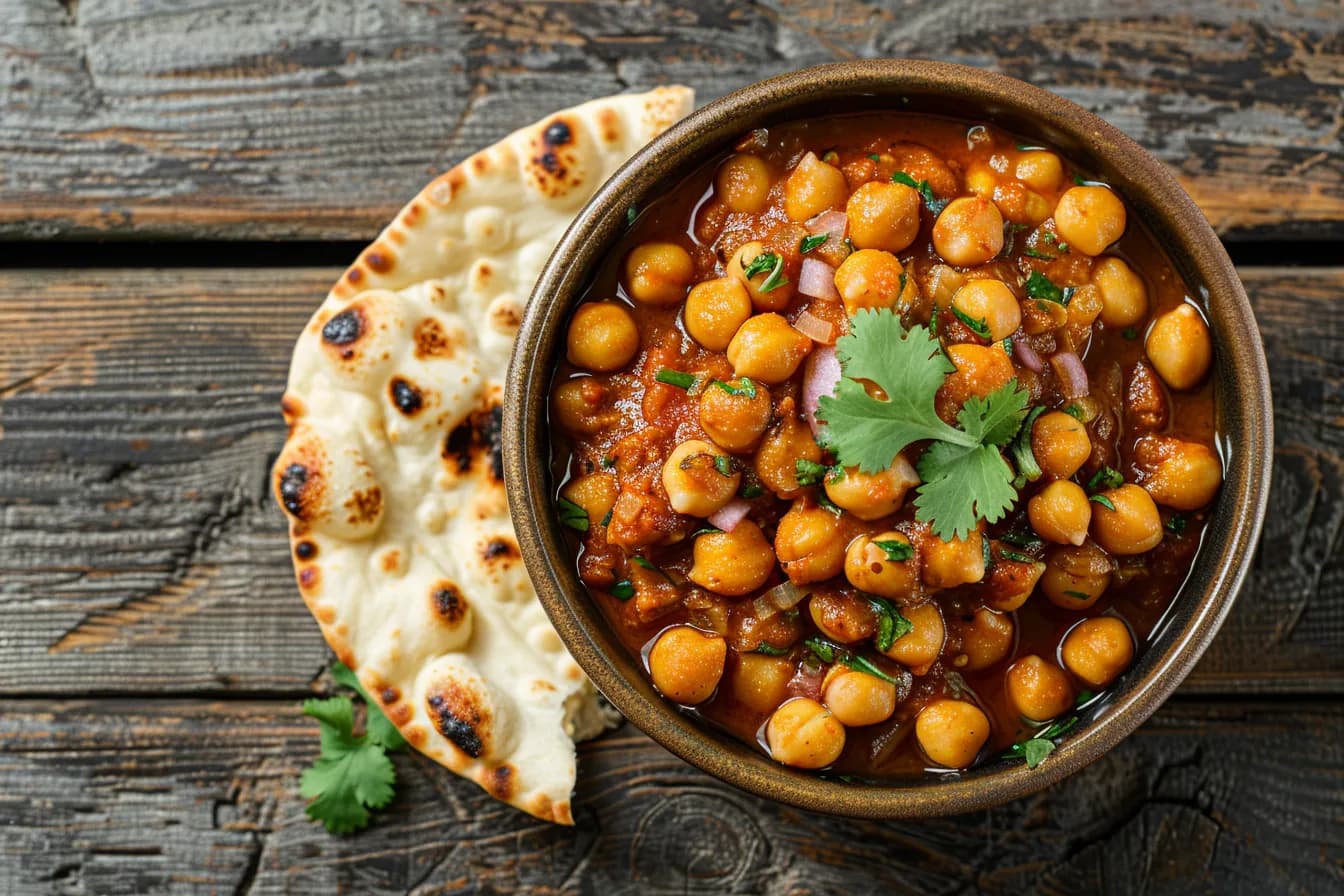
LunchChana Masala
Chickpeas in a dark, spicy tomato sauce with amchur for the typical fruity acidity.
 Pasta
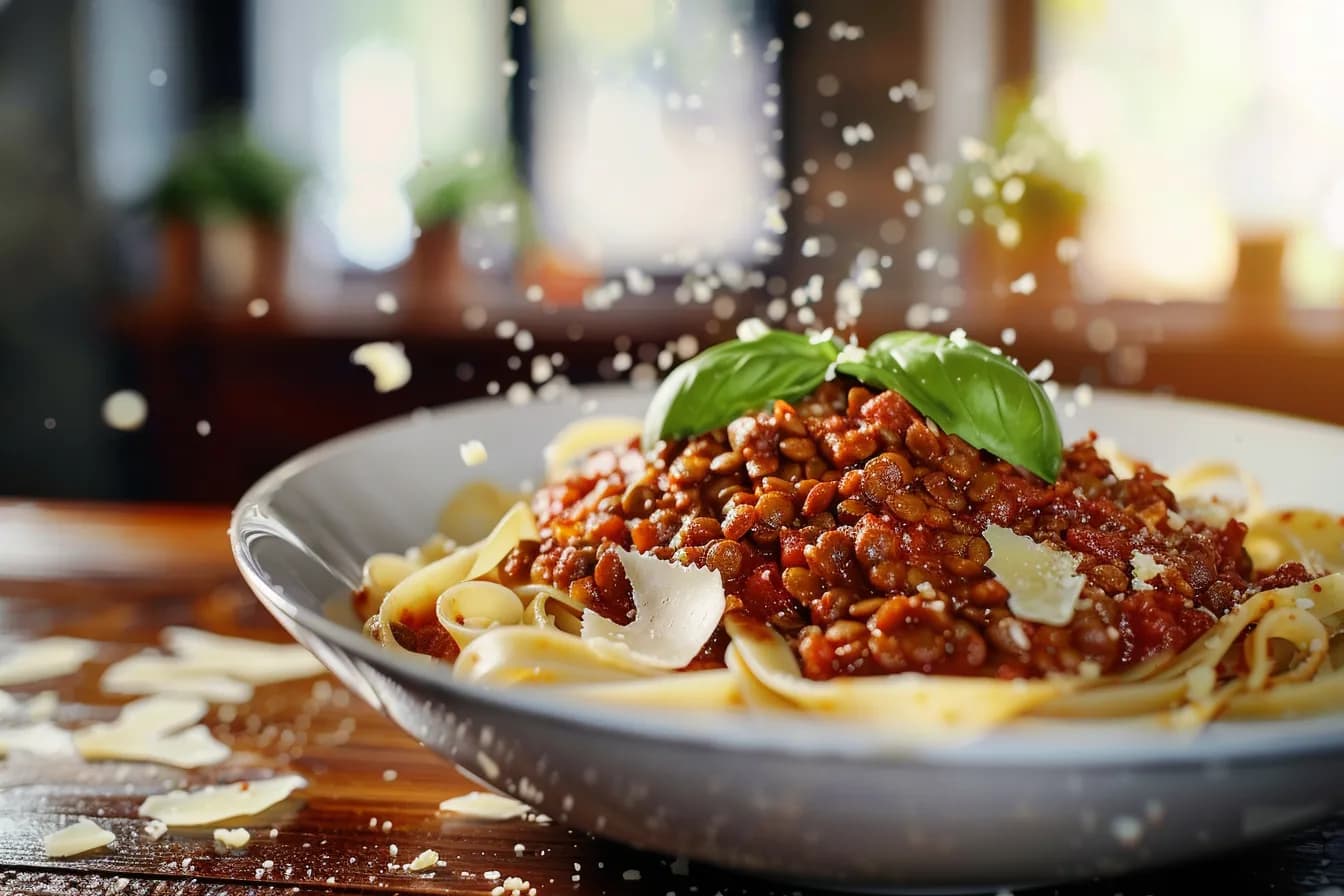
PastaLentil Bolognese
Vegan Bolognese made from Beluga lentils that even meat eaters will love, with 20 grams of protein per serving.
 Dinner
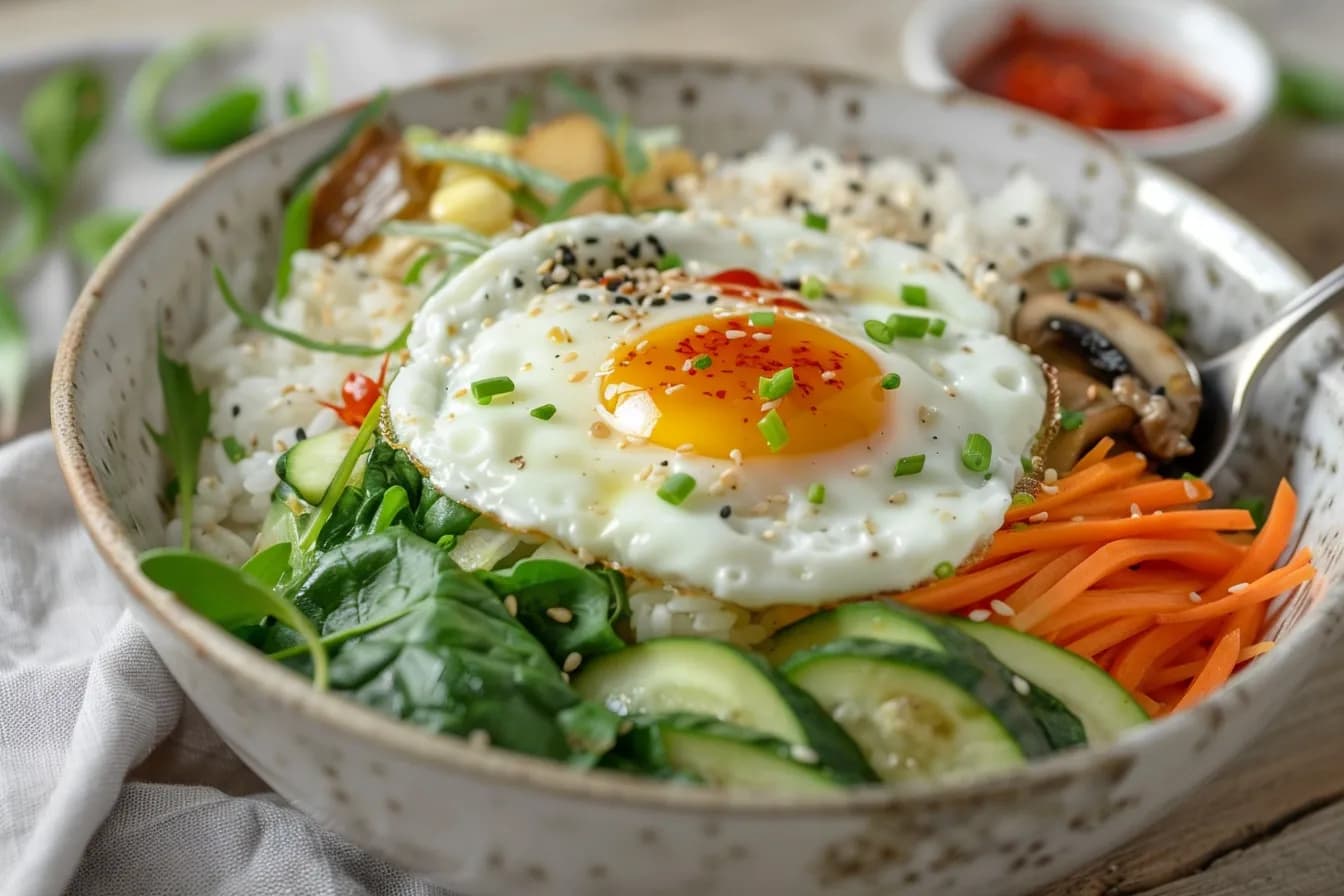
Bibimbap
Korean rice bowl with five individually seasoned vegetables, egg, and gochujang, meaning "mixed rice", and that is meant literally.