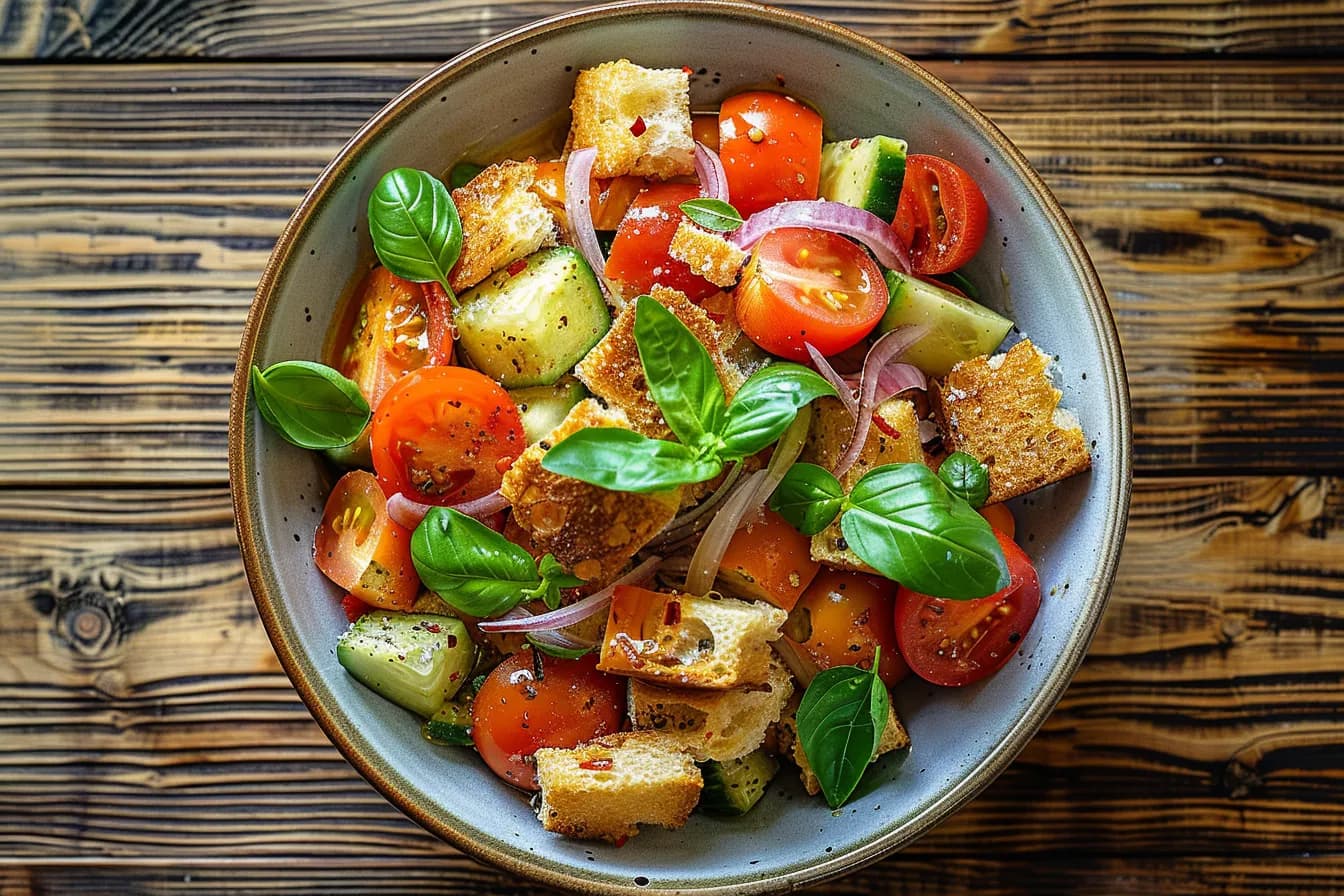
Panzanella
The salad that makes stale bread the main ingredient, and gives tomato juice a purpose.
- Preparation
- 20 min
- Cook/bake time
- 8 min
- Total
- 1 hr 28 min
- Difficulty
- Easy
- Calories
- 389 kcal
- Servings
- 4
- Prep
- 20 min
- Cooking & baking
- 8 min
- Resting
- 1 hr
Only 28 min of that is hands-on – the rest takes care of itself.
The salad that makes stale bread the main ingredient, and gives tomato juice a purpose. In Tuscany, Panzanella is a summer dish born of necessity: hard bread, ripe tomatoes, and good oil. The trick is to toast the bread instead of soaking it, and to salt the tomatoes beforehand.
Why this works
Panzanella thrives on a delicate balance that easily tips: the bread should absorb the liquid, but not drown in it. That is why it is toasted and not soaked. The toasted crust acts as a barrier that delays how quickly liquid penetrates, giving the salad a window of about half an hour where the texture is just right. Salting the tomatoes is the second building block: salt draws juice from the cells via osmosis, and this juice is the actual sauce of the dish. It is salted, tomatoey, and much more aromatic than any added water. If you only salt the tomatoes at the end, you will have a dry bowl and wonder why the bread remains hard.
Step-by-step instructions
- 1
Salt the tomatoes
Cut the tomatoes into large pieces, salt them in a bowl, and let them sit for thirty minutes. They will release a surprising amount of juice. This juice is the sauce of the dish, not a waste product.
- 2
Toast the bread
Toast the bread cubes with two tablespoons of oil in a pan or for eight minutes at 200 °C in the oven, until they are golden brown on the outside and still slightly soft on the inside. Rub them afterwards with the halved garlic clove. This distributes the garlic flavor without you having to bite into a piece.
- 3
Prepare the cucumber and onion
Peel the cucumber in stripes, remove the seeds with a spoon, and cut it into thick half-moons. The seeds are almost entirely water and would dilute the salad. Let the onion rings steep in the vinegar for five minutes, which takes away their sharpness.
- 4
Combine and let steep
Mix everything with the remaining oil, the tomato juice, and the vinegar and onion mixture, and let the salad sit for thirty minutes. During this time, the bread absorbs the liquid but remains firm to the bite. Fold in the basil just before serving.
Our best tips
- Salt the tomatoes thirty minutes beforehand. Their juice is the sauce. Without this step, the salad remains dry and the bread hard.
- Toast the bread, do not soak it. The toasted crust delays the soaking process and gives the salad its perfect time window.
- Scoop out the cucumber seeds. They are almost pure water and dilute the tomato juice, which is crucial here.
Tasty variations
With anchovies and capers
Add four crushed anchovy fillets to the oil and two tablespoons of capers to the salad. This brings salt and umami, turning the side dish into a standalone dinner.
With grilled vegetables
Roughly dice leftover bell peppers and zucchini from the day before and mix them in. Panzanella can handle almost any leftover, but water-rich vegetables should be drained first.
Nutrition facts
| Calories | 389 kcal |
|---|---|
| Protein | 9 g |
| Carbohydrates | 46 g |
| – of which sugar | 12 g |
| Fat | 18 g |
| Fiber | 5 g |
Where the 389 kcal come from
per serving
Calculated from the ingredients – how we do it
We add up reference values for every ingredient and divide by the number of servings. These assumptions are baked in:
- Reference values per 100 g – for the raw ingredient, exactly as listed.
- Tinned goods count at drained weight, bone-in meat at purchase weight: you eat about 70 per cent of a chicken thigh and leave the rest.
- Water evaporates as you cook. The energy stays in the pot, the weight does not – so the figure is per serving, not per 100 g of finished dish.
- Anything listed without a quantity – “salt and pepper” – is not counted.
A guide value, not a lab measurement: no two onions weigh the same, and fat content varies from pack to pack.
Frequently asked questions
How old should the bread be?
One to three days. Fresh bread becomes hard on the outside and rubbery on the inside when toasted. Rock-hard bread no longer absorbs liquid and remains tough. The state where you no longer want to make a sandwich with it is exactly right.
How long does Panzanella keep?
About two hours in the right condition. After that, the bread is completely soaked and the salad becomes mushy. It is not a meal prep dish. If it has to wait, only mix the bread in shortly before serving.
Does this work outside of tomato season?
Honestly, hardly. The dish consists of bread, oil, and tomato juice, and winter tomatoes yield neither enough juice nor enough flavor. From July to September it is great, but in February it is just bread in oil.
Comments & ratings(0)
Sign in to rate and comment on this recipe.
You might also like
 Soups & Stews
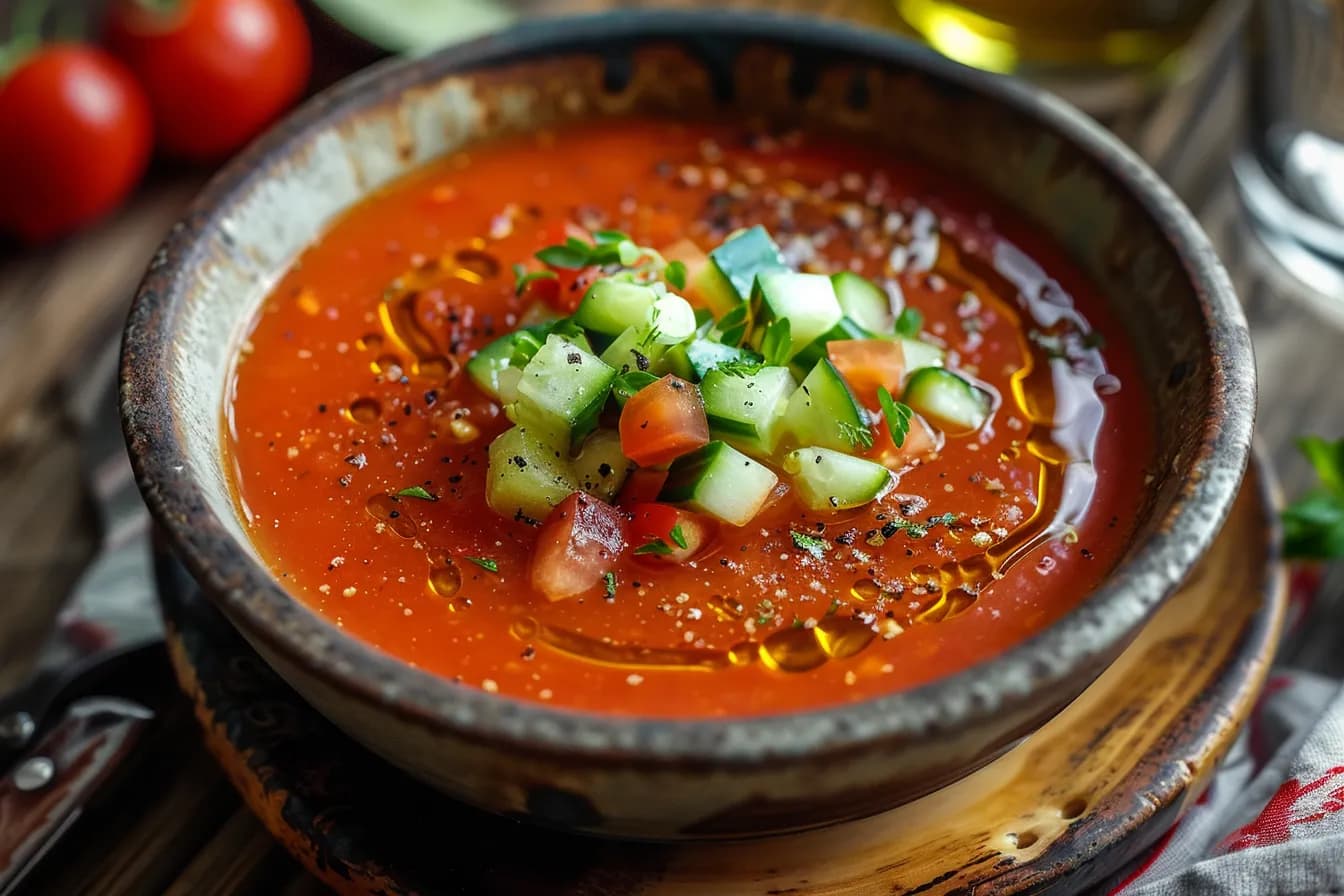
Gazpacho
Ice-cold Spanish vegetable soup made from raw tomatoes, cucumber, and bell pepper, served in a glass.
 Salads
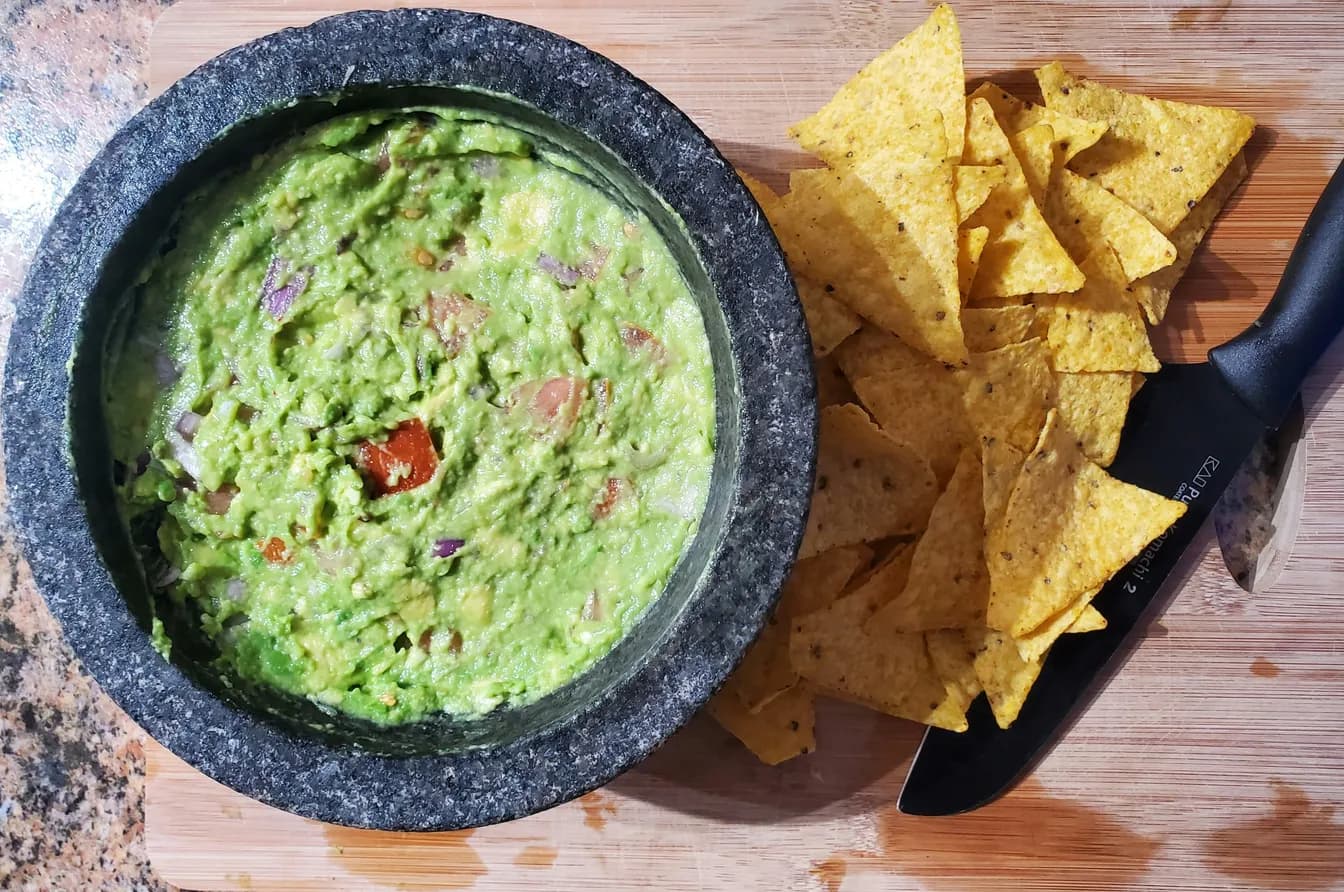
Guacamole & Nachos
Chunky avocado dip with lime, cilantro, and onion, served with crispy tortilla chips.
 Vegetarian
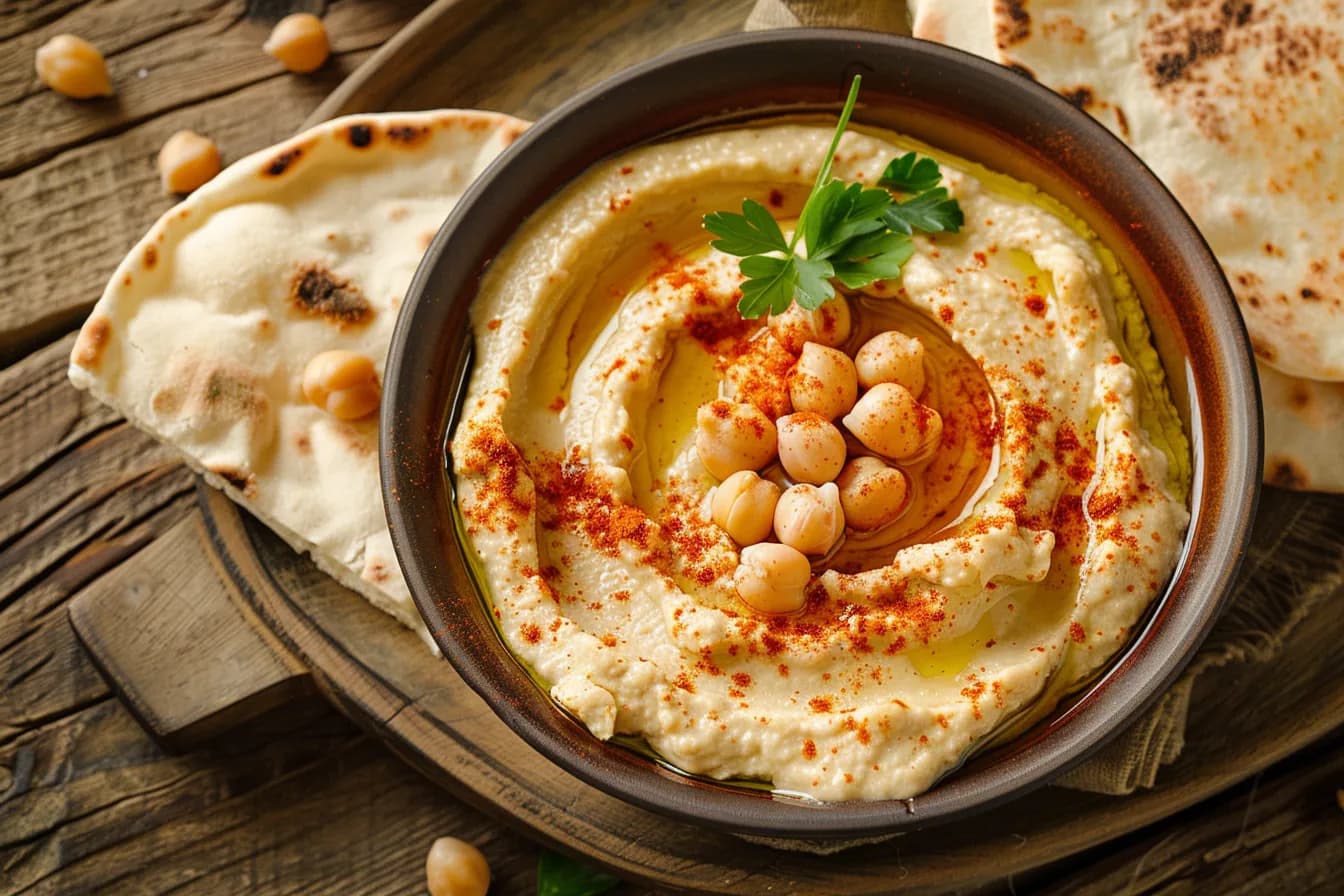
Creamy Hummus
Velvety chickpea cream with tahini and lemon, as smooth as in a Lebanese restaurant.