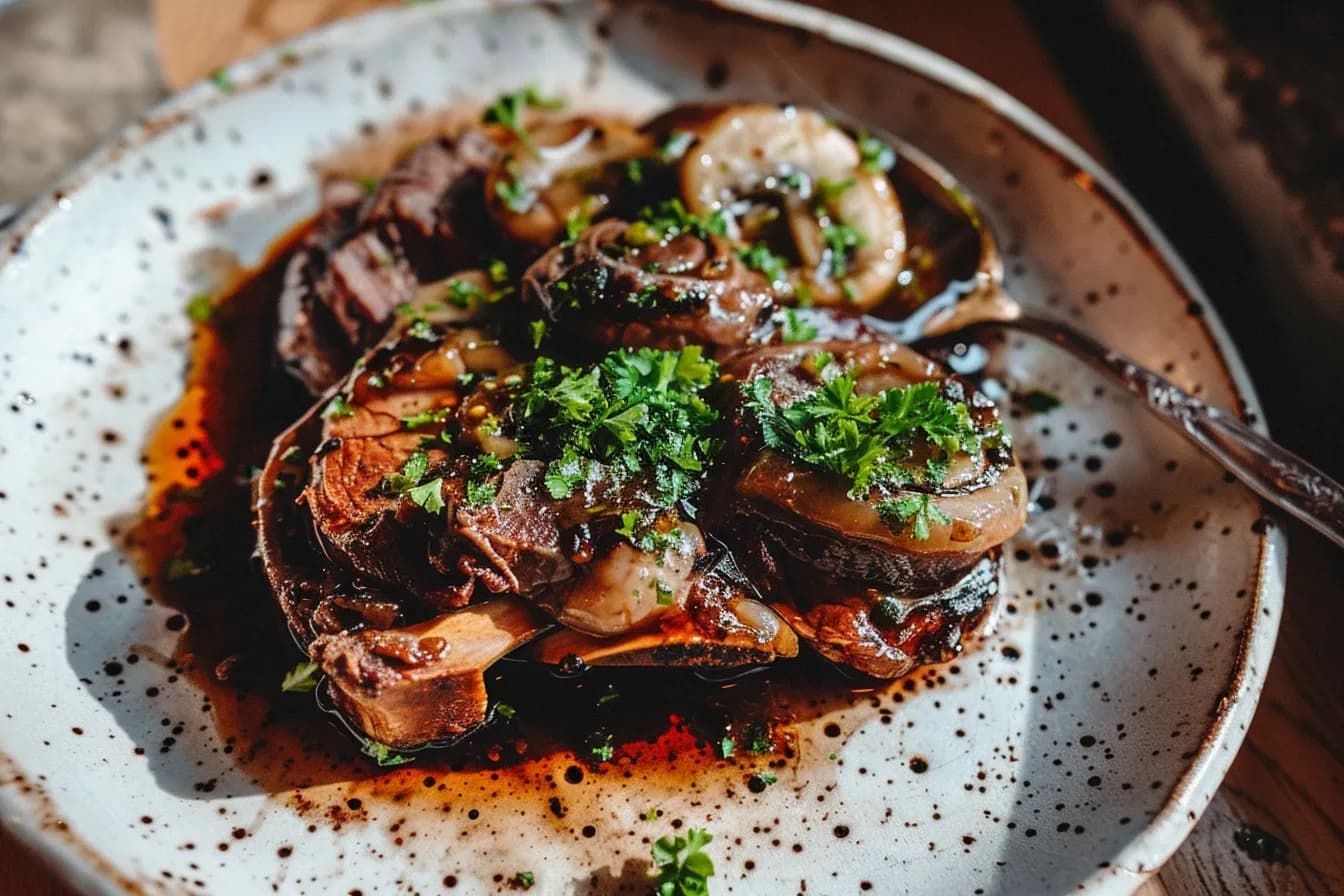
Braised veal shanks with bone marrow, and the gremolata that brightens everything up at the end. "Ossobuco" means "bone with a hole," and the marrow inside is the real reason for the dish. After two hours of braising, it feels heavy, until the gremolata of lemon zest, garlic, and parsley is added on top.
Why this works
The shank is a heavily used muscle and correspondingly rich in collagen, the connective tissue that makes raw meat tough. From about 70 degrees Celsius and over several hours, this collagen converts into gelatin, and this is exactly what the dish relies on: The meat not only becomes tender, but the dissolved gelatin simultaneously thickens the sauce without the need for flour. Therefore, the temperature must be low and the time long; with vigorous boiling, the muscle fibers contract and squeeze out juice before the collagen is converted. The gremolata at the end is not a decoration, but a deliberate counterweight: The braised dish is rich in fat and gelatin, and the essential oils of the raw lemon zest cut through this fat, which is why it is added raw and only after cooking.
Step-by-step instructions
- 1
Prepare the shanks
Score the fat edge of the shanks in three places so they do not curl during braising, and tie each shank with kitchen twine. Without tying, the meat and bone will separate after two hours and the shank will fall apart.
- 2
Dredge and sear
Dredge the shanks in flour and tap off the excess. Sear them in butter and olive oil over high heat until well browned on both sides. The flour forms a crust that will later slightly thicken the sauce, and the roasted flavors are the basis of the taste.
- 3
Soffritto and deglazing
Remove the meat and sweat the onion, carrot, and celery in the same pot for ten minutes until soft. Deglaze with white wine, scrape the browned bits from the bottom, and let the wine reduce by half.
- 4
Braise for two hours
Return the stock, tomatoes, bay leaves, and shanks to the pot. The liquid should reach about two-thirds of the height, not cover them. Braise covered over the lowest heat for two hours until the meat can be pulled apart with a spoon. It must not boil.
- 5
Top with gremolata
Mix the lemon zest, garlic, and parsley and sprinkle the gremolata **raw** over the finished shanks. It is not cooked with them; its essential oils are volatile and exactly the counterweight this rich dish needs. Remove the kitchen twine before serving.
Our best tips
- Tie the shanks. After two hours, the meat and bone separate. The twine holds both together and the portion still looks like something on the plate.
- The marrow in the bone is the real prize. In Milan, a narrow spoon is placed next to the plate to scoop it out.
- Never cook the gremolata. Its effect relies on volatile oils from the raw lemon zest. If cooked, only an herb mixture remains.
Tasty variations
In bianco
Omit the tomatoes and braise with more white wine and stock. The older Milanese version; tomatoes were only added in the 19th century.
With Risotto alla Milanese
The classic combination: saffron risotto as a side dish instead of potatoes or polenta. Both recipes come from the same cuisine and are coordinated with each other.
Nutrition facts
| Calories | 654 kcal |
|---|---|
| Protein | 66 g |
| Carbohydrates | 12 g |
| – of which sugar | 5 g |
| Fat | 33 g |
| Fiber | 2 g |
Where the 654 kcal come from
per serving
Calculated from the ingredients – how we do it
We add up reference values for every ingredient and divide by the number of servings. These assumptions are baked in:
- Reference values per 100 g – for the raw ingredient, exactly as listed.
- Tinned goods count at drained weight, bone-in meat at purchase weight: you eat about 70 per cent of a chicken thigh and leave the rest.
- Water evaporates as you cook. The energy stays in the pot, the weight does not – so the figure is per serving, not per 100 g of finished dish.
- Anything listed without a quantity – “salt and pepper” – is not counted.
A guide value, not a lab measurement: no two onions weigh the same, and fat content varies from pack to pack.
Frequently asked questions
What does Ossobuco mean?
Literally "bone with a hole," referring to the marrow cavity in the veal shank. The marrow is considered the best part of the dish and is traditionally scooped out with a narrow spoon.
How many calories does Ossobuco have?
Around 655 kcal per portion, without side dishes. Despite its size, the shank is quite lean. A large part of the calories comes from the butter and oil used for searing.
Why is my Ossobuco falling apart?
The shanks were not tied or they boiled instead of braised. After two hours, the connective tissue has completely turned into gelatin, and without kitchen twine, the meat falls off the bone.
Can I use beef shanks?
Yes, then the braising time increases to about three hours because beef has more and firmer connective tissue. The flavor will be stronger and less refined. It is a good dish, but not Ossobuco alla Milanese.
Comments & ratings(0)
Sign in to rate and comment on this recipe.
You might also like
 Soups & Stews
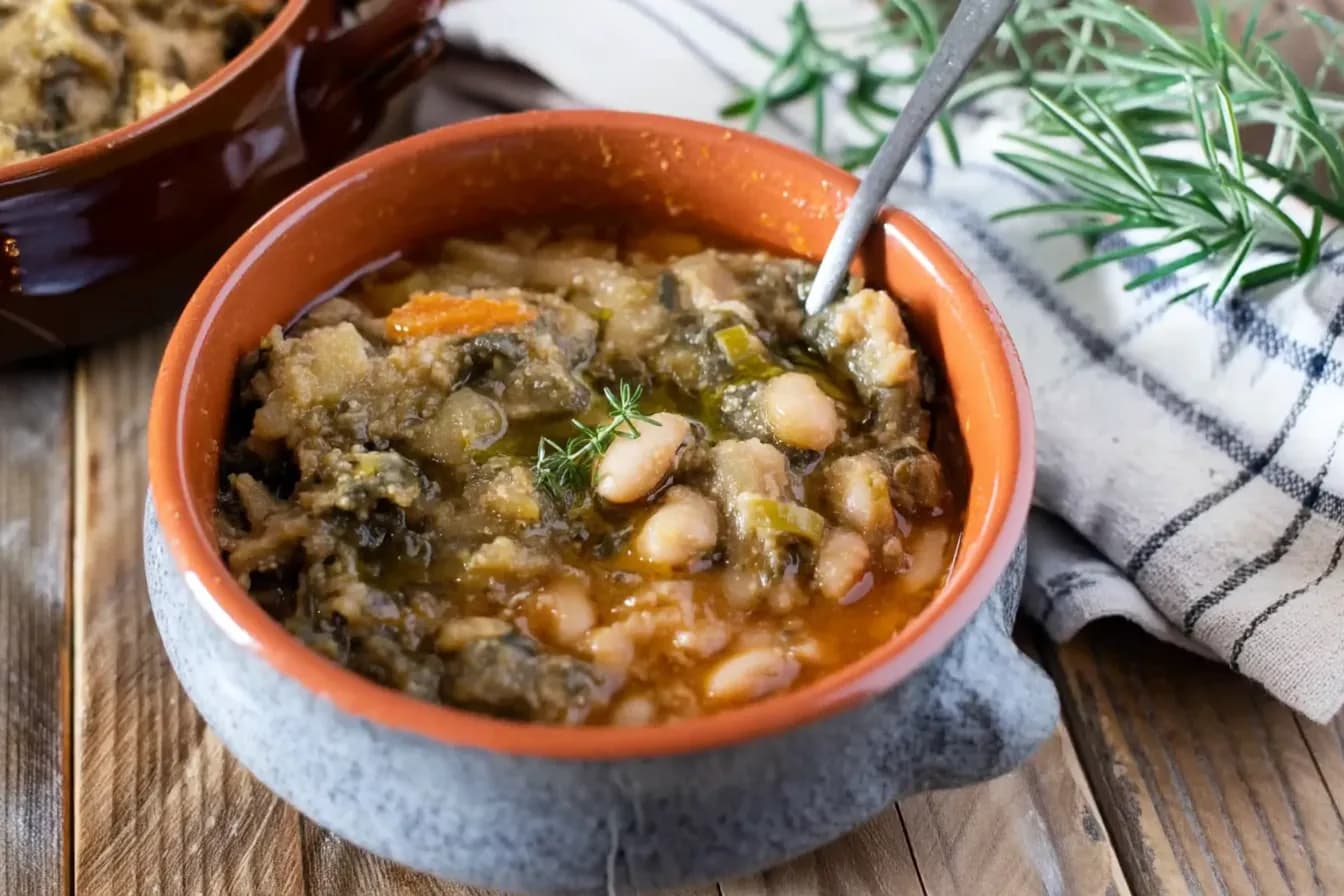
Ribollita
Tuscan bread and bean stew, "reboiled", and that is exactly the point.
 Dinner
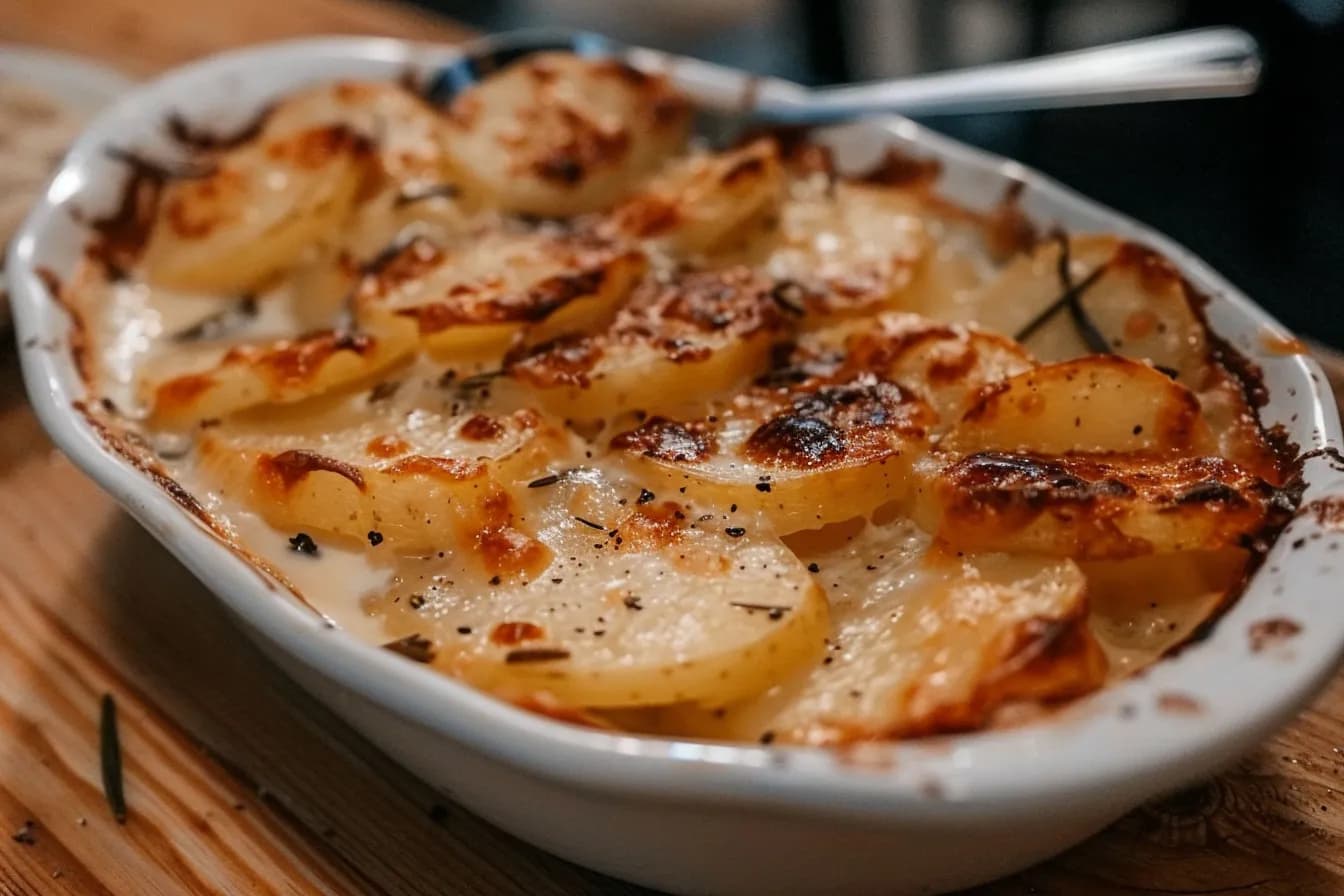
Gratin Dauphinois
Potato gratin without cheese and without egg: just potatoes, cream, garlic, and nutmeg, exactly as it should be in the Dauphiné region.
 Dinner
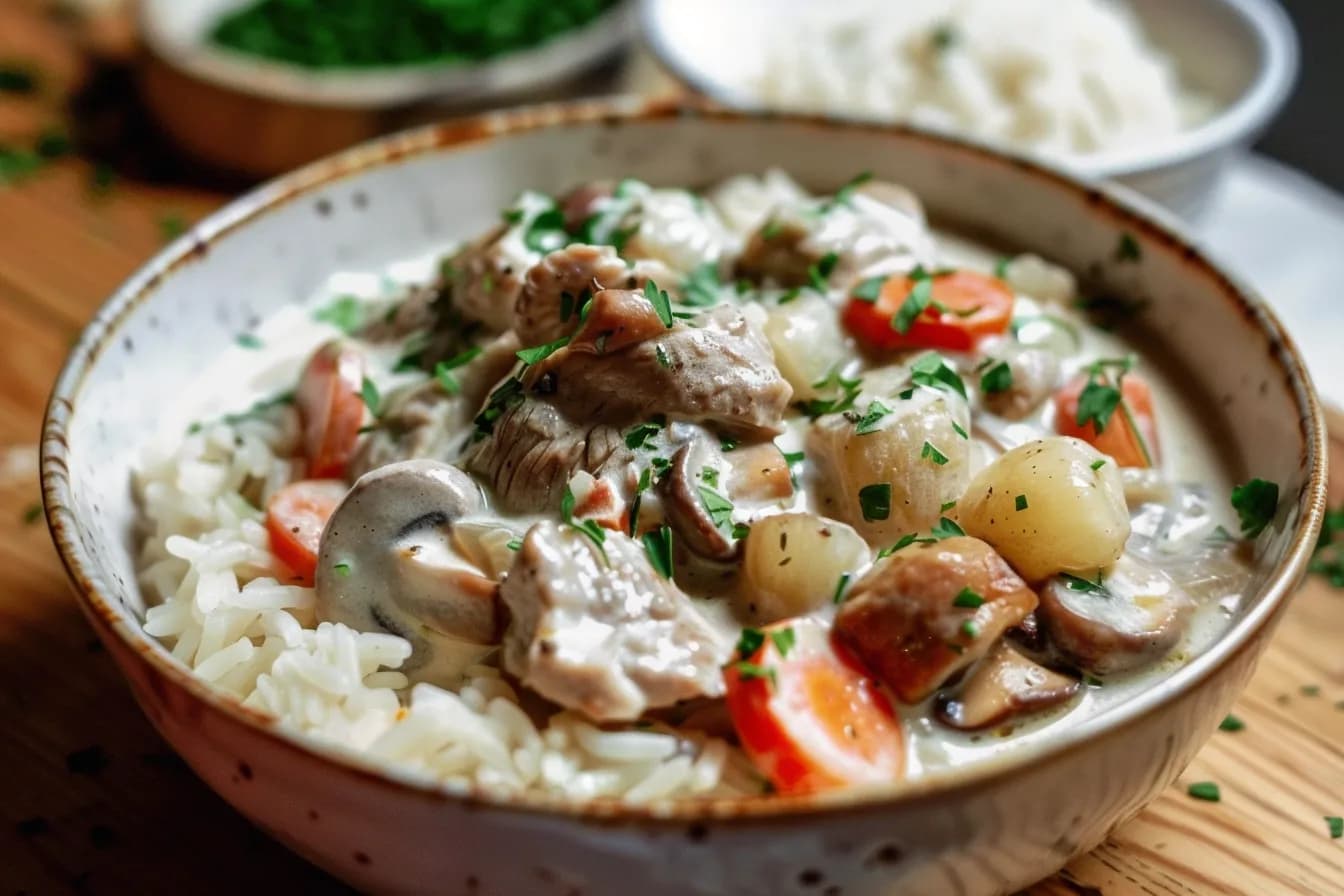
Blanquette de veau
Veal stew in a white sauce – the dish where the meat is deliberately not seared.