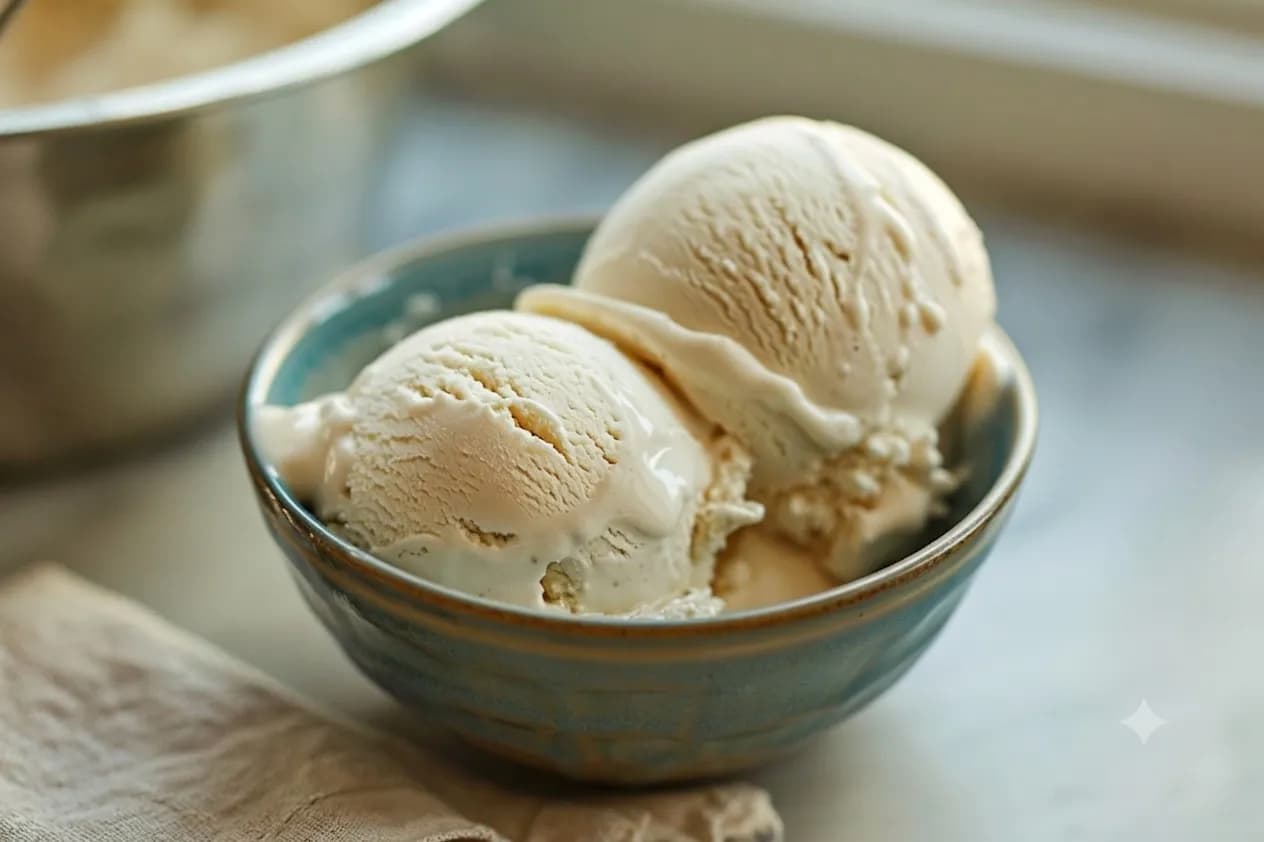
Homemade Protein Ice Cream
Creamy ice cream with 20 grams of protein per serving, made without an ice cream maker using Skyr, banana, and protein powder.
- Preparation
- 10 min
- Cook/bake time
- –
- Total
- 16 hr 10 min
- Difficulty
- Easy
- Calories
- 216 kcal
- Servings
- 4 servings
- Prep
- 10 min
- Resting
- 16 hr
Only 10 min of that is hands-on – the rest takes care of itself.
Creamy ice cream with 20 grams of protein per serving, made without an ice cream maker using Skyr, banana, and protein powder. The problem with low-fat ice cream is always the same: without fat, large ice crystals form, and the result is a block instead of a cream. Frozen banana solves this because its starch and pectin take over the job that cream usually does.
Why this works
Creaminess in ice cream is a matter of crystal size: the smaller the ice crystals, the smoother it feels. In traditional ice cream, fat droplets prevent the crystals from growing together. If the fat is removed, this barrier is missing and a hard block forms. Frozen banana replaces it in two ways: its starch binds free water, which can then no longer crystallize, and its pectin makes the mixture viscous enough that crystals hinder each other as they grow. The protein powder works in the same direction because proteins also bind water. Stirring occasionally during freezing is the third building block and replaces exactly what an ice cream maker otherwise does continuously.
Step-by-step instructions
- 1
Prepare the bananas
Slice ripe bananas and freeze them overnight on a plate, not as a pile in a bag. Frozen individually, they can be blended later, whereas a stuck-together block will jam any blender. Ripe really means ripe here: brown spots mean more sugar and more flavor.
- 2
Blend everything
Place the frozen banana slices with Skyr, protein powder, peanut butter, vanilla, and salt in a high-powered blender and run it until a smooth, thick cream forms. Push down with the tamper in between. It looks like crumbs at first and suddenly becomes creamy, so do not add liquid too early.
- 3
Freeze for four hours, stir twice
Pour the mixture into a shallow container and place it in the freezer. Stir it vigorously after one hour and again after two hours. These two times replace the ice cream maker: they break up the newly formed crystals before they get big enough to be noticeable as ice splinters.
- 4
Let thaw before eating
Take the ice cream out of the freezer 5 to 10 minutes before serving. Low-fat ice cream gets harder than regular ice cream because less fat keeps the structure soft, but after a short thaw it can be portioned normally.
Our best tips
- A tablespoon of peanut butter or almond butter is not a flavor detail, but technique. That little bit of fat makes the difference between creamy and splintery clearly audible.
- Use a shallow container instead of a deep one. The thinner the layer, the faster it freezes through and the smaller the crystals remain.
- It is best on the first day. After several days in the freezer, the crystal structure grows despite everything, so just blend it again briefly.
Tasty variations
Chocolate
Use two tablespoons of baking cocoa and chocolate protein powder. Cocoa additionally binds water and makes the ice cream even a little creamier.
Without protein powder
Use 150 g more low-fat quark instead. The protein per serving drops to around 15 g, but the taste becomes much more natural.
Nutrition facts
| Calories | 216 kcal |
|---|---|
| Protein | 19 g |
| Carbohydrates | 24 g |
| – of which sugar | 15 g |
| Fat | 5 g |
| Fiber | 3 g |
Where the 216 kcal come from
per serving
Calculated from the ingredients – how we do it
We add up reference values for every ingredient and divide by the number of servings. These assumptions are baked in:
- Reference values per 100 g – for the raw ingredient, exactly as listed.
- Tinned goods count at drained weight, bone-in meat at purchase weight: you eat about 70 per cent of a chicken thigh and leave the rest.
- Water evaporates as you cook. The energy stays in the pot, the weight does not – so the figure is per serving, not per 100 g of finished dish.
- Anything listed without a quantity – “salt and pepper” – is not counted.
A guide value, not a lab measurement: no two onions weigh the same, and fat content varies from pack to pack.
Frequently asked questions
How many calories does protein ice cream have?
Around 215 kcal per serving with around 19 g of protein. For comparison, commercial ice cream is usually between 350 and 450 kcal for a similar amount, with a fraction of the protein.
How accurate is the protein value?
It depends on the product. Protein powders vary between 70 and 90 percent protein content; this is calculated with 80 percent. With a powder at the lower end, the serving is closer to 18 g.
Why does my protein ice cream get rock hard?
Too little fat and too little stirring. Without fat droplets, the ice crystals grow together unhindered. The spoonful of nut butter and stirring twice in the first two hours are both not optional.
Does it work without frozen banana?
Only to a limited extent. The banana provides starch and pectin, which bind free water. As an alternative, frozen mango works similarly well, but anything more watery like berries does not.
Comments & ratings(0)
Sign in to rate and comment on this recipe.
You might also like
 Cakes & Pastries
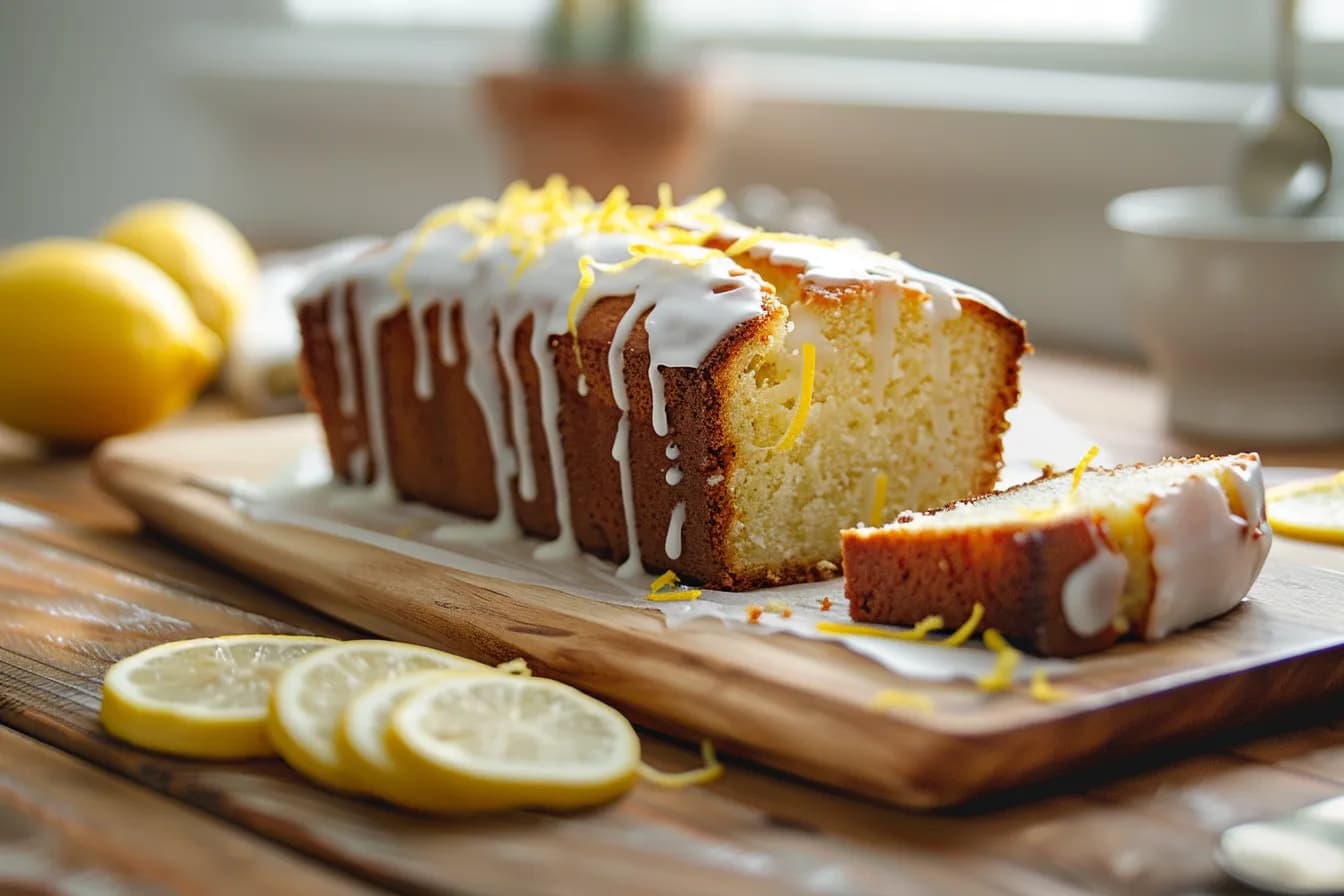
Moist Lemon Cake
Pound cake with lemon zest, syrup soak, and white glaze, moist for days.
 Cakes & Pastries
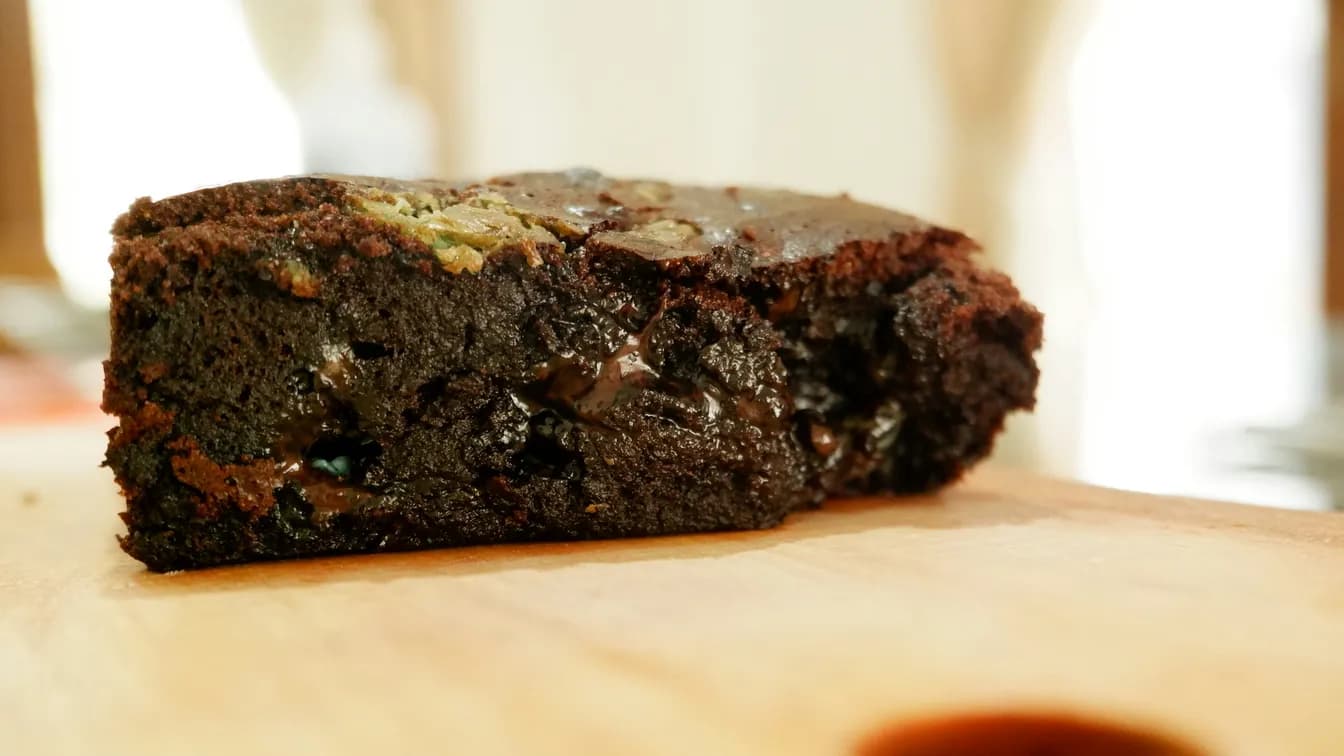
Zucchini Brownies
A whole zucchini in the batter, and nobody notices it: instead, they stay moist for three days.
 Desserts
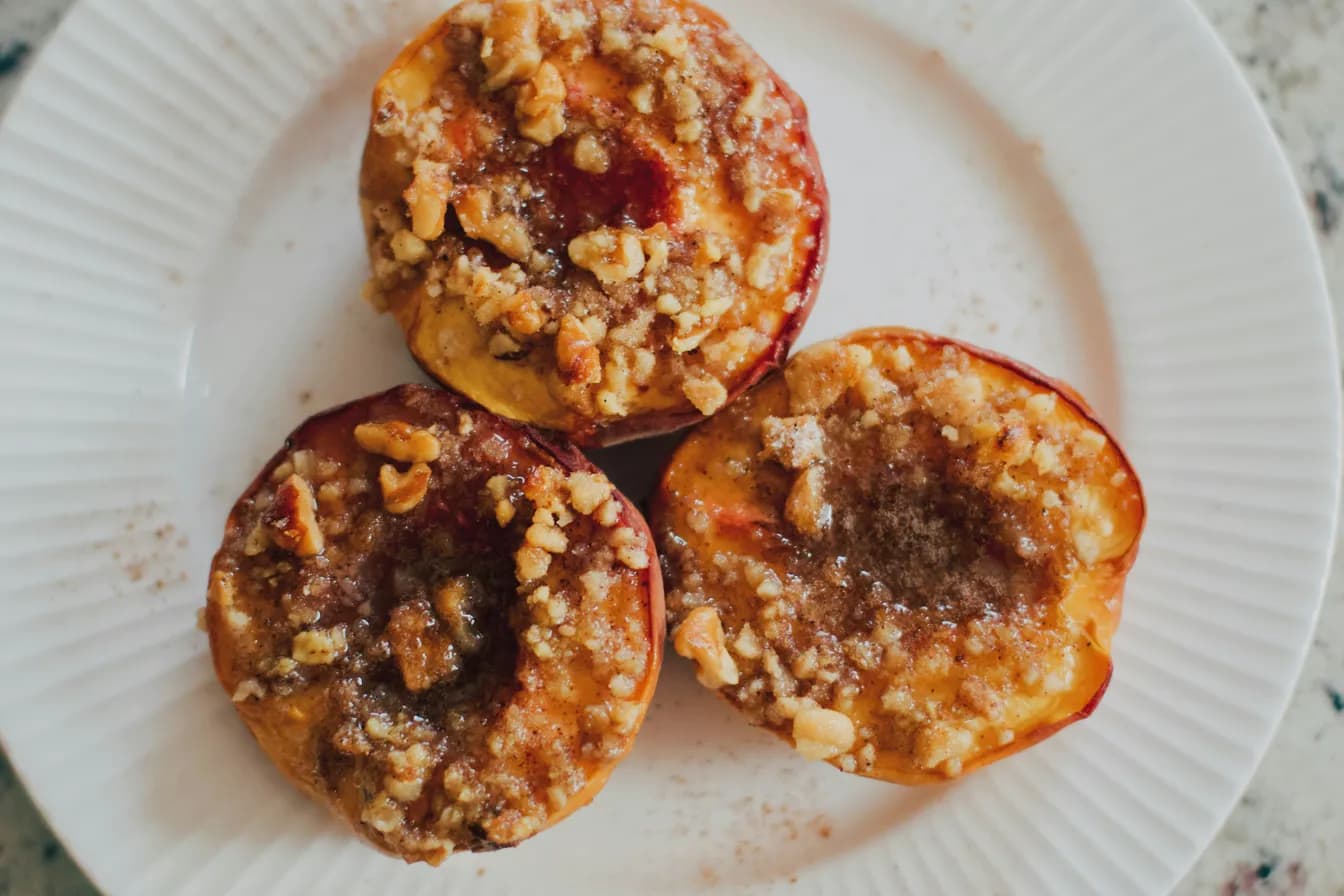
Peach Crumble with Oat Streusel
One kilo of peaches, one baking dish, forty minutes, and streusel that still crunches the next day.