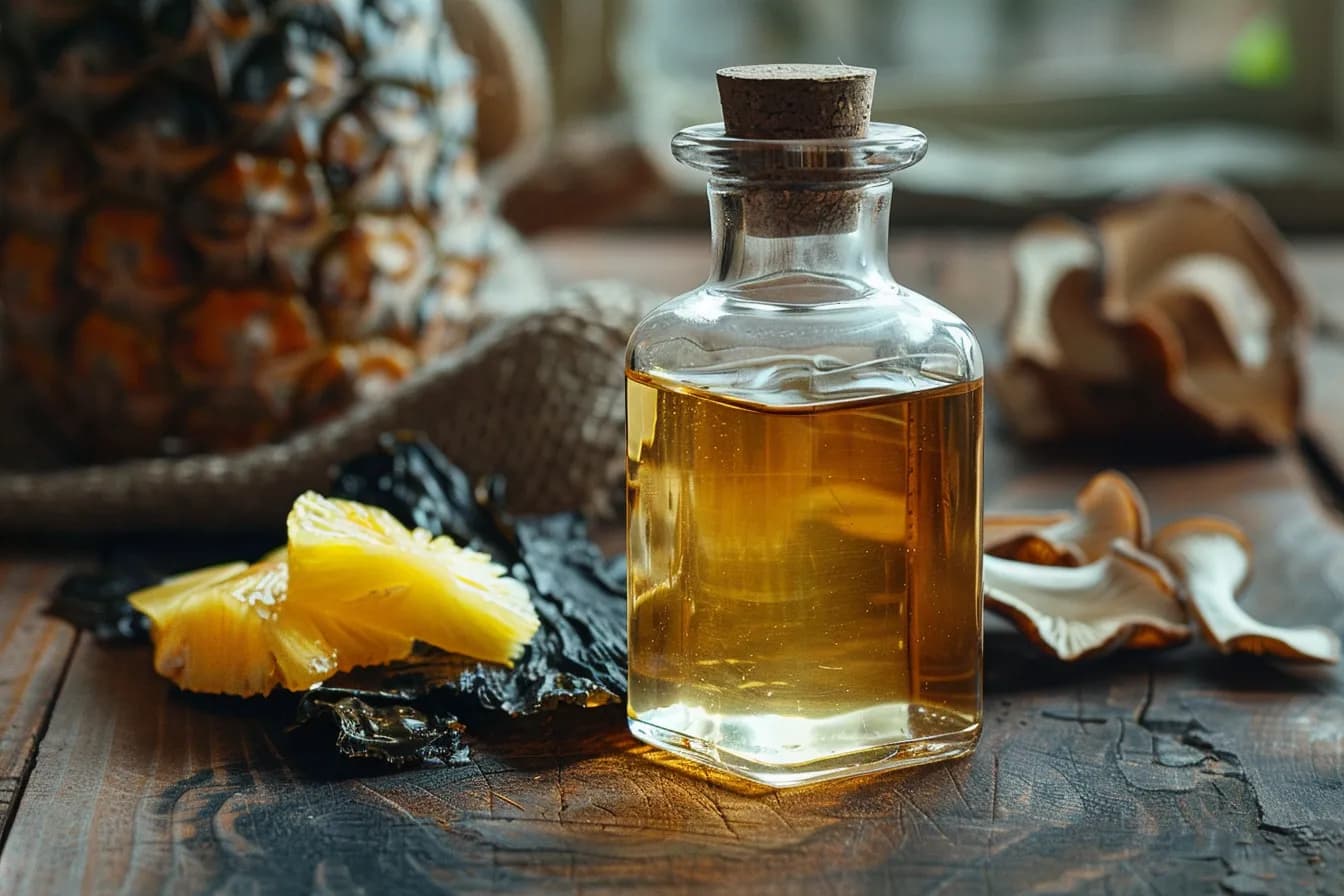
Vegan Fish Sauce
Fermented soybeans, seaweed, and pineapple provide that deep, salty note without a single fish in sight.
- Preparation
- 10 min
- Cook/bake time
- 25 min
- Total
- 13 hr 5 min
- Difficulty
- Easy
- Calories
- 18 kcal
- Servings
- 12 servings
- Prep
- 10 min
- Cooking & baking
- 25 min
- Resting
- 12 hr 30 min
Only 35 min of that is hands-on – the rest takes care of itself.
Fermented soybeans, seaweed, and pineapple provide that deep, salty note without a single fish in sight. Fish sauce is indispensable in Southeast Asian cuisine and poses a real problem for vegetarians, vegans, and those with fish allergies. This version recreates its three building blocks, which are salt, glutamate, and a subtle sweetness, using entirely plant-based sources.
Why this works
Authentic fish sauce is created when anchovies ferment in salt for months. Enzymes break down the fish protein into free amino acids, primarily glutamic acid, resulting in a liquid made of salt, glutamate, and breakdown products with a characteristic, slightly funky note. This can be recreated using three separate sources. Kombu seaweed provides glutamate in one of the highest natural concentrations available, and it is the reason why Japanese dashi works without meat. Light miso adds fermented soy protein, providing the same type of amino acid fragments as fermented fish. The pineapple not only contributes sweetness but also provides bromelain. This protein-splitting enzyme releases additional amino acids over the twelve-hour resting period.
Step-by-step instructions
- 1
Start the kombu cold
Place the kombu and shiitake in cold water and let them sit for thirty minutes. Starting cold is important for kombu: boiling water causes it to release slimy and bitter compounds, while cold steeping extracts only the glutamate.
- 2
Heat but do not boil
Slowly heat everything to about 80 °C and remove the kombu before the water boils. The shiitake can stay in the pot. Let it steep for twenty minutes over low heat without letting it bubble.
- 3
Miso, pineapple, and salt
Remove the pot from the heat, strain out the mushrooms, and stir in the miso, soy sauce, salt, sugar, and vinegar. Add the diced pineapple. The miso is intentionally added off the heat, as temperatures above 80 degrees destroy its flavor and active cultures.
- 4
Let steep for twelve hours and strain
Cover the mixture and let it sit at room temperature for twelve hours. During this time, the bromelain from the pineapple breaks down more protein into amino acids. This step is the difference between a salty broth and something that actually tastes like fish sauce. Afterward, strain it finely and refrigerate.
Our best tips
- Never boil the kombu. Above 80 degrees, it releases slimy and bitter compounds, so be sure to remove it before the water boils.
- Use fresh pineapple, not canned. Canned pineapple has been heated, which destroys the bromelain. This is the exact enzyme that is crucial here.
- Do not shorten the twelve-hour resting time. It is the difference between a simple salty broth and something that has the true depth of a fish sauce.
Tasty variations
As Nuoc Cham
Mix four tablespoons of the sauce with the juice of one lime, two teaspoons of sugar, one chopped chili, and four tablespoons of water. This is the universal Vietnamese dressing for summer rolls, salads, and rice noodles.
Soy-free
Replace the miso and soy sauce with three tablespoons of coconut aminos and an additional tablespoon of salt. This will remove the fermented protein, so you should use two extra shiitake mushrooms to compensate.
Nutrition facts
| Calories | 18 kcal |
|---|---|
| Protein | 1 g |
| Carbohydrates | 3 g |
| – of which sugar | 2 g |
| Fat | 0 g |
| Fiber | 1 g |
Where the 18 kcal come from
per serving
Calculated from the ingredients – how we do it
We add up reference values for every ingredient and divide by the number of servings. These assumptions are baked in:
- Reference values per 100 g – for the raw ingredient, exactly as listed.
- Tinned goods count at drained weight, bone-in meat at purchase weight: you eat about 70 per cent of a chicken thigh and leave the rest.
- Water evaporates as you cook. The energy stays in the pot, the weight does not – so the figure is per serving, not per 100 g of finished dish.
- Anything listed without a quantity – “salt and pepper” – is not counted.
A guide value, not a lab measurement: no two onions weigh the same, and fat content varies from pack to pack.
Frequently asked questions
Why is fish on the allergen list if there is none in the recipe?
Because of the kombu seaweed: seaweeds are harvested in the ocean and regularly carry traces of fish and crustaceans. This is not an issue for vegans, but it is for people with fish allergies. If you have a fish allergy, replace the kombu with two additional shiitake mushrooms, and the allergen warning can be ignored.
Does this really taste like fish sauce?
Not identically. What is missing is the slightly funky, animalic note from months of fish fermentation. What is present is the deep, salty foundational flavor. In a curry or dressing where fish sauce is used by the spoonful, the difference is barely noticeable.
How long does it keep?
About four weeks in the refrigerator in a clean bottle. The high salt content acts as a preservative, but unlike real fish sauce, it will not last for months because it lacks complete fermentation. If it becomes cloudy or smells yeasty, it should be discarded.
Comments & ratings(0)
Sign in to rate and comment on this recipe.
You might also like
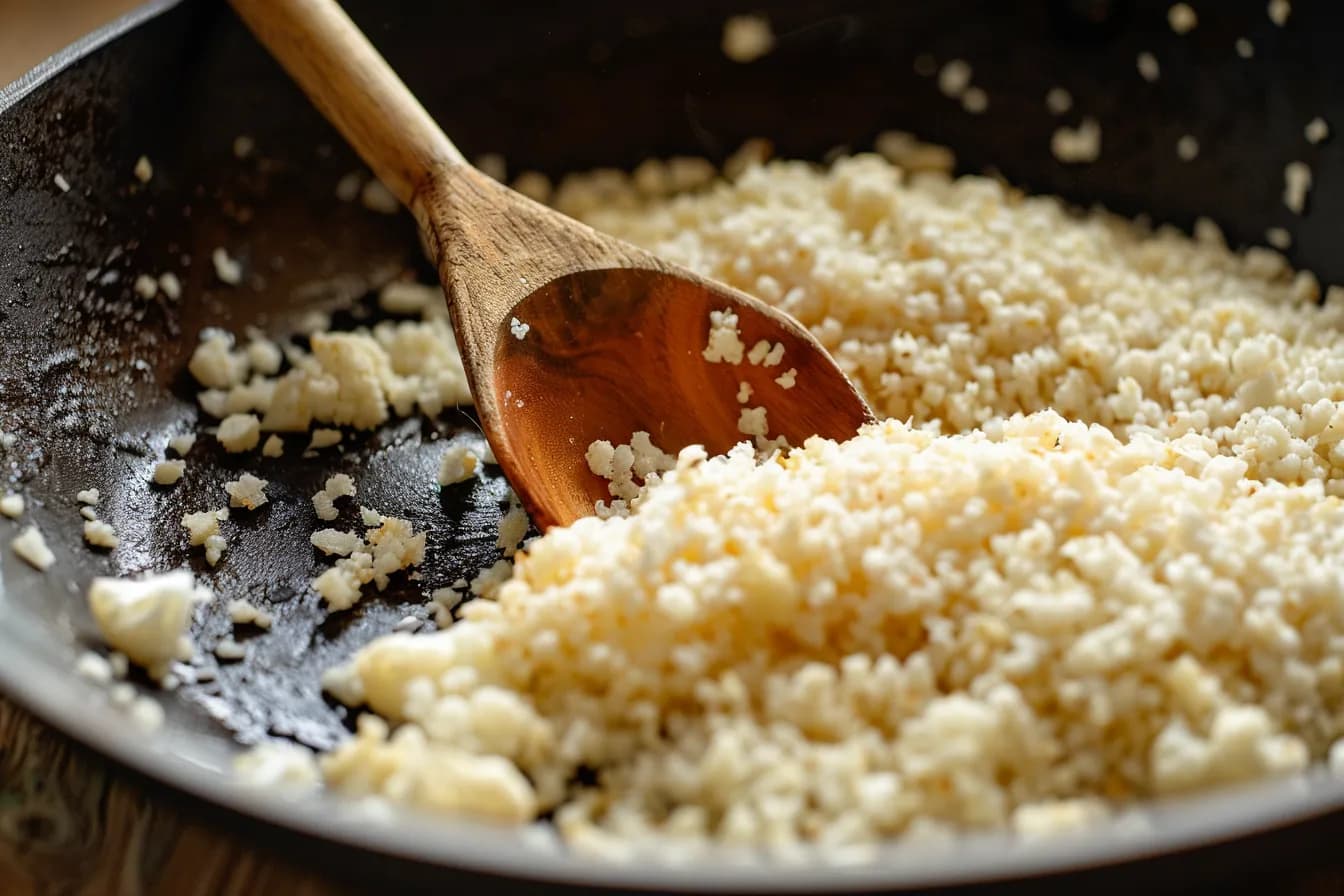 Low Carb
Cauliflower Rice
A rice substitute made from cauliflower with a tenth of the carbohydrates, dry roasted instead of steamed, otherwise it turns to mush.
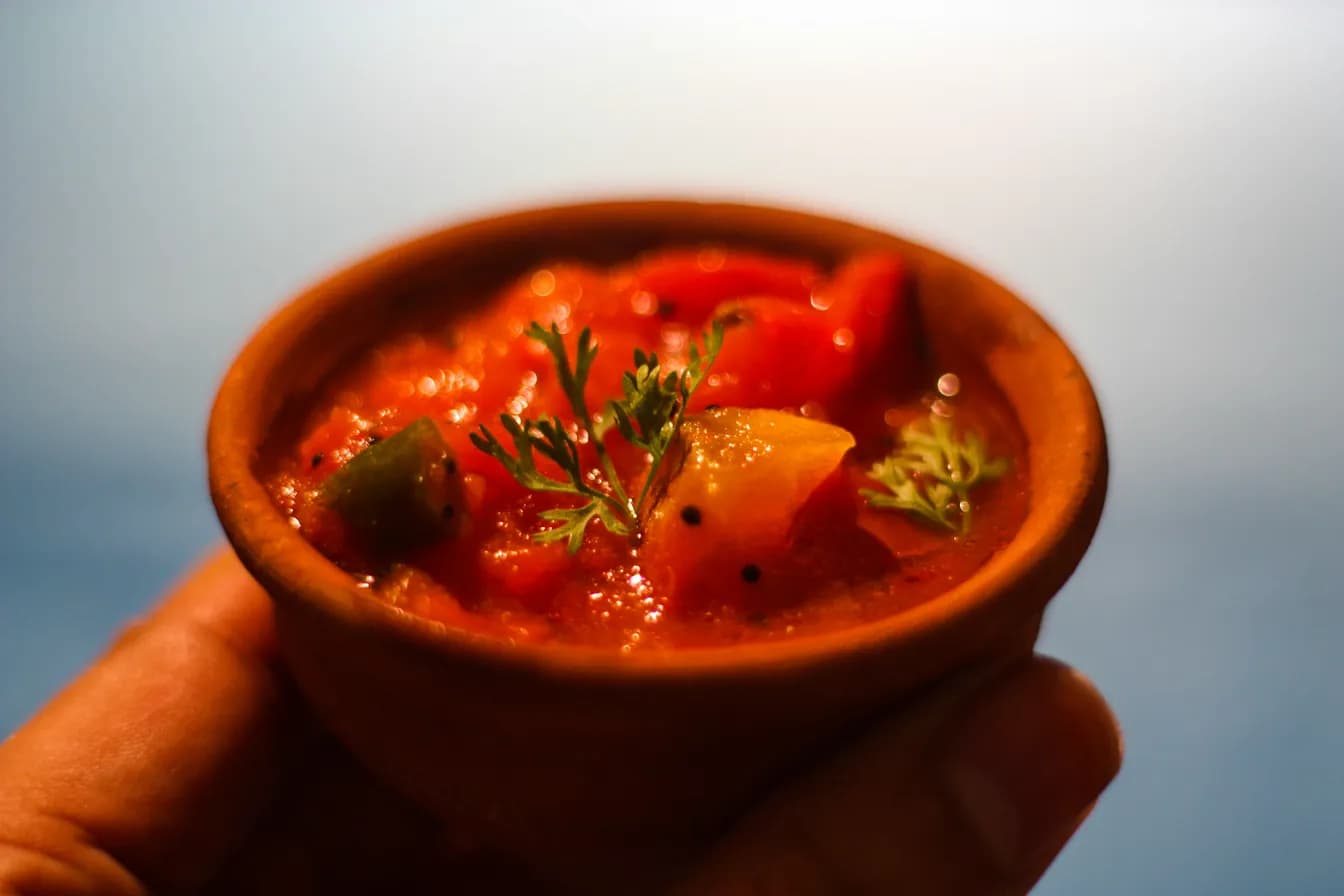 Basic Recipes
Tomato Sauce
The one sauce that turns into pizza, pasta, lasagna, and casseroles. Four ingredients and no shortcuts when simmering.
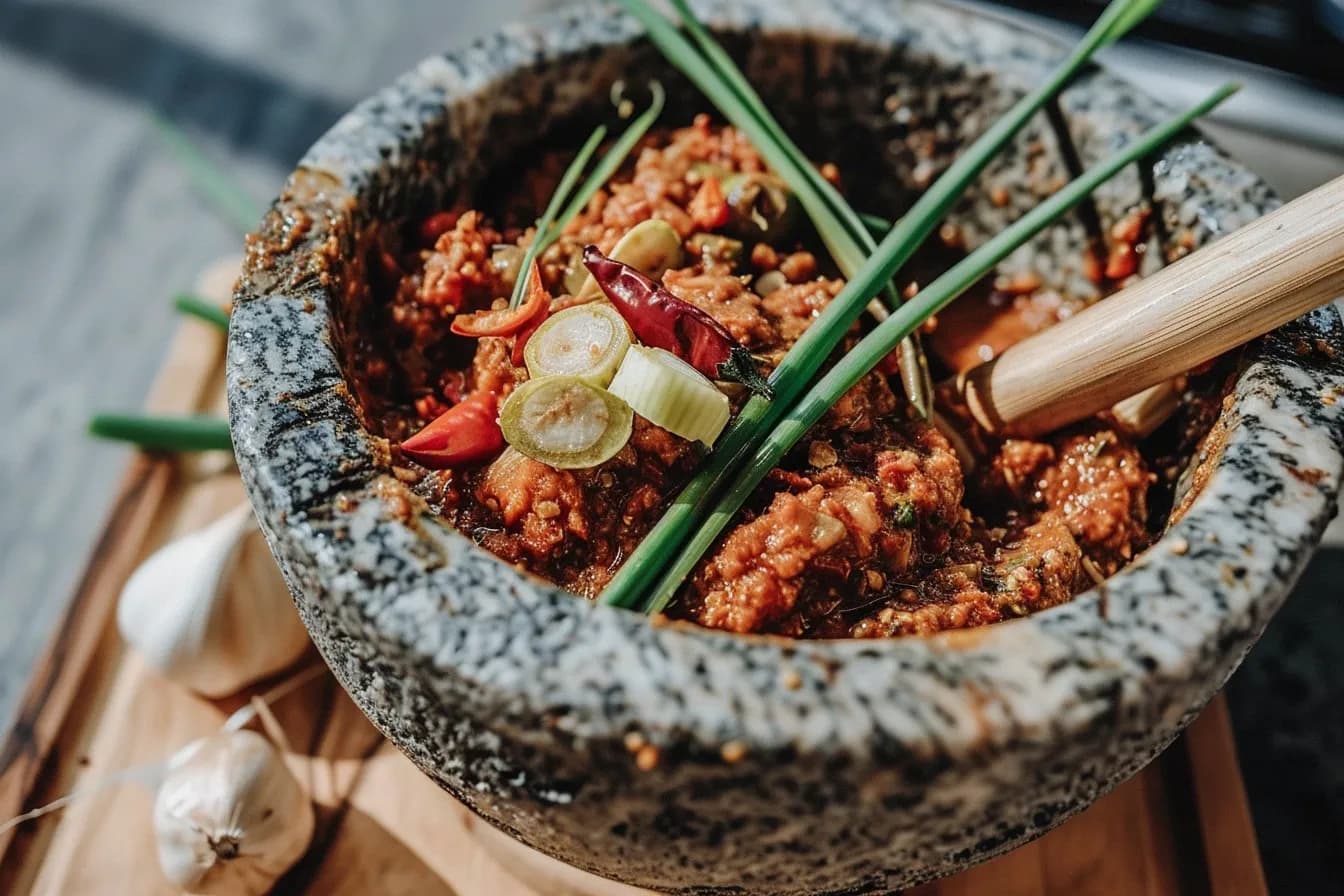 Basic Recipes
Homemade Thai Curry Paste
Red and green curry paste made from fresh ingredients, and the difference compared to the jar is greater than with any other ingredient.