Easter Leg of Lamb with Rosemary
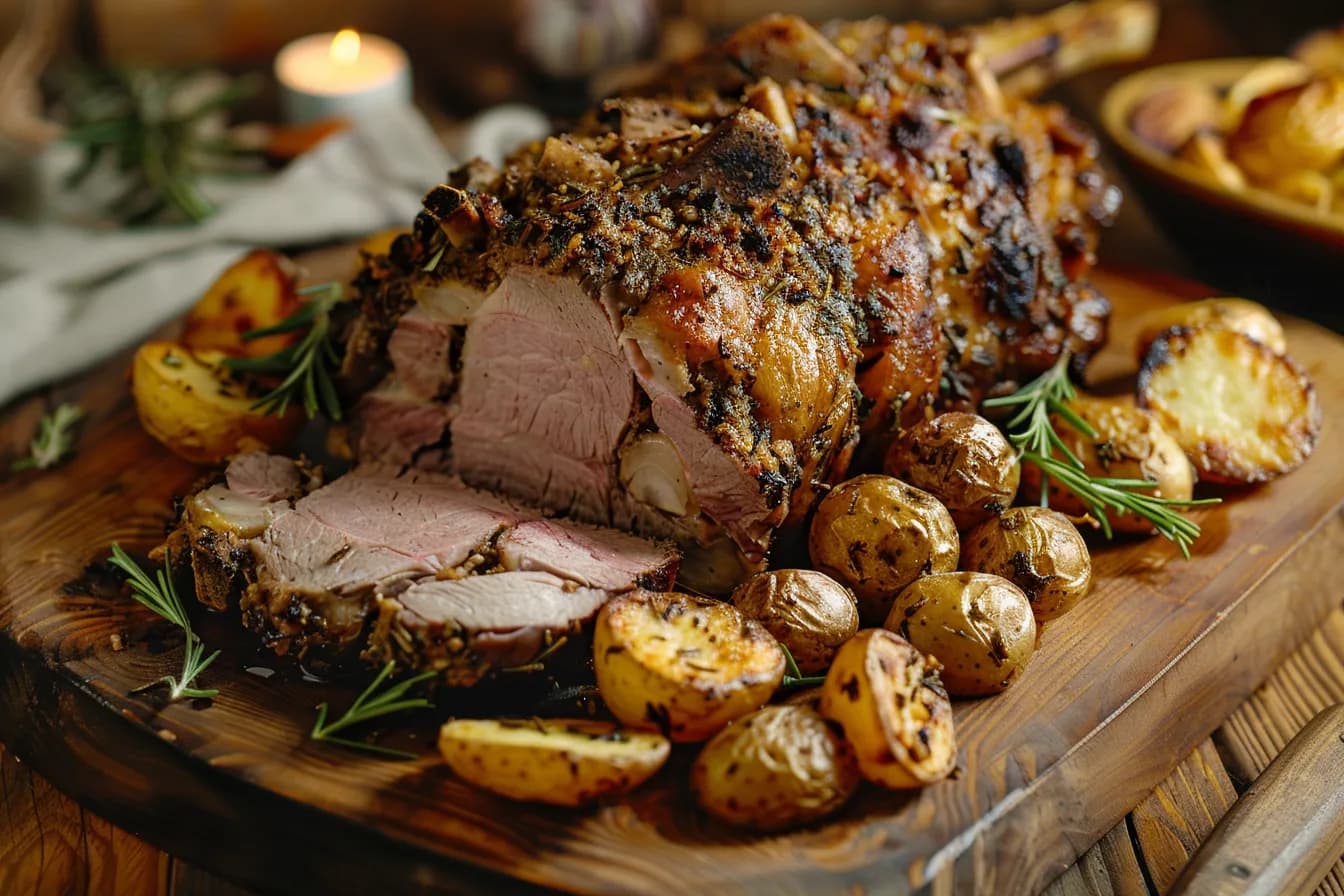
Bone-in leg of lamb with rosemary and garlic tucked into the meat, served with roasted potatoes cooked in the pan juices.
- Preparation
- 35 min
- Cook/bake time
- 1 hr 40 min
- Total
- 4 hr 35 min
- Difficulty
- Medium
- Calories
- 1181 kcal
- Servings
- 6
- Prep
- 35 min
- Cooking & baking
- 1 hr 40 min
- Resting
- 2 hr 20 min
Only 2 hr 15 min of that is hands-on – the rest takes care of itself.
Bone-in leg of lamb with rosemary and garlic tucked into the meat, served with roasted potatoes cooked in the pan juices. At a core temperature of 56 to 58 degrees, the meat is rosy and juicy; above 65 degrees, the muscle fibers squeeze out the juices. The bone helps because it conducts heat more slowly than meat.
Why this works
A bone-in leg of lamb is unevenly thick, which is why the core temperature is the only reliable measure: at 56 to 58 °C, the meat is rosy and juicy; above 65 °C, the muscle fibers contract and squeeze out the juices. The bone works in your favor here because it conducts heat more slowly than meat, slowing down the cooking process at the thickest part. Rosemary and garlic are tucked into slits rather than placed on the outside because their flavor compounds are fat-soluble: inside, they migrate into the fat between the fibers; on the outside, they would simply burn at 160 °C and become bitter.
Step-by-step instructions
- 1
Stud the leg of lamb
Take the meat out of the fridge two hours beforehand and pat it dry. Using a sharp knife, pierce about twenty pockets two centimeters deep into the meat and slide a slice of garlic and a piece of rosemary into each one. Rub the leg with olive oil, salt, pepper, and the mustard.
- 2
Sear over high heat
Sear the leg in a large roasting pan over high heat until deeply browned all over, about two to three minutes per side. At 160 °C in the oven, no more roasted flavors will develop later, so the color must be created now. Briefly remove it from the pan.
- 3
Into the oven with potatoes
Toss the halved potatoes in the roasting fat, salt them, and distribute them with the rosemary sprigs in the roasting pan. Place the leg on top or on a rack above them so that the pan juices drip into the potatoes. Slide everything into the oven at 160 °C top/bottom heat.
- 4
Cook to core temperature
Cook the leg for about eighty to ninety minutes and measure at the thickest part without touching the bone: 56 to 58 °C for rosy, 62 °C for well done. Turn the potatoes halfway through and add the butter. If the temperature rises faster than expected, cover the leg loosely with foil.
- 5
Rest and jus
Place the leg on a board and let it rest for twenty minutes under loosely placed foil; the core temperature will rise by another two to three degrees. Keep the potatoes warm in the turned-off oven. Deglaze the pan drippings with the white wine, boil it down vigorously, pour in the stock, and reduce by half. Stir in the cold butter and slice the meat parallel to the bone.
Our best tips
- Tuck garlic and rosemary into slits, do not place them on the outside. On the outside, they will burn and taste bitter.
- An instant-read thermometer is indispensable for a bone-in leg because the cut is naturally unevenly thick.
- Place the potatoes under the meat. The dripping pan juices are the best seasoning they can get.
Tasty variations
With an herb crust
After one hour, press a mixture of 60 g breadcrumbs, chopped herbs, garlic, and 40 g butter onto the leg and finish cooking.
Boneless leg of lamb
Roll and tie a 1.5 kg boned leg and cook at 160 °C for about sixty minutes. It is easier to carve but cooks through faster, so measure more frequently.
Nutrition facts
| Calories | 1181 kcal |
|---|---|
| Protein | 71 g |
| Carbohydrates | 29 g |
| – of which sugar | 2 g |
| Fat | 84 g |
| Fiber | 5 g |
Where the 1,181 kcal come from
per serving
Calculated from the ingredients – how we do it
We add up reference values for every ingredient and divide by the number of servings. These assumptions are baked in:
- Reference values per 100 g – for the raw ingredient, exactly as listed.
- Tinned goods count at drained weight, bone-in meat at purchase weight: you eat about 70 per cent of a chicken thigh and leave the rest.
- Water evaporates as you cook. The energy stays in the pot, the weight does not – so the figure is per serving, not per 100 g of finished dish.
- Anything listed without a quantity – “salt and pepper” – is not counted.
A guide value, not a lab measurement: no two onions weigh the same, and fat content varies from pack to pack.
Frequently asked questions
How much lamb per person?
For a bone-in leg, calculate 300 to 350 g raw weight per person, or 200 g without the bone. Two kilograms are therefore enough for six people with side dishes.
Rosy or well done?
Lamb is best at 56 to 58 °C, when it is juicy and mild. If you do not like pink meat, go to 62 °C; above that, the leg becomes dry and the typical lamb flavor becomes more pronounced.
How do I recognize good lamb quality?
Light, firm meat with white fat and no strong odor. Young spring lamb is significantly milder than meat from older animals, where the fat turns yellowish.
Comments & ratings(0)
Sign in to rate and comment on this recipe.
You might also like
 Grilling & BBQ
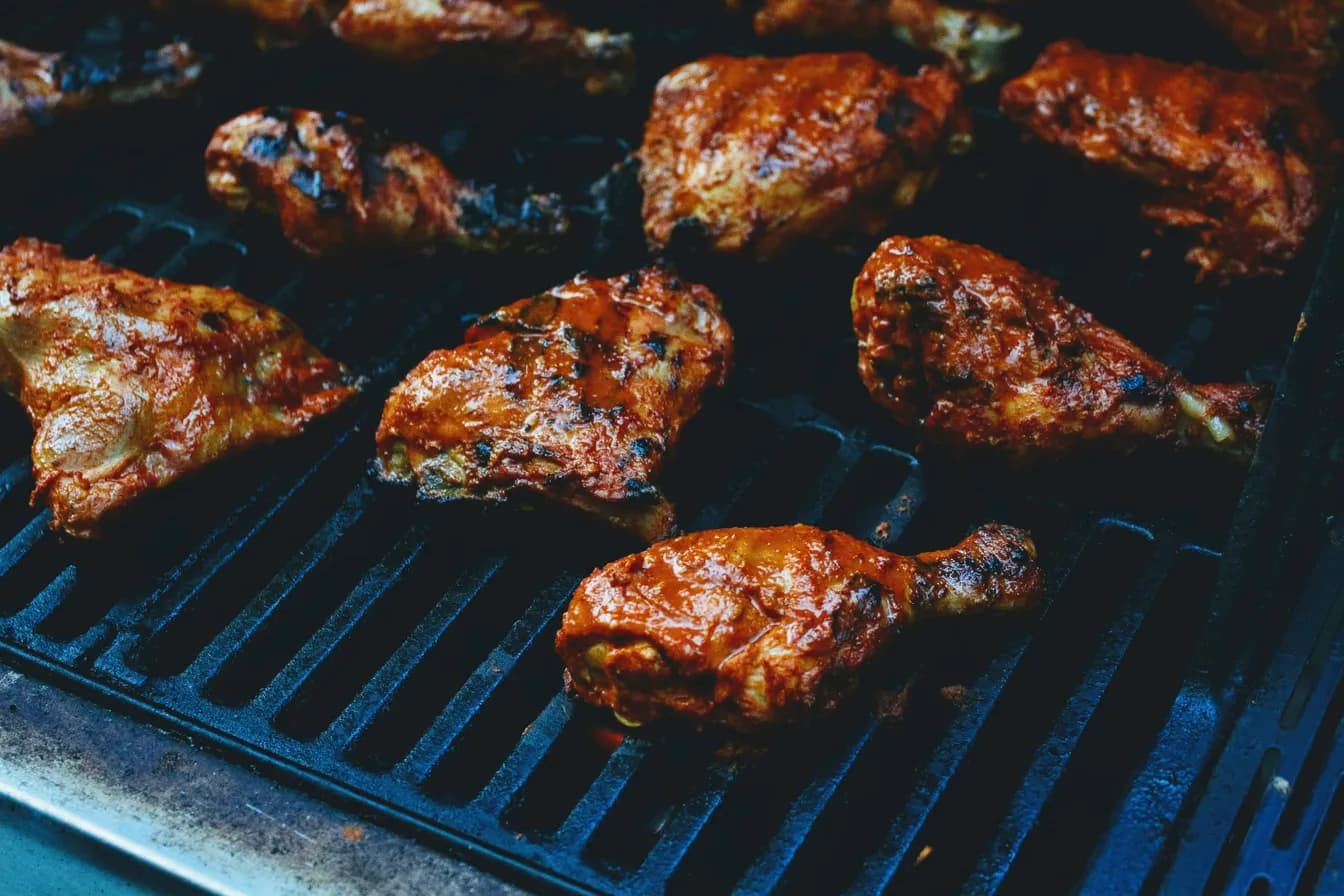
Chicken Marinade for Grilling
Four flavor profiles, one ratio, and chicken that comes off the grill still juicy on the inside.
 Pasta
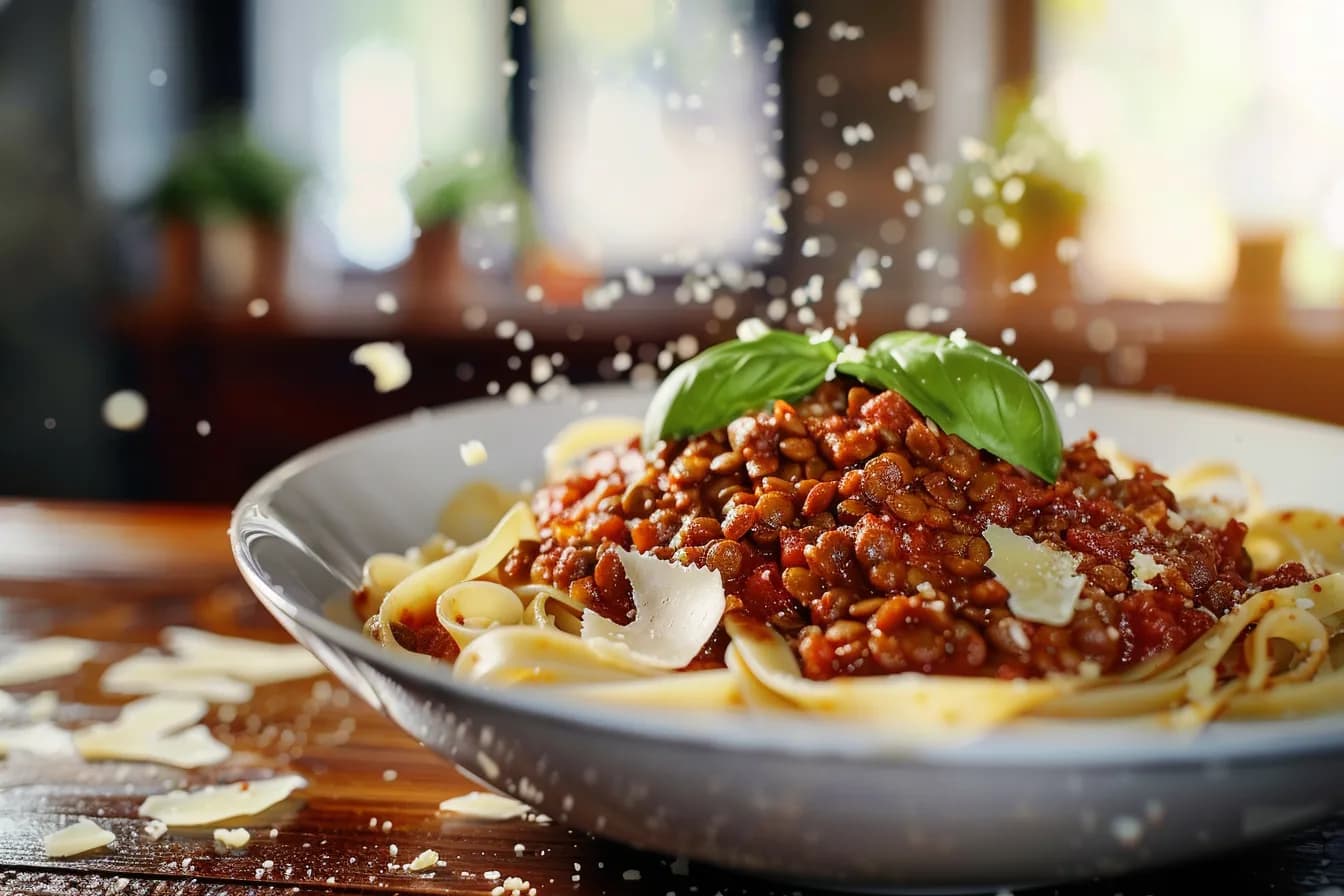
PastaLentil Bolognese
Vegan Bolognese made from Beluga lentils that even meat eaters will love, with 20 grams of protein per serving.
 Meal Prep
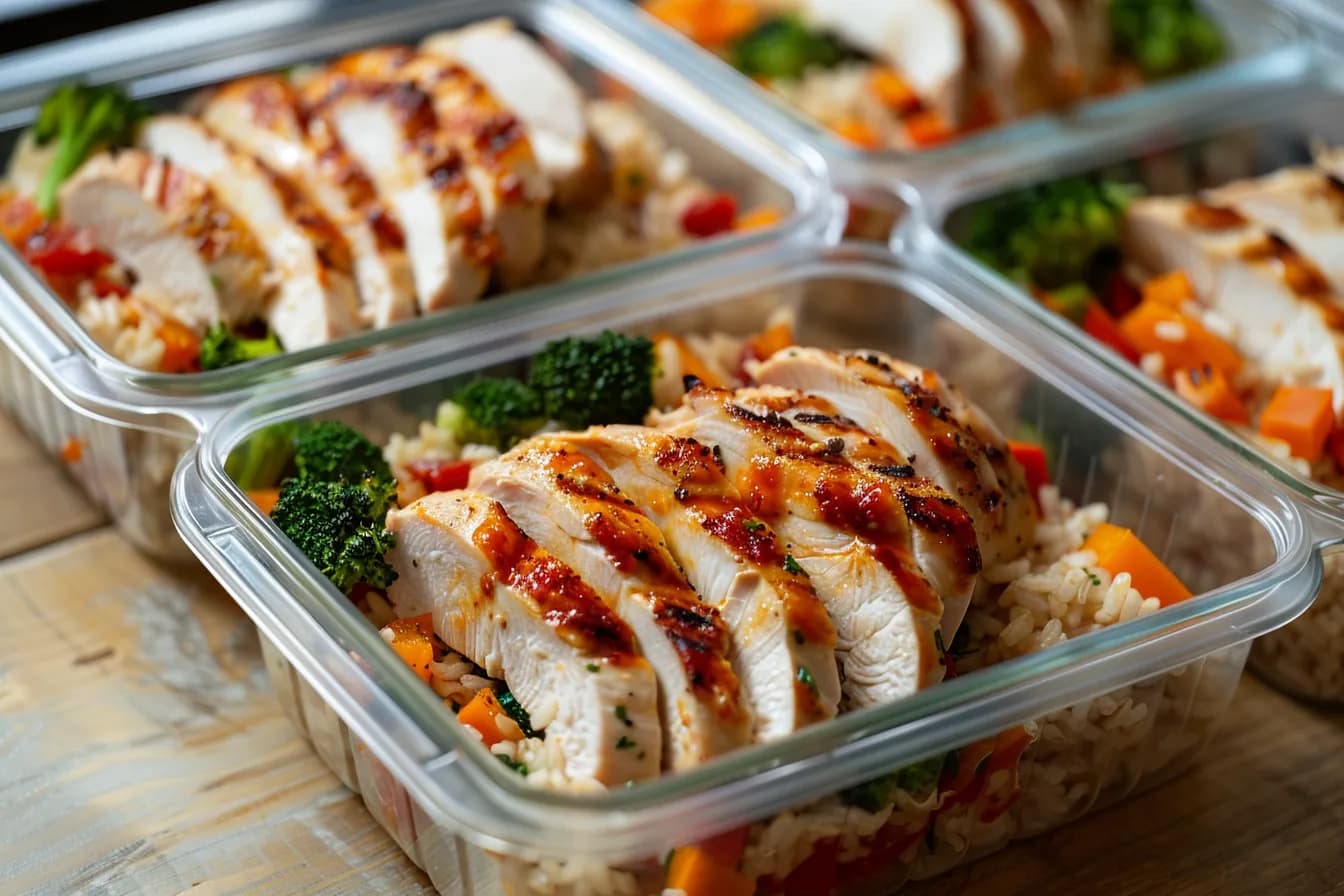
Chicken Meal Prep Boxes
Four boxes for the week in forty minutes, with the trick that prevents chicken from being dry on the third day.