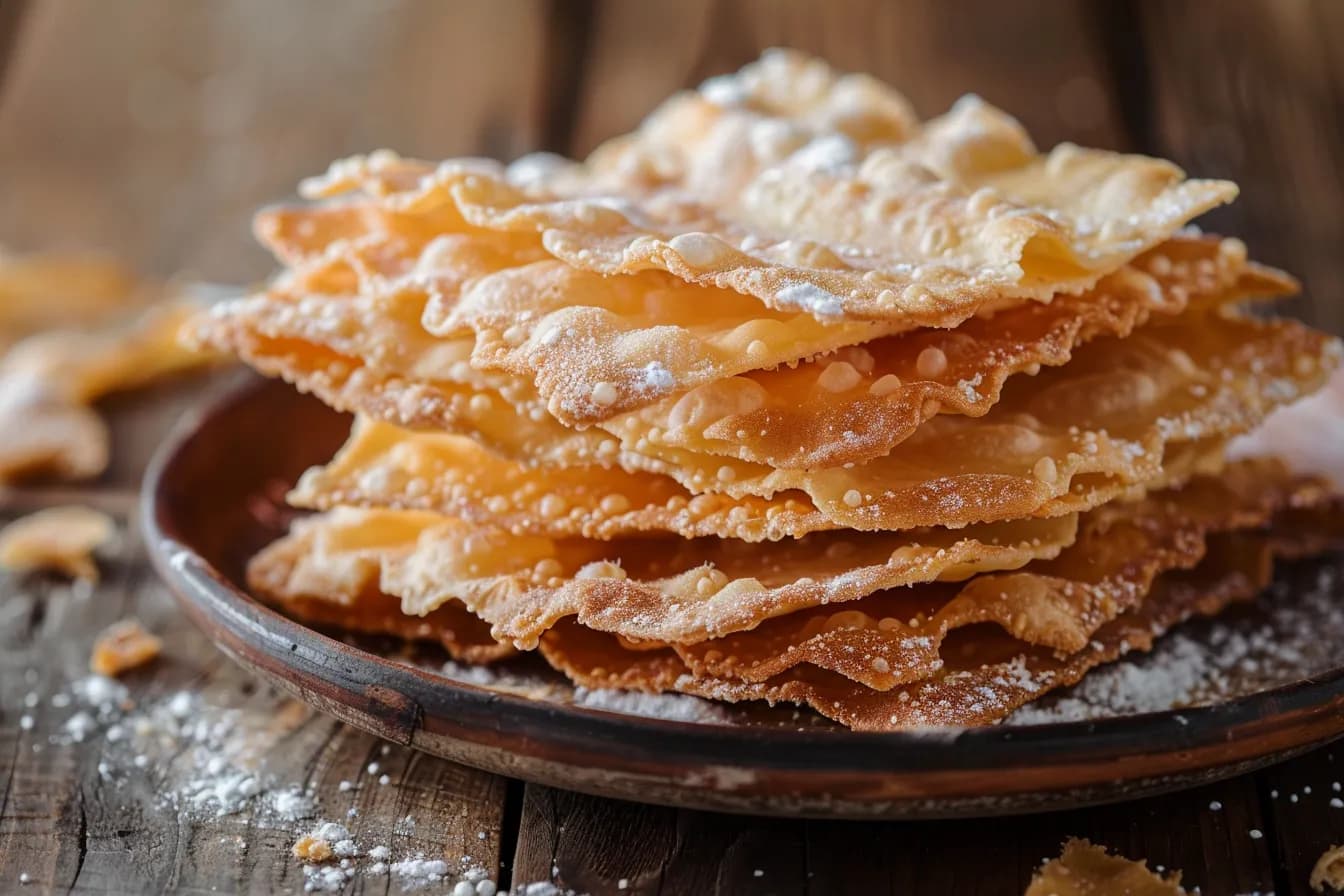
Chiacchiere
Wafer-thin Italian carnival pastries: fried ribbons of dough that shatter loudly when you bite into them.
- Preparation
- 40 min
- Cook/bake time
- 20 min
- Total
- 1 hr 30 min
- Difficulty
- Medium
- Calories
- 392 kcal
- Servings
- 6 servings
- Prep
- 40 min
- Cooking & baking
- 20 min
- Resting
- 30 min
Only 1 hr of that is hands-on – the rest takes care of itself.
Wafer-thin Italian carnival pastries: fried ribbons of dough that shatter loudly when you bite into them. "Chiacchiere" means chatter, named after the sound they make. They go by a different name in every region: Frappe in Bologna, Galani in Venice, Bugie in Naples. The recipe is almost identical everywhere, and the trick is always the same: roll them out thinner than you dare.
Why this works
The bubbles on the chiacchiere are created by the water in the dough. At 170 degrees, it evaporates suddenly and lifts the thin layer of dough from the inside before it sets. This only works if the dough is truly thin; from about two millimeters, the steam has too much mass above it and escapes sideways instead of forming bubbles. The oil temperature is the second lever and works in both directions. Oil that is too cold does not form a quick crust on the surface, so fat soaks into the dough and the pastry becomes heavy and greasy. Oil that is too hot browns the outside before the water inside has evaporated. The splash of wine or grappa in the dough is not a flavor detail, but technique: alcohol evaporates earlier than water and additionally drives the bubbles, while it slows down gluten formation and keeps the dough tender.
Step-by-step instructions
- 1
Knead the dough
Knead the flour, eggs, sugar, soft butter, wine, lemon zest, and salt into a firm, smooth dough, which takes about eight minutes. It is significantly firmer than pasta dough and should feel dry. Wrap it up and let it rest for thirty minutes so the gluten relaxes and it can be rolled out thinly later.
- 2
Roll out very thinly
Roll out the dough in batches to under one millimeter, so thin that you can see the work surface shining through. This is the one step on which the recipe stands or falls. It is easier with a pasta machine: pass it through up to the second-to-last setting.
- 3
Cut ribbons
Use a pastry wheel to cut rectangles of about 10 by 4 cm and score each one lengthwise in the middle. The slit is not a pattern: some of the steam escapes through it, so the ribbon curls evenly instead of puffing up into a ball.
- 4
Fry
Heat the oil to 170 degrees and fry only a few ribbons at a time for about 40 seconds per side, until they are pale golden yellow and form bubbles. They must not turn brown, or they will taste bitter. Remove them with a slotted spoon and place them on paper towels.
- 5
Sugar
Dust the chiacchiere generously with powdered sugar while they are still warm to the touch. If they are completely cold, it adheres poorly, and if they are boiling hot, it melts and sticks. They are best freshly baked and stay crispy in an open bowl for about three days; if sealed airtight, they become soft.
Our best tips
- Rolling it out too thickly is the only mistake that cannot be salvaged. If you are unsure, it is better to roll over it twice more. A millimeter too thin never hurts, but a millimeter too thick costs all the bubbles.
- Really measure the oil temperature. Twenty degrees too low, and the ribbons soak up fat instead of puffing up. Let it heat up again briefly after each batch.
- Do not store airtight. Chiacchiere need air exchange, otherwise the residual moisture draws back into the dough. An open bowl with a cloth over it is right.
Tasty variations
In the oven
Bake at 190 °C for about eight minutes, brushing thinly with oil beforehand. They become crispy, but not bubbly. The steam bubbles need the heat from all sides that only frying provides.
With cocoa
Replace two tablespoons of flour with cocoa and dust with powdered sugar. Widespread in Naples as "Bugie al cacao".
Nutrition facts
| Calories | 392 kcal |
|---|---|
| Protein | 8 g |
| Carbohydrates | 55 g |
| – of which sugar | 17 g |
| Fat | 15 g |
| Fiber | 2 g |
Estimated, not calculated – why
Here some of the ingredients never reach the plate: most frying oil stays in the pan, and in a stock the solids are strained off. How much of it ends up in the food cannot be calculated – counting a litre of oil would quintuple the figure, leaving it out would describe a dish baked without fat. So this is an editorial estimate rather than a total that would look dependable without being so.
A guide value, not a lab measurement: no two onions weigh the same, and fat content varies from pack to pack.
Frequently asked questions
How many calories do chiacchiere have?
About 390 kcal per serving of around five pieces. The number is an estimate and not a calculation. How much frying fat sticks to the pastry depends on the oil temperature and cannot be seriously quantified. At 170 degrees, it is significantly less than at 150.
Why are my chiacchiere not forming bubbles?
Almost always because the dough was rolled out too thickly. It must be under one millimeter so the steam can lift the layer. The second most common reason is oil that is too cold.
What else are they called in Italy?
Depending on the region, Frappe, Galani, Bugie, Crostoli, Cenci, or Sfrappole. There are over twenty names. The recipe is almost identical everywhere, the differences lie in the alcohol in the dough and in the shape.
How long do they keep?
In an open bowl for about three days. It is important not to seal them airtight. In a container, the residual moisture draws back into the dough and they become chewy.
Comments & ratings(0)
Sign in to rate and comment on this recipe.
You might also like
 Cakes & Pastries
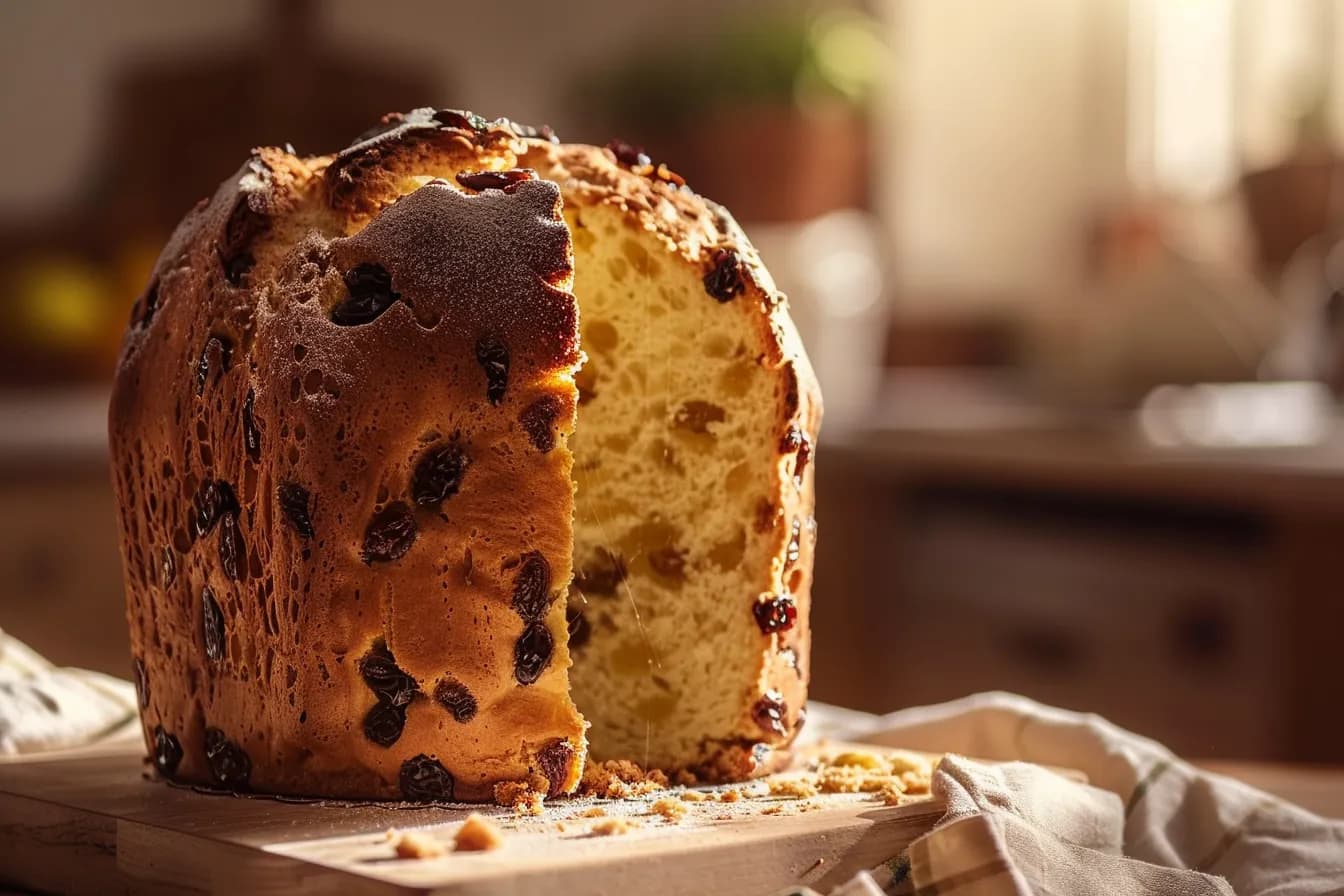
Panettone
The Milanese Christmas cake: tall, airy, tearable into shreds, and the result of two days of patience.
 Cakes & Pastries
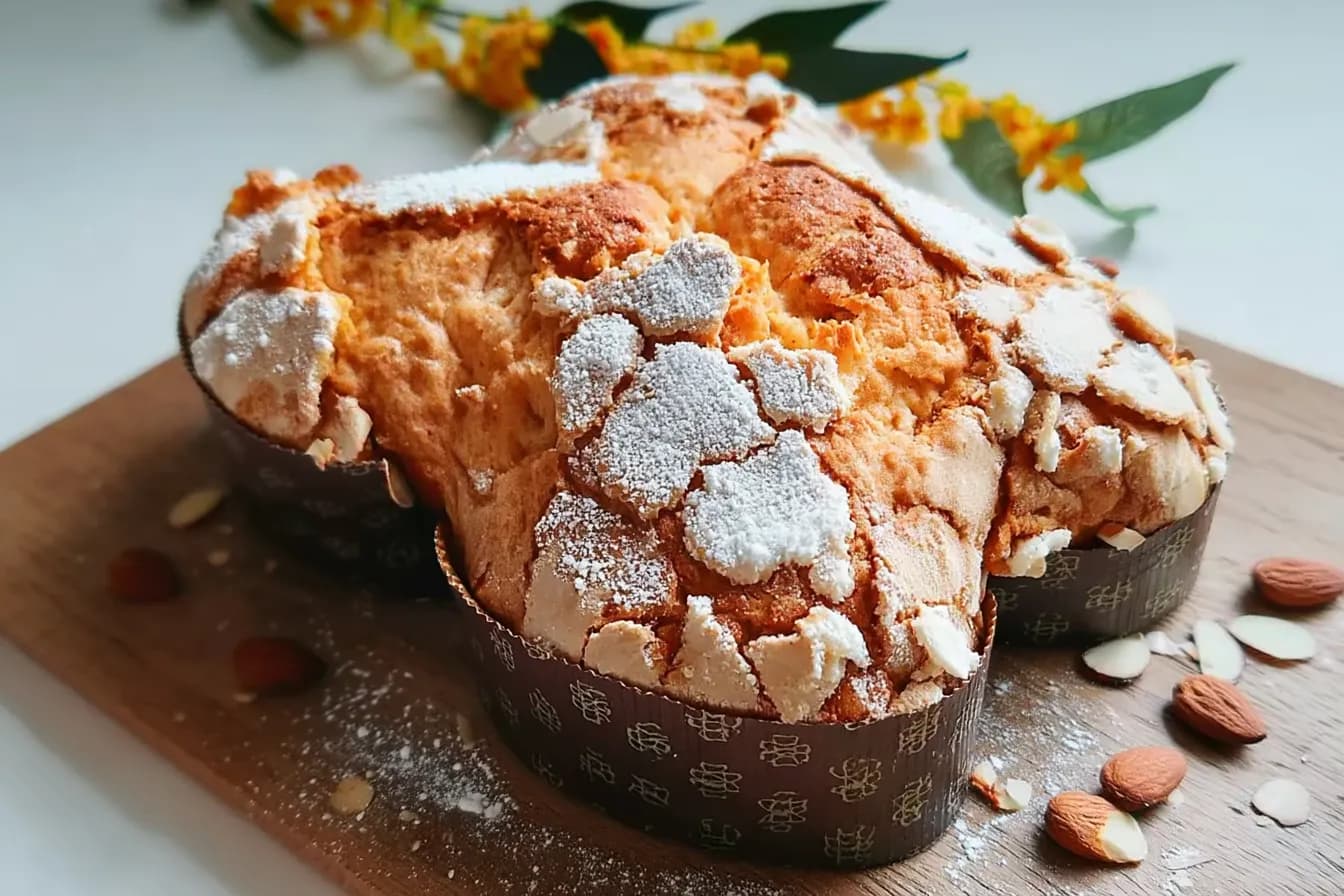
Colomba Pasquale
The Italian Easter dove, a yeast cake like panettone, just in the shape of a dove and with an almond crust.
 Cakes & Pastries
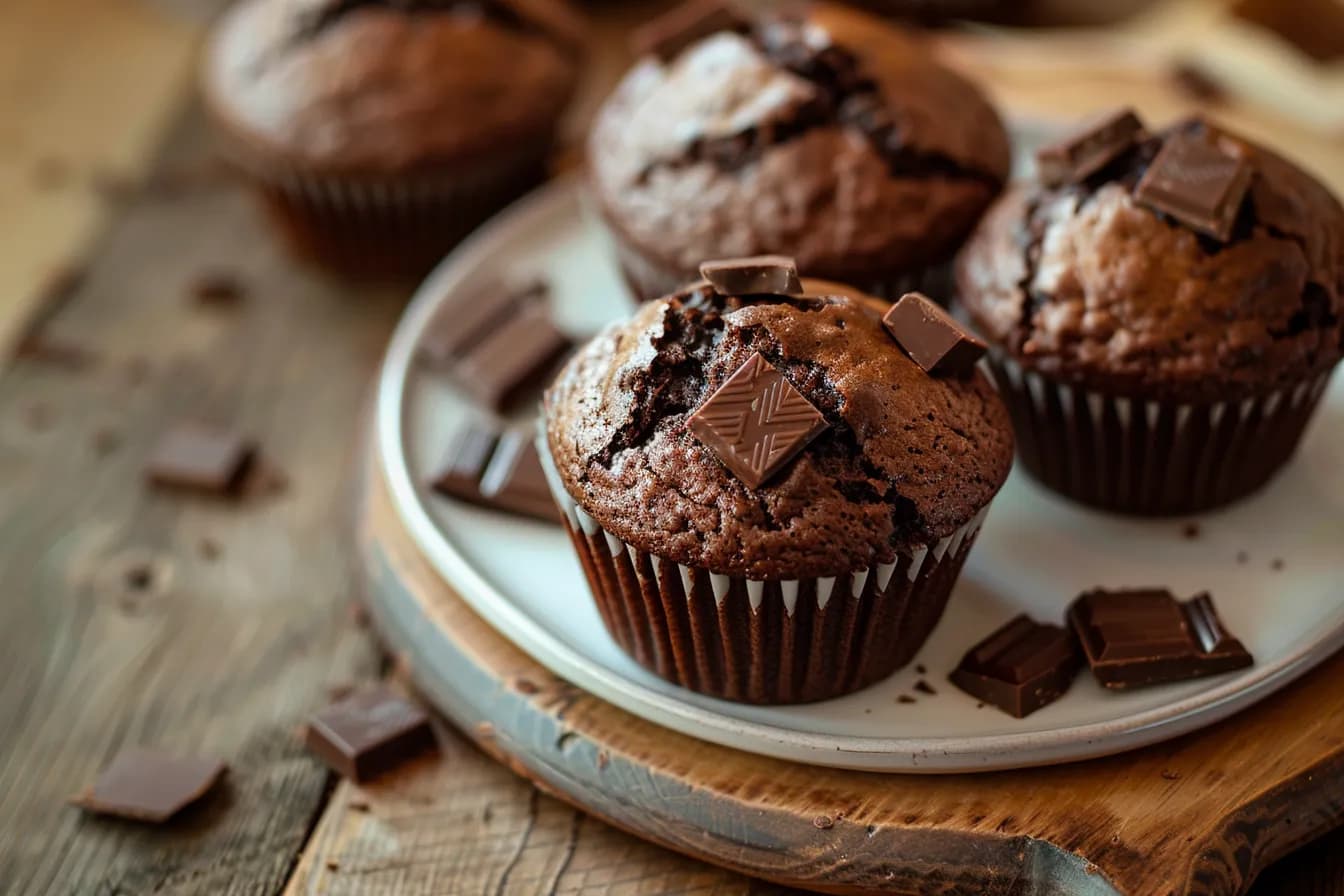
Chocolate Muffins
Dark, moist muffins with a domed top and melted chocolate chunks.