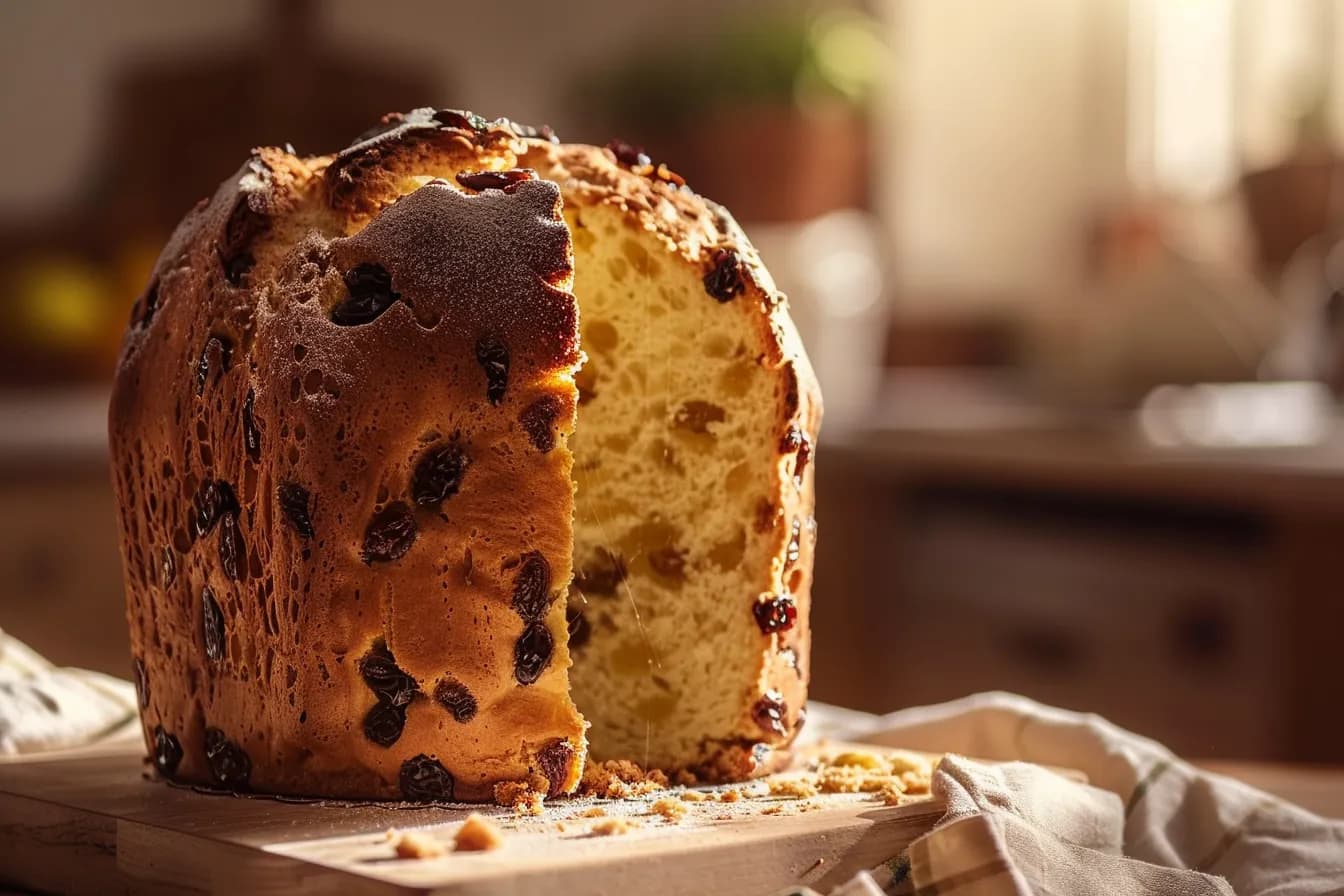
Panettone
The Milanese Christmas cake: tall, airy, tearable into shreds, and the result of two days of patience.
- Preparation
- 1 hr 30 min
- Cook/bake time
- 50 min
- Total
- 27 hr 20 min
- Difficulty
- Advanced
- Calories
- 323 kcal
- Servings
- 12 pieces
- Prep
- 1 hr 30 min
- Cooking & baking
- 50 min
- Resting
- 25 hr
Only 2 hr 20 min of that is hands-on – the rest takes care of itself.
The Milanese Christmas cake: tall, airy, tearable into shreds, and the result of two days of patience. A Panettone contains so much butter, egg yolk, and sugar that ordinary yeast would fail. This is why the dough is built in two stages and fermented overnight. It is also why it hangs upside down after baking, because it would collapse under its own weight while warm.
Why this works
Fat and sugar are both adversaries of the gluten structure. Fat coats the gluten strands and prevents them from bonding, while sugar osmotically draws water from the yeast and slows it down. A Panettone dough contains so much of both that it could never form a stable structure in a single pass. The solution is the two-stage fermentation. In the first dough, fat and sugar are still low enough for a strong gluten network to develop overnight. Only then are butter, egg yolk, and sugar added in several portions, and so slowly that the finished network can incorporate them instead of breaking apart. Hanging it upside down at the end follows the same logic. The crumb is not yet stable when hot, so its starches must first crystallize, which takes hours. Standing upright, it would collapse under its own weight during this time.
Step-by-step instructions
- 1
Knead the first dough
Dissolve the yeast in the lukewarm water and knead it with the flour and sugar for about 10 minutes into a smooth dough. Then add the egg yolks one by one, and finally the soft butter cube by cube. Only when the previous piece is fully incorporated should the next one be added. The dough will look separated in between and then come back together, which is completely normal.
- 2
Let rise overnight
Cover the dough and let it rise at about 20 degrees for 12 hours until it has tripled in size. This is not an approximation. Doubling is not enough for Panettone, because the gluten structure will otherwise not support the second load of sugar. If the kitchen is colder, it will take longer, so go by the volume.
- 3
Build the second dough
Add the flour and salt to the first dough and knead for 10 minutes. Then alternately work in the sugar, egg yolks, and butter in small portions, along with the vanilla and orange zest. A total of 40 minutes of kneading time is normal. Measure the dough temperature in between. Above 26 degrees, the butter will melt out of the structure, so pause and briefly chill the bowl.
- 4
Incorporate the fruit
Fold in the well-drained raisins and candied orange peel only briefly, for a maximum of 1 minute. Kneading longer tears the painstakingly built structure and presses juice out of the fruit. Fill the dough into a Panettone paper mold and let it rise for 4 to 6 hours until it almost reaches the edge.
- 5
Bake and hang upside down
Score the surface in a cross shape, place a piece of butter in the center, and bake the Panettone at 160 °C for 50 minutes until the core temperature reaches 94 degrees. Immediately after baking, pierce two long skewers horizontally through the lower edge and hang it upside down between two pots for at least 8 hours. Cooled upright, it will collapse.
Our best tips
- Use flour with at least 12 percent protein, ideally 13. Standard all-purpose flour has too little gluten and cannot support the amount of fat, which will make the Panettone flat and dense.
- The dough temperature is the most underestimated factor. A dough that goes over 26 degrees loses its emulsion and cannot be saved. With long kneading times, it helps to chill the bowl for 10 minutes in between.
- The Panettone tastes best on the third day. Freshly baked, the crumb is not yet fully matured. Only after two days in a sealed bag does it become silky and can be pulled apart into shreds.
Tasty variations
With chocolate
Replace the raisins and candied orange peel with 250 g of coarsely chopped dark chocolate. This is the most widespread modern variation in Italy and the only one accepted by children.
Pandoro style
Omit the fruit entirely and double the amount of vanilla. This results in a purer, buttery yeast cake. It is not quite a Pandoro, but very close.
What is left over?
This recipe only uses the yolks. The whites keep for three days in the fridge and freeze well – nobody has to throw them out.
Nutrition facts
| Calories | 323 kcal |
|---|---|
| Protein | 5 g |
| Carbohydrates | 46 g |
| – of which sugar | 24 g |
| Fat | 13 g |
| Fiber | 2 g |
Where the 323 kcal come from
per serving
Calculated from the ingredients – how we do it
We add up reference values for every ingredient and divide by the number of servings. These assumptions are baked in:
- Reference values per 100 g – for the raw ingredient, exactly as listed.
- Tinned goods count at drained weight, bone-in meat at purchase weight: you eat about 70 per cent of a chicken thigh and leave the rest.
- Water evaporates as you cook. The energy stays in the pot, the weight does not – so the figure is per serving, not per 100 g of finished dish.
- Anything listed without a quantity – “salt and pepper” – is not counted.
A guide value, not a lab measurement: no two onions weigh the same, and fat content varies from pack to pack.
Frequently asked questions
How many calories are in a piece of Panettone?
Around 325 kcal per piece when cut into 12 pieces. This is significantly more than standard yeast pastries and is due to the amount of butter and egg yolks. A good third of the energy comes from the fat.
Why is my Panettone collapsing?
Almost always because it was cooled upright. The crumb is not yet stable when hot and sags under its own weight. Hung upside down, gravity keeps it stretched until the starches have crystallized.
Can this be done in one day?
No, and this is not a matter of convenience. The first dough needs the 12 hours to build a gluten structure that can support the second load of fat and sugar. If shortened, the Panettone will remain flat and dense.
How long does Panettone keep?
In a tightly sealed bag for about 10 days, and it actually gets better over the first three days. The high fat and sugar content acts as a preservative, which is why it was originally a pastry meant for gifting.
Do I really need a paper mold?
It helps a lot. Panettone paper is sturdier than parchment paper and supports the dough laterally as it rises, and it can also withstand the skewers for hanging. Alternatively, two layers of parchment paper in a tall round pan will work.
Comments & ratings(0)
Sign in to rate and comment on this recipe.
You might also like
 Cakes & Pastries
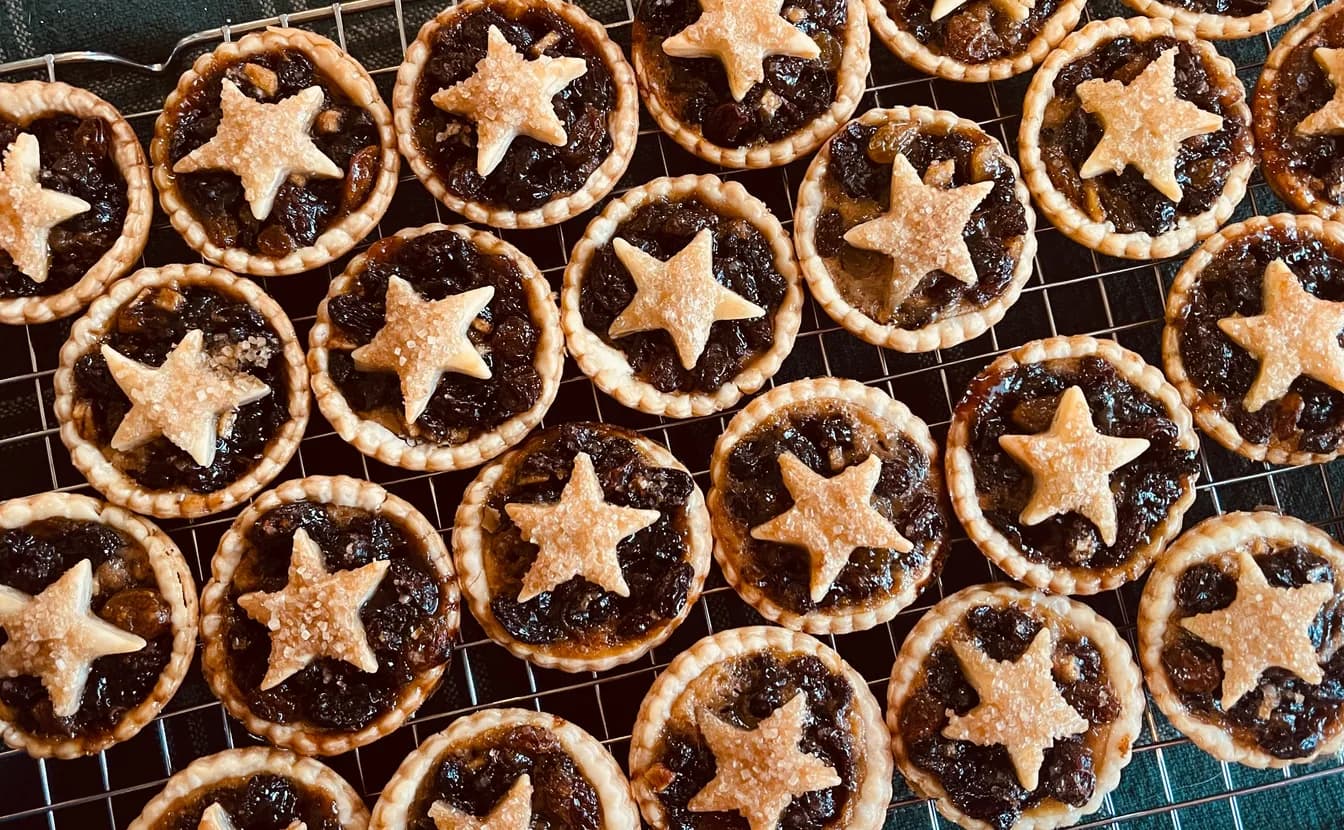
Mince Pies
Small British Christmas tarts with a dried fruit filling, meat-free for two hundred years despite the name.
 Cakes & Pastries
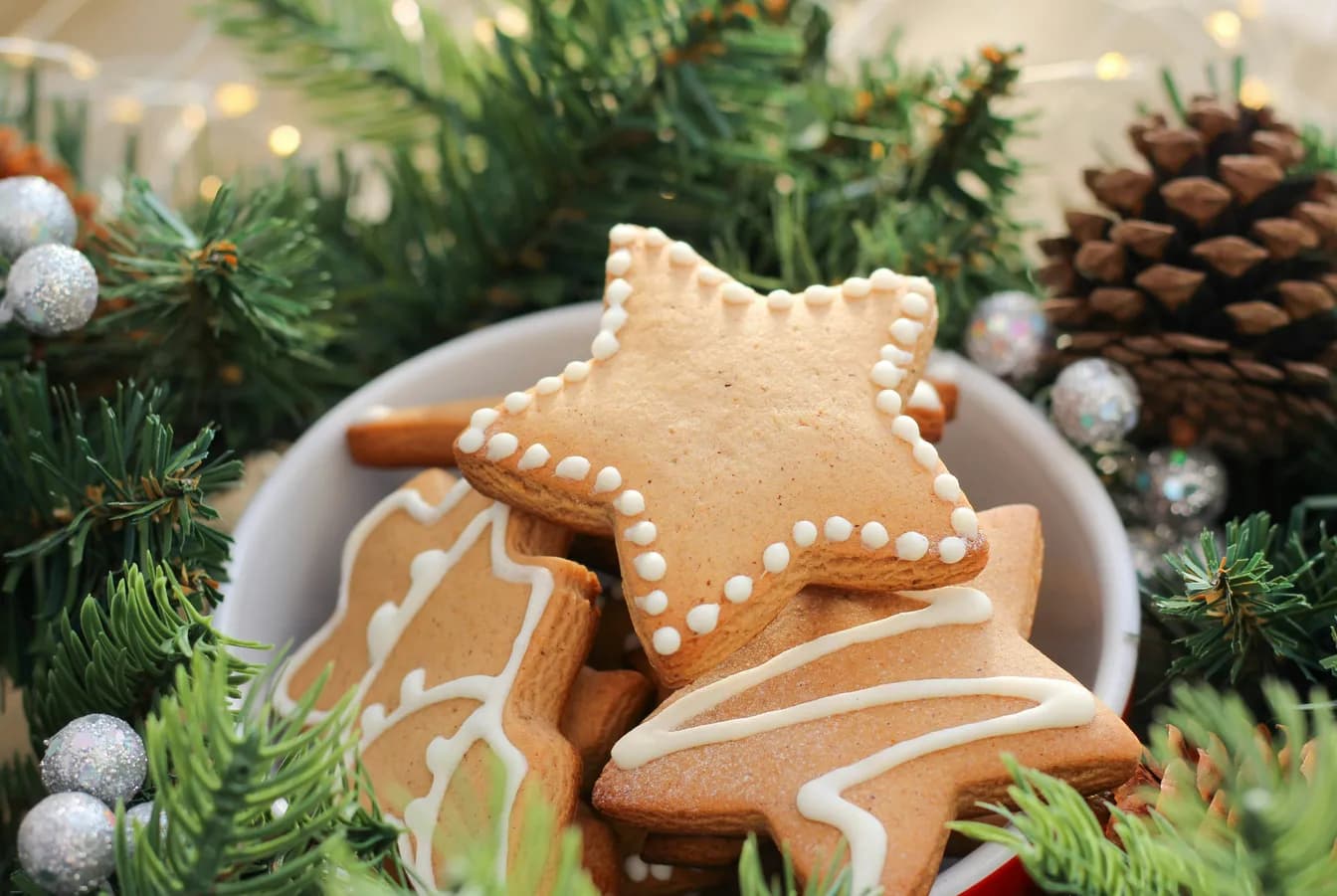
Cut-Out Cookies with Royal Icing
Cut-out cookies with sharp edges and colorful royal icing, the American Christmas classic.
 Cakes & Pastries
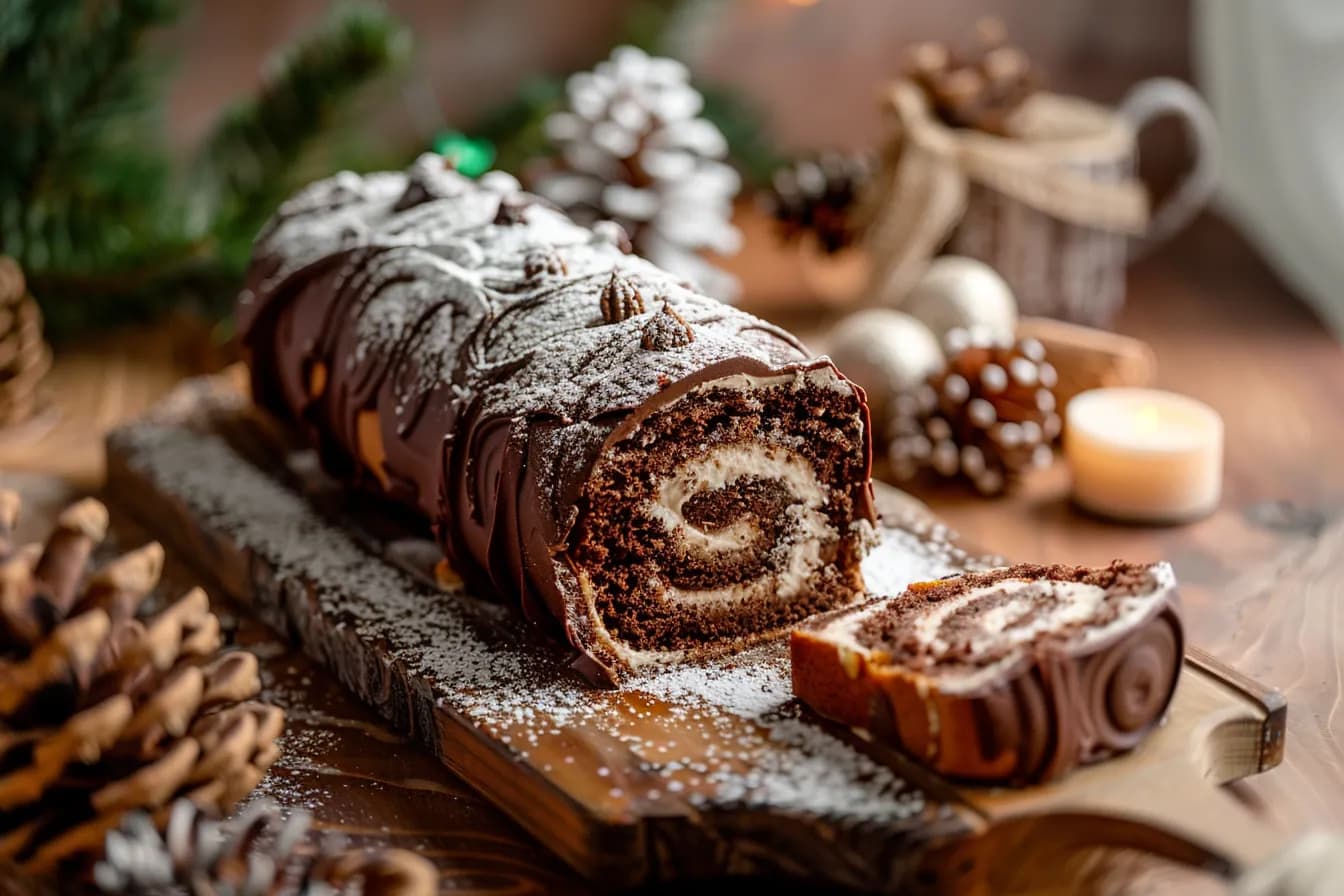
Bûche de Noël (Yule Log)
French Yule log: chocolate sponge cake with buttercream, decorated to look like tree bark.