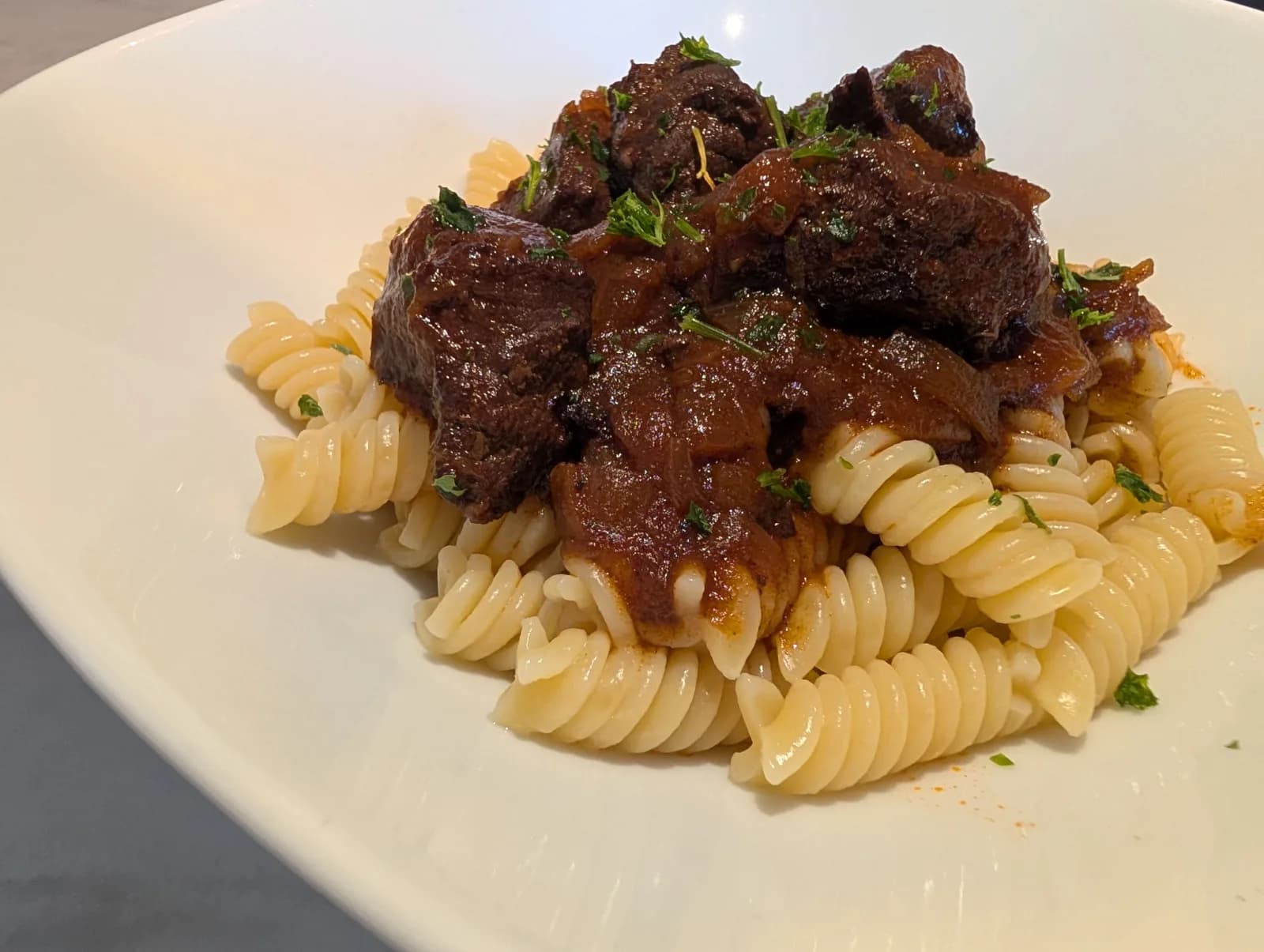
A proper goulash needs no secret, just time. Equal parts onions and meat, slowly browned, then braised together for at least two hours. This creates a deep, rich sauce without any flour. The collagen in the beef shank melts and naturally thickens the gravy. Serve with boiled potatoes, pasta, or fresh bread.
Why this works
Shank and shoulder are marbled with collagen, which remains tough when briefly seared. Only at around 70 °C and over several hours does it transform into gelatin. This is the very same gelatin that later gives the sauce its rich consistency. That is exactly why goulash needs no flour. The thickening comes from the meat itself, supported by the onions, which completely break down during the long braise.
Step-by-step instructions
- 1
Fleisch anbraten
Tupf die Fleischwürfel trocken, salz sie und brate sie in Butterschmalz portionsweise rundum braun. Leg immer nur so viel in den Topf, dass Platz zwischen den Stücken bleibt. Nimm die fertigen Würfel heraus.
- 2
Zwiebeln bräunen
Schmor die Zwiebeln im selben Topf bei mittlerer Hitze 15 Minuten, bis sie goldbraun und weich sind. Rühr ab und zu um. Gib Knoblauch und Tomatenmark dazu und röste beides eine Minute mit.
- 3
Würzen & ablöschen
Zieh den Topf vom Herd und rühr beide Paprikapulver ein – auf voller Hitze wird das Pulver bitter. Lösch mit dem Rotwein ab und kratz den braunen Satz vom Boden los. Lass den Wein einmal aufkochen.
- 4
Leise schmoren
Gib das Fleisch zurück in den Topf und füll mit Brühe auf, bis es knapp bedeckt ist. Lorbeer und Kümmel dazu, einmal aufkochen. Dann Deckel drauf, kleinste Hitze, 2 bis 2,5 Stunden. Fertig ist es, wenn ein Würfel unter dem Löffel zerfällt.
- 5
Sauce abschmecken
Nimm den Deckel ab und lass die Sauce 15 Minuten offen einkochen, falls sie dir zu dünn ist. Rühr den Rotweinessig nach geschmack unter und schmeck mit Salz und Pfeffer ab. Der Schuss Säure macht die Sauce rund.
Our best tips
- Am zweiten Tag schmeckt Gulasch besser – wenn du kannst, koch es am Vortag.
- Wird die Sauce zu dünn, zerdrück ein paar Fleischwürfel am Topfrand statt Mehl einzurühren.
- Kein Rotwein da? Nimm dieselbe Menge Brühe und einen zweiten Löffel Essig dazu.
Tasty variations
Szegediner Art
300 g abgetropftes Sauerkraut in der letzten halben Stunde mitschmoren, dazu einen Klecks Schmand. Das Kraut macht das Gulasch säuerlich und leichter.
Mit Paprika (Pörkölt)
Zwei rote Spitzpaprika in Streifen ab der letzten Stunde mitschmoren. Das Gulasch wird fruchtiger und näher am ungarischen Original.
Nutrition facts
| Calories | 724 kcal |
|---|---|
| Protein | 57 g |
| Carbohydrates | 24 g |
| – of which sugar | 15 g |
| Fat | 39 g |
| Fiber | 6 g |
Where the 724 kcal come from
per serving
These lines have no quantity (“to taste”) or no table value, so they are missing from the total.
Calculated from the ingredients – how we do it
We add up reference values for every ingredient and divide by the number of servings. These assumptions are baked in:
- Reference values per 100 g – for the raw ingredient, exactly as listed.
- Tinned goods count at drained weight, bone-in meat at purchase weight: you eat about 70 per cent of a chicken thigh and leave the rest.
- Water evaporates as you cook. The energy stays in the pot, the weight does not – so the figure is per serving, not per 100 g of finished dish.
- Anything listed without a quantity – “salt and pepper” – is not counted.
A guide value, not a lab measurement: no two onions weigh the same, and fat content varies from pack to pack.
Frequently asked questions
Welches Fleisch eignet sich am besten?
Wade, Schulter oder Nacken. Diese Stücke sind von Bindegewebe durchzogen, das beim langen Schmoren zu Gelatine wird und die Sauce bindet. Filet oder Rouladenfleisch ist zu mager und wird im Topf trocken und faserig.
Warum wird mein Gulasch zäh?
Zu kurz gegart oder zu heiß. Bindegewebsreiches Fleisch durchläuft eine zähe Phase, bevor es zart wird – wer dann aufhört, hat zähes Fleisch auf dem Teller. Stell die Hitze runter und gib ihm eine weitere halbe Stunde.
Kann ich Gulasch einfrieren?
Ja. Lass es vollständig abkühlen und frier es portionsweise ein, dann hält es 3 Monate. Auftauen im Kühlschrank, erwärmen bei kleiner Hitze im Topf – in der Mikrowelle wird das Fleisch strohig.
Comments & ratings(0)
Sign in to rate and comment on this recipe.
You might also like
 Soups & Stews
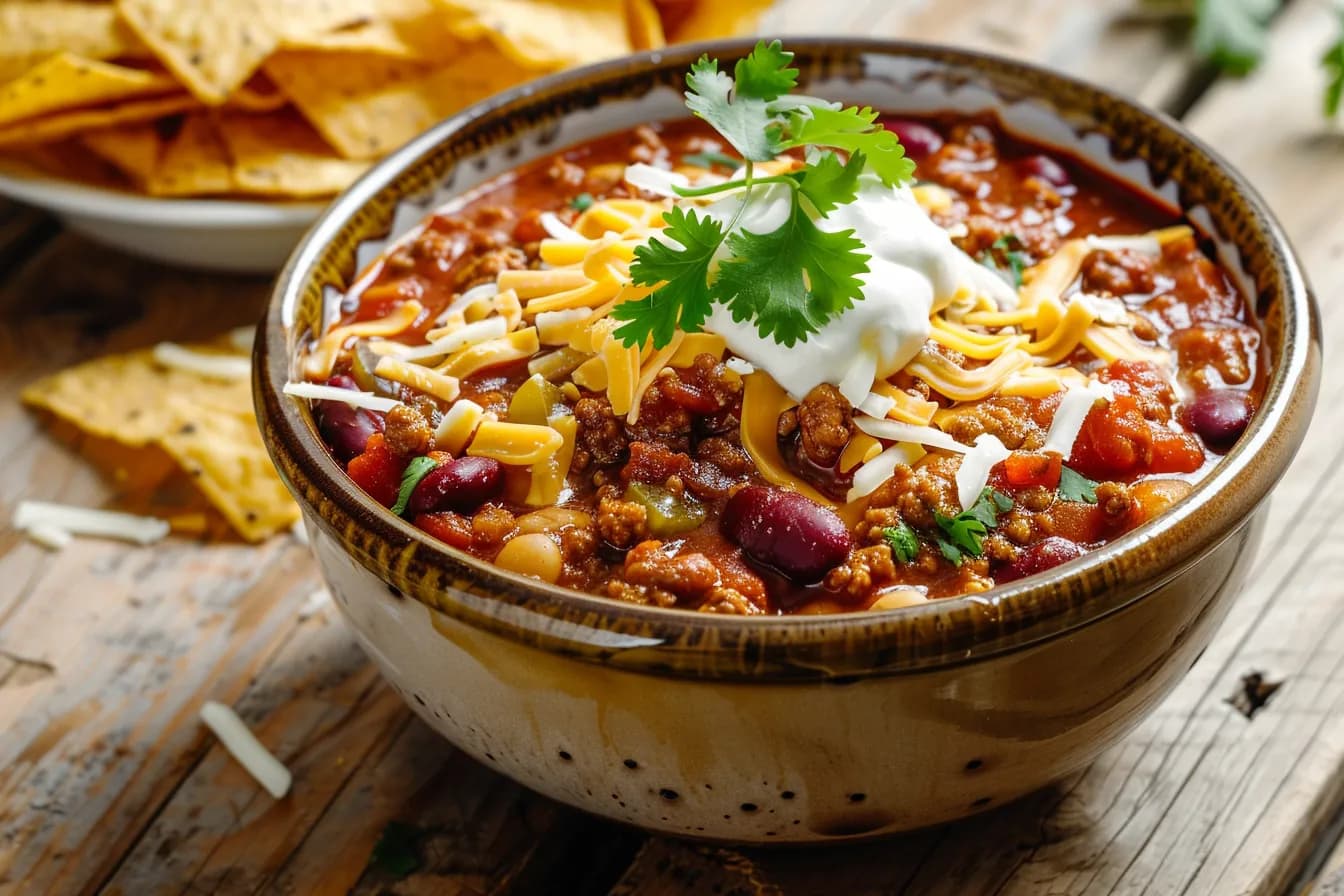
Chili con Carne
Hearty stew made of ground beef, beans, and tomatoes, slowly simmered and deeply flavorful.
 Dinner
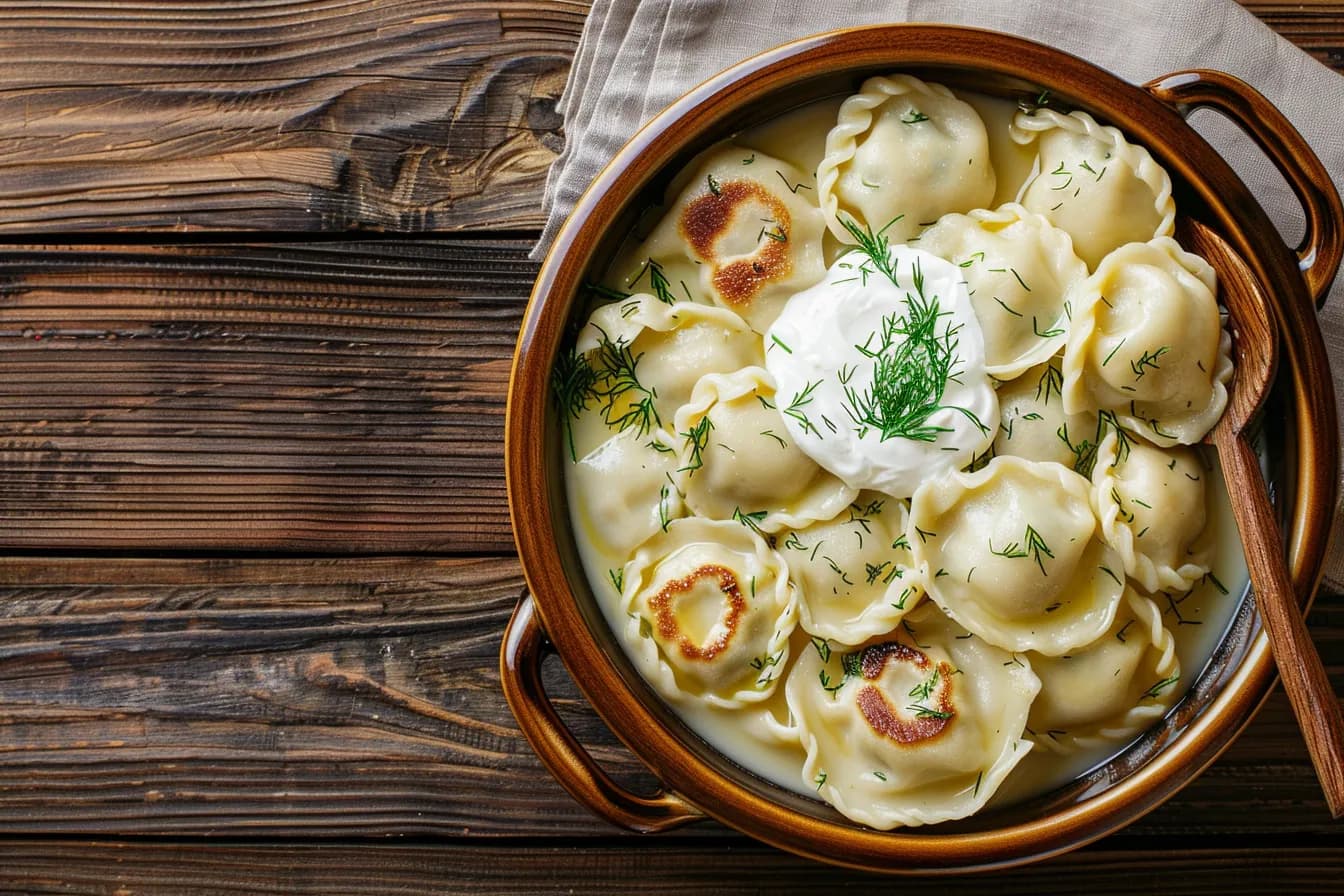
Pelmeni
Small Russian dumplings with a juicy meat filling, tossed in butter and served with sour cream.
 Dinner
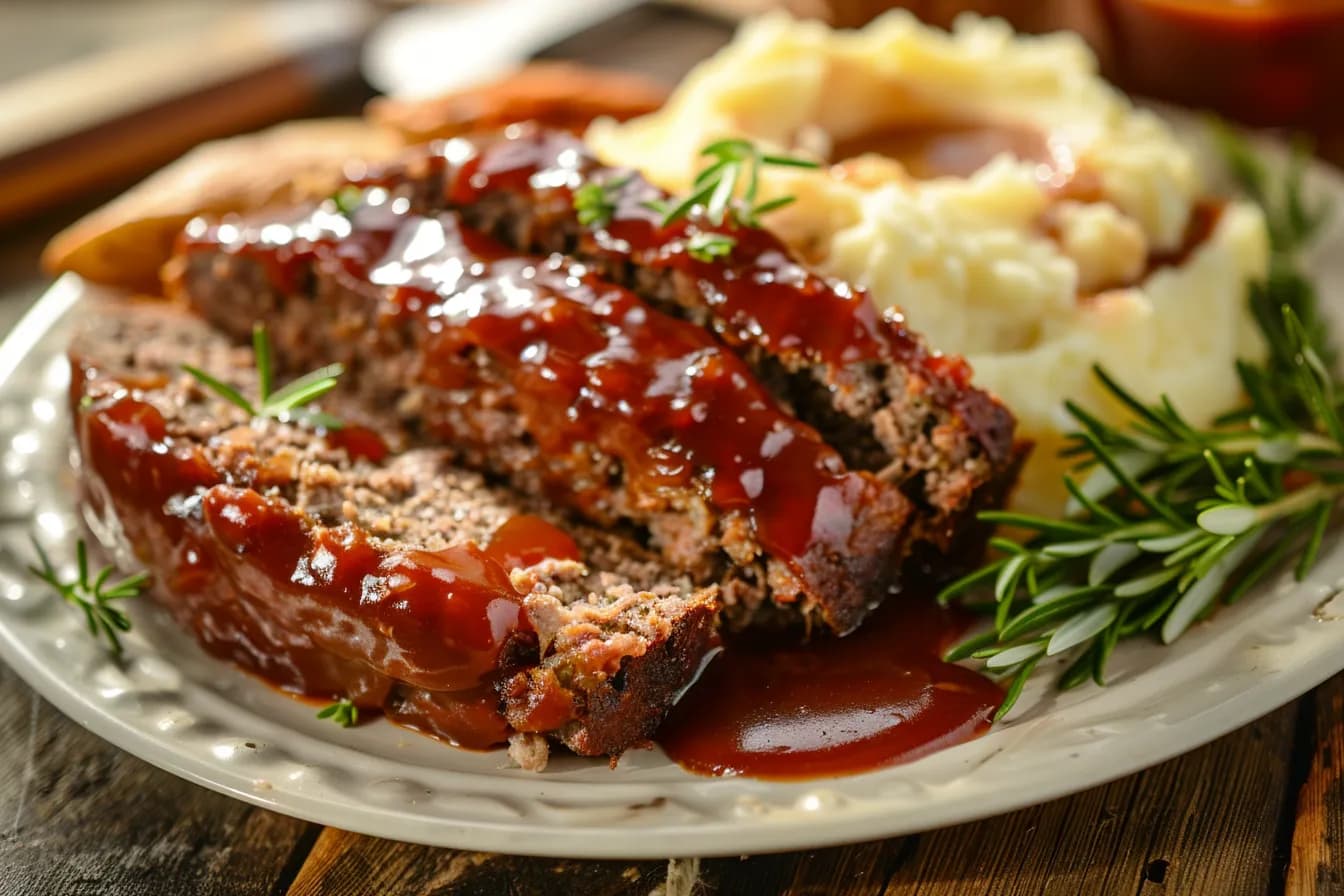
Meatloaf with Mashed Potatoes
Juicy meatloaf with a glazed ketchup crust, served with creamy mashed potatoes and gravy.