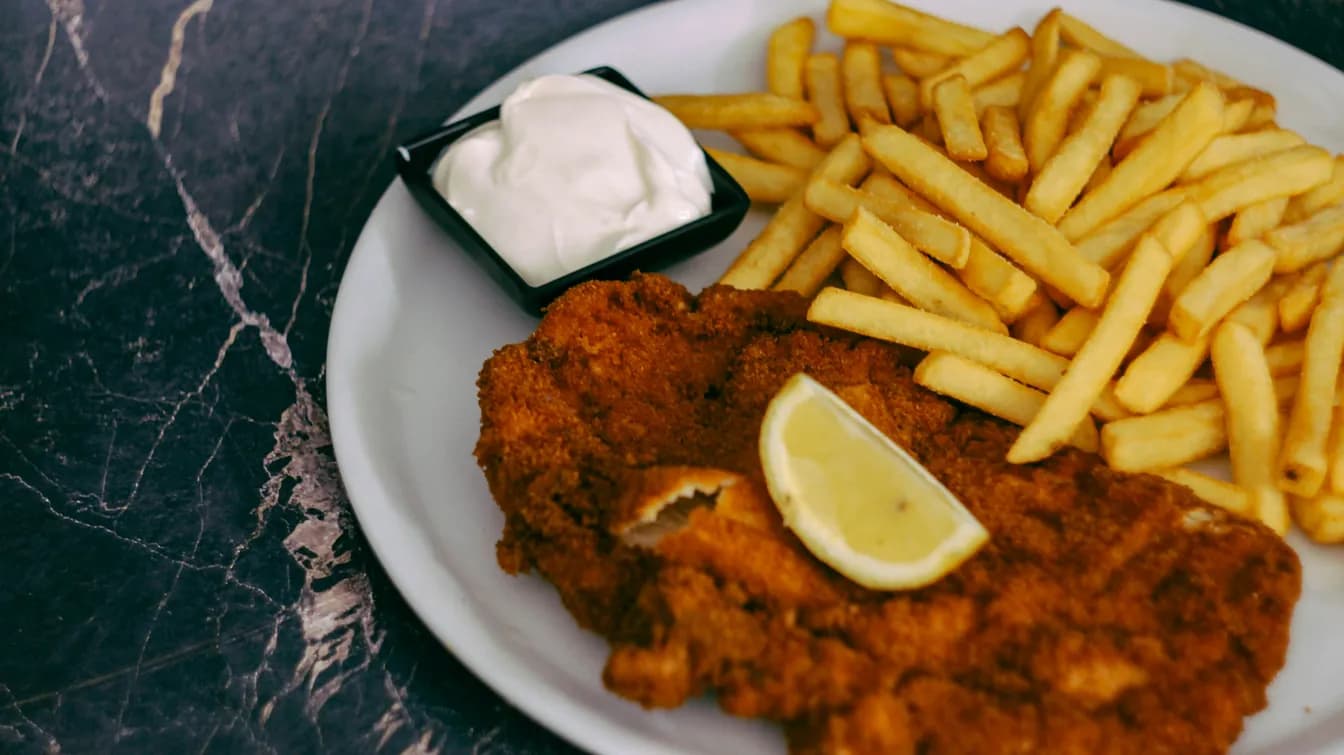
Made from veal, swimming in clarified butter, and the breading must soufflé, meaning it forms waves. This only works if the schnitzel swims in the fat and the pan is swirled: then the steam between the meat and the breading lifts it off the meat. A schnitzel in a little fat will be good, but it will not be a Wiener Schnitzel.
Why this works
The soufflé effect, the characteristic waves and bubbles of the breading, is created by steam trapped between the meat and the breading. For this to work, the breading must not stick to the meat: this is why the schnitzel is only loosely turned in flour and the breadcrumbs are **not pressed on**. Pressed breading sticks firmly, the steam cannot lift it off, and the schnitzel remains flat. The second component is the amount of fat: only when the schnitzel swims does the heat act from all sides simultaneously and the breading cooks in seconds into a solid shell that holds the steam. Swirling the pan drives hot fat over the top and intensifies the effect. Veal is not just tradition here: it is so lean and fine-fibered that it cooks through in the two minutes it takes for the breading to turn golden brown. With pork schnitzel, the timing would be more difficult.
Step-by-step instructions
- 1
Pounding
Place the schnitzels between two layers of plastic wrap and pound them evenly to four millimeters. Do not hit them, but press and pull from the center outwards. Hitting too hard tears the fibers and the meat gets holes.
- 2
Breading without pressing
Salt and pepper the schnitzels, turn them in flour, tap off the excess, pull them through beaten egg and **lay** them in the breadcrumbs. Only turn loosely, **do not press on**. This is exactly where it is decided whether the breading can soufflé later.
- 3
Fat at 170 degrees
Heat the clarified butter in a wide pan until it is about 170 degrees. A breadcrumb must immediately sizzle and rise. It should be at least one centimeter high so that the schnitzel swims in it and does not lie.
- 4
Frying and swirling
Put the schnitzel in and **swirl the pan continuously** so that hot fat runs over the top. Turn after about two minutes, another minute and a half. The breading should be golden yellow and visibly lift off the meat, not brown.
- 5
Draining and serving
Briefly place the schnitzels on paper towels and serve immediately with a lemon wedge. A Wiener Schnitzel does not wait: after five minutes, moisture from the meat pulls into the breading and the soufflé effect collapses.
Our best tips
- Do not press the breadcrumbs on. It is the one move that almost everyone makes and that prevents the soufflé effect. The breading must lie loosely.
- The schnitzel must swim. One centimeter of clarified butter sounds like a lot and is the condition for the breading to lift off.
- Only Wiener Schnitzel may be called that if it is made from veal. Pork becomes a "Schnitzel Wiener Art". In Austria, this is a legally regulated distinction.
Tasty variations
Schnitzel Wiener Art
Pork schnitzel instead of veal, otherwise identical, but half a minute longer per side. Significantly cheaper and the most common form in Germany.
With potato salad
In Vienna, lukewarm potato salad with vinegar and oil belongs with it, not fries. The recipe for this is in the inventory as `kartoffelsalat-regional`, axis "southern German".
Nutrition facts
| Calories | 612 kcal |
|---|---|
| Protein | 45 g |
| Carbohydrates | 38 g |
| – of which sugar | 2 g |
| Fat | 30 g |
| Fiber | 2 g |
Estimated, not calculated – why
Here some of the ingredients never reach the plate: most frying oil stays in the pan, and in a stock the solids are strained off. How much of it ends up in the food cannot be calculated – counting a litre of oil would quintuple the figure, leaving it out would describe a dish baked without fat. So this is an editorial estimate rather than a total that would look dependable without being so.
A guide value, not a lab measurement: no two onions weigh the same, and fat content varies from pack to pack.
Frequently asked questions
Why doesn't my breading soufflé?
The breadcrumbs were pressed on or there was too little fat in the pan. The breading must lie loosely so that the steam can lift it off the meat, and the schnitzel must swim in the fat.
How many calories does a Wiener Schnitzel have?
Around 610 kcal per portion. This is an estimate because the actual fat absorption from the clarified butter cannot be seriously quantified. At a correct 170 degrees, it is significantly lower than with fat that is too cool.
Does it have to be veal?
For a real Wiener Schnitzel, yes. In Austria, the designation is protected. Pork becomes a Schnitzel Wiener Art, which can taste just as good, but is just called differently.
Clarified butter or oil?
Clarified butter. It has the nutty taste of butter, but tolerates the 170 degrees at which butter would have long since burned. Neutral oil works technically, but tastes significantly flatter.
Comments & ratings(0)
Sign in to rate and comment on this recipe.
You might also like
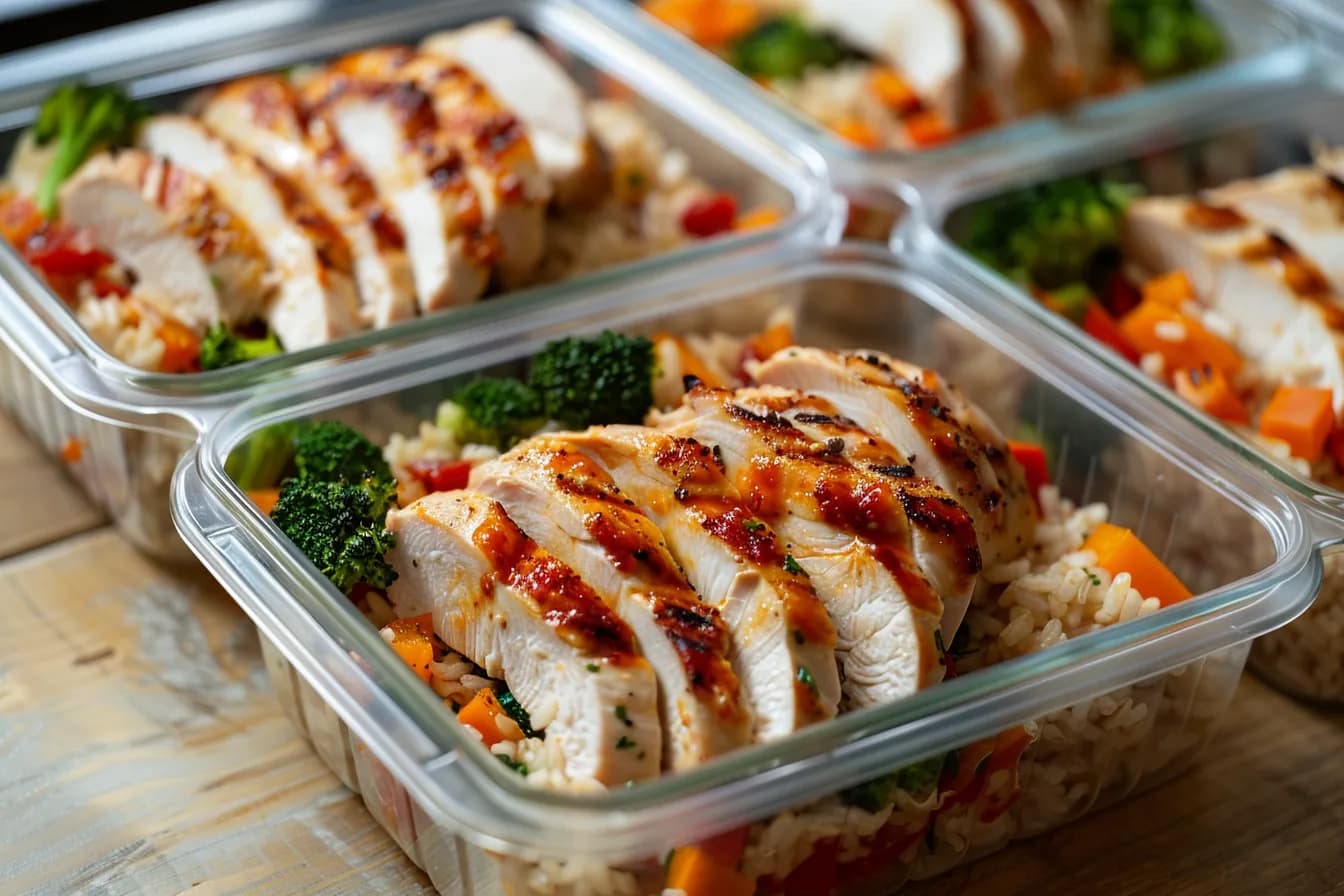 Meal Prep
Chicken Meal Prep Boxes
Four boxes for the week in forty minutes, with the trick that prevents chicken from being dry on the third day.
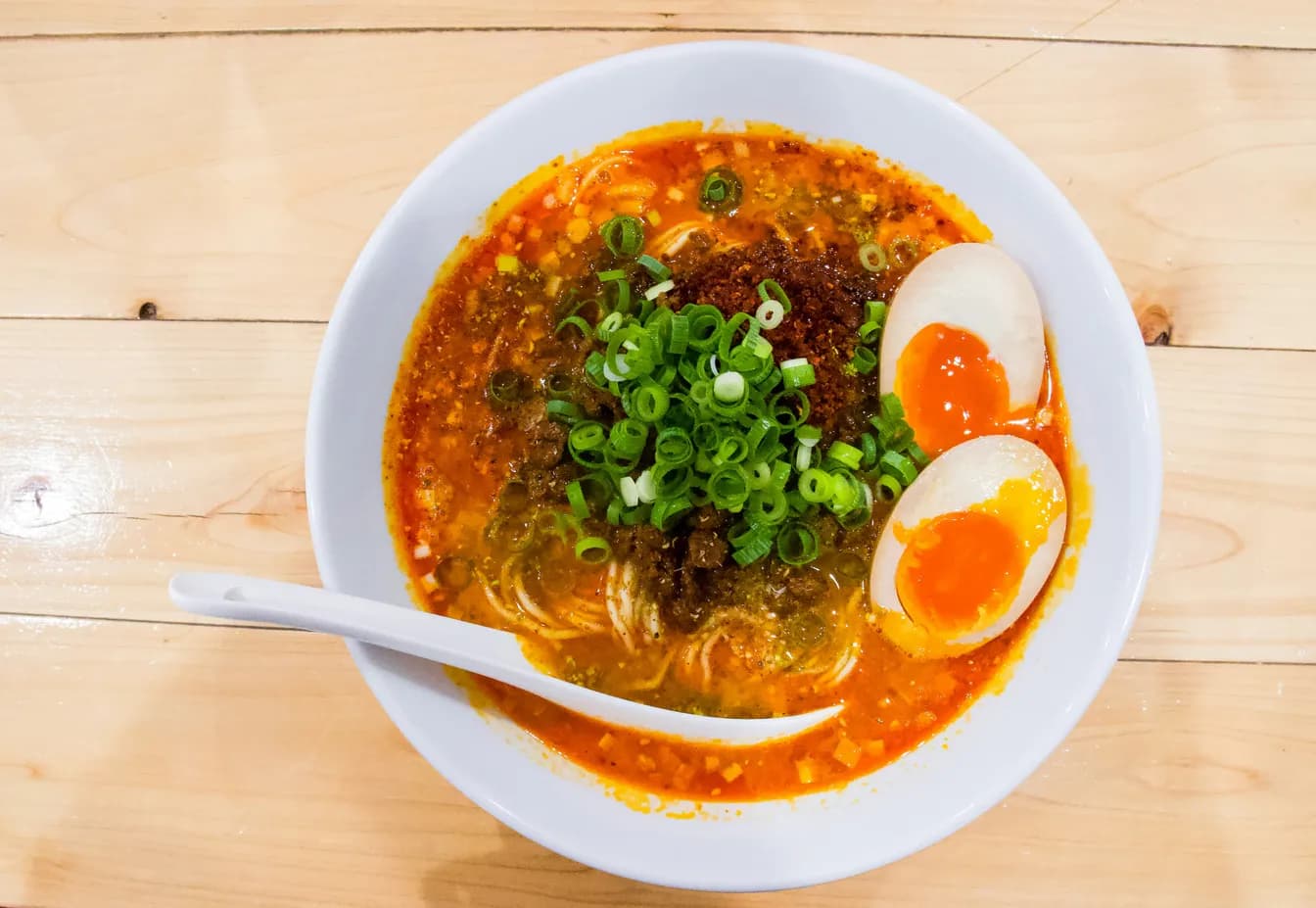 Dinner
Tantanmen
Japanese ramen with sesame paste and chili oil, the Japanese answer to Sichuan dan dan noodles.
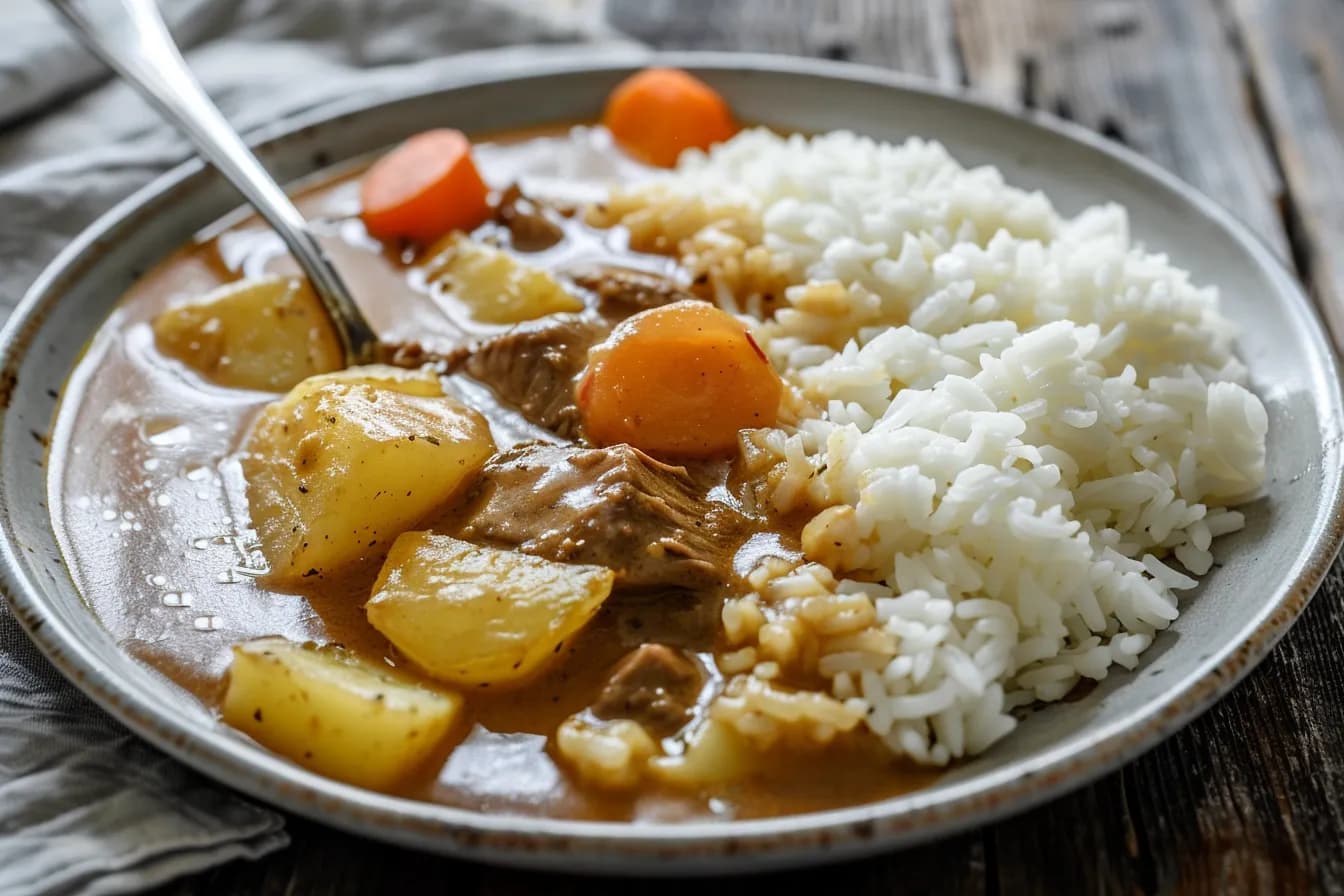 Dinner
Japanese Curry
Kare Raisu: thick, mildly sweet curry with potatoes and carrots, thickened with a homemade curry roux.