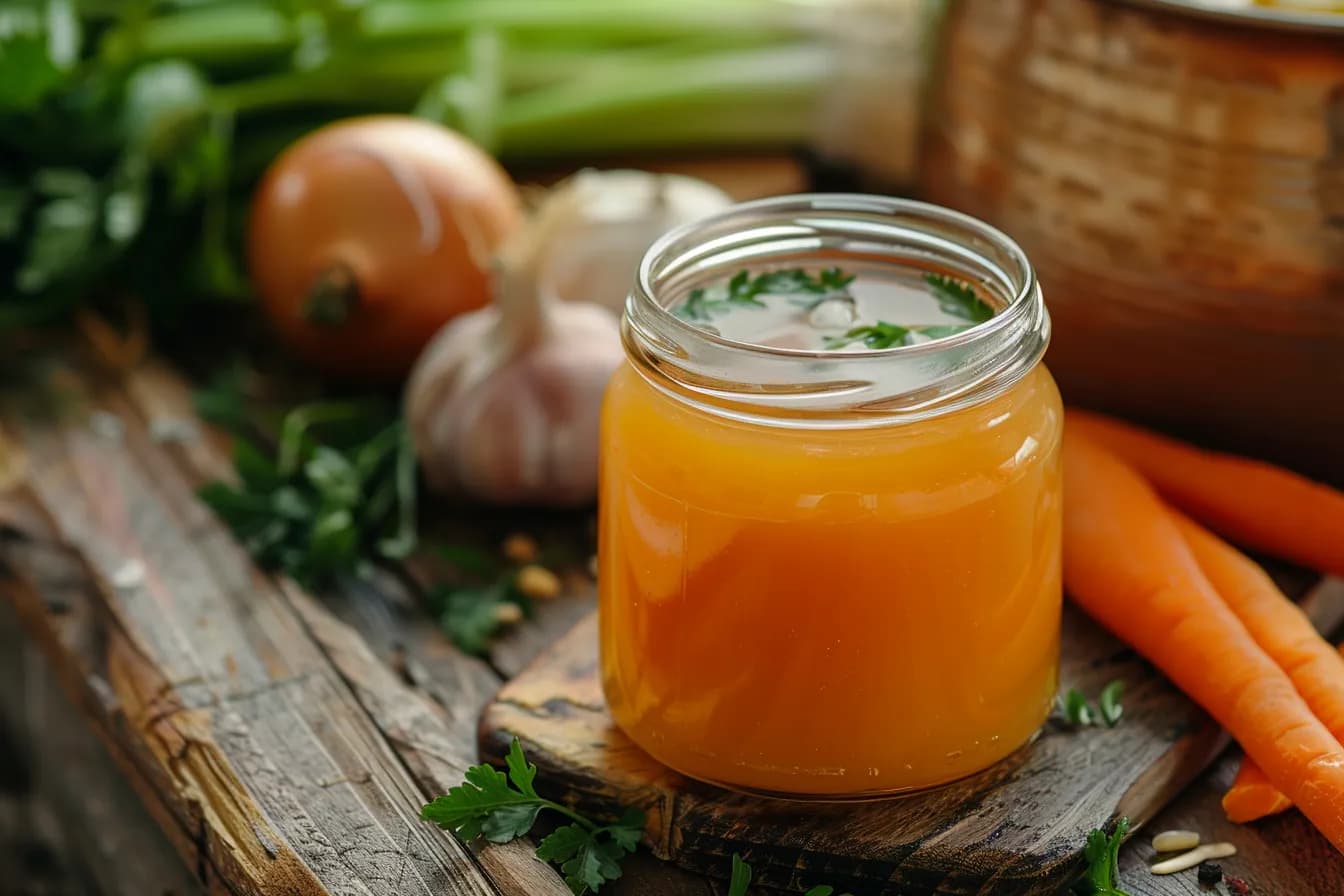
Vegetable Scrap Broth
The freezer bag next to the ice compartment collects scraps until it is full, and then the broth costs nothing.
- Preparation
- 10 min
- Cook/bake time
- 55 min
- Total
- 1 hr 5 min
- Difficulty
- Easy
- Calories
- 16 kcal
- Servings
- 8 servings
- Prep
- 10 min
- Cooking & baking
- 55 min
The freezer bag next to the ice compartment collects scraps until it is full, and then the broth costs nothing. Onion skins, carrot ends, leek greens and celery stalks release exactly the same flavor as whole vegetables. What does not belong in it, however, is a short and important list.
Why this works
The flavor compounds in vegetables are not located in the flesh, but largely in the outer layers. The onion skin contains the pigment quercetin, which dyes the broth golden brown, while the aromatic terpenes are found in carrot peels and leek greens. For a broth that will be strained anyway, the peel is therefore not the leftover, but the more interesting part. The time limit of 45 minutes applies here just as it does to any vegetable broth. After that, the cell walls are empty and only bitter substances dissolve. The exclusion list also has solid reasons. Cabbage releases sulfur compounds during long cooking, potato peels release starch that clouds the broth and makes it spoil faster, and beetroot turns everything pink.
Step-by-step instructions
- 1
Collect until the bag is full
Collect vegetable scraps over weeks in a freezer bag in the ice compartment. Onion and garlic skins, carrot and celery stalks, leek greens, mushroom stems and herb stems are allowed in. Cabbage of any kind, potato peels and beetroot do not belong in it.
- 2
Roast frozen
Put the frozen scraps with the oil in a large pot and roast them for 5 minutes over high heat until they take on color. Thawing is not necessary. On the contrary, the released meltwater evaporates in the process and the roasting goes faster.
- 3
Pour in water and simmer for 45 minutes
Add tomatoes, porcini mushrooms, bay leaves and pepper, pour in cold water and let everything simmer gently uncovered for 45 minutes. Longer does not make the broth stronger, but bitter, as vegetables release their flavor quickly.
- 4
Strain
Pour the broth through a fine sieve and do not press out the scraps, because pressed vegetables cloud it immediately. Freeze unsalted, so it remains flexible for soup, risotto and cooking liquid.
Our best tips
- No cabbage, no potato peels, no beetroot. Cabbage becomes sulfurous, potato starch makes the broth cloudy and short-lived, and beetroot colors everything.
- Frozen straight into the pot. Thawing only costs time, and the meltwater evaporates during roasting anyway.
- Two dried porcini mushrooms and a tomato are the two ingredients you should buy to add. They provide the glutamate that peels alone do not bring.
Tasty variations
Reduce to a broth paste
Boil down the strained broth to a quarter and puree with 15 percent salt. It keeps for months in a jar, and a teaspoon replaces a bouillon cube, which is much more space-saving than liquid broth in the freezer.
With shrimp shells
Collect the shells of shrimp and roast them as well. They release an amazingly strong sea note and turn the vegetable broth into the base for risotto and fish soup.
Nutrition facts
| Calories | 16 kcal |
|---|---|
| Protein | 1 g |
| Carbohydrates | 3 g |
| – of which sugar | 2 g |
| Fat | 0 g |
| Fiber | 0 g |
Estimated, not calculated – why
Here some of the ingredients never reach the plate: most frying oil stays in the pan, and in a stock the solids are strained off. How much of it ends up in the food cannot be calculated – counting a litre of oil would quintuple the figure, leaving it out would describe a dish baked without fat. So this is an editorial estimate rather than a total that would look dependable without being so.
A guide value, not a lab measurement: no two onions weigh the same, and fat content varies from pack to pack.
Frequently asked questions
Do I have to wash the vegetables beforehand?
Yes, before collecting. Soil on carrot and celery stalks makes the broth sandy, and once it is in, you cannot get it out again. For organic produce, vigorous brushing is sufficient, while for conventional produce, the peels should be washed thoroughly.
How long can I collect the scraps?
Three to four months in the freezer. After that, they get freezer burn and taste musty. A normal household fills the bag in two to three weeks, and 600 g is enough for two and a half liters of broth.
Does scrap broth taste worse than normal vegetable broth?
No, often even stronger. Most of the flavor compounds are located in the outer layers, and for a broth that is strained, the appearance does not matter. What is missing is sweetness, which is brought back by a whole roasted carrot or onion.
Comments & ratings(0)
Sign in to rate and comment on this recipe.
You might also like
 Soups & Stews
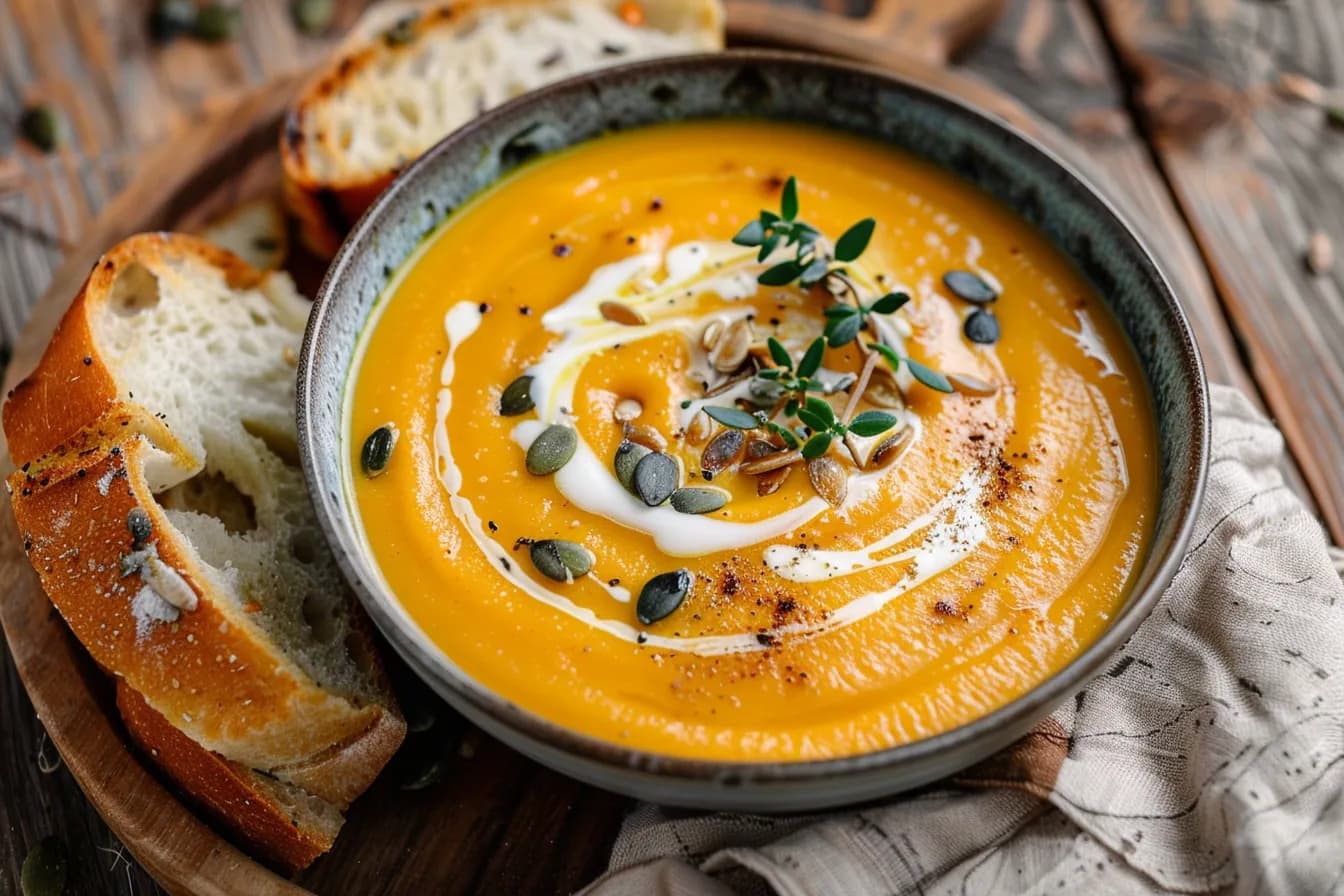
Any-Vegetable Soup
One kilo of vegetables, one onion, one liter of broth: the rest is just deciding how creamy and how spicy you want it.
 Basic Recipes
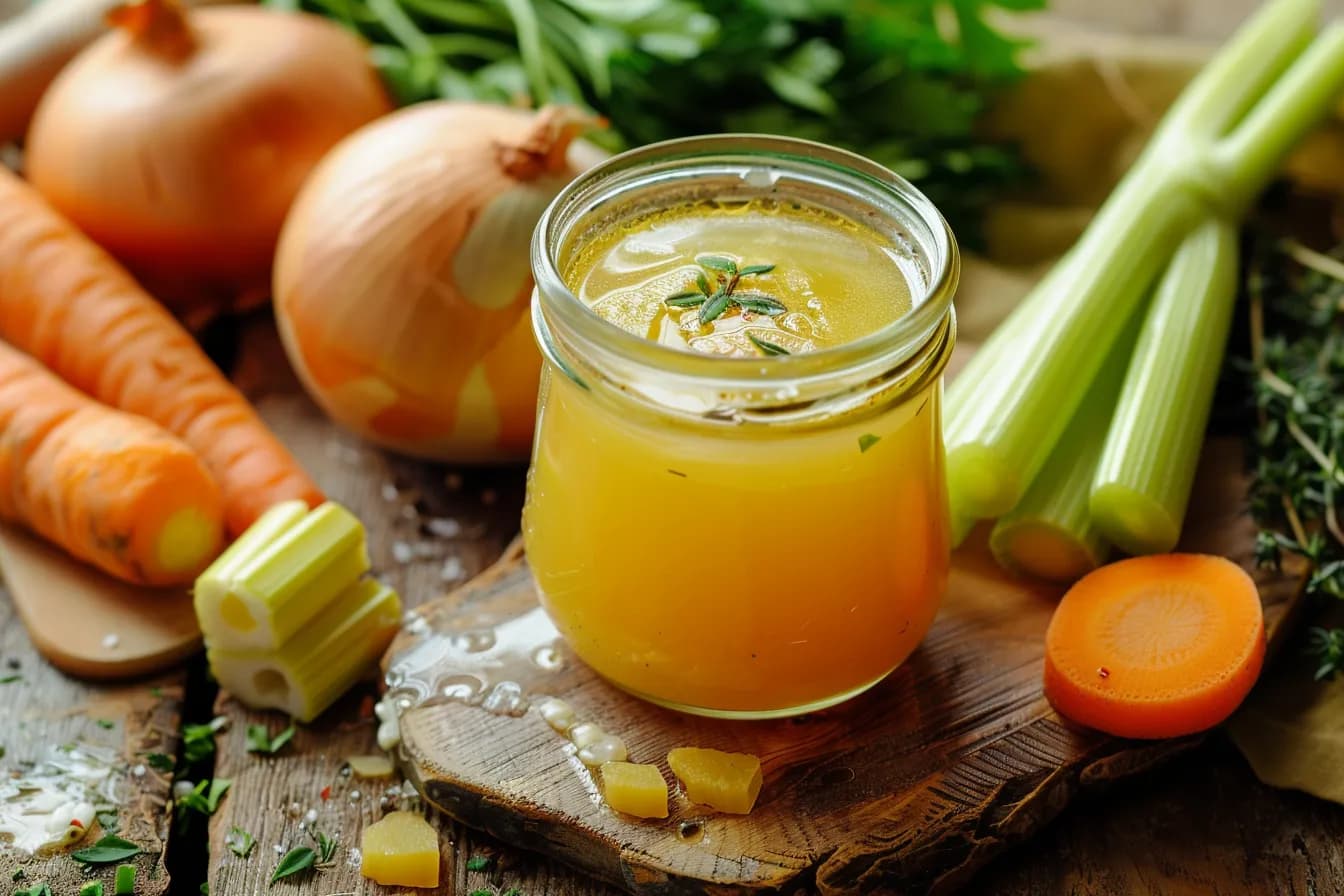
Homemade Vegetable Broth
Ready in 45 minutes. Cooked longer, it does not get stronger, but bitter.
 Basic Recipes
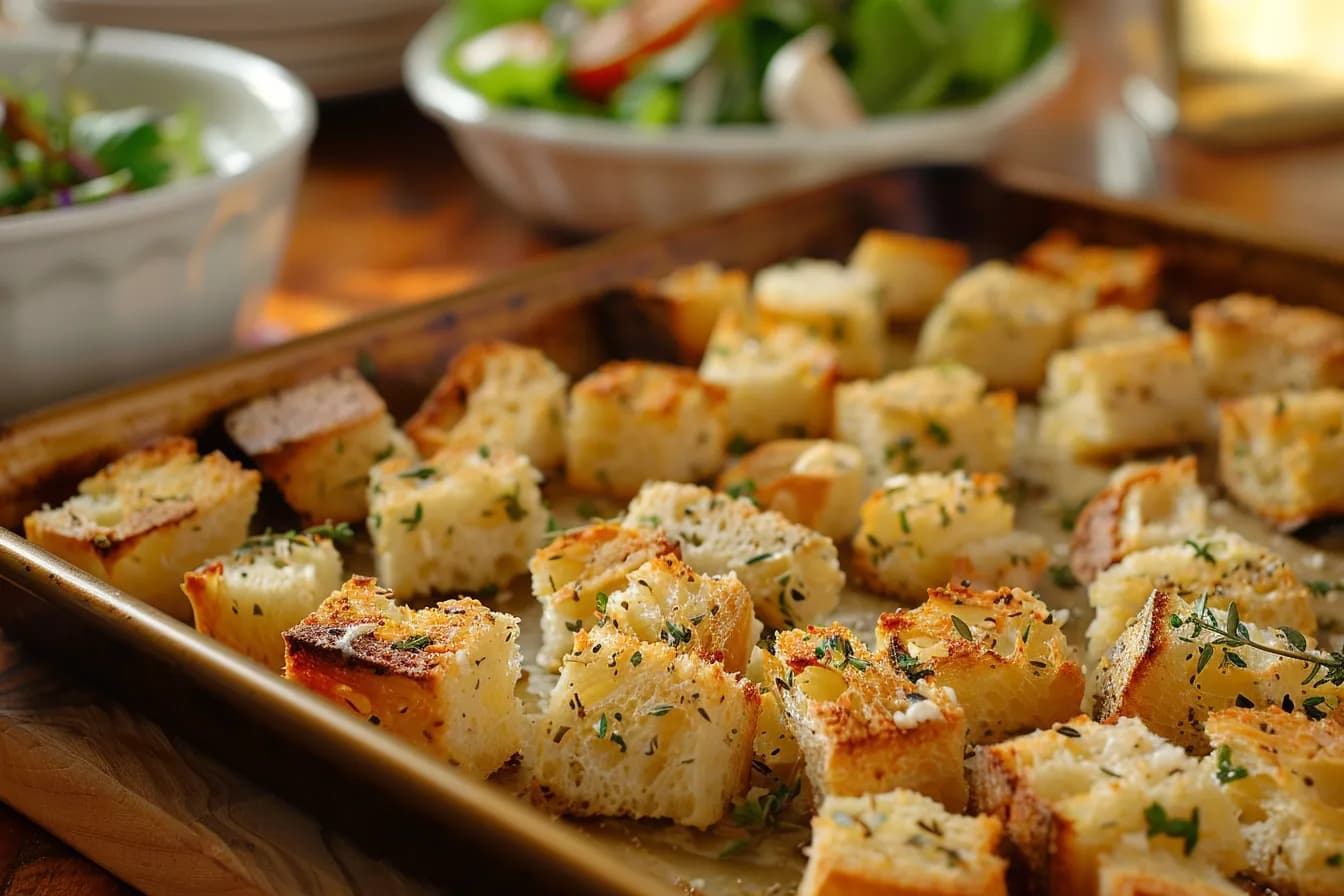
Homemade Croutons
Fat, seasoning, temperature, three variables, and any stale bread becomes the perfect crouton.