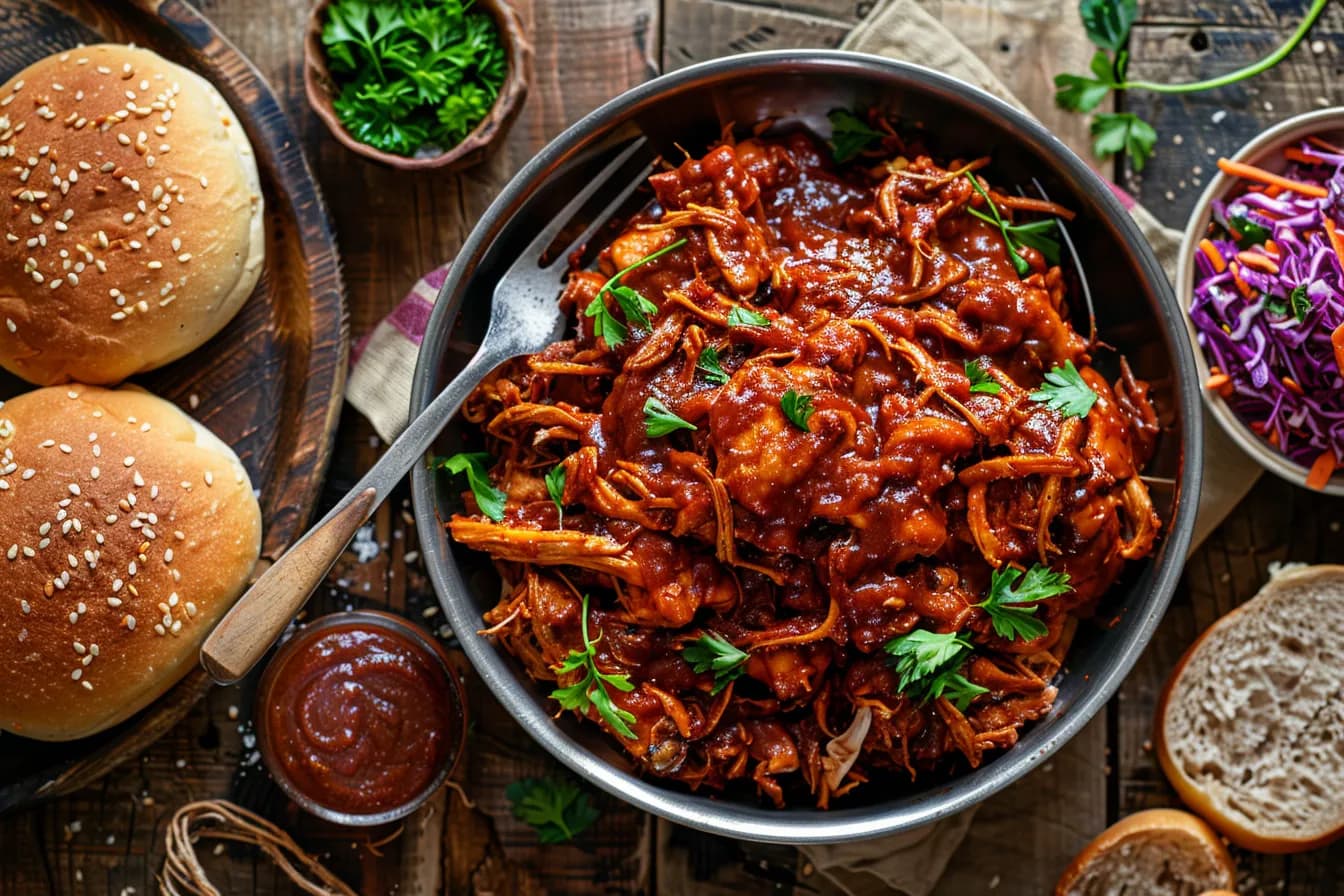
Slow Cooker Pulled Chicken
Four hours on low, ten minutes of work, and the meat falls apart under the fork all by itself.
- Preparation
- 10 min
- Cook/bake time
- 4 hr 10 min
- Total
- 4 hr 20 min
- Difficulty
- Easy
- Calories
- 467 kcal
- Servings
- 6
- Prep
- 10 min
- Cooking & baking
- 4 hr 10 min
Four hours on low, ten minutes of work, and the meat falls apart under the fork all by itself. Pulled chicken is significantly faster than pulled pork and more forgiving. The slow cooker maintains exactly the temperature at which collagen turns into gelatin without boiling the meat dry.
Why this works
Collagen, the connective tissue in meat, begins to turn into gelatin from about 70 degrees, and this transformation takes time. At 80 degrees it takes hours, at 95 degrees significantly less, but then the muscle protein alongside it dries out. A slow cooker on a low setting maintains around 85 to 90 degrees, which is exactly the range where both come together. The collagen transforms, and the resulting gelatin binds the water that the muscle fibers release at the same time. That is why thigh meat becomes juicier instead of drier after four hours, whereas breast meat would be stringy after two hours. The amount of liquid is deliberately scarce. A slow cooker evaporates almost nothing, and the meat itself releases juices, so too much liquid only dilutes the sauce in the end.
Step-by-step instructions
- 1
Season the meat
Rub the thigh fillets with salt and the dry spices. Thigh meat is mandatory here. Breast fillet has too little connective tissue and becomes stringy instead of tender in four hours.
- 2
Mix the sauce and add everything
Mix the onion, tomatoes, vinegar, syrup, mustard, Worcestershire sauce, and broth in the pot of the slow cooker and place the meat inside. The liquid should only cover half of the meat. A slow cooker evaporates practically nothing, and the meat itself releases juices.
- 3
Four hours on low setting
Put the lid on and cook for four hours on the low setting. Do not open it in between. Every time you remove the lid, it costs about twenty minutes because the pot recovers the lost heat very slowly.
- 4
Shred and reduce
Take the meat out and pull it apart with two forks. It should offer hardly any resistance. Boil the liquid down to about half in the open pot or in a pan and mix it into the meat. Only season to taste now.
Our best tips
- Thigh meat, no breast fillet. Without connective tissue there is no gelatin, and without gelatin the meat becomes stringy instead of juicy after four hours.
- Keep the lid closed. Every opening costs about twenty minutes of cooking time because a slow cooker recovers the lost heat only very slowly.
- Reduce the sauce at the end. In the pot it remains thin because nothing evaporates. Ten minutes in a pan turn it into a glaze.
Tasty variations
In the oven instead of the slow cooker
In a roasting pan with a lid at 150 °C top/bottom heat for two and a half hours. The oven is a bit faster but loses more liquid, so factor in 100 ml more broth.
As a taco filling
Instead of the American sauce, work with chipotle in adobo, lime, and oregano. Serve with pickled red onions and cilantro. It is the same technique but a completely different cuisine.
Nutrition facts
| Calories | 467 kcal |
|---|---|
| Protein | 39 g |
| Carbohydrates | 9 g |
| – of which sugar | 7 g |
| Fat | 30 g |
| Fiber | 1 g |
Where the 467 kcal come from
per serving
Calculated from the ingredients – how we do it
We add up reference values for every ingredient and divide by the number of servings. These assumptions are baked in:
- Reference values per 100 g – for the raw ingredient, exactly as listed.
- Tinned goods count at drained weight, bone-in meat at purchase weight: you eat about 70 per cent of a chicken thigh and leave the rest.
- Water evaporates as you cook. The energy stays in the pot, the weight does not – so the figure is per serving, not per 100 g of finished dish.
- Anything listed without a quantity – “salt and pepper” – is not counted.
A guide value, not a lab measurement: no two onions weigh the same, and fat content varies from pack to pack.
Frequently asked questions
Can I cook on a high setting?
Yes, in two and a half hours, but the result is measurably drier. On a high setting, the pot reaches over 95 degrees, and there the muscle protein squeezes out water faster than the gelatin can bind it. If you lack time, the oven is the better shortcut.
How do I freeze pulled chicken?
Together with the sauce, in portions. The sauce protects the meat from drying out in the freezer. It keeps for three months. Once thawed, heat it in a pan with a splash of broth, not in the microwave.
What does it go with besides burgers?
In tacos, on baked potatoes, in a bowl, as a pasta sauce, or on toast. It is a pantry dish. A four-hour cooking time is worth it when it yields six portions that make three different dinners.
Comments & ratings(0)
Sign in to rate and comment on this recipe.
You might also like
 Pasta
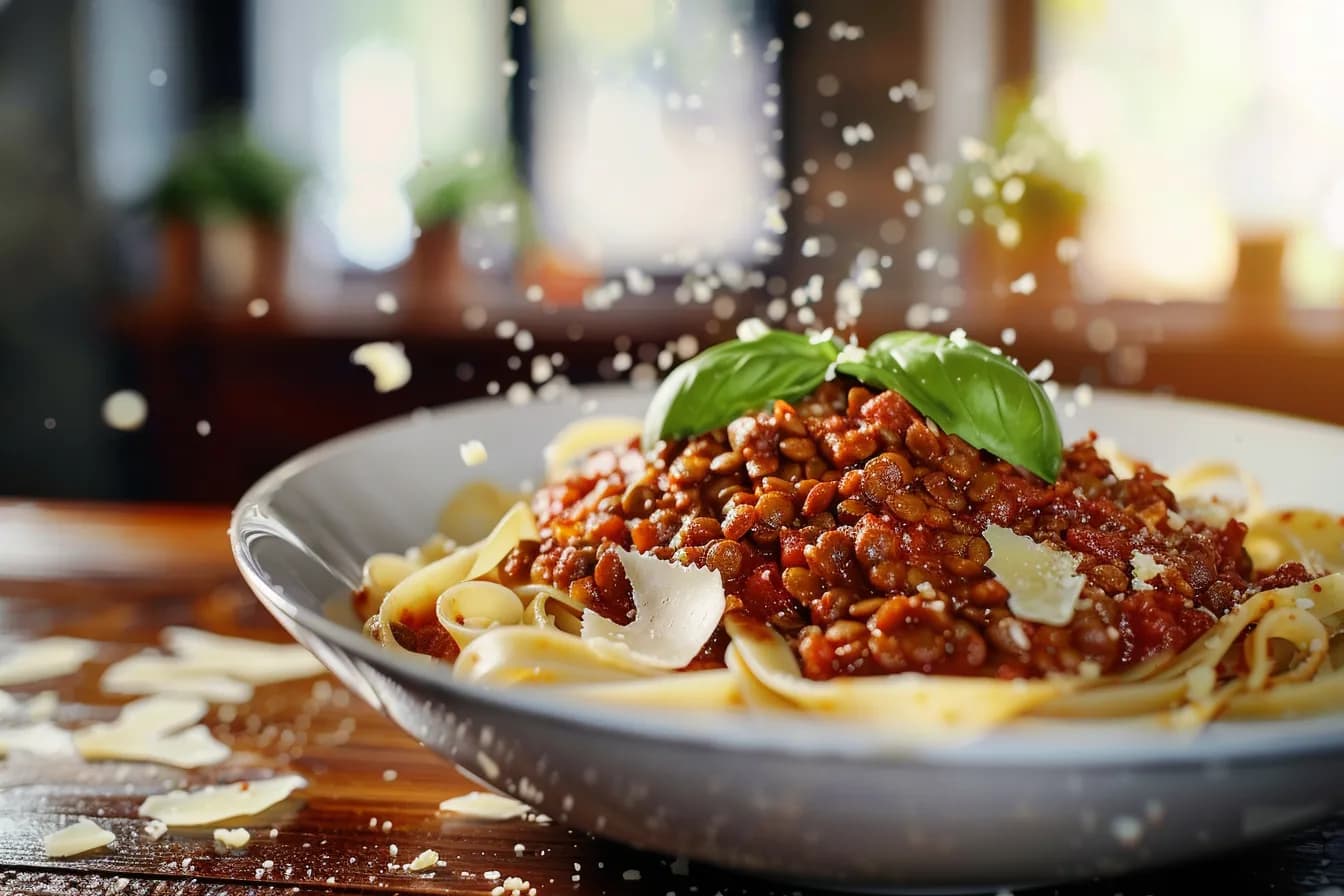
PastaLentil Bolognese
Vegan Bolognese made from Beluga lentils that even meat eaters will love, with 20 grams of protein per serving.
 Meal Prep
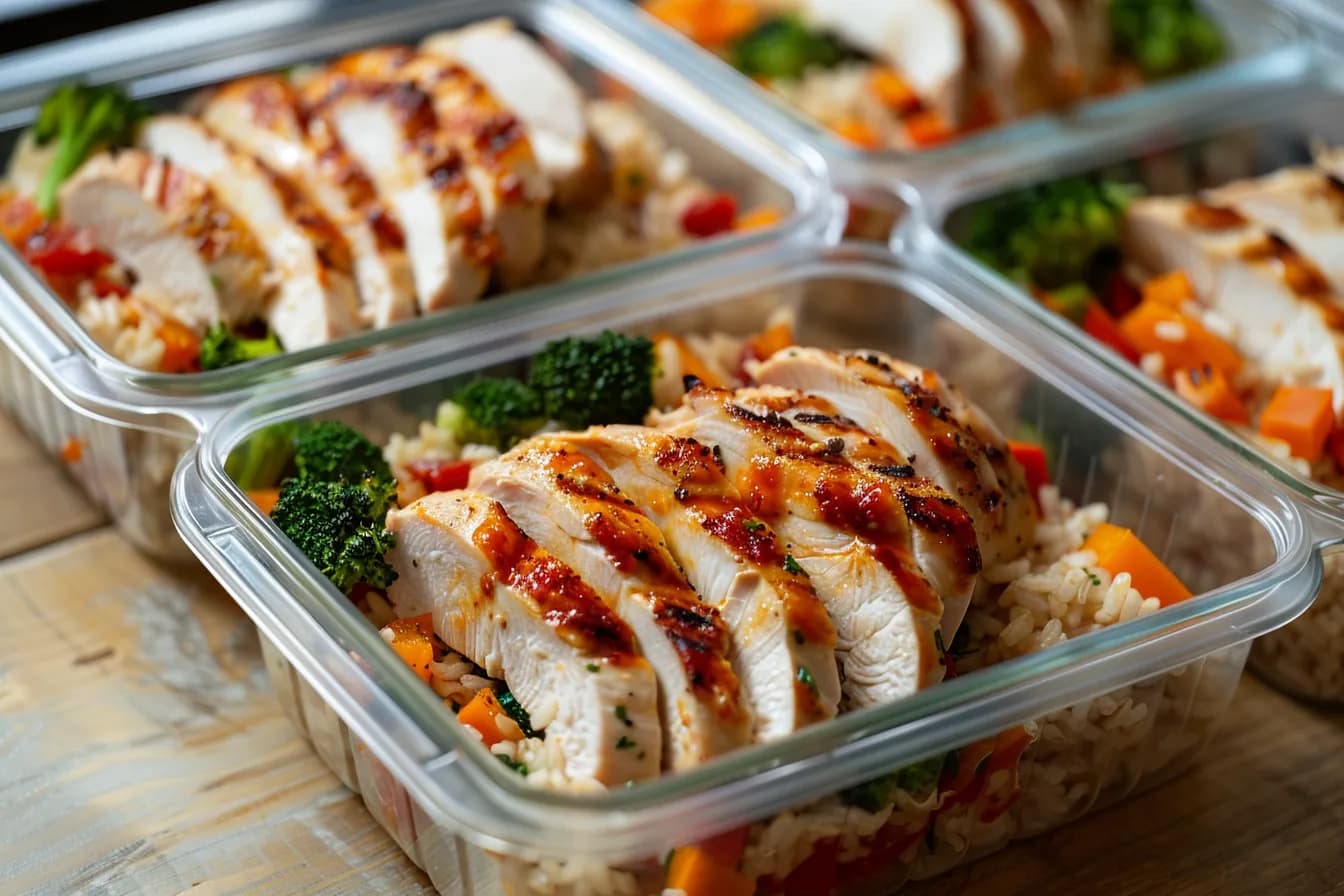
Chicken Meal Prep Boxes
Four boxes for the week in forty minutes, with the trick that prevents chicken from being dry on the third day.
 Dinner
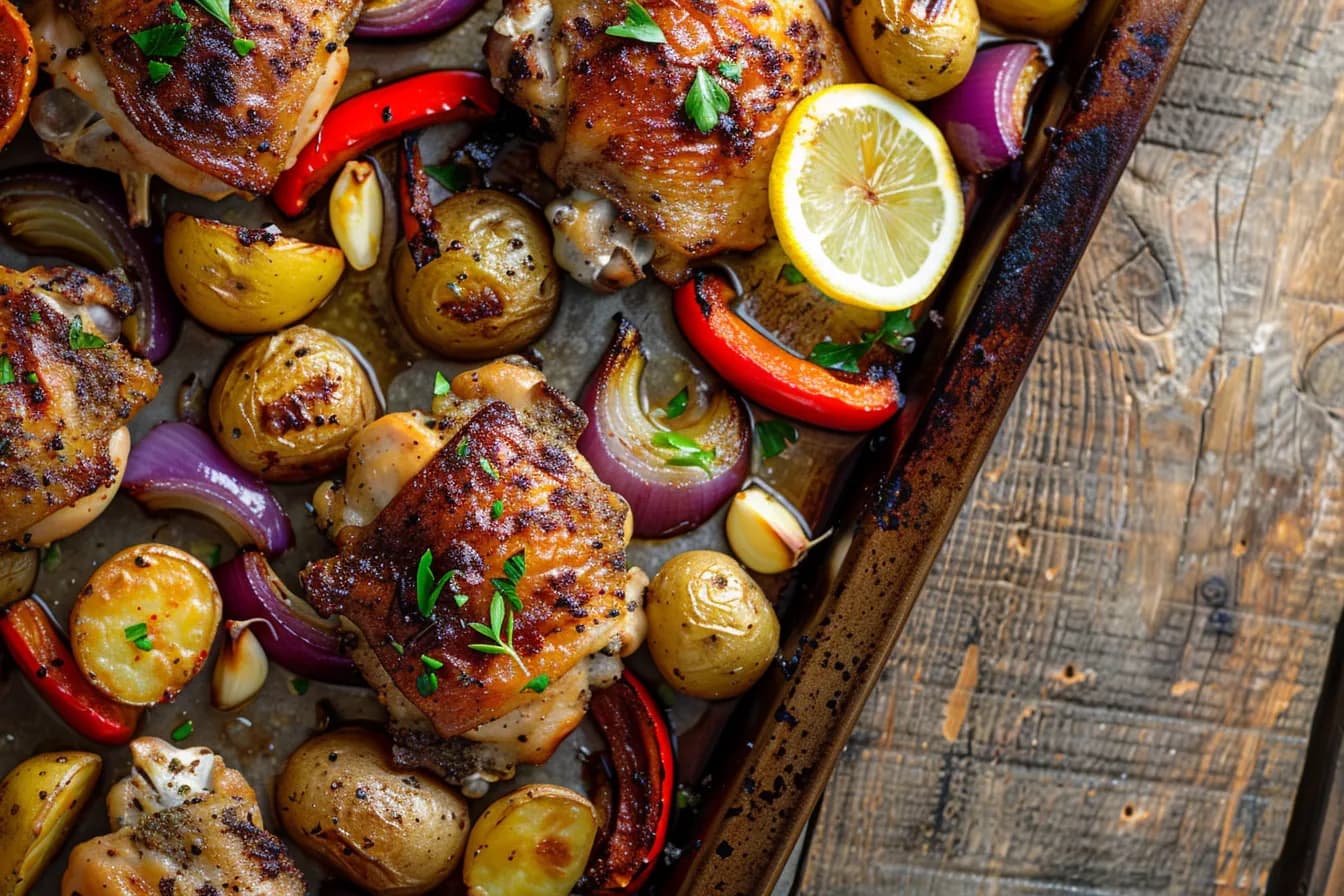
Sheet Pan Chicken with Roasted Vegetables
One pan, ten minutes of work, thirty minutes in the oven, and only one thing to wash up.