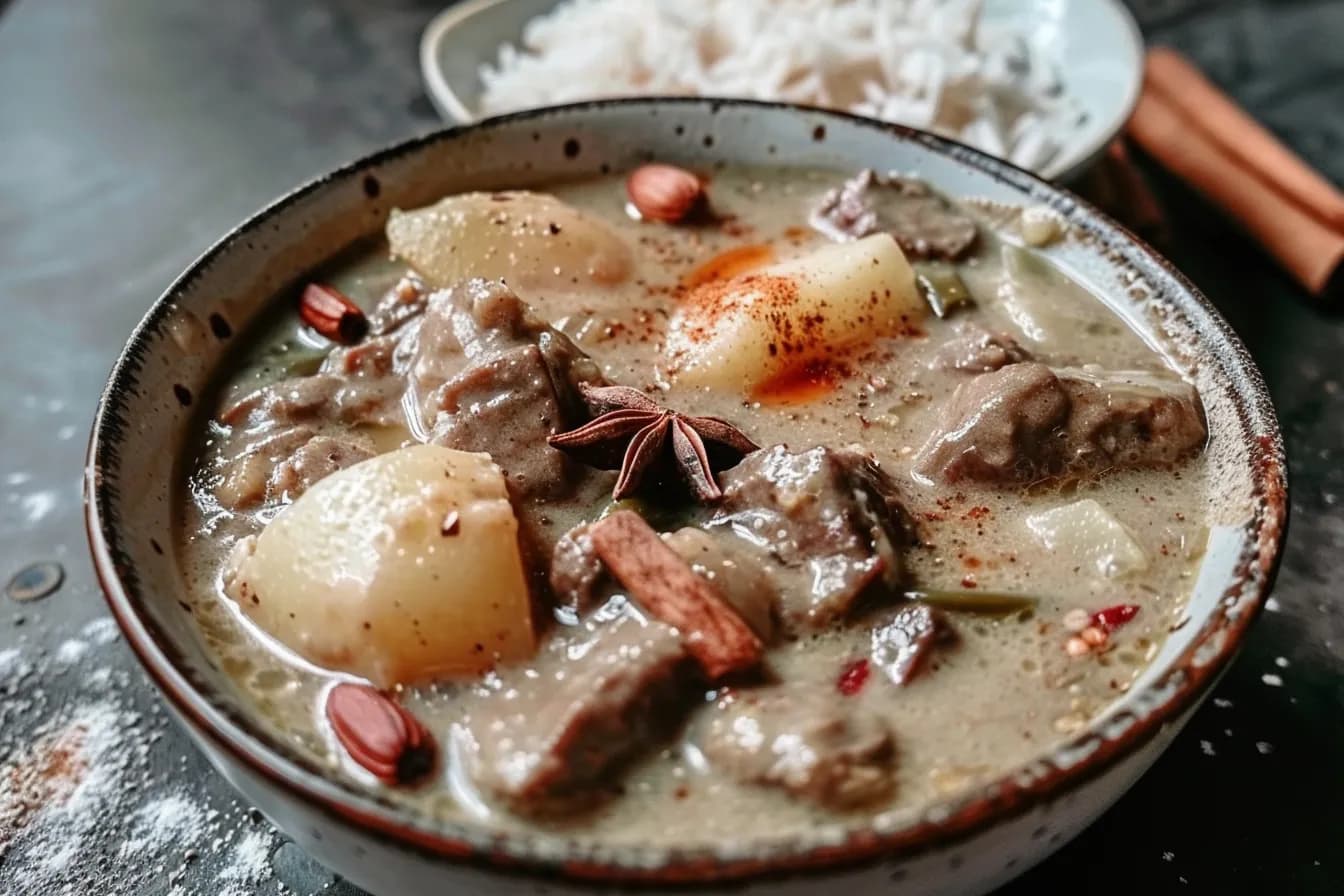
The mildest Thai curry, featuring potatoes, peanuts, and cinnamon, a legacy of Persian traders. Massaman stands out from other Thai currys because it contains warm spices like cinnamon, cardamom, and cloves, which are otherwise more at home in India and Persia. This makes it the ideal entry-level curry for anyone who finds green curry too spicy.
Why this works
The first step of any Thai curry is cracking the coconut milk, and it is almost always skipped. Coconut milk is an emulsion of fat and water; if you heat the thick layer from the can without stirring, this emulsion breaks and the coconut fat separates out clear. It is exactly in this hot, clear fat that the curry paste is fried, and because the flavor compounds of the spices are fat-soluble, this is the only way they truly dissolve. If you instead boil the paste in the intact emulsion, you get a curry that tastes flat, even though the same amount of paste is in it. The warm spices in Massaman point to Persian and Indian traders who came to the Thai south in the 17th century; they are the reason why this curry is milder and sweeter than any other.
Step-by-step instructions
- 1
Crack the coconut milk
Open the cans without shaking them, and put only the thick layer of fat from the top into the pot. Heat it until it starts to sizzle and clear oil separates out. This takes five to eight minutes and looks like something has gone wrong. Exactly this clear fat is the goal.
- 2
Fry the curry paste
Add the curry paste to the hot fat and fry it for two to three minutes while stirring, until it is deeply fragrant and the oil turns reddish. The flavor compounds of the spices are fat-soluble. This step determines whether the curry has depth or just tastes spicy.
- 3
Meat and spices
Add the beef and turn it all over in the paste. Add the cinnamon stick, cardamom, cloves, and lime leaves, and pour in the remaining coconut milk. Bring everything to a simmer.
- 4
Braise for 45 minutes
Let the curry braise covered over low heat for 45 minutes until the meat becomes tender. It should bubble quietly, not boil. Coconut milk separates over high heat and becomes grainy.
- 5
Potatoes and seasoning
Add the potatoes, onions, and peanuts, and let everything simmer uncovered for another 20 minutes until the potatoes are cooked and the sauce thickens. Season with fish sauce, palm sugar, and tamarind. Massaman should be salty, sweet, and sour all at once, and all three must be detectable.
Our best tips
- Do not shake the coconut milk and do not use a light version. Without the thick layer of fat, the emulsion cannot be cracked, and the most important step is lost.
- Seasoning at the end is not a finishing touch, but half the battle. Fish sauce for salt, palm sugar for sweetness, tamarind for acidity. If one of these is missing, the curry seems unfinished.
- It is better on the second day. Massaman is a braised dish and improves significantly overnight because the warm spices continue to infuse.
Tasty variations
With chicken
Use 700 g of chicken thighs instead of beef, then braise for only 25 minutes. Faster and at least as common in Thailand.
Vegan
Replace the beef with 600 g of sweet potatoes and 400 g of chickpeas, and the fish sauce with soy sauce and a pinch of salt. The peanuts and warm spices carry the dish.
Nutrition facts
| Calories | 1077 kcal |
|---|---|
| Protein | 50 g |
| Carbohydrates | 46 g |
| – of which sugar | 21 g |
| Fat | 78 g |
| Fiber | 7 g |
Where the 1,077 kcal come from
per serving
Calculated from the ingredients – how we do it
We add up reference values for every ingredient and divide by the number of servings. These assumptions are baked in:
- Reference values per 100 g – for the raw ingredient, exactly as listed.
- Tinned goods count at drained weight, bone-in meat at purchase weight: you eat about 70 per cent of a chicken thigh and leave the rest.
- Water evaporates as you cook. The energy stays in the pot, the weight does not – so the figure is per serving, not per 100 g of finished dish.
- Anything listed without a quantity – “salt and pepper” – is not counted.
A guide value, not a lab measurement: no two onions weigh the same, and fat content varies from pack to pack.
Frequently asked questions
How spicy is Massaman Curry?
The mildest of all Thai curries. The warm spices and peanuts dominate, and the heat is more of a background note. If you find green curry too spicy, you are in the right place here.
How many calories does Massaman Curry have?
Around 1,075 kcal per serving, without rice. The coconut milk contributes the largest part with about 400 kcal per serving. With one can of coconut milk and 400 ml of broth instead of two cans, the value drops to around 875 kcal.
Why does my coconut milk get grainy?
Too much heat after pouring it in. When cracking the thick layer, the separation is intentional, but after that, the curry should only simmer quietly. With a rolling boil, the protein flocculates.
What is Massaman curry paste?
A Thai paste with chili, lemongrass, and galangal, supplemented with cinnamon, cardamom, clove, and cumin. These warm spices distinguish it from red and green curry paste and trace back to Persian traders.
Comments & ratings(0)
Sign in to rate and comment on this recipe.
You might also like
 Meal Prep
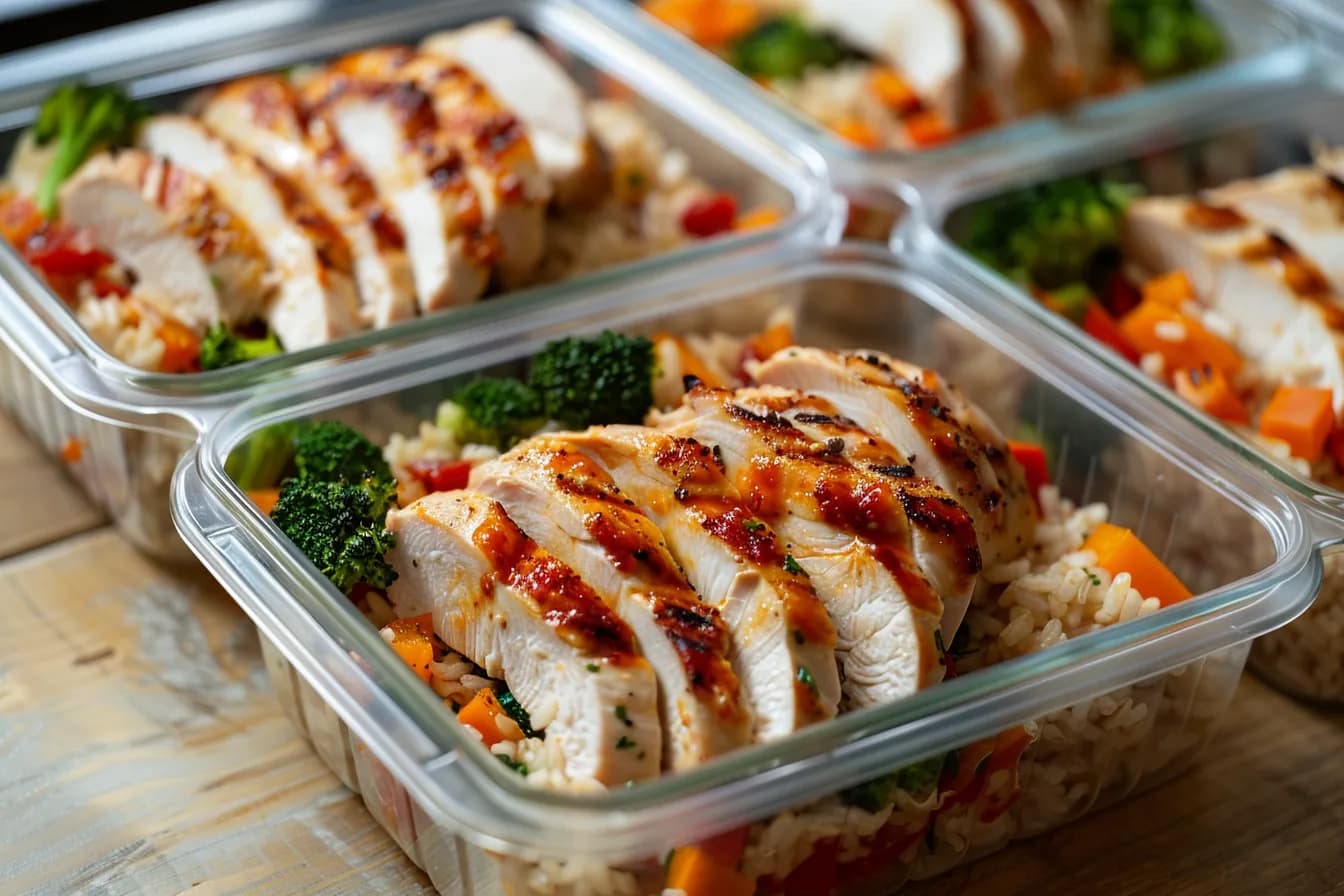
Chicken Meal Prep Boxes
Four boxes for the week in forty minutes, with the trick that prevents chicken from being dry on the third day.
 Dinner
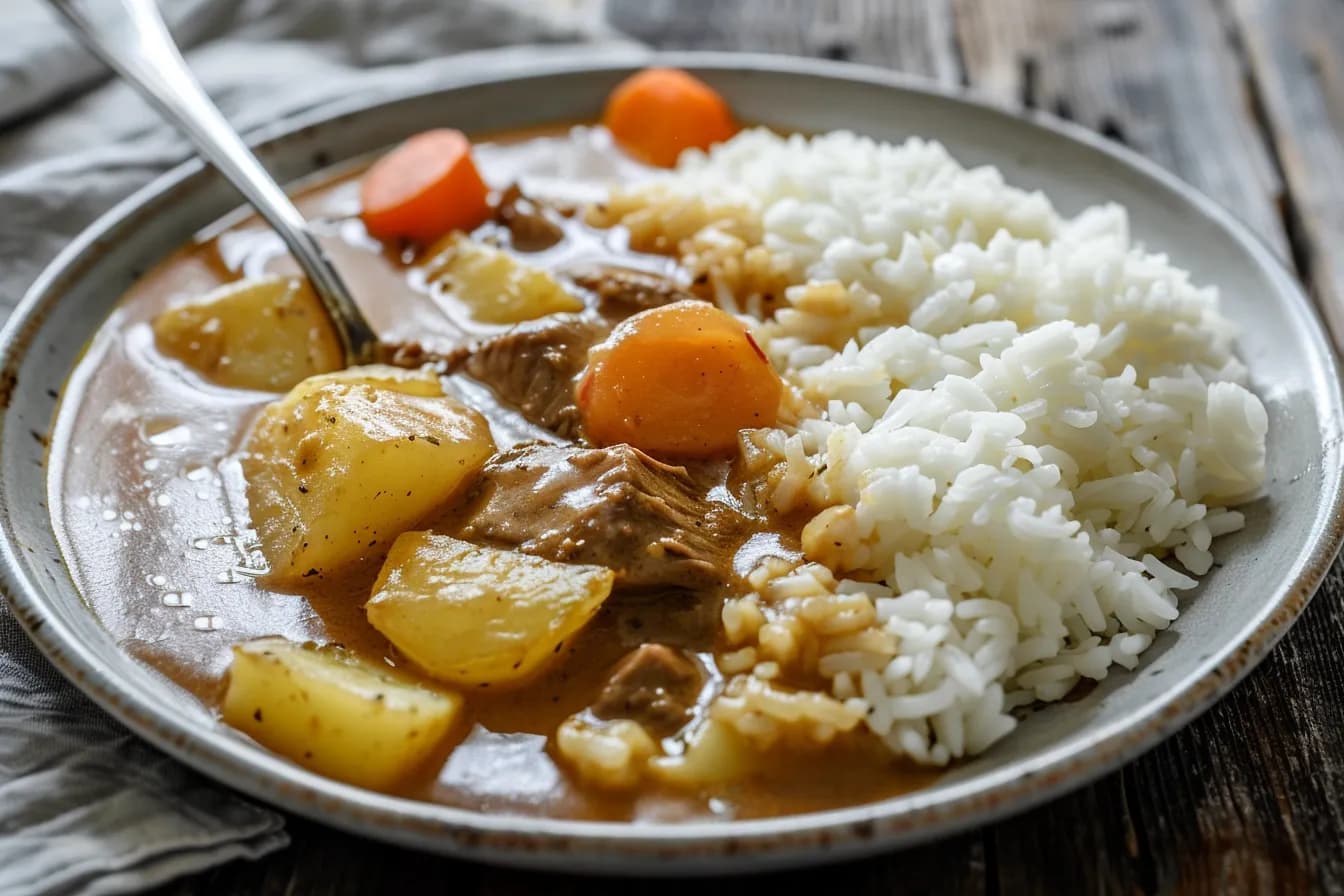
Japanese Curry
Kare Raisu: thick, mildly sweet curry with potatoes and carrots, thickened with a homemade curry roux.
 Dinner
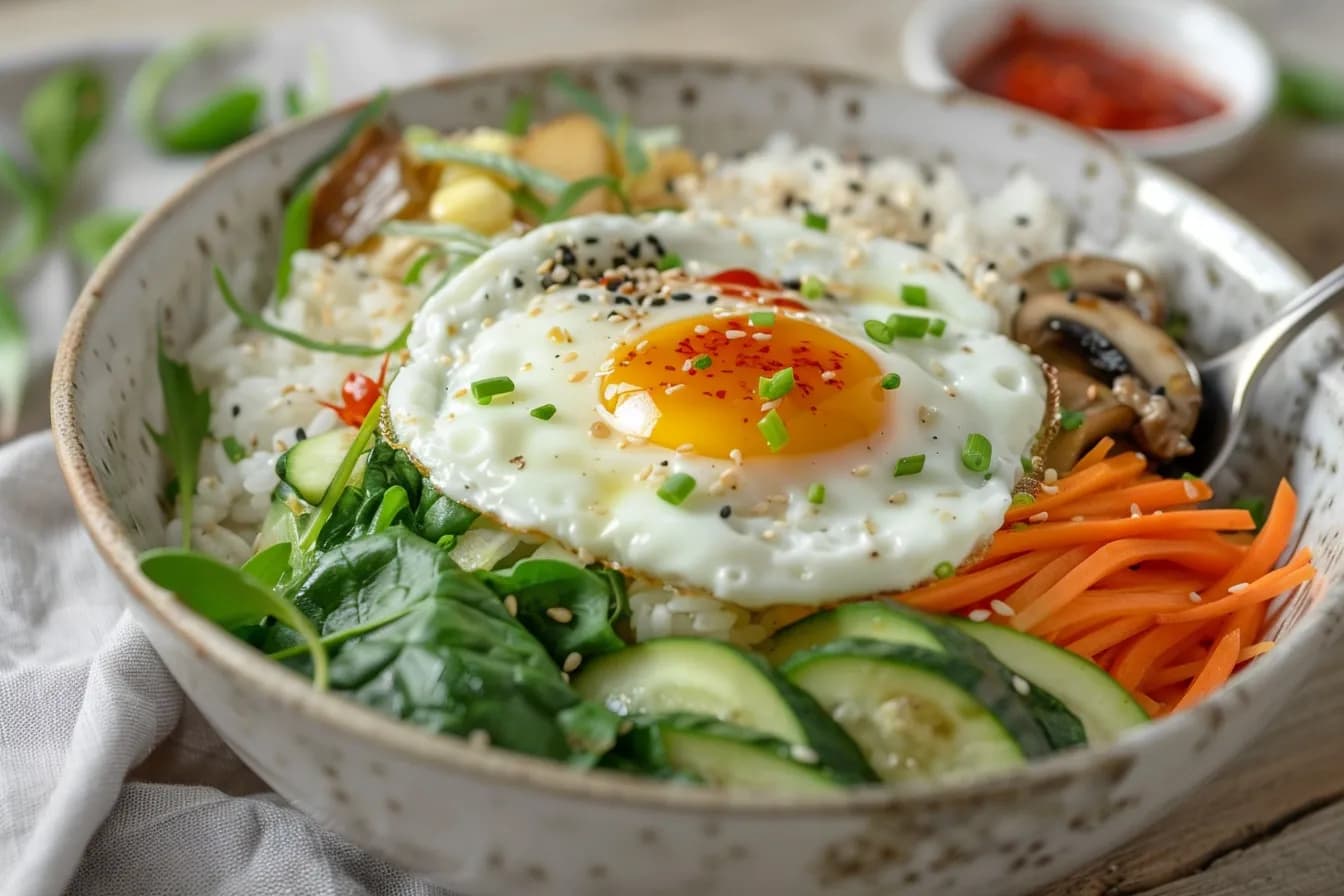
Bibimbap
Korean rice bowl with five individually seasoned vegetables, egg, and gochujang, meaning "mixed rice", and that is meant literally.