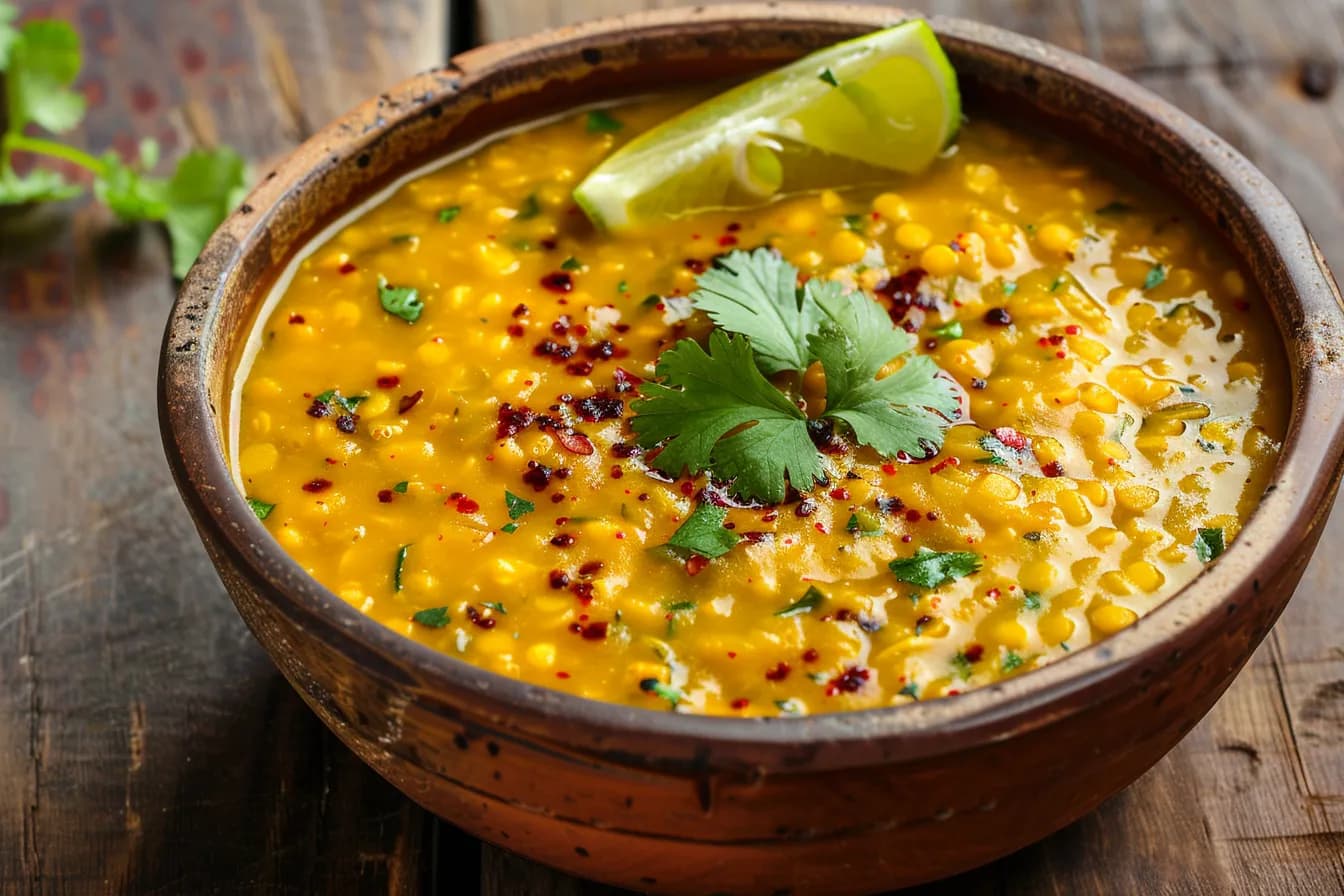
Dal Tadka
Creamy yellow lentils with a hot spice tempering that sizzles in the pot when served.
- Preparation
- 15 min
- Cook/bake time
- 50 min
- Total
- 1 hr 5 min
- Difficulty
- Easy
- Calories
- 417 kcal
- Servings
- 4
- Prep
- 15 min
- Cooking & baking
- 50 min
Creamy yellow lentils with a hot spice tempering that sizzles in the pot when served. The tadka is the technique that gives the dish its name: spices are briefly foamed in hot fat and poured over the finished lentils right at the end. Inexpensive, filling, and a daily staple in India.
Why this works
The flavor compounds of whole spices sit in oil cells and are fat-soluble. In hot ghee, these cells burst open within seconds and release their contents completely. Cumin releases cuminaldehyde, and mustard seeds release their pungent mustard oils. This does not happen when boiled in water, where they only leach out slowly. That is why the tadka comes at the end and not at the beginning: what it releases is volatile and would have evaporated after twenty minutes of cooking.
Step-by-step instructions
- 1
Wash the lentils
Wash the lentils in cold water until the draining water remains clear, which usually takes four to five passes. The rinsed-off dust would otherwise rise to the surface as foam and give the dal a slightly musty aftertaste. Let them drain well afterwards.
- 2
Cook until soft
Put the lentils with the water, turmeric, and salt in a pot and bring everything to a boil. Skim off the foam that forms at the beginning and let the lentils simmer over low heat for 25 to 30 minutes until they completely break down and are creamy. Stir more frequently towards the end because they easily stick to the bottom.
- 3
Adjust the consistency
Add the diced tomato and let it cook for five minutes. Then beat the dal vigorously with a whisk, which makes it particularly creamy without you having to purée it. If it is too thick, pour in hot water until it runs thickly off the spoon.
- 4
Prepare the tadka
Heat the ghee in a small pan over medium to high heat and first add the cumin and mustard seeds. Wait until they audibly crackle and pop, which takes about thirty seconds. Then add the onion, garlic, and the whole chilies and fry for three to four minutes until everything is golden brown.
- 5
Pour over
Take the pan off the heat, stir in the paprika powder and asafoetida, and immediately pour the sizzling tadka over the finished dal. It will hiss vigorously, which is exactly what it should do. Stir only once roughly so that visible streaks of spices remain, sprinkle cilantro on top, and serve with rice or naan.
Our best tips
- Always make the tadka right at the end and pour it on immediately. If cooked along with the dish, the spices lose exactly the aroma that gives the dish its name.
- Mustard seeds must pop, and cumin must be fragrant. Both need really hot fat, otherwise it remains bland.
- Toor dal from the Indian grocery store yields the creamiest consistency. Red lentils work but break down faster.
Tasty variations
Dal Palak
Fold in two handfuls of baby spinach during the last five minutes.
Vegan
Replace ghee with coconut oil, everything else remains identical.
Nutrition facts
| Calories | 417 kcal |
|---|---|
| Protein | 20 g |
| Carbohydrates | 50 g |
| – of which sugar | 4 g |
| Fat | 15 g |
| Fiber | 10 g |
Where the 417 kcal come from
per serving
Calculated from the ingredients – how we do it
We add up reference values for every ingredient and divide by the number of servings. These assumptions are baked in:
- Reference values per 100 g – for the raw ingredient, exactly as listed.
- Tinned goods count at drained weight, bone-in meat at purchase weight: you eat about 70 per cent of a chicken thigh and leave the rest.
- Water evaporates as you cook. The energy stays in the pot, the weight does not – so the figure is per serving, not per 100 g of finished dish.
- Anything listed without a quantity – “salt and pepper” – is not counted.
A guide value, not a lab measurement: no two onions weigh the same, and fat content varies from pack to pack.
Frequently asked questions
Do I have to soak the lentils?
Not necessarily, but soaking for 30 minutes reduces the cooking time by about a third and makes the dal even creamier.
What is asafoetida?
A resin spice with an intense smell that tastes onion-like when cooked and makes legumes more digestible. It is optional but very typical.
How long does dal keep?
Four days in the fridge, and it tastes better reheated. Add a little water when reheating because it thickens considerably.
Comments & ratings(0)
Sign in to rate and comment on this recipe.
You might also like
 Lunch
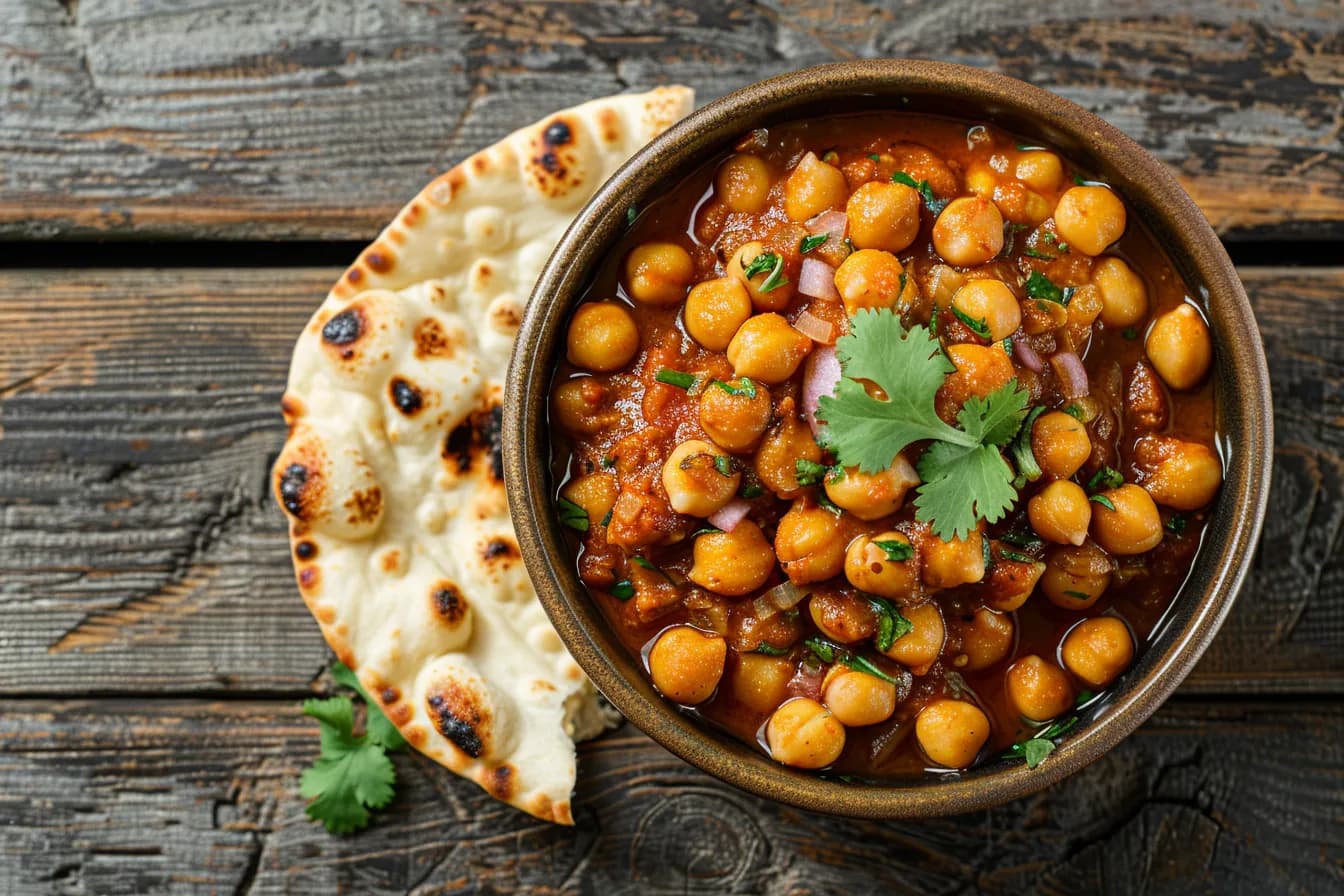
LunchChana Masala
Chickpeas in a dark, spicy tomato sauce with amchur for the typical fruity acidity.
 Lunch
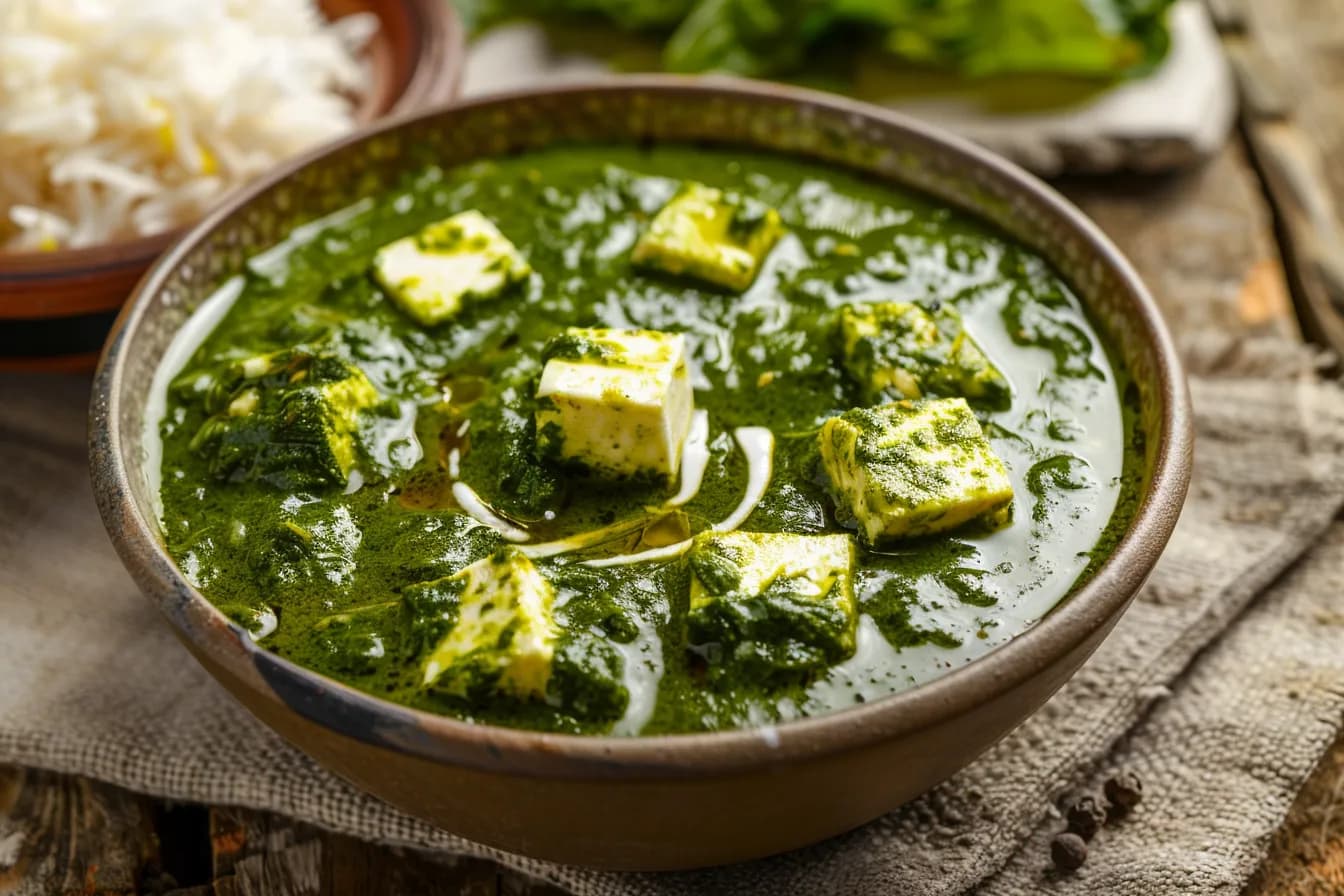
LunchPalak Paneer
Golden-brown fried fresh cheese in a bright green, creamy spinach sauce with ginger.
 Dinner
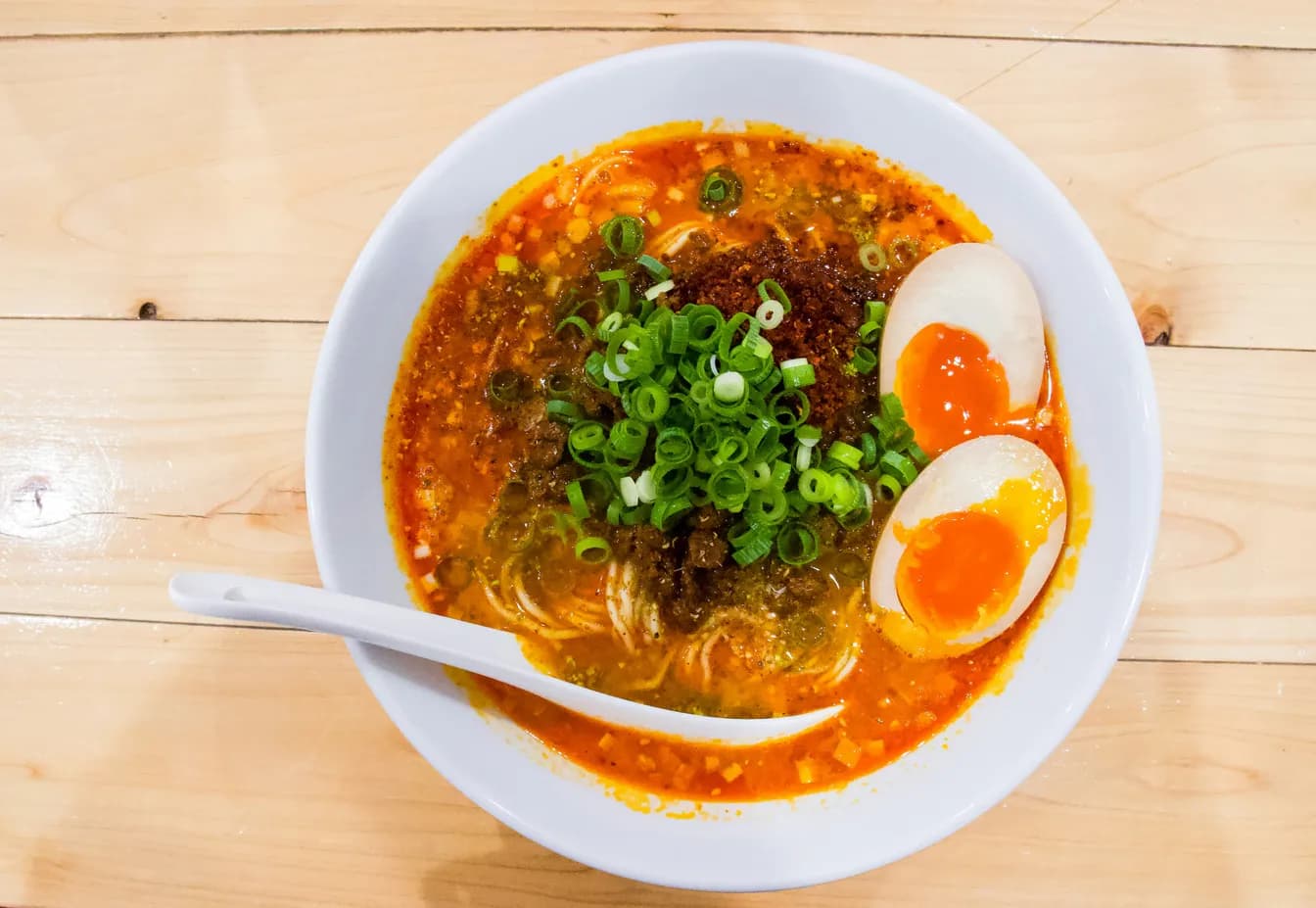
Tantanmen
Japanese ramen with sesame paste and chili oil, the Japanese answer to Sichuan dan dan noodles.