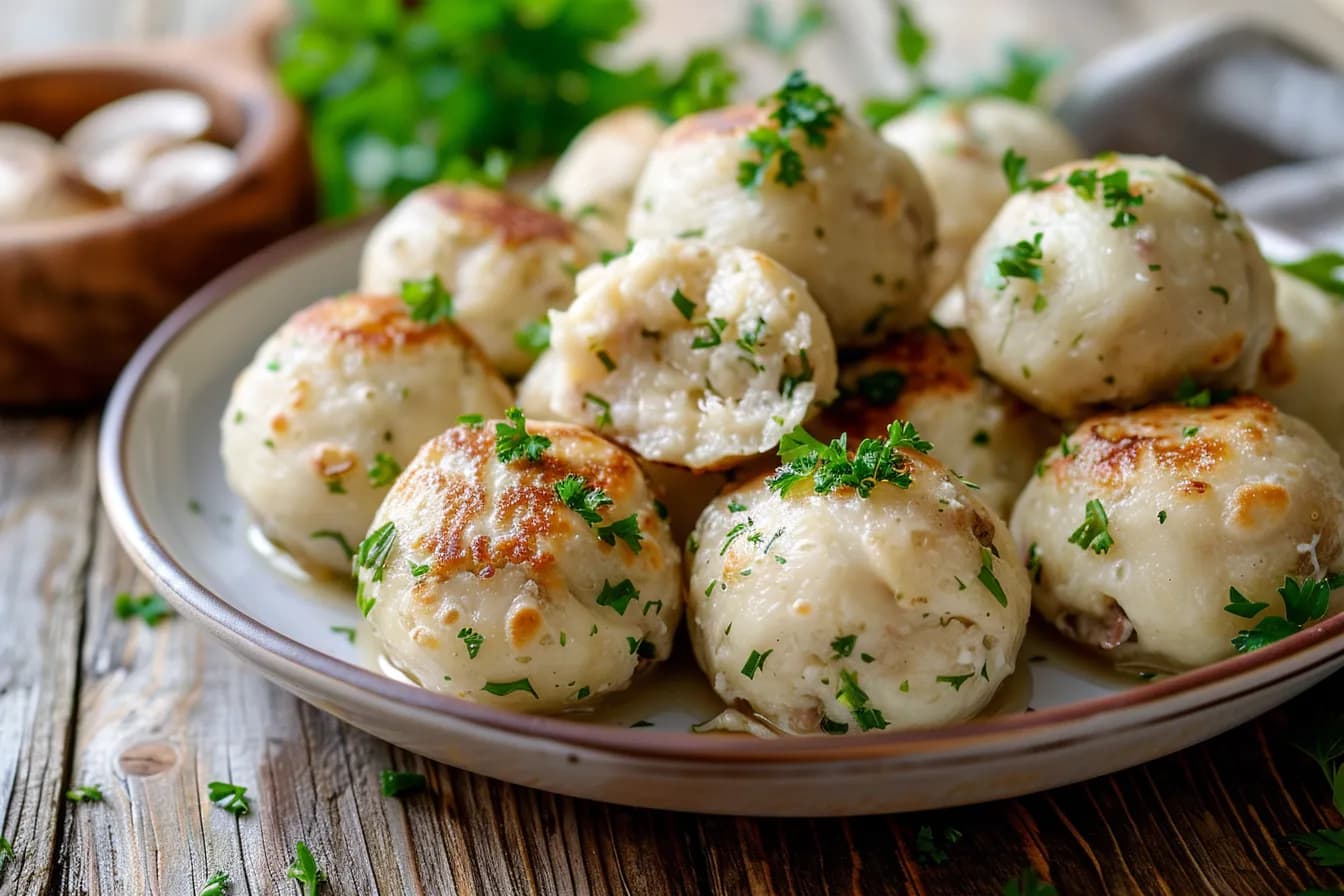
German Bread Dumplings
Let them soak for twenty minutes, then stop kneading. Bread dumplings fall apart because of how they are handled, not because of the recipe.
- Preparation
- 25 min
- Cook/bake time
- 20 min
- Total
- 1 hr 5 min
- Difficulty
- Medium
- Calories
- 348 kcal
- Servings
- 4 dumplings
- Prep
- 25 min
- Cooking & baking
- 20 min
- Resting
- 20 min
Only 45 min of that is hands-on – the rest takes care of itself.
Let them soak for twenty minutes, then stop kneading. Bread dumplings fall apart because of how they are handled, not because of the recipe. Four stale rolls, warm milk, one egg: that is all it takes. What it does take is patience during soaking and a pot that simmers instead of boiling.
Why this works
A bread dumpling holds together because the protein in the egg coagulates during cooking and binds the soaked bread pieces like a net, and because the starch from the bread gelatinizes a second time. Both need contact. The milk must be completely absorbed into the bread before shaping, otherwise there will be dry pockets where the dumpling will later burst open. That is the reason for the twenty minutes. Kneading, on the other hand, is the mistake. It crushes the bread structure into a dense mass that becomes like a stone when cooked. The third rule concerns the water. Vigorous boiling moves the dumplings so much that their still soft surface tears off before the egg has set. At 90 degrees, when the water is just quivering, they stay whole.
Step-by-step instructions
- 1
Soak the bread
Cut the bread into small cubes and pour the lukewarm milk over them. Let them soak for twenty minutes, folding them over once in between. Lukewarm, not hot. Hot milk would immediately gelatinize the starch and seal the cubes on the outside.
- 2
Sweat the onions
Sweat the diced onion in butter for five minutes until translucent and let it cool briefly. Added hot to the mixture, they would cause the egg to set before it can do its binding work.
- 3
Mix, do not knead
Add eggs, onions, parsley, salt and nutmeg and mix everything loosely with your hands. Do not knead. That crushes the bread structure into a dense mass, and that turns into a stone when cooked. If the mixture is too wet, a tablespoon of breadcrumbs will help.
- 4
Shape and let simmer
Shape eight dumplings with wet hands and place them in gently simmering salted water. It should quiver, not boil. Let them simmer uncovered for twenty minutes. They will rise to the surface after a few minutes, which is normal and not a sign of doneness.
Our best tips
- Soak for twenty minutes, not five. Dry pockets inside are the most common cause of dumplings bursting in the pot.
- Mix instead of kneading. Kneaded dough becomes dense and firm when cooked. It is the bread structure that makes the dumpling fluffy.
- The water must not boil. At 90 degrees it only quivers, and the still soft surface of the dumplings remains intact.
Tasty variations
Napkin dumplings
Wrap the mixture in cling film to form a roll, twist the ends and cook in simmering water for thirty minutes. This way nothing can fall apart, and the slices are excellent fried in butter the next day.
With bacon and marjoram
Render 100 g of diced bacon with the onions and add a teaspoon of dried marjoram. The classic Bavarian variation. Then the dumpling is a main course and no longer a side dish.
Nutrition facts
| Calories | 348 kcal |
|---|---|
| Protein | 14 g |
| Carbohydrates | 45 g |
| – of which sugar | 9 g |
| Fat | 12 g |
| Fiber | 3 g |
Where the 348 kcal come from
per serving
Calculated from the ingredients – how we do it
We add up reference values for every ingredient and divide by the number of servings. These assumptions are baked in:
- Reference values per 100 g – for the raw ingredient, exactly as listed.
- Tinned goods count at drained weight, bone-in meat at purchase weight: you eat about 70 per cent of a chicken thigh and leave the rest.
- Water evaporates as you cook. The energy stays in the pot, the weight does not – so the figure is per serving, not per 100 g of finished dish.
- Anything listed without a quantity – “salt and pepper” – is not counted.
A guide value, not a lab measurement: no two onions weigh the same, and fat content varies from pack to pack.
Frequently asked questions
My dumplings fell apart in the pot.
Almost always water boiling too vigorously or a mixture that is too wet. The water must only quiver. A test dumpling beforehand is the safest method. If it falls apart, add one to two tablespoons of breadcrumbs to the mixture and test again.
Can I freeze bread dumplings?
Yes, preferably fully cooked and cooled. To reheat, place in simmering water for ten minutes or fry slices in butter. Freezing raw dumplings works less well. They draw water when thawing and then fall apart.
What do I do with leftover dumplings?
Cut into slices and fry in butter until they have a crust. This is better as a dish than the dumplings themselves. With an egg over it, this makes a complete dinner, in Bavaria it is called Knödelgröstl.
Comments & ratings(0)
Sign in to rate and comment on this recipe.
You might also like
 Dinner
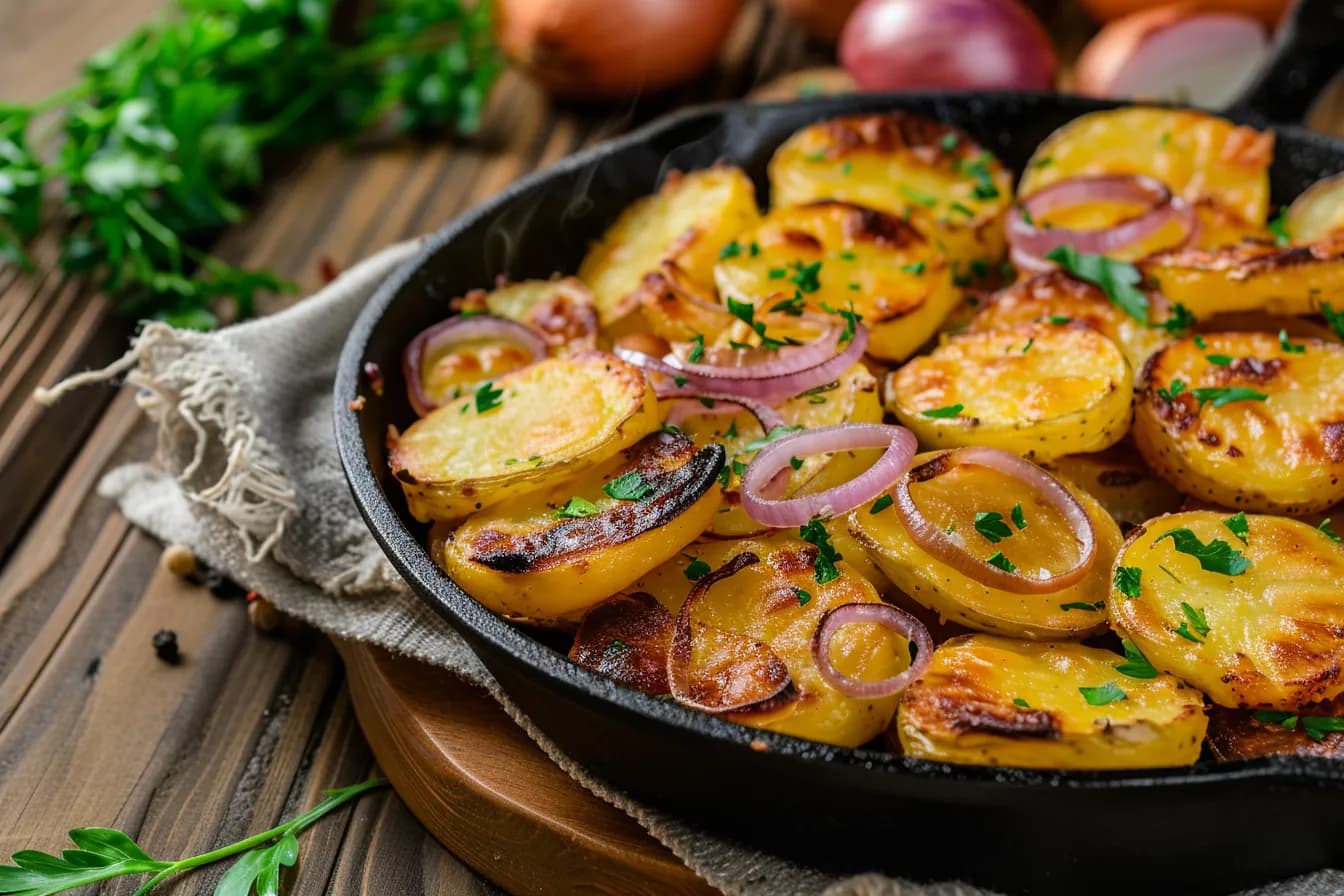
Fried Potatoes from Boiled Potatoes
Boiled potatoes from the day before are firmer than fresh ones, and therefore superior in the pan.
 Lunch
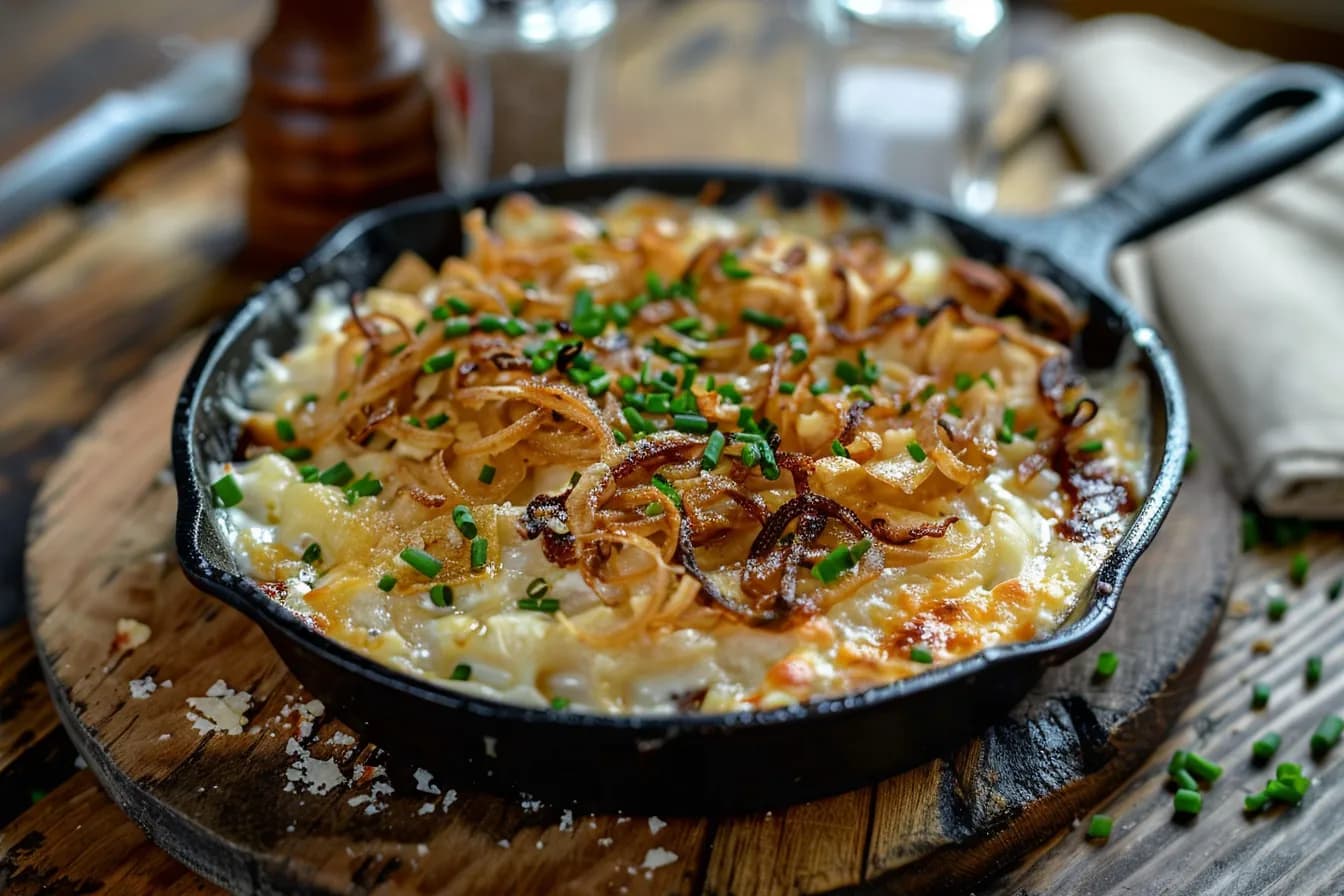
LunchAllgäu Käsespätzle
Fresh Spätzle with savory Bergkäse and crispy fried onions, baked to hearty perfection.
 Vegetarian
Crispy Zucchini Fritters
From 800 g zucchini comes a good 200 ml of water, and that is exactly the difference between crispy and mushy.