Berliner
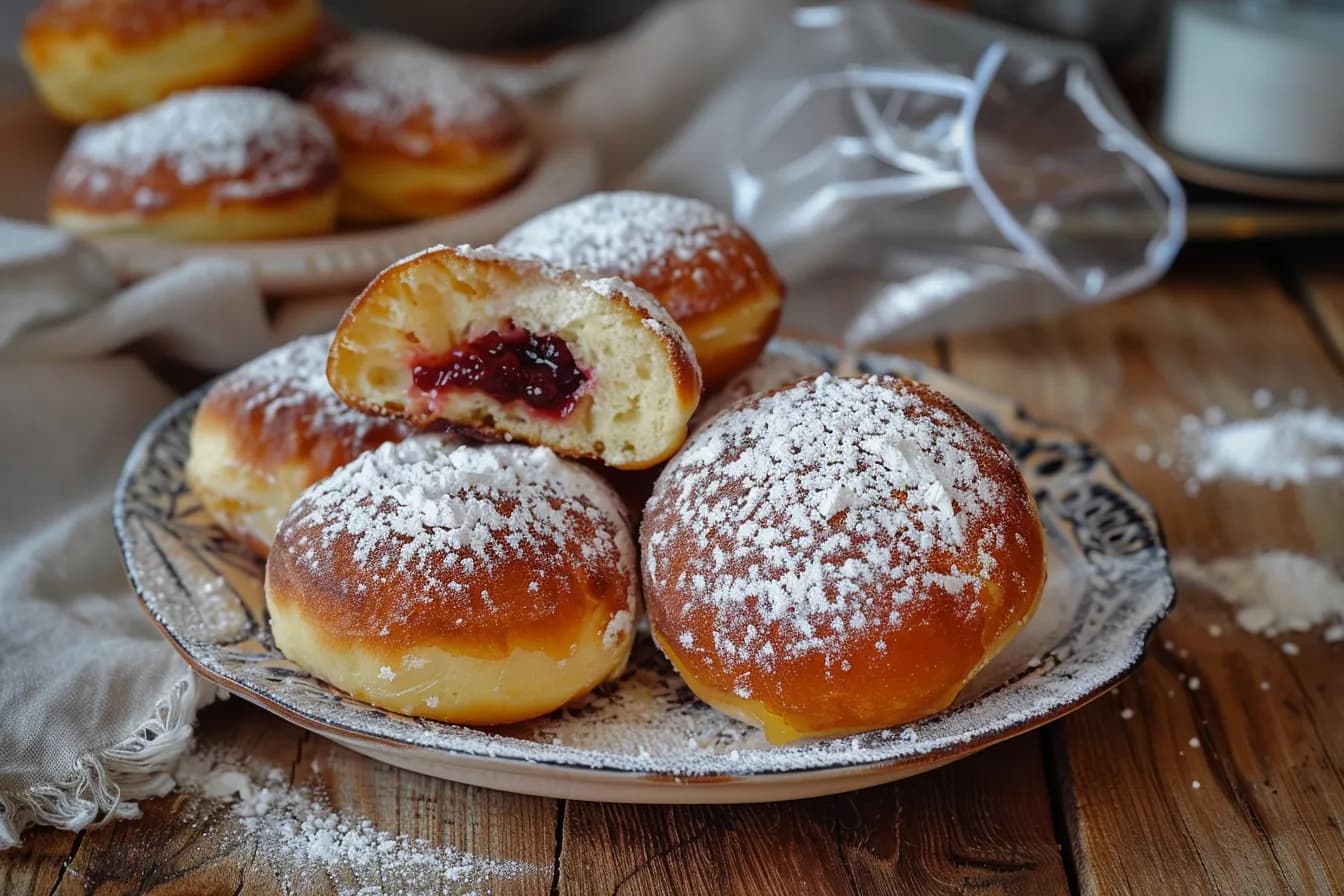
The carnival classic with the white ring: golden brown on the outside, airy on the inside, filled with jam.
- Preparation
- 40 min
- Cook/bake time
- 25 min
- Total
- 3 hr 5 min
- Difficulty
- Medium
- Calories
- 318 kcal
- Servings
- 12 pieces
- Prep
- 40 min
- Cooking & baking
- 25 min
- Resting
- 2 hr
Only 1 hr 5 min of that is hands-on – the rest takes care of itself.
The carnival classic with the white ring: golden brown on the outside, airy on the inside, filled with jam. The pale stripe all around is the mark of quality, it only appears when the dough has risen properly and floats in the fat instead of lying in it. Whether they are called Berliner, Krapfen, Pfannkuchen, or Kreppel depends on where you grew up.
Why this works
The white ring is pure physics and therefore such a reliable sign of quality. A well-risen Berliner contains so much gas that it floats in the fat instead of sinking, it only submerges halfway, and exactly at the fat line a stripe remains that never comes into contact with the hot oil and therefore stays pale. A dough that has not risen enough is denser, sinks deeper, and turns brown all around. The oil temperature decides the rest: At 170 degrees, a crust forms immediately, keeping the fat out, while the steam inside continues to puff up the dough. At 150 degrees, this barrier is missing, and the Berliner soaks up oil. Filling is done only after frying because jam would boil in the hot fat and burst the dough shell.
Step-by-step instructions
- 1
Knead the dough
Dissolve the yeast in the lukewarm milk and knead it with flour, sugar, egg yolks, salt, lemon zest, and rum for eight minutes. Then add the soft butter and continue kneading until the dough is smooth and shiny. It should be soft and slightly sticky, a firm dough will not rise enough, and then the white ring will not appear.
- 2
Let rise for one hour
Cover the dough and let it rise in a warm place until doubled in size, about one hour. This first proof builds the structure that will later hold the gas, too short, and the Berliners will sink to the bottom in the fat.
- 3
Shape and second proof
Divide the dough into twelve pieces and shape each into a smooth ball by rolling it under your cupped hand. Place them with plenty of space on floured parchment paper and let them rise for another 45 minutes until they are visibly puffed and feather-light. Do not touch them anymore, any pressure costs gas and thus the ring.
- 4
Frying
Heat the oil to exactly 170 degrees. Place the Berliners in top side down, fry them for two minutes with the lid on, turn them, and fry for another two minutes uncovered. Only three to four at a time, otherwise the temperature will drop. Let drain on paper towels.
- 5
Fill and sugar
Pierce the side of the white ring with a long piping tip and pipe in about 25 g of jam until the Berliner feels noticeably heavier. Then roll it in sugar. Both are best done lukewarm: cold, the sugar won't stick, hot, it melts.
Our best tips
- The white ring is the best indicator that everything was right. If it's missing, the dough didn't rise enough or the oil was too hot, both cause the Berliner to sink deeper.
- Let the oil temperature recover between batches. Each cold piece of dough lowers it by several degrees, and from about 160 degrees the pastry starts to absorb fat.
- Berliners are a same-day pastry. The next day they are tough, and reheating doesn't help. Better to make half the amount and eat them fresh.
Tasty variations
With vanilla cream
Instead of jam, pipe in 300 g of pastry cream and roll in powdered sugar instead of granulated sugar. Just as common in Austria and southern Germany as the jam filling.
In the air fryer
At 180 °C for about eight minutes, brush all over with oil beforehand. They become airy but don't get a white ring, that only appears when the dough floats in fat.
What is left over?
This recipe only uses the yolks. The whites keep for three days in the fridge and freeze well – nobody has to throw them out.
Nutrition facts
| Calories | 318 kcal |
|---|---|
| Protein | 6 g |
| Carbohydrates | 48 g |
| – of which sugar | 22 g |
| Fat | 11 g |
| Fiber | 2 g |
Estimated, not calculated – why
Here some of the ingredients never reach the plate: most frying oil stays in the pan, and in a stock the solids are strained off. How much of it ends up in the food cannot be calculated – counting a litre of oil would quintuple the figure, leaving it out would describe a dish baked without fat. So this is an editorial estimate rather than a total that would look dependable without being so.
A guide value, not a lab measurement: no two onions weigh the same, and fat content varies from pack to pack.
Frequently asked questions
How many calories does a Berliner have?
About 320 kcal per piece, as an estimate, not a calculation. How much frying fat is absorbed depends entirely on the oil temperature: At 170 degrees it's a few grams, at 150 degrees the value can almost double.
Why don't my Berliners have a white ring?
The dough didn't rise enough. Only a well-risen, gas-rich piece of dough floats high enough in the fat that a stripe remains untouched. Second possibility: The oil was too hot, then the edge browns too.
Are they called Berliner, Krapfen, or Pfannkuchen?
All of them, depending on the region. In Berlin and Brandenburg they are Pfannkuchen, in Bavaria and Austria Krapfen, in Hesse Kreppel, in the rest of Germany mostly Berliner. The pastry is the same everywhere.
Can I prepare them in advance?
Only the dough. It can rise cold overnight and even becomes more aromatic. Baked Berliners are purely a same-day pastry, after one day the crumb is tough and the filling has soaked the dough.
Comments & ratings(0)
Sign in to rate and comment on this recipe.
You might also like
 Cakes & Pastries
Zwetschgendatschi
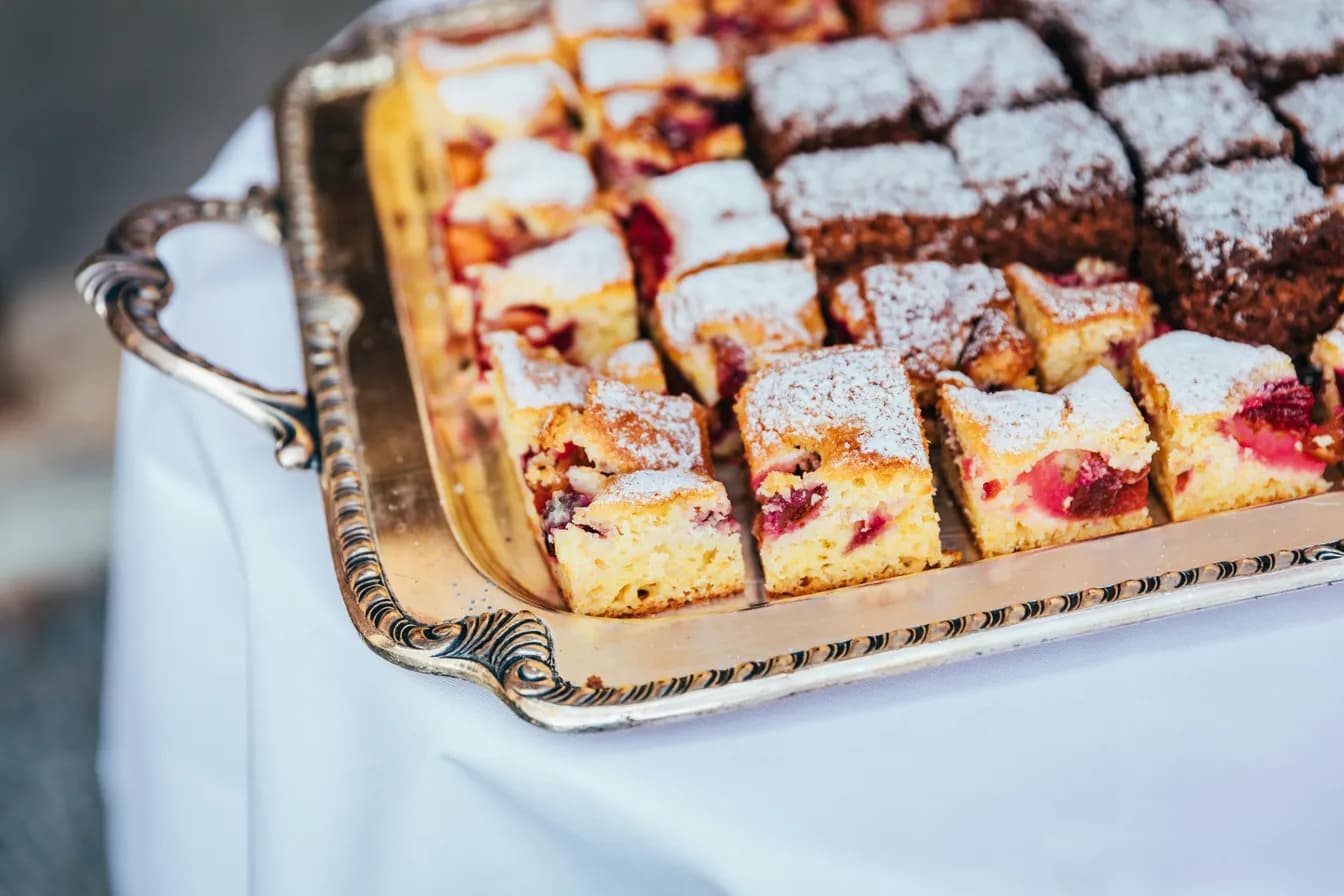
Bavarian sheet cake made of yeast dough, densely topped with Italian prune plums, the pastry that marks the end of late summer.
 Cakes & Pastries
Chocolate Muffins
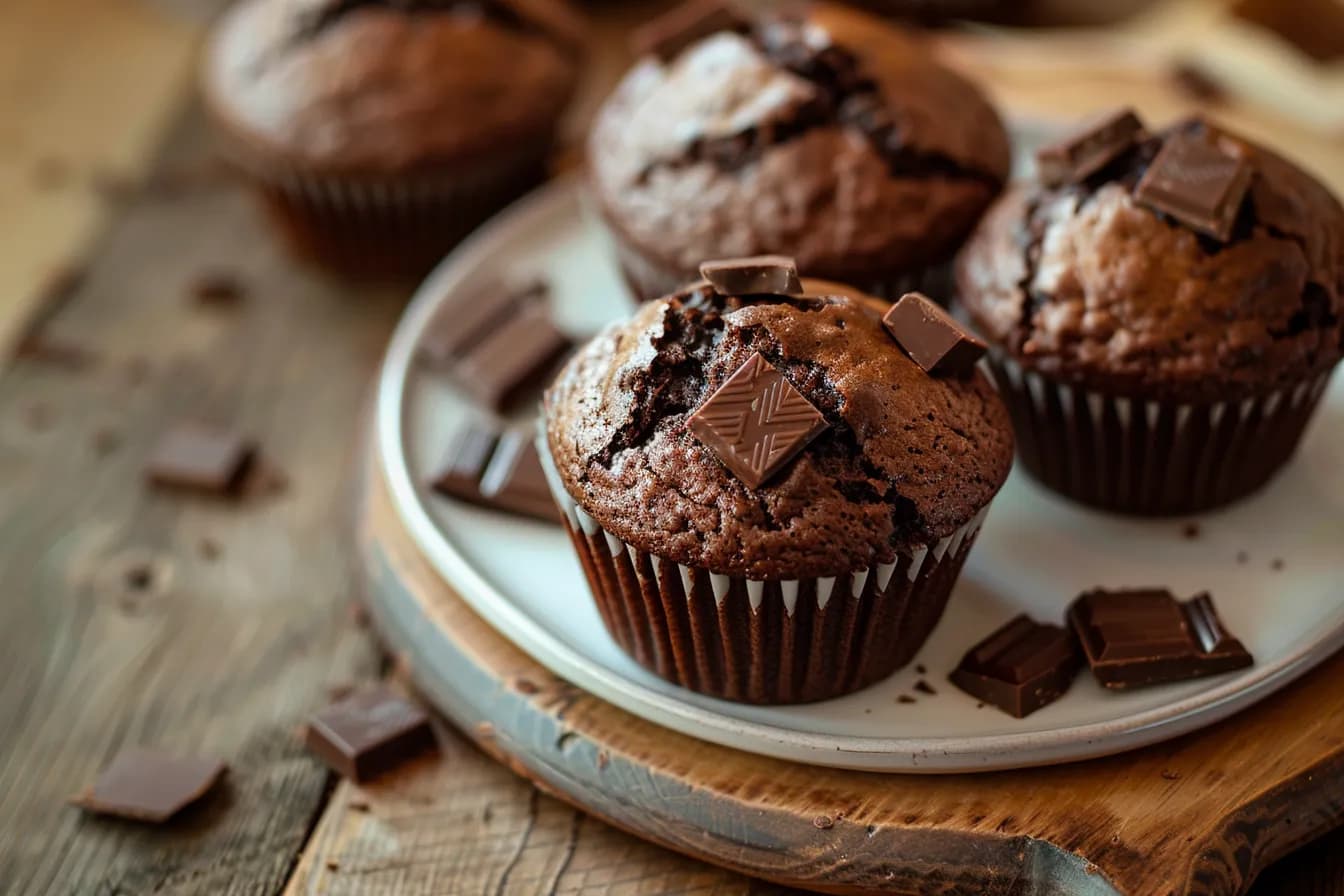
Dark, moist muffins with a domed top and melted chocolate chunks.
 Cakes & Pastries
Zucchini Brownies
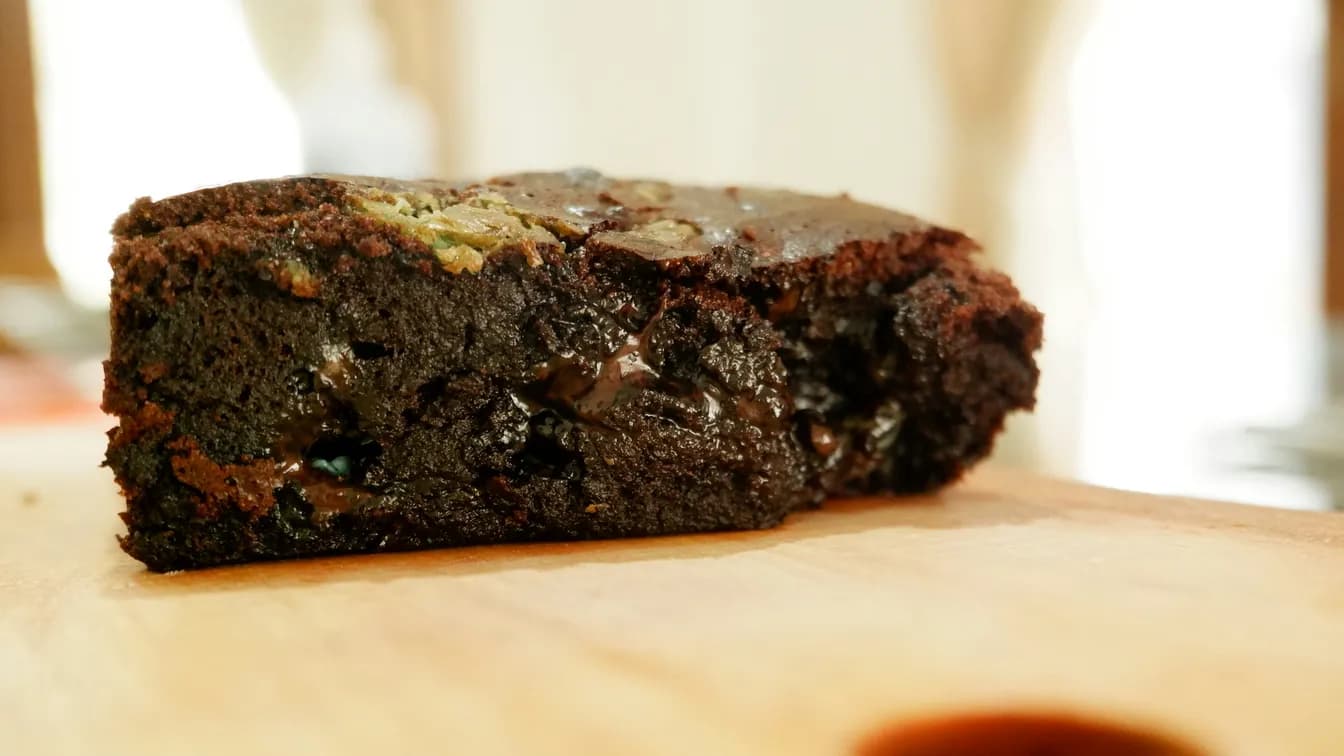
A whole zucchini in the batter, and nobody notices it: instead, they stay moist for three days.