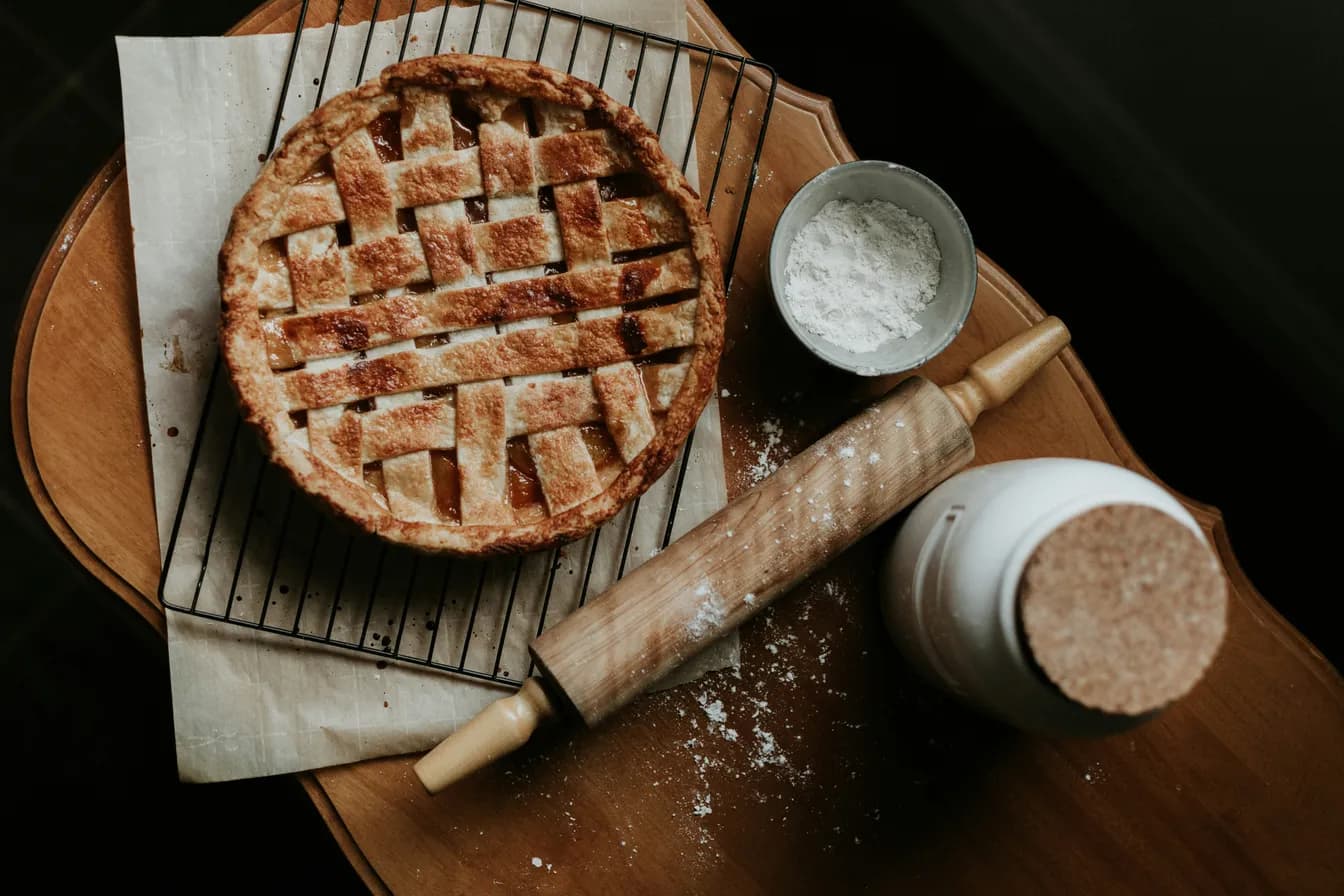
Apple Pie
American apple pie with a flaky lattice crust and a cinnamon-spiced apple filling.
- Preparation
- 55 min
- Cook/bake time
- 1 hr 10 min
- Total
- 7 hr 35 min
- Difficulty
- Medium
- Calories
- 540 kcal
- Servings
- 10
- Prep
- 55 min
- Cooking & baking
- 1 hr 10 min
- Resting
- 5 hr 30 min
Only 2 hr 5 min of that is hands-on – the rest takes care of itself.
American apple pie with a flaky lattice crust and a cinnamon-spiced apple filling. To prevent a soggy bottom, the apples are salted beforehand and their juices are reduced separately before being added back to the filling. It takes some effort, but it is one of the most impressive pies you can bake.
Why this works
Apples consist of 85 percent water, which releases during baking and makes the crust soggy. Salting draws this moisture out beforehand. When the juice is reduced separately, the sugar and pectin concentrate, and once back in the filling, it thickens the mixture instead of watering it down. The visible pieces of butter in the dough are the second mechanism. They melt in the oven, their water content evaporates, and this pushes the dough layers apart to create those beautiful flakes.
Step-by-step instructions
- 1
Make the dough
Mix the flour, sugar, and salt together, then roughly cut in the cold butter cubes so that pea-sized pieces of butter remain visible. These exact pieces create steam during baking, which forms the flaky layers. Add ice-cold water a spoonful at a time until the dough just holds together, divide it into two disks, and chill for one hour.
- 2
Draw out the apple juices
Toss the apple wedges with brown sugar, salt, cinnamon, nutmeg, and lemon juice, and let them sit for one hour. An astonishing amount of juice will release, which you should collect. This exact juice would otherwise cause a soggy bottom and a watery filling in the baked pie.
- 3
Reduce the juice
Pour the collected apple juice into a pot, add the butter, and boil it down to about half until it becomes syrupy. Let it cool briefly, stir in the cornstarch, and mix it back into the apple wedges. The filling is now concentrated in flavor and will thicken reliably.
- 4
Assemble the pie
Roll out one dough disk, line a 24 cm pie dish with it, and pack the apples in tightly, as they will shrink significantly during baking. Roll out the second disk, cut it into strips, and weave them into a lattice. Press the edges firmly together and chill the pie for another thirty minutes.
- 5
Bake
Brush the lattice with beaten egg and sprinkle pearl sugar on top. Bake the pie at 220 °C for twenty minutes on the bottom rack, then reduce the heat to 190 °C and bake for another forty minutes until the filling is visibly bubbling. Let it cool completely for at least four hours before slicing.
Our best tips
- Visible butter pieces in the dough are intentional. A homogeneous dough results in shortcrust pastry, not a flaky pie crust.
- Drawing out the apple juices and reducing them is crucial. This is the step that keeps the bottom crust crispy.
- Let it cool completely. If sliced while warm, the filling will run out and the pie will collapse.
Tasty variations
Dutch Apple Pie
Instead of a lattice crust, sprinkle a crumb topping made of flour, butter, and brown sugar over the pie.
With caramel
Fold four tablespoons of caramel sauce into the apple filling. This makes the pie significantly sweeter and richer.
Nutrition facts
| Calories | 540 kcal |
|---|---|
| Protein | 5 g |
| Carbohydrates | 68 g |
| – of which sugar | 34 g |
| Fat | 27 g |
| Fiber | 5 g |
Where the 540 kcal come from
per serving
Calculated from the ingredients – how we do it
We add up reference values for every ingredient and divide by the number of servings. These assumptions are baked in:
- Reference values per 100 g – for the raw ingredient, exactly as listed.
- Tinned goods count at drained weight, bone-in meat at purchase weight: you eat about 70 per cent of a chicken thigh and leave the rest.
- Water evaporates as you cook. The energy stays in the pot, the weight does not – so the figure is per serving, not per 100 g of finished dish.
- Anything listed without a quantity – “salt and pepper” – is not counted.
A guide value, not a lab measurement: no two onions weigh the same, and fat content varies from pack to pack.
Frequently asked questions
Which apples are best?
Tart, firm varieties like Boskoop, Elstar, or Braeburn. They retain their shape and acidity. Mealy varieties will turn into applesauce.
Why is my bottom crust soggy?
Too much liquid from the apples. Drawing out and reducing the juice solves this exact problem and is therefore not an optional step.
Can I prepare the dough in advance?
Yes, for three days in the refrigerator or three months in the freezer. Chilled dough is actually easier to work with.
Comments & ratings(0)
Sign in to rate and comment on this recipe.
You might also like
 Cakes & Pastries
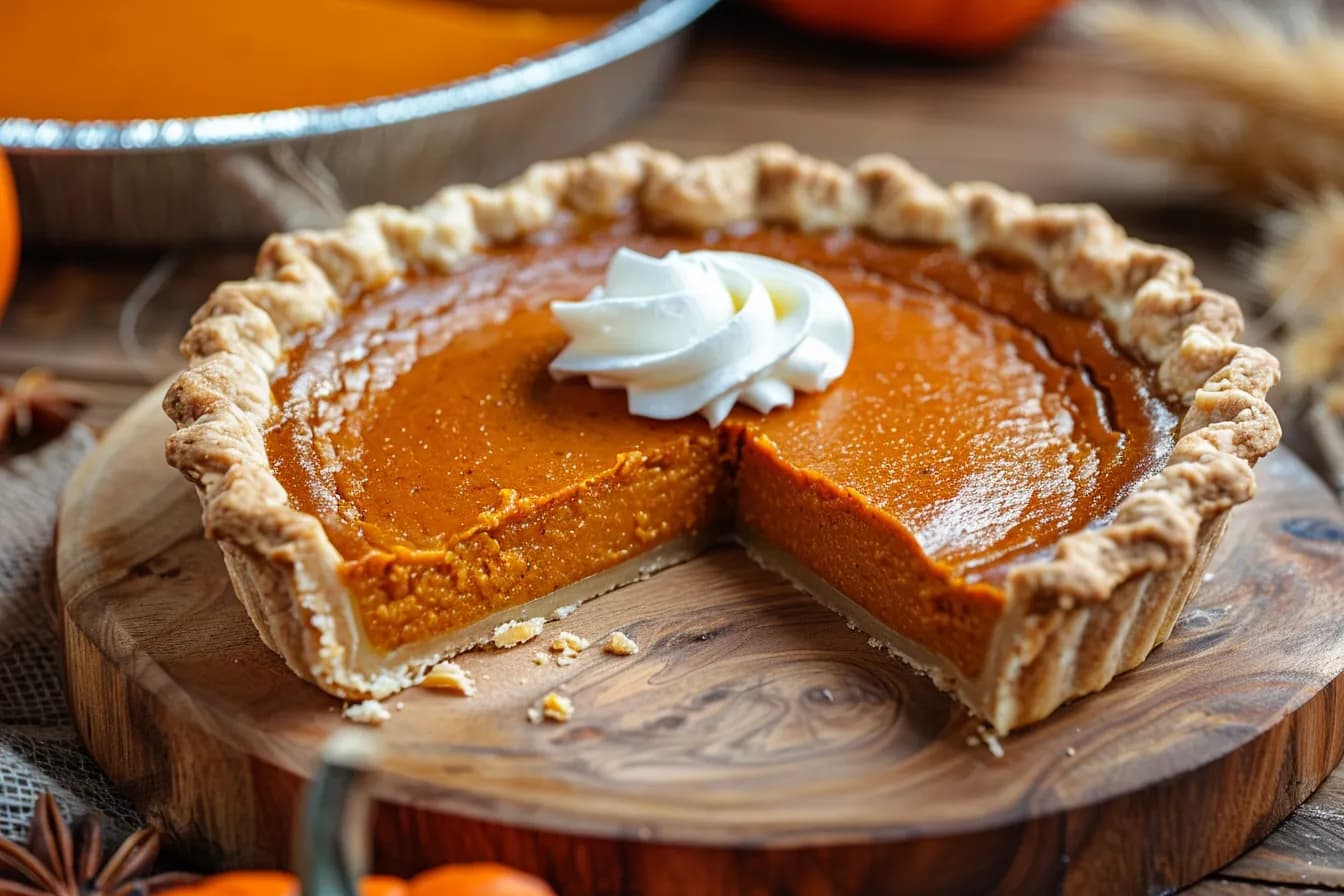
Pumpkin Pie
American pumpkin pie with cinnamon, ginger, and cloves in a blind-baked shortcrust pastry base.
 Desserts
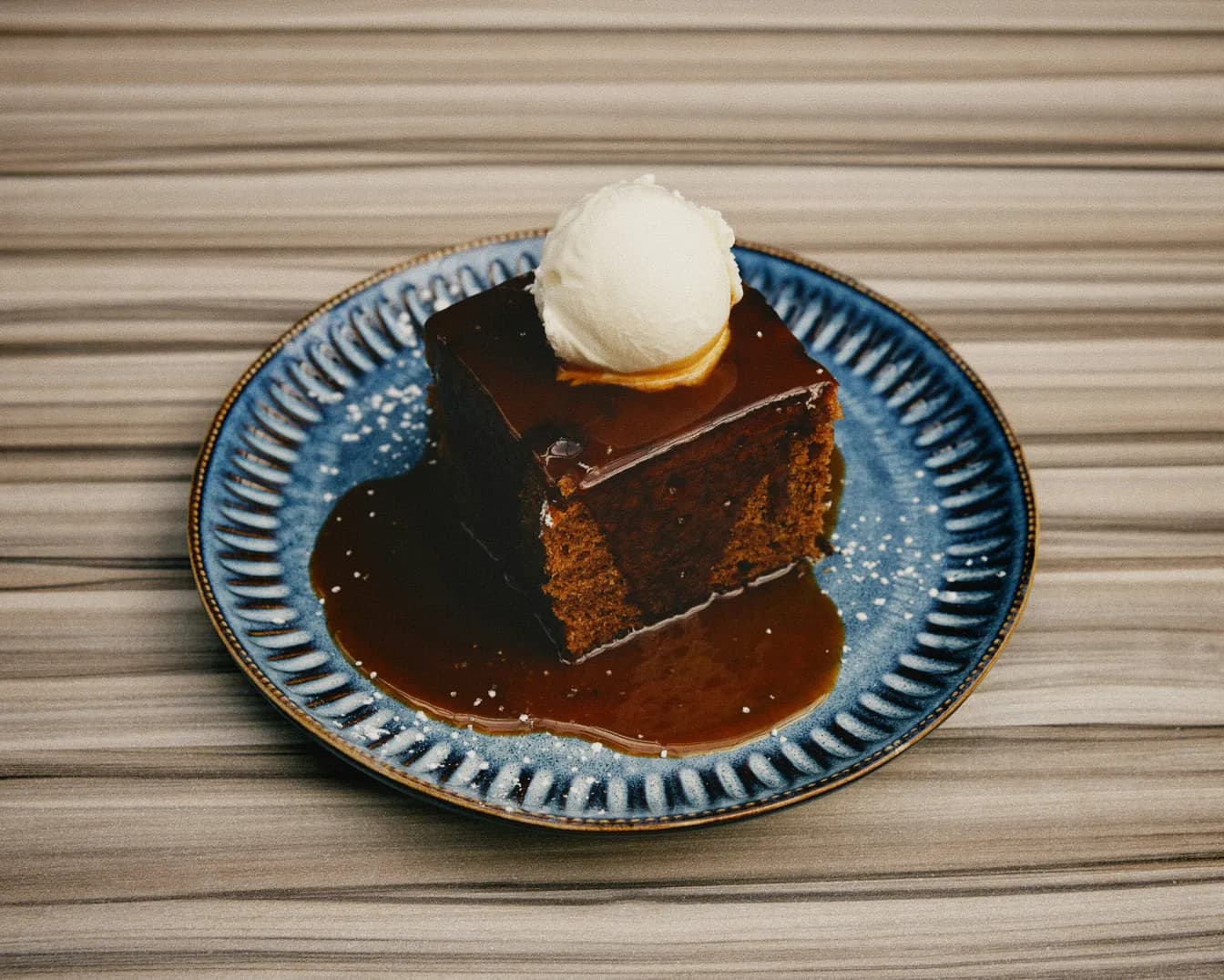
Sticky Toffee Pudding
Date cake with hot caramel sauce, and the dates are soaked in baking soda water beforehand, not plain water.
 Cakes & Pastries
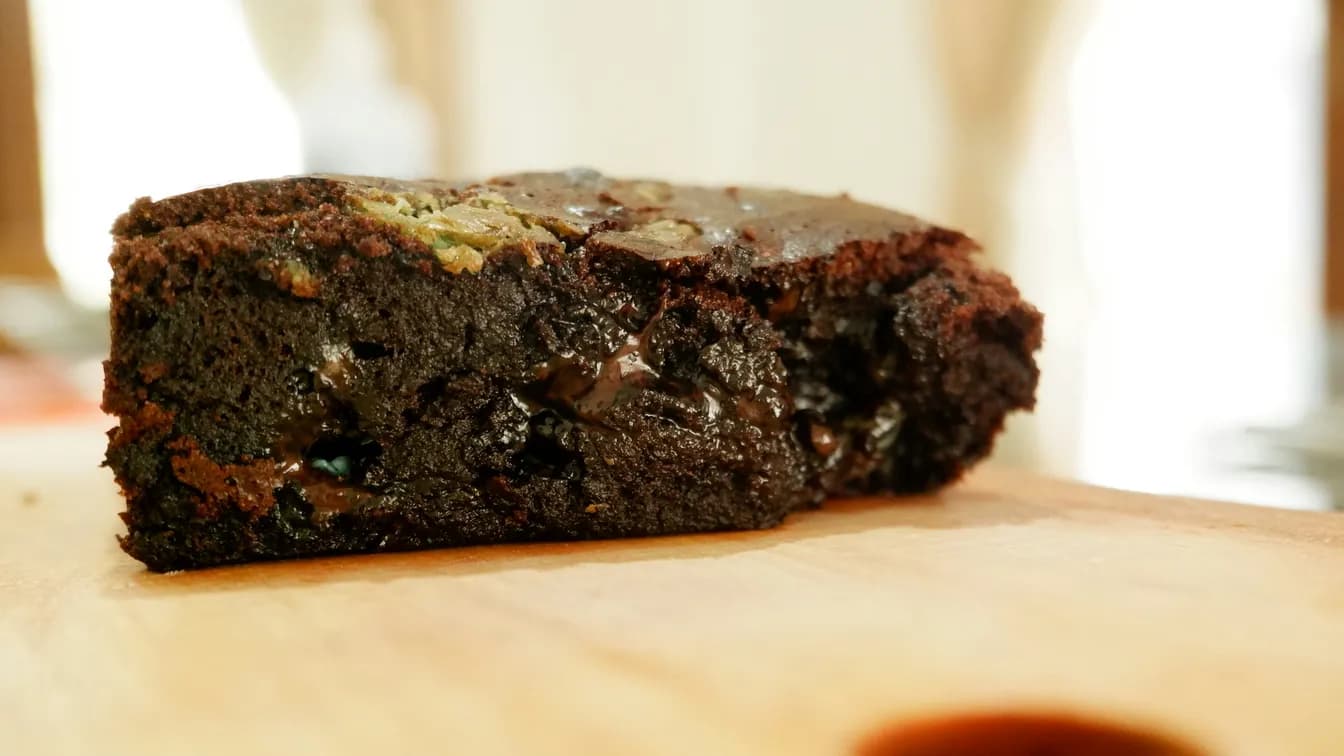
Zucchini Brownies
A whole zucchini in the batter, and nobody notices it: instead, they stay moist for three days.