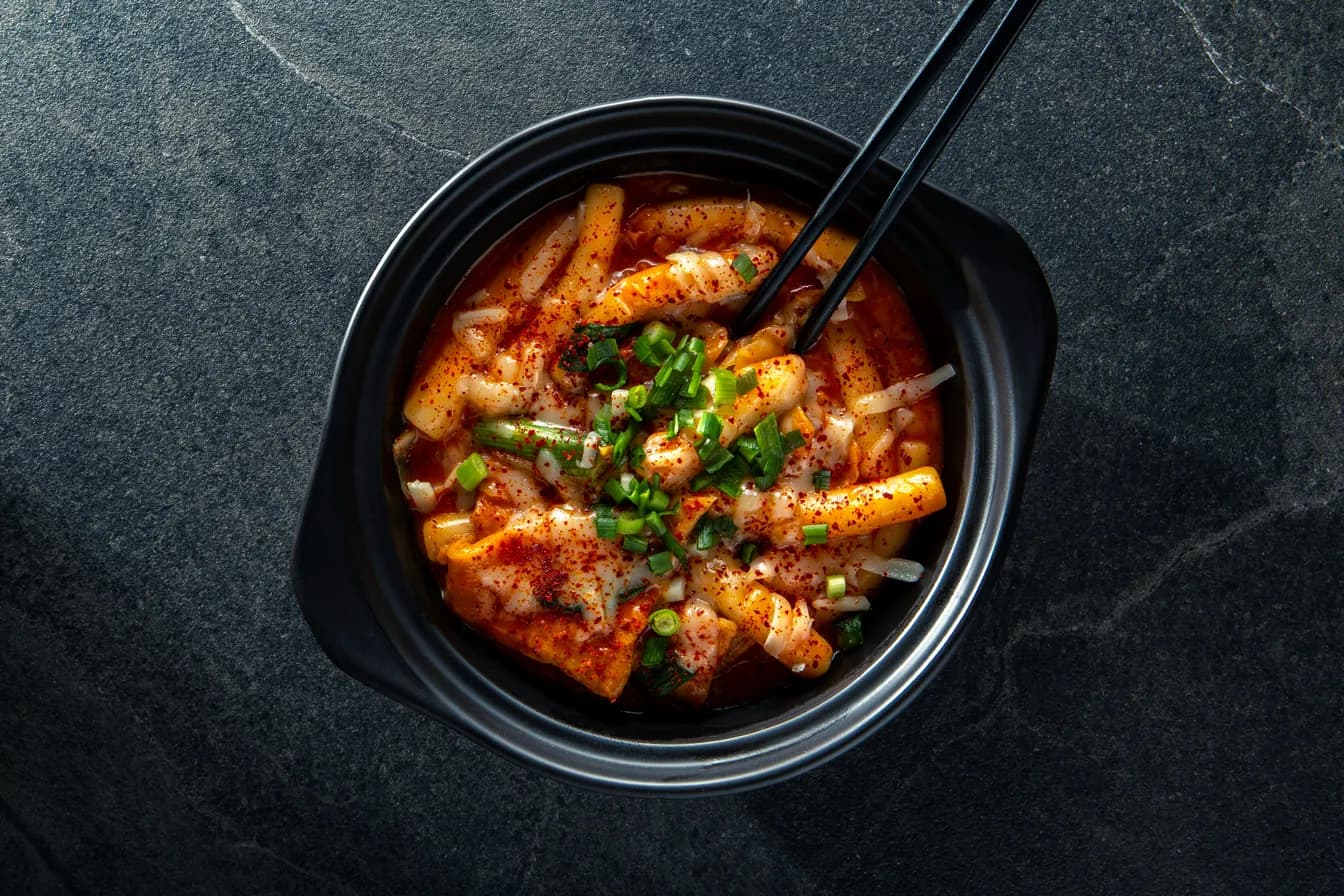
Tteokbokki
Korean rice cakes in a spicy and sweet gochujang sauce, chewy, sticky, and ready in twenty minutes.
- Preparation
- 10 min
- Cook/bake time
- 20 min
- Total
- 30 min
- Difficulty
- Easy
- Calories
- 712 kcal
- Servings
- 2
- Prep
- 10 min
- Cooking & baking
- 20 min
Korean rice cakes in a spicy and sweet gochujang sauce, chewy, sticky, and ready in twenty minutes. The texture is the unusual part and the whole appeal: rice cakes are smooth on the outside and elastic on the inside, almost like very soft gnocchi. The sauce thickens on its own because the rice cakes release starch as they cook.
Why this works
Rice cakes consist almost entirely of glutinous rice starch, and two things happen simultaneously during cooking. On the outside, they release starch into the sauce, which thickens it naturally. This is why this recipe needs no flour or cornstarch, and why the sauce gets thicker with every minute. On the inside, they absorb water and swell, turning the hard, cold stick into the characteristic chewy and elastic texture. Both processes have a time window, however. If you cook them too long, they release so much starch that they become mushy on the outside and lose their elasticity on the inside. Ten minutes is the maximum. The sugar in the sauce is therefore not a concession to taste, but balances the fermentation acidity of the gochujang. Without it, the sauce tastes one-dimensionally spicy.
Step-by-step instructions
- 1
Soak the rice cakes
Place the rice cakes in cold water for ten minutes if they are hard or frozen. They absorb water and will cook evenly later. Unsoaked sticks remain hard on the inside while the sauce is already too thick.
- 2
Prepare the kombu broth
Heat the water with the kombu to about 70 degrees and let it steep for ten minutes, then remove it. This quick broth gives the sauce a depth that pure water does not provide. The kombu must not boil, otherwise it will become bitter.
- 3
Mix the sauce
Stir gochujang, gochugaru, soy sauce, sugar, and garlic into the broth until everything has dissolved. The sauce is still very thin right now. That is correct, it will thicken on its own in a moment.
- 4
Simmer for 8 to 10 minutes
Add the drained rice cakes and let everything simmer over medium heat for 8 to 10 minutes, stirring regularly. The sauce thickens significantly due to the escaping starch and coats the sticks with a glossy finish. If cooked longer than ten minutes, they will become mushy.
- 5
Finish
Stir in the scallions, remove the pan from the heat, and drizzle the sesame oil over it. Add the halved eggs and sprinkle sesame seeds on top. Eat immediately. When cold, rice cakes become hard and can only be partially saved by reheating.
Our best tips
- Do not cook for longer than ten minutes. Rice cakes have a narrow time window between chewy-elastic and mushy, and the transition cannot be reversed.
- Gochugaru are Korean chili flakes. They are coarser, fruitier, and milder than European ones. They provide the bright red color, while the gochujang brings the depth.
- Tteokbokki is an immediate dish. The next day, the rice cakes are hard and the sauce has turned to paste, so it is better to cook half the amount.
Tasty variations
Rosé Tteokbokki
Stir in 150 ml of heavy cream and a spoonful of ketchup. This is currently the most popular variation in Korea, significantly milder and creamier, making it good for a first try.
With fish cakes
Cook 150 g of Korean fish cakes (eomuk) cut into strips along with it. This is the classic street version and brings additional umami.
Nutrition facts
| Calories | 712 kcal |
|---|---|
| Protein | 19 g |
| Carbohydrates | 131 g |
| – of which sugar | 20 g |
| Fat | 11 g |
| Fiber | 5 g |
Where the 712 kcal come from
per serving
Calculated from the ingredients – how we do it
We add up reference values for every ingredient and divide by the number of servings. These assumptions are baked in:
- Reference values per 100 g – for the raw ingredient, exactly as listed.
- Tinned goods count at drained weight, bone-in meat at purchase weight: you eat about 70 per cent of a chicken thigh and leave the rest.
- Water evaporates as you cook. The energy stays in the pot, the weight does not – so the figure is per serving, not per 100 g of finished dish.
- Anything listed without a quantity – “salt and pepper” – is not counted.
A guide value, not a lab measurement: no two onions weigh the same, and fat content varies from pack to pack.
Frequently asked questions
How many calories does Tteokbokki have?
Around 710 kcal per serving. Almost all of this comes from the rice cakes themselves. The dish is very high in carbohydrates and surprisingly low in fat.
Where can I get rice cakes?
From the Asian supermarket, usually frozen or vacuum-packed in the refrigerated section. Thaw frozen ones beforehand in cold water. A real substitute does not exist. Gnocchi have a different texture and fall apart in the sauce.
Why is my sauce not getting thick?
Too little cooking time or too much liquid. The sauce binds exclusively through the starch that escapes from the rice cakes. Without eight minutes of simmering, this does not happen.
How spicy is Tteokbokki?
In this amount, it is noticeable but not extreme. If you like it milder, halve the gochugaru and leave the gochujang unchanged. The paste provides the depth, the flakes the heat.
Comments & ratings(0)
Sign in to rate and comment on this recipe.
You might also like
 Dinner
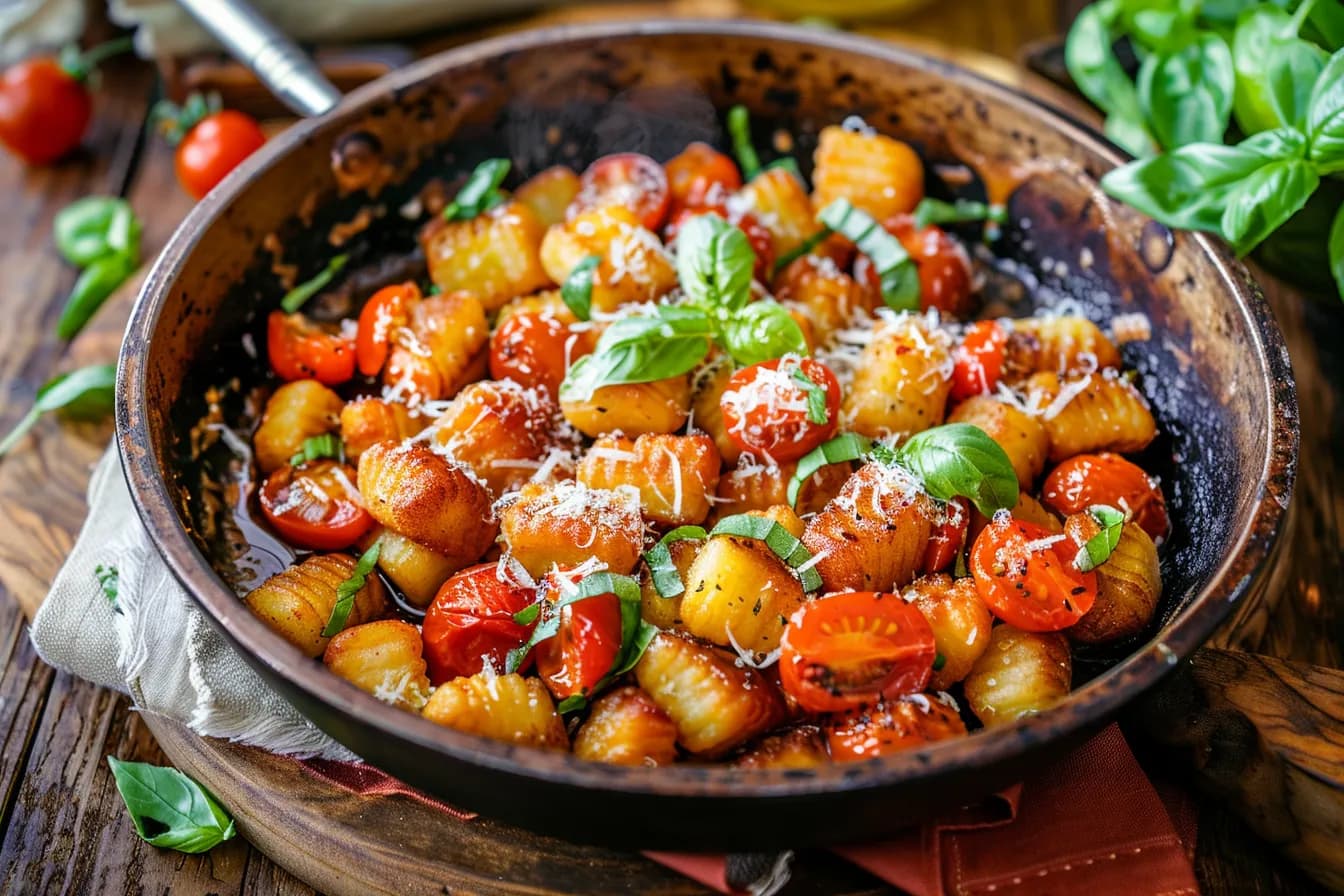
15-Minute Gnocchi Skillet
Refrigerated gnocchi go uncooked into the pan, and they become crispy on the outside.
 Breakfast
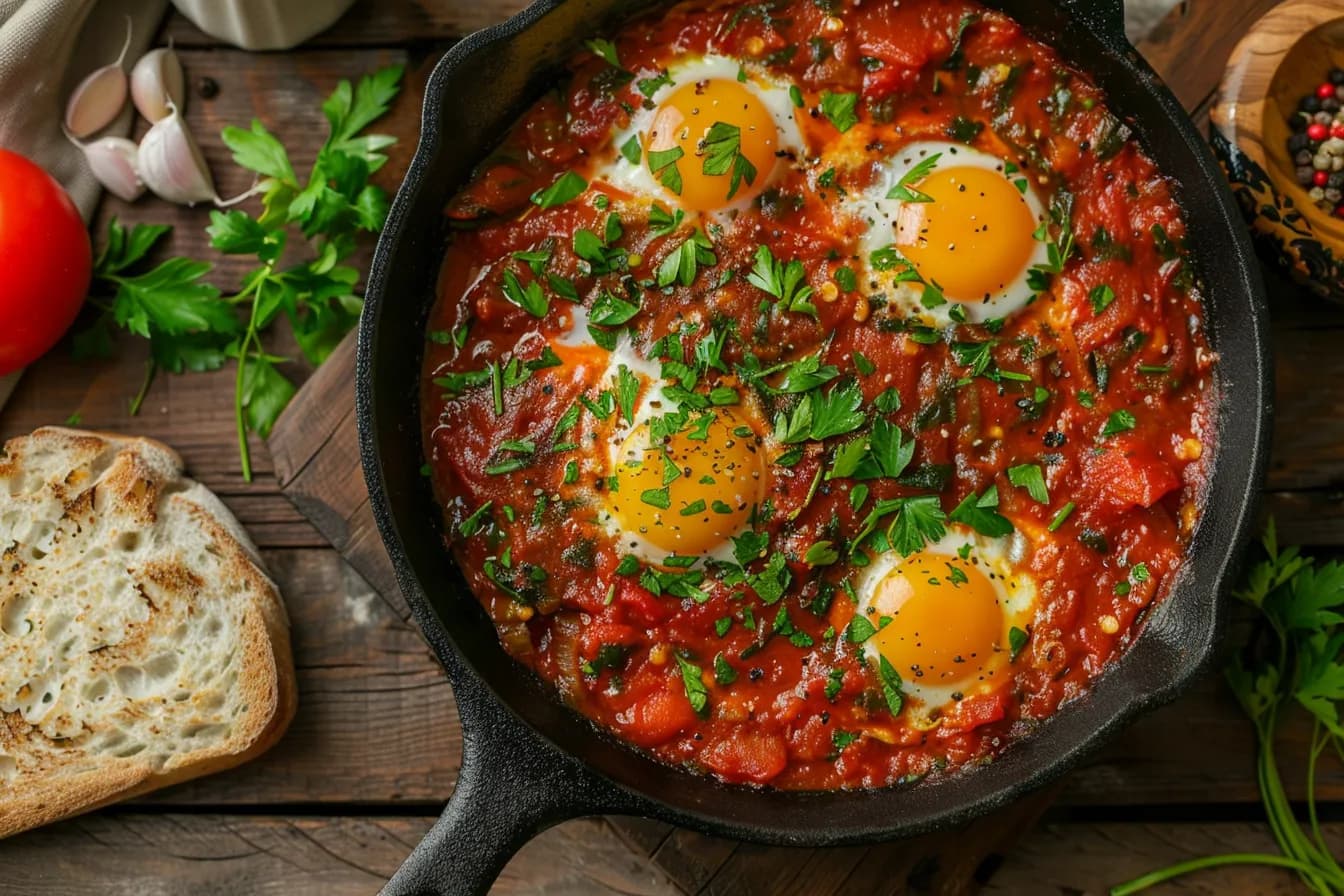
Eggs in Tomato Sauce for One
Half a can of tomatoes, two eggs, a small pan: Shakshuka in a single portion.
 Dinner
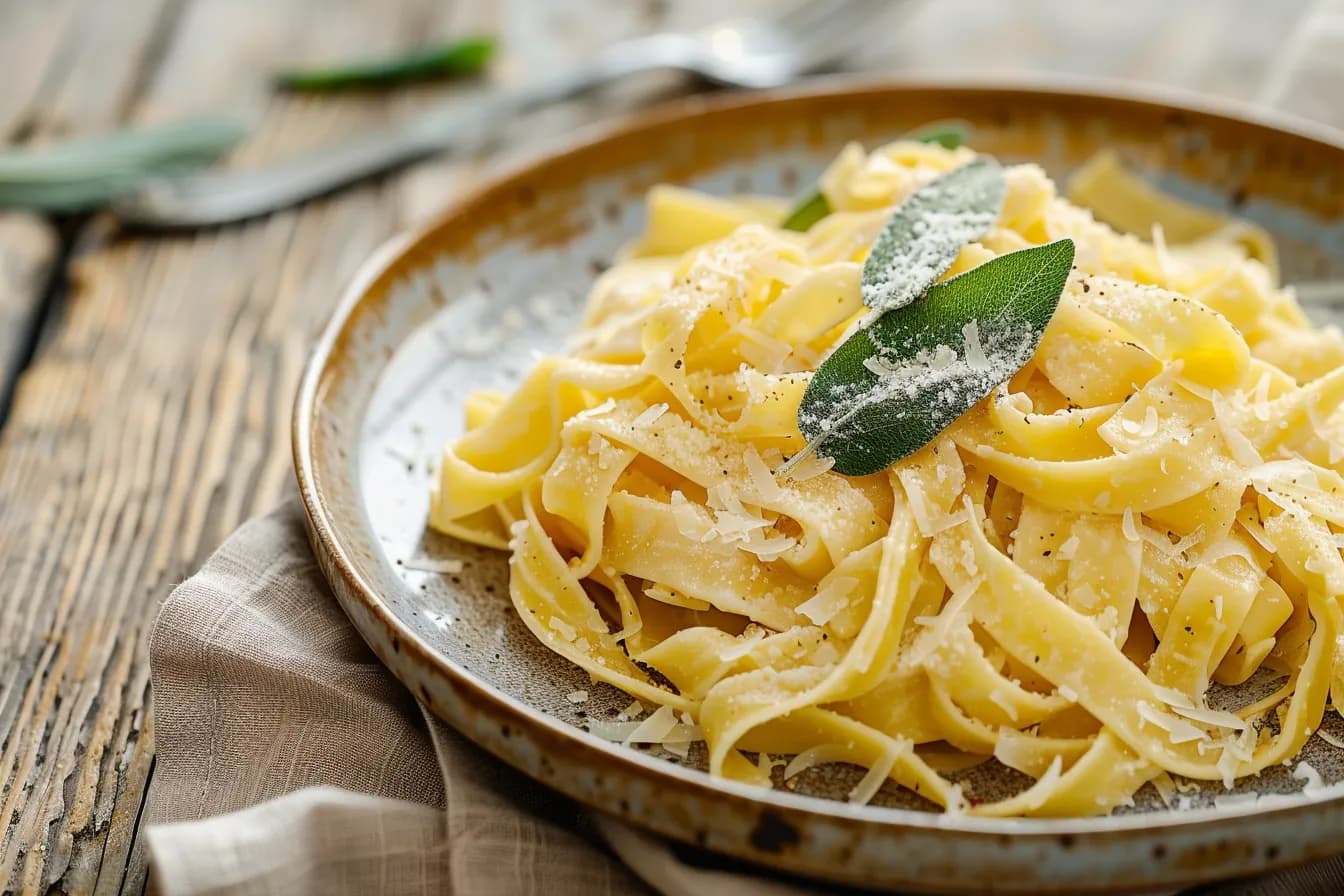
Brown Butter Sage Pasta
Three ingredients, eight minutes, and the best proof that butter is a flavor and not just a fat.