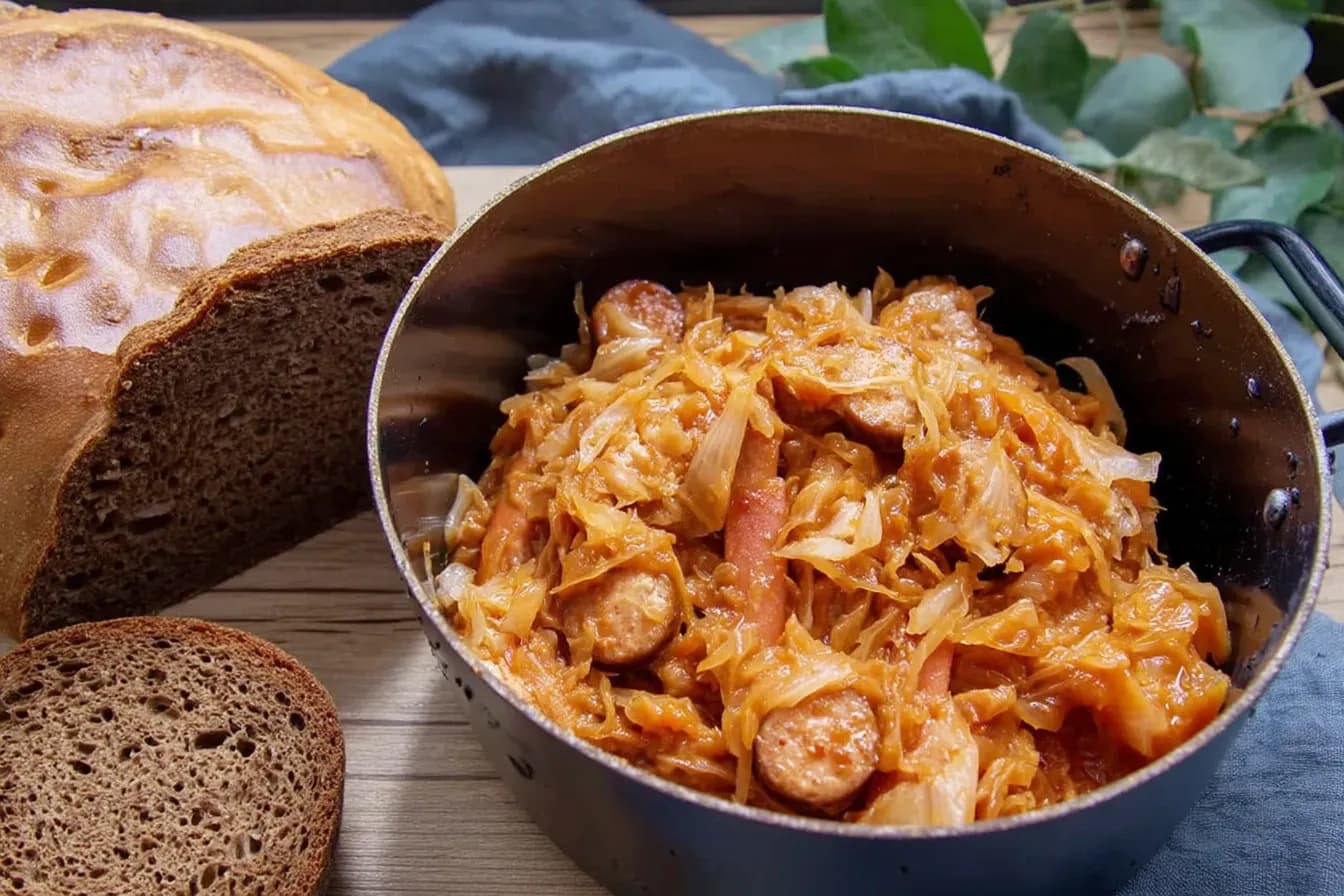
Bigos
Polish hunter's stew made with sauerkraut, white cabbage, and three types of meat, and it is reheated three times.
- Preparation
- 40 min
- Cook/bake time
- 5 hr 30 min
- Total
- 54 hr 10 min
- Difficulty
- Easy
- Calories
- 449 kcal
- Servings
- 8
- Prep
- 40 min
- Cooking & baking
- 5 hr 30 min
- Resting
- 48 hr
Only 6 hr 10 min of that is hands-on – the rest takes care of itself.
Polish hunter's stew made with sauerkraut, white cabbage, and three types of meat, and it is reheated three times. This is not a quirk: with each reheating, water evaporates, the flavors concentrate, and the collagen from the meat further thickens the stew. On the third day, it becomes what it was meant to be.
Why this works
The rule to reheat Bigos multiple times has three understandable reasons. First, water evaporates with each heating, which concentrates all the flavor compounds. The stew becomes denser without anything being added. Second, the connective tissue from the pork belly and sausage continues to release gelatin over the total cooking time, making the broth creamy. Third, and this is the main point, the flavors balance out among the components: the acidity of the sauerkraut penetrates the meat, and the smoky flavor of the sausage spreads throughout the cabbage. On the first day, you taste cabbage and meat separately, but on the third day, you taste Bigos. The dried plums are not just for decoration: their sweetness is the counterpoint to the sauerkraut acidity, without which the stew would remain one-dimensionally sour.
Step-by-step instructions
- 1
Sear the meat
Render the bacon and vigorously brown the pork belly and sausage in it in batches. Set everything aside. The roasted bits at the bottom of the pot are the most important source of flavor for a stew that consists mostly of cabbage.
- 2
Onions and tomato paste
Sweat the onions in the rendered fat until soft and roast the tomato paste with them for two minutes. Deglaze with red wine and scrape the browned bits from the bottom.
- 3
Everything into the pot
Add the sauerkraut, white cabbage, meat, soaked porcini mushrooms along with their soaking water, prunes, stock, and spices. Bring everything to a simmer and let it braise covered over the lowest heat for three hours.
- 4
Let stand overnight
Let the Bigos cool down and stand in the refrigerator overnight. The next day, heat it again for one hour, then let it cool down again. Ideally, do this a third time on the third day. Each reheating concentrates the flavors and makes it denser.
- 5
Season to taste
Season with salt and pepper only at the very end. Bacon, sausage, and sauerkraut bring a lot of salt, and after three reheating processes, it is concentrated. Anyone who salts on the first day will have an inedible stew on the third.
Our best tips
- Salt only at the end. Bacon, sausage, and cabbage already add salt, and with multiple reductions, everything concentrates.
- Do not omit the prunes. Their sweetness is the counterweight to the sauerkraut acidity, and without them, the stew remains one-dimensional.
- Bigos freezes excellently and does not lose quality when thawed. In Poland, it is traditionally cooked in large quantities for the winter.
Tasty variations
With game meat
Replace part of the pork belly with wild boar or venison goulash. The name hunter's stew comes from this, and with game meat, it is the original version.
Vegetarian
Omit the meat, using 400 g of smoked tofu and double the amount of porcini mushrooms instead. The smoky flavor carries the dish, and without it, the core is missing.
Nutrition facts
| Calories | 449 kcal |
|---|---|
| Protein | 23 g |
| Carbohydrates | 16 g |
| – of which sugar | 12 g |
| Fat | 29 g |
| Fiber | 6 g |
Where the 449 kcal come from
per serving
Calculated from the ingredients – how we do it
We add up reference values for every ingredient and divide by the number of servings. These assumptions are baked in:
- Reference values per 100 g – for the raw ingredient, exactly as listed.
- Tinned goods count at drained weight, bone-in meat at purchase weight: you eat about 70 per cent of a chicken thigh and leave the rest.
- Water evaporates as you cook. The energy stays in the pot, the weight does not – so the figure is per serving, not per 100 g of finished dish.
- Anything listed without a quantity – “salt and pepper” – is not counted.
A guide value, not a lab measurement: no two onions weigh the same, and fat content varies from pack to pack.
Frequently asked questions
Why is Bigos reheated multiple times?
With each heating, water evaporates and the flavors concentrate, while the acidity from the cabbage and the smoky flavor from the sausage balance out among all the components. On the first day, you taste the parts, but on the third day, you taste the dish.
How many calories does Bigos have?
Around 450 kcal per serving for eight servings. Bacon, pork belly, and sausage contribute the majority. With leaner meat, the value drops to about 350 kcal.
Do I have to rinse the sauerkraut?
Drain it yes, rinse it no. The acidity is the character of the dish. If you find your sauerkraut very sour, use more white cabbage instead of less sauerkraut.
How long does Bigos keep?
In the refrigerator for five days, frozen for three months. It does not get worse in the process. On the contrary, reheating it multiple times is part of the recipe.
Comments & ratings(0)
Sign in to rate and comment on this recipe.
You might also like
 Dinner
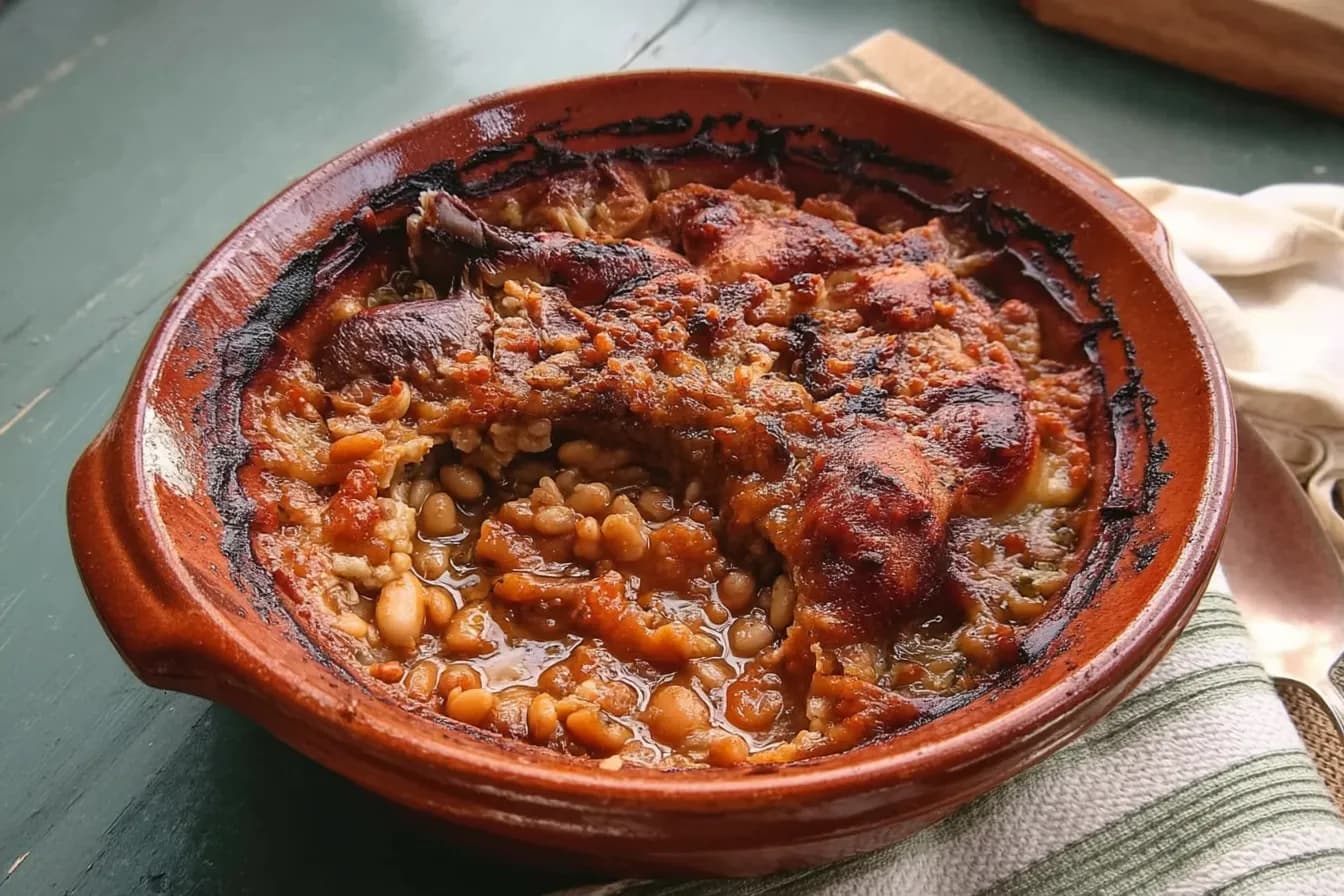
Cassoulet
Bean stew from the Languedoc with duck, sausage, and pork, and the crust that is pushed down seven times.
 Soups & Stews
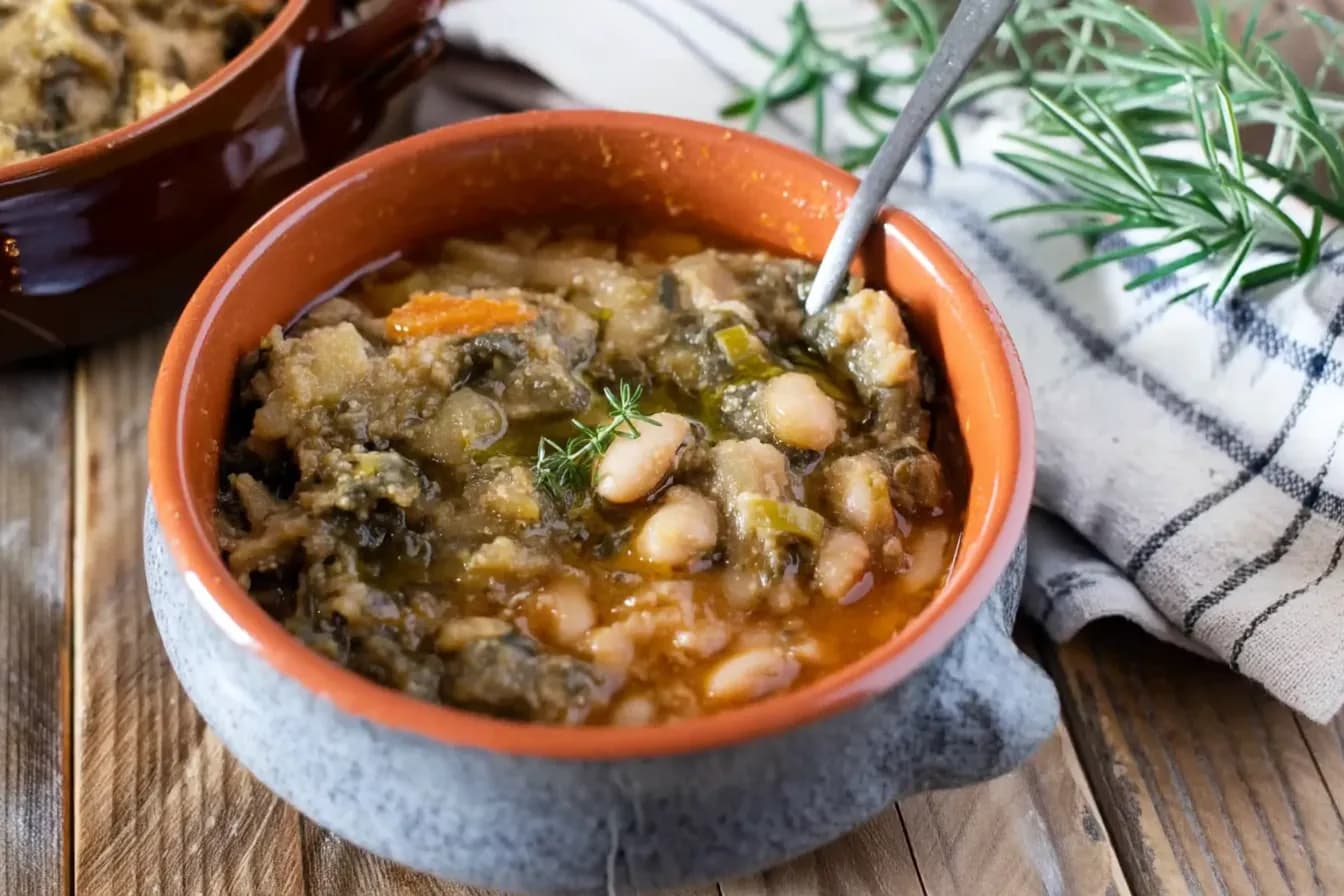
Ribollita
Tuscan bread and bean stew, "reboiled", and that is exactly the point.
 Soups & Stews
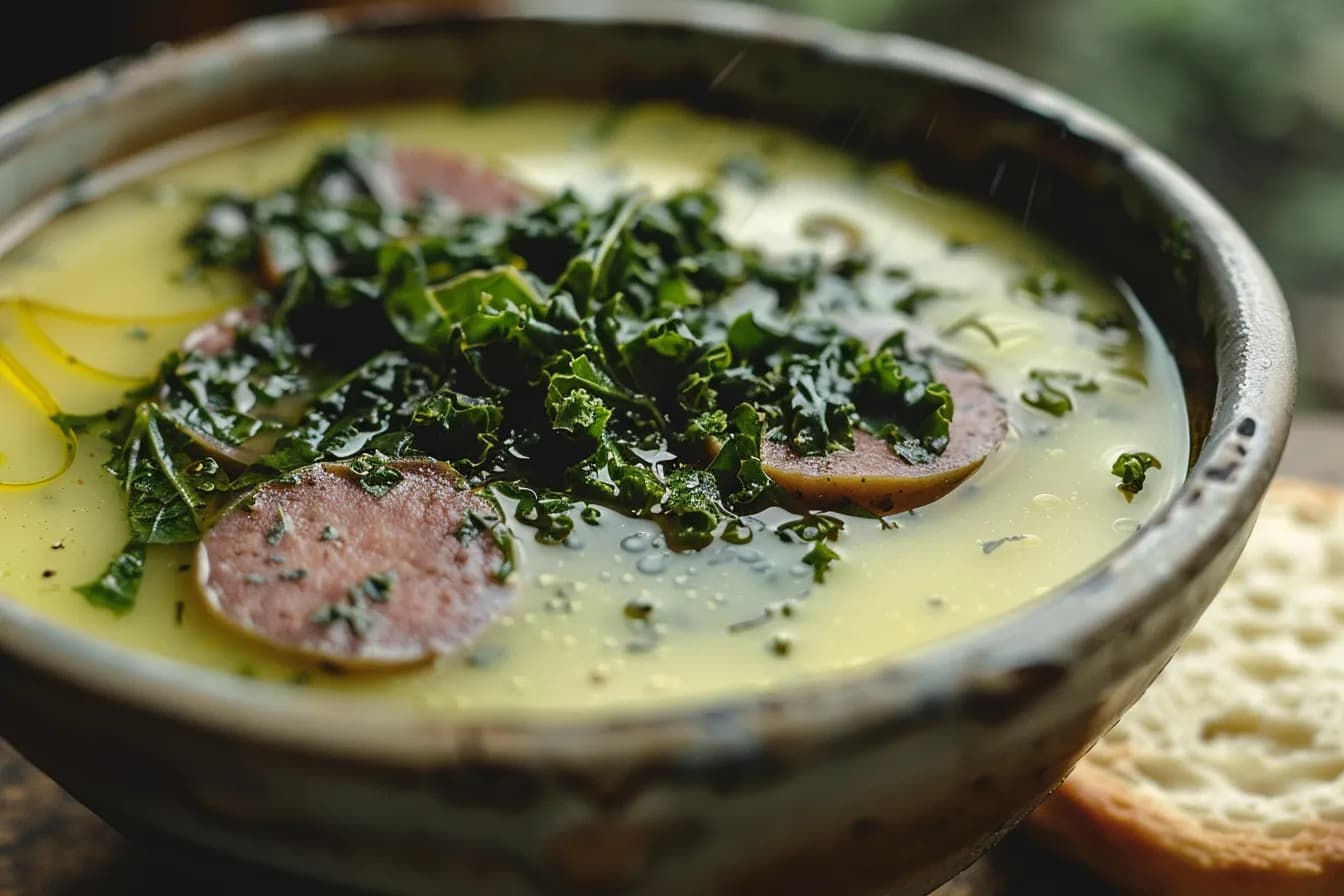
Caldo Verde
Portugal's national soup made of potatoes and paper-thin sliced kale, finished with a slice of Chouriço.